
Flowers
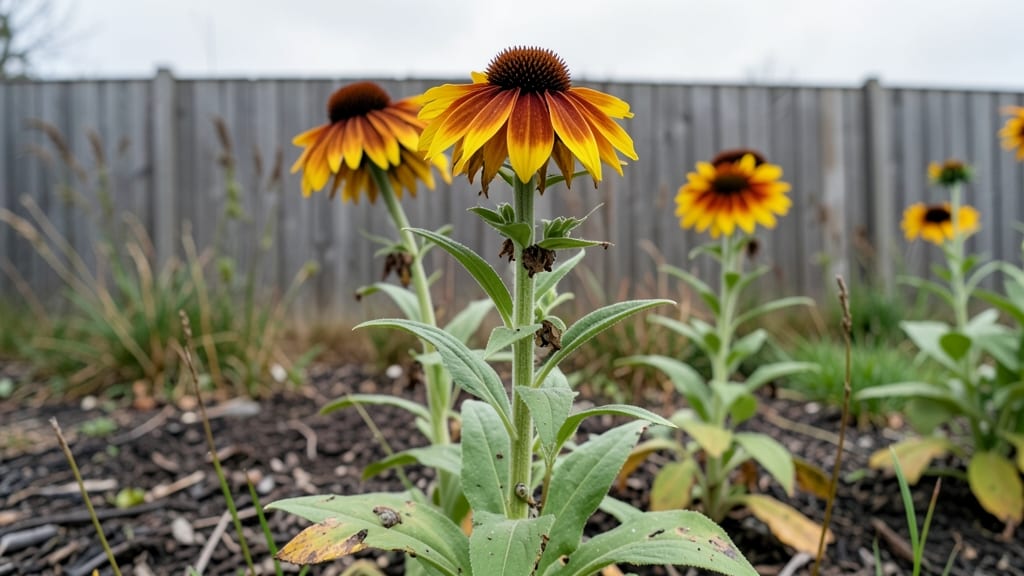
The Endless Summer flower keeps blooming when most perennials call it quits—my Pacific Northwest garden wouldn’t be the same without it. 🌸 These hardy beauties defy the rules, showering your yard with color from early summer straight through frost, even in damp, cool climates where other flowers struggle.
Here’s the secret: they thrive in partial shade, handle our famously wet springs, and reward you with nonstop blooms if you give them the right start.
I’ve grown them in everything from sunny borders to dappled woodland edges, and they always deliver—just don’t skimp on the soil prep or they’ll sulk.
By late June, you’ll see the first flush of flowers, and with proper care, they’ll keep coming until first frost, often with just a light trim to encourage new growth. The scent? Lightly sweet, like a summer breeze carrying jasmine—nothing overpowering, just enough to make you pause and smile.
They’re foolproof for beginners but also love the attention of seasoned gardeners who appreciate a plant that outperforms expectations. Let’s get yours thriving—whether you’re planting from seed, dividing clumps, or tucking them into containers for a balcony display.
📚 In This Guide
- What you need
- Instructions
- Tips and common mistakes
- Wrapping up and next steps
What you need
- ● Endless Summer Hydrangea (Hydrangea macrophylla 'Endless Summer'): 1-3 bare-root plants (for spring planting) or
- ● 1-2 container-grown plants (3-5 gallons, 12-18" tall) or
- ○ Seeds (if propagating from cuttings—see optional tools below)
- ● Well-draining potting mix or garden soil (amended with compost for fertility)
- ● Organic mulch (2-3 inches of shredded bark or pine needles)
- ● Balanced fertilizer (10-10-10 or 20-20-20, low in phosphorus for hydrangeas)
- ● Watering can or hose with a gentle spray nozzle
- ● Required: Garden trowel or transplant spade
- ● Gloves (to protect hands from thorns or soil)
- ● Pruning shears (for shaping and deadheading)
- ○ Optional (for advanced gardeners): pH testing kit (to adjust soil acidity for blue/pink blooms)
- ● Rooting hormone (if propagating from cuttings)
- ● Drip irrigation system (for consistent moisture)
- ● Stakes or cages (for support if needed)
- ● A partially shaded spot (4-6 hours of morning sun or dappled light)
- ● Well-draining soil (hydrangeas hate soggy roots!)
- ● Patience—these beauties take 2-3 years to reach full blooming glory!
- ● Regular watering (keep soil consistently moist but not waterlogged)
Step-by-step planting and care for endless summer hydrangeas
This Pacific Northwest favorite thrives with the right site prep and ongoing attention—here's how to coax those iconic blooms all season.
🌱 Step 1: Choose the Perfect Planting Site
Endless Summer hydrangeas demand morning sun and afternoon shade—think dappled light under tall trees or east-facing beds. In the PNW's cooler climate, they tolerate partial shade all day, but blooms will be sparse if they get too little light. I always test a spot by placing a white plate where the plant will go—if it's covered in shade for more than 4-6 hours daily, move to a sunnier location.
Soil must be moist but well-draining—these plants hate soggy roots. Amend heavy clay with 3-4 inches of compost and a handful of perlite to improve aeration. I dig a hole twice as wide as the root ball but only as deep—planting too deeply suffocates the roots and causes stress. The top of the root ball should sit 1 inch above ground level to prevent rot during heavy winter rains.
💧 Step 2: Water Deeply and Mulch Generously
After planting, water deeply until moisture reaches 12 inches down—you'll see the soil surface darken and puddle slightly. Endless Summers need 1-2 inches of water weekly, but more during the first growing season when roots establish. I use a soaker hose for 20-30 minutes to avoid wetting the foliage, which prevents fungal diseases like powdery mildew.
Spread 3 inches of organic mulch (like cedar chips or shredded bark) over the root zone, keeping it 6 inches away from the stem. Mulch conserves moisture, regulates soil temperature, and slowly feeds the plant as it breaks down. Replenish mulch annually in early spring—this is the secret to those lush, long-lasting blooms.
☀️ Step 3: Feed and Prune for Continuous Blooms
Fertilize in early spring with a balanced 10-10-10 formula (about ¼ cup per plant), then again in mid-summer with a low-phosphorus, high-potassium fertilizer to encourage blooms. I avoid high-nitrogen feeds—they produce leafy growth at the expense of flowers. Deadhead spent blooms in early summer to redirect energy to new flowers, but leave some seed heads for winter interest.
Prune in late winter or early spring before new growth appears. Remove one-third of the oldest stems at the base—this rejuvenates the plant and prevents woody centers. Cut back any stems that died over winter to clean wood. Never prune in fall, as new growth won't harden off before winter, and frost will damage tender shoots.
✂️ Step 4: Protect and Prepare for Winter
The PNW's mild winters usually spare Endless Summers, but young plants or exposed sites need extra care. Wrap the base with burlap or frost cloth in late fall if temperatures dip below 20°F. I also add a 4-inch layer of straw mulch over the root zone for insulation. In spring, remove winter protection as soon as buds swell—delaying this can cause rot.
Watch for aphids and spider mites—common pests that thrive on stressed plants. Spray with a neem oil solution (1 tbsp per gallon of water) at the first sign of infestation. These hydrangeas are generally low-maintenance, but consistent care like this ensures they reward you with 6-8 weeks of vibrant blooms—far longer than most perennials.
Tips & tricks for perfect endless summer hydrangea care
Here's what nobody tells you about keeping these PNW showstoppers thriving year after year.
Soil Science Matters: That 3-4 inches of compost isn't just filler—it's the foundation for your plant's health. For heavy clay soils common in the PNW, mix in one part perlite to two parts compost to create that perfect moisture balance. I've seen hydrangeas struggle in pure compost because it compacts over time, so this ratio keeps roots aerated while retaining moisture. The key is creating that "sponge-like" texture that holds water but drains freely.
Watering Wisdom: Those 20-30 minutes with the soaker hose might seem excessive, but trust me on this: shallow watering encourages shallow roots that can't support those heavy blooms. After the initial deep watering, maintain that 1-2 inches weekly guideline by checking soil moisture with your finger—top 2 inches should feel damp, not soggy. In summer's heat, you might need to up that to 2-3 inches weekly, especially for young plants establishing roots.
Pruning Precision: When removing one-third of the oldest stems in Step 3, focus on the thickest, woody stems at the base. These are the ones that have already bloomed and are now just taking energy from new growth. Cut them back to the ground—don't leave stubs. For the remaining stems, cut back just above a set of leaves or buds. I always prune on a dry day when the plant is dormant (late winter/early spring) to minimize stress and disease risk.
Winter Protection Hacks: About that 20°F threshold—this is where PNW hydrangeas get picky. If you're in a microclimate (like a frost pocket or exposed hillside), err on the side of caution and protect at 25°F. For extra insulation, add a thick layer of leaves or straw over the mulch—this creates an insulating blanket that can make all the difference in harsh winters. And remember: remove winter protection as soon as buds swell in spring, not when leaves emerge.
Pro Tips for Endless Summer Flower
- Here's what nobody tells you about keeping these PNW showstoppers thriving year after year.
- Soil Science Matters: That 3-4 inches of compost isn't just filler—it's the foundation for your plant's health.
- Watering Wisdom: Those 20-30 minutes with the soaker hose might seem excessive, but trust me on this: shallow watering encourages shallow roots that can't support those heavy blooms.
Frequently asked questions
How long does the Endless Summer Flower actually bloom?
The Endless Summer Flower (a hybrid daylily) lives up to its name! With proper care, it can bloom continuously from early summer through fall—and sometimes even into winter in mild PNW climates. The secret? Deadheading spent blooms and providing consistent moisture.
Can it handle the Pacific Northwest’s rainy weather?
This hardy perennial thrives in the PNW’s wet-but-mild climate (USDA Zones 3–9). Just ensure it’s planted in well-draining soil to avoid root rot. Overcast days won’t stop its blooms—it’s built for resilience!
What’s the best way to keep it blooming nonstop?
Here’s your 3-step cheat sheet:
- Water deeply 1–2x/week (more in droughts).
- Deadhead faded blooms weekly to encourage reblooming.
- Fertilize lightly in spring with a balanced 10-10-10 formula.
What if my Endless Summer Flower stops blooming?
Don’t panic! Common fixes:
- Check sunlight: It needs 6+ hours of sun/day (partial shade = fewer blooms).
Overfeeding? Too much nitrogen = leafy growth, not flowers. Switch to a low-nitrogen bloom booster.
Pests? Slugs/snails can munch blooms. Try diatomaceous earth or beer traps!
If issues persist, it may need replanting in richer soil.Are there drought-tolerant alternatives to Endless Summer Flowers?
Yes! If you’re in a dry microclimate, try these PNW-friendly bloomers:
Flower
Bloom Time
Drought Tolerance
Bee Balm (Monarda)
Summer–fall
Moderate (mulch helps!)
Russian Sage (Perovskia)
Late spring–fall
High (loves heat/drought)
Catmint (Nepeta)
Spring–fall
Very high
Wrapping up and next steps
The endless summer flower is more than just a stunning perennial—it’s a game-changer for gardeners in the Pacific Northwest, offering months of vibrant blooms with minimal fuss. Whether you’re a seasoned green thumb or just starting, this hardy beauty proves that low-maintenance doesn’t mean low-impact.
Ready to transform your garden into a summer-long paradise?
🌱 Your next step: Pick your favorite variety, grab the supplies, and get planting! Share your progress with the gardening community or tag us—we’d love to see your endless summer in bloom! 📸