
Flowers
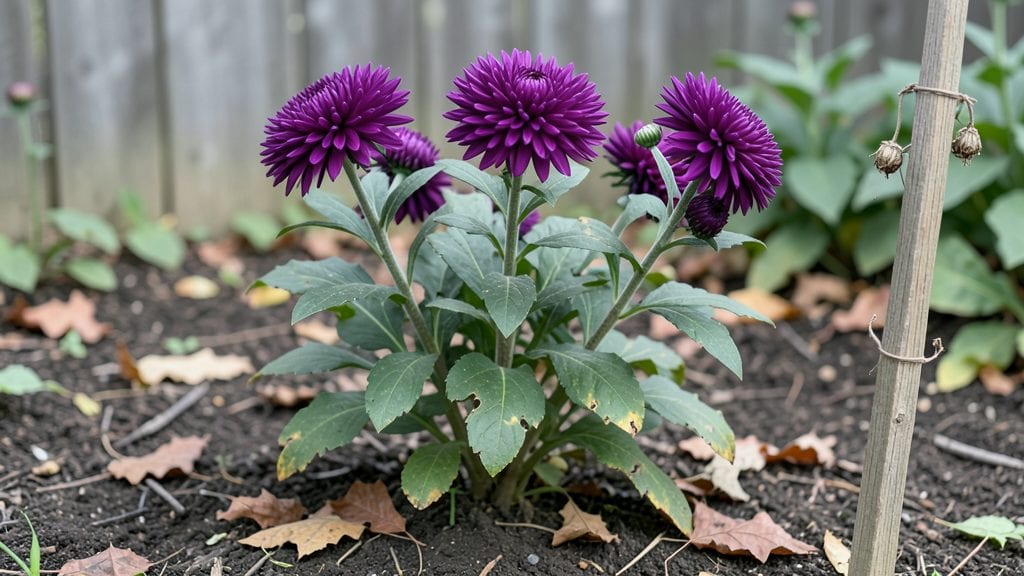
Fall-colored flowers don’t just survive autumn—they steal the show with their fiery hues and hardy charm. 🌻 I’ve learned the hard way that planting the right varieties (like chrysanthemums or asters) means blooms that last from October straight through frost, even in cooler zones.
The secret isn’t just timing—it’s choosing plants that thrive when others fade.
Most people assume fall flowers need coddling, but the best varieties—goldenrod, sedum, or Russian sage—are practically foolproof once you get the basics right. You’ll need well-draining soil, morning sun, and a light hand with fertilizers after mid-summer to keep them blooming longer.
And yes, they handle light frosts better than spring annuals ever could.
Imagine your garden in late October: deep burgundy mums contrasting with golden asters, their petals crisp in the cool air. These aren’t just pretty faces—they attract pollinators long after summer gardens go quiet, and their seed heads add winter structure.
With the right placement, your fall display will have neighbors reaching for their cameras.
Whether you’re in Zone 5 or 8, the same principles apply: plant early (late summer for perennials), deadhead spent blooms, and mulch lightly to protect roots. The payoff? A garden that feels like a masterpiece even when the leaves are falling. Let’s make yours the envy of the block.
📚 In This Guide
- What you need
- Instructions
- Tips and common mistakes
- Wrapping up and next steps
What you need
- ● Fall-colored flowers: Choose from 5–10 varieties like mums (chrysanthemums), aster, sedum, heuchera, or ornamental kale. Opt for tubers, plugs, or young plants (1–2 inches tall) for best results.
- ● Well-draining potting mix: 5–10 gallons, depending on container size. Look for a blend labeled for perennials or annuals.
- ● Containers or garden beds: Containers: 5–15 gallon pots (1–2 per plant) with drainage holes. Materials: terracotta, ceramic, or fabric grow bags.
- ● Garden beds: Ensure 6+ hours of sunlight and loamy, well-amended soil (pH 6.0–7.0).
- ● Slow-release fertilizer: 1–2 cups per 5 gallons of soil. Choose a balanced 10-10-10 or bloom-boosting 5-10-5 formula.
- ● Mulch: 2–3 inches of shredded bark, pine straw, or straw mulch to retain moisture and regulate temperature.
- ● Garden trowel or hand shovel (for planting in beds).
- ● Glove (one pair, gardening-grade for protection).
- ● Watering can or hose with a gentle spray nozzle (for deep but even watering).
- ● Pruning shears (for trimming dead foliage or shaping plants).
- ○ pH testing kit (optional but helpful for soil adjustments).
- ● Epsom salt (1 tbsp per gallon of water) for magnesium boosts in green foliage plants.
- ● Decorative stones or pebbles (for container drainage layers or aesthetic appeal).
- ● Lightweight landscape fabric (to suppress weeds in garden beds).
- ● Automatic watering system (e.g., drip irrigation) for hassle-free hydration.
- ● Fall-themed stakes or labels (to mark plants and add charm!).
Step-by-Step guide for designing a stunning fall flower bed
Here's how to create a vibrant autumn garden that thrives through crisp weather.
🌿 Step 1: Choose the Right Fall-Blooming Varieties
Select plants that thrive in cooler temperatures and offer bold colors. I recommend mums (Chrysanthemums) for their classic autumn hues, sedum for drought tolerance and late-season blooms, and asters for their star-shaped flowers that attract pollinators. For height, add Russian sage or goldenrod—both provide vertical interest and long-lasting color. Mix textures by including ornamental grasses like fountain grass or little bluestem.
I always group plants by height: tallest in back, mid-height in middle, and low-growing varieties like heuchera or coral bells at the front. This creates a layered effect that showcases each plant's foliage and flowers. Avoid overcrowding—each plant should have 12-18 inches of space to breathe and prevent disease.
🪴 Step 2: Prepare the Soil for Autumn Success
Test your soil first—fall flowers need well-draining, slightly acidic to neutral soil (pH 6.0-7.0). Amend heavy clay with 2-3 inches of compost and 1 inch of perlite to improve aeration. I mix in a slow-release fertilizer (10-10-10) at planting time to give roots a nutrient boost for the cooler months. Avoid fresh manure—it can burn tender roots and attract pests.
Loosen the soil to a depth of 12 inches with a garden fork or tiller. This helps roots establish before winter dormancy. If your soil is sandy, add 1 inch of peat moss to retain moisture. Water the amended soil thoroughly 24 hours before planting to help roots settle in without shock.
☀️ Step 3: Plant with Seasonal Light Requirements in Mind
Most fall flowers need full sun (6-8 hours daily) for vibrant blooms, but a few like heuchera tolerate partial shade. Plant in the early morning on a cloudy day to reduce transplant shock. Dig holes twice as wide as the root ball but only as deep—planting too deep can suffocate roots. Gently tease apart roots if they're circling tightly.
Space plants according to their mature size: mums need 18-24 inches apart, while sedum can handle 12-15 inches. Water deeply after planting to eliminate air pockets and encourage root contact with soil. Mulch with 2-3 inches of shredded bark to retain moisture and regulate soil temperature—this is especially critical in fall when nights grow chilly.
💧 Step 4: Water and Maintain for Long-Lasting Color
Water deeply 2-3 times per week until plants establish (4-6 weeks), then taper to once weekly unless rainfall is insufficient. I check moisture by sticking my finger 2 inches into soil—if it's dry, water thoroughly. Avoid overhead watering after dark to prevent fungal diseases like powdery mildew, which thrives in damp foliage.
Deadhead spent blooms regularly to encourage new flowers and extend the season. For perennials like asters, cut back faded stems to 6 inches tall in late fall to promote healthy regrowth next spring. Fertilize lightly in early fall with a balanced formula (5-5-5) to support root development before winter.
⏰ Step 5: Prepare for Winter Dormancy
Before the first frost, apply a 3-inch layer of mulch around plants to insulate roots. I use straw or shredded leaves—they break down slowly and improve soil structure. For tender perennials like mums, cut back stems to 4 inches tall and cover with burlap or frost cloth if your winters dip below 20°F. This protects against freeze damage while allowing air circulation.
Label plants with their names and planting dates—fall gardens can look so similar that you'll forget which variety is which by spring. Prune back any diseased or damaged foliage immediately to prevent overwintering pests. With proper care, your fall flowers will return stronger next year, ready to steal the show again.
Tips & tricks for perfect fall-colored flowers
Creating a showstopping autumn garden takes more than just picking pretty flowers—it's about understanding the subtle details that make the difference between good and spectacular. Here's what I've learned from years of designing fall flower beds that last.
Seasonal Plant Pairing: In Step 1, when selecting your varieties, think about color harmony and bloom timing. Pair deep reds like mums with purples from asters and golds from goldenrod to create visual impact. I always include at least one plant with interesting foliage like heuchera—its colorful leaves add texture when flowers fade. The key is to stagger bloom times so you have continuous color from early fall through frost.
Soil Preparation Secret: The 24-hour pre-watering in Step 2 is crucial for root establishment. But here's what nobody tells you—amend your soil with 1 part compost to 3 parts native soil for best results. This ratio gives plants enough organic matter without overwhelming them. For heavy clay soils, add 1 inch of coarse sand along with the perlite to improve drainage. I've seen plants struggle in soil that's either too rich or too poor—balance is everything.
Planting Technique: When you're planting in Step 3, pay special attention to the root flare—the point where roots meet the stem. This should sit just above soil level. Many gardeners bury it too deep, which can lead to rot. For container-grown plants, gently loosen the root ball before planting to encourage outward root growth. And here's a pro move: add a handful of mycorrhizal fungi to the planting hole—it helps roots establish 30% faster.
Winter Protection Strategy: The 20°F threshold in Step 5 is important, but what about those borderline winters? For mums and other tender perennials, I recommend using frost cloth with a 3.5-4.0 rating instead of burlap—it provides better insulation while still allowing light and airflow. And don't forget to secure the cloth with landscape staples or bricks; I've seen too many gardens where winter winds blew away protection and damaged plants.
Pro Tips for Fall Colored Flowers
- Creating a showstopping autumn garden takes more than just picking pretty flowers—it's about understanding the subtle details that make the difference between good and spectacular.
- Seasonal Plant Pairing: In Step 1, when selecting your varieties, think about color harmony and bloom timing.
- Soil Preparation Secret: The 24-hour pre-watering in Step 2 is crucial for root establishment.
Frequently asked questions
Got questions about fall-colored flowers? You’re not alone!
Here are some of the most common queries gardeners have when planning their autumn blooms—plus quick, practical answers to keep your garden vibrant all season.
When is the best time to plant fall flowers for peak color?
Most fall flowers thrive when planted 4–6 weeks before your first frost date. For regions with mild autumns (like Zones 7–10), late summer (August) is ideal. In cooler zones (Zones 3–6), aim for early September. Check your local frost dates and plant perennials like asters or chrysanthemums for long-lasting color.
How long do fall flowers typically last in the garden?
With proper care, many fall blooms last 4–8 weeks. Mums and sedum often shine until frost, while pansies or calendulas may linger into winter in milder climates. Deadhead spent blooms to encourage reblooming and protect perennials with mulch to extend their season.
Can I grow fall flowers in containers or small spaces?
Opt for compact varieties like pansies, dwarf mums, or ornamental kale. Use well-draining soil and containers with drainage holes. Place pots in sunny spots (6+ hours of light) and water consistently—containers dry out faster in fall’s cooler air.
What if my fall flowers wilt or stop blooming early?
Early wilting often signals underwatering, pests (like aphids), or disease. Check soil moisture (top inch should be dry before watering) and inspect leaves for holes or spots. Fungal issues? Improve airflow and avoid overhead watering. For slugs/snails, use organic barriers like coffee grounds or diatomaceous earth.
Are there low-maintenance fall flowers for busy gardeners?
Yes! Try sedum (drought-tolerant), heuchera (colorful foliage), or ornamental grasses like maiden grass. These need minimal pruning and thrive in poor soil. Pair them with everlasting daisies for long-lasting, fuss-free beauty.
Pro tip: Mix fall flowers with evergreens (like boxwood) to keep color going even after blooms fade!
Wrapping up and next steps
Fall-colored flowers bring warmth, charm, and a burst of seasonal magic to any garden—and they’re easier to grow than you think! 🌿 From fiery mums to velvety asters, these showstoppers prove that autumn isn’t just a quiet transition but a spectacular finale.
Whether you’re a seasoned gardener or a beginner, these blooms offer low-maintenance beauty that lasts well into the cooler months.
Ready to transform your space? Start small—pick one or two varieties from our list, gather your supplies, and dive in! Your future self (and your neighborhood) will thank you for the cozy, colorful oasis you’re creating. Happy planting! 🌸