
Flowers
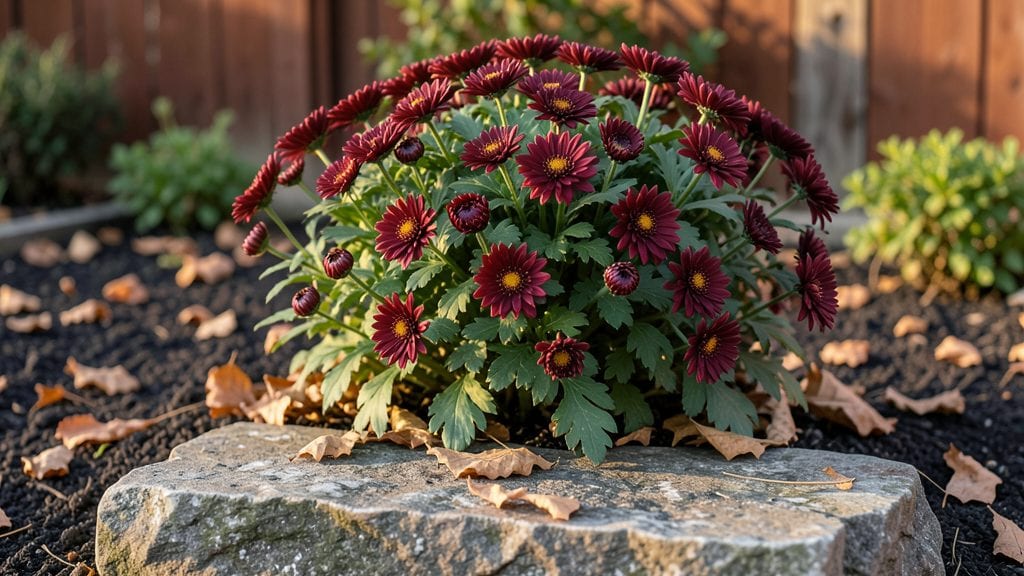
Creating fall flower arrangements for outside that survive crisp air and occasional rain is easier than you think—and the payoff is stunning. 🌿 I learned this the hard way last October when my delicate summer blooms wilted in a single chilly morning.
The secret? Choosing the right flowers and arranging them with weather in mind.
Start with durable, seasonal picks like chrysanthemums, sunflowers, and ornamental grasses—they handle autumn’s mood swings effortlessly. Pair them with sturdy containers (clay, metal, or woven baskets) that won’t crack in temperature shifts. A little extra space between stems lets air circulate, keeping stems fresh longer.
Your arrangements will become the star of your outdoor space, adding warmth and texture even as leaves change color. Picture deep burgundy dahlias against golden grass, or sunflowers nodding in a rustic window box.
With the right care, these displays stay vibrant for weeks, turning your patio or porch into a seasonal showstopper.
We’ll cover everything from container choices to weatherproofing tricks—so your fall arrangements don’t just survive, they thrive. Let’s get started with the foolproof techniques that make all the difference in autumn’s unpredictable weather.
📚 In This Guide
- What you need
- Instructions
- Tips and common mistakes
- Wrapping up and next steps
What you need
- ● Flowers: 1-2 bunches of seasonal favorites like chrysanthemums, dahlias, or sunflowers (5-10 stems per type)
- ● 1 bunch of evergreen filler (eucalyptus, pine, or magnolia leaves, ~10 stems)
- ● 1 bunch of textural accents (dried grasses, wheat stalks, or corn husks, ~5-8 stems)
- ● Container: 1 durable outdoor vessel (terracotta pot, galvanized bucket, or wooden crate—12"+ diameter for larger arrangements)
- ○ Optional: Waterproof liner (plastic or burlap) for moisture control
- ● 1 pair of sharp floral shears (or clean scissors)
- ● 1 bucket of fresh water (for hydrating stems)
- ○ 1 floral preservative (optional but extends life—follow package instructions)
- ● 1 spray bottle with water (for misting dried elements)
- ○ Optional: Twine, hot glue gun, or floral tape (for securing stems)
- ● ☀️ Morning timing: Harvest flowers early (before sun peaks) for peak freshness.
- ● 🌧️ Weather prep: Choose a sheltered spot (under a porch awning or pergola) if heavy rain is forecasted.
- ● ⏳ Patience: Allow 30-45 minutes for cutting, arranging, and securing stems.
Step-by-Step guide to creating resilient fall outdoor flower arrangements
Here's how to craft arrangements that survive autumn's chill while keeping their charm.
🌿 Step 1: Select Cold-Hardy Flowers and Foliage
Choose plants that thrive in 40-50°F temperatures and can handle light frosts. I recommend mums (Chrysanthemums), asters, sedum, and ornamental grasses like fountain grass or maiden grass for structure. Add evergreen foliage—like boxwood, holly, or pine—so arrangements stay lush even as flowers fade. Avoid delicate summer blooms like geraniums or petunias; they'll crisp in cool nights.
Look for flowers with strong stems (at least 12-18 inches long) and compact blooms that won’t flop under autumn rains. I like to mix three types of flowers with two types of foliage for balanced texture. Harvest stems early in the morning when they’re fully hydrated—this ensures they last longer in arrangements.
🪴 Step 2: Prepare Containers and Support Structures
Use durable, weather-resistant containers like fiberglass, ceramic, or galvanized metal (avoid plastic—it warms up too much in sun and can scorch roots). For large arrangements, add hidden support structures like wire cages or bamboo stakes to prevent stems from bending under wind or rain. I like to pre-drill drainage holes if using heavy containers, so water doesn’t pool and rot stems.
Line the base of the container with sphagnum moss or gravel to improve drainage and prevent soil compaction. This is especially important for fall arrangements, which may sit in damp conditions. Fill the container halfway with moistened potting mix (not garden soil—it compacts and suffocates roots). Tap the container gently to settle the soil before adding plants.
✂️ Step 3: Arrange for Wind and Rain Resistance
Start by placing taller stems in the center of the container, fanning them outward for stability. Weave ornamental grasses or sturdy foliage around the edges to create a natural windbreak. I like to trim stems at an angle (about 45 degrees) just above a leaf node to encourage water uptake. Remove any lower leaves that might sit in water, as they’ll rot quickly in autumn’s humidity.
Fill gaps with shorter, bushier flowers like sedum or asters, arranging them so blooms face outward for maximum visual impact. Press stems gently into the soil, then water deeply until moisture seeps from the drainage holes. This ensures roots establish quickly before cooler nights set in. Avoid overcrowding—plants need airflow to prevent fungal diseases like powdery mildew.
💧 Step 4: Maintain and Protect Through the Season
Water arrangements every 2-3 days until the soil feels dry to the touch 1 inch below the surface. In fall, mornings are best to avoid evening moisture that can encourage rot. I like to mulch the surface with a thin layer of pine needles or shredded bark to insulate roots and retain moisture. This is especially helpful if frost is forecasted—it buys you extra time before flowers fade.
Fertilize lightly with a balanced, slow-release fertilizer (like 10-10-10) at planting, but avoid heavy feeding later in the season. Too much nitrogen encourages soft, weak growth that won’t survive autumn’s chill. Watch for chewed leaves—slugs and snails love tender fall foliage. I set out beer traps (a shallow dish of beer) near arrangements to deter pests without chemicals.
☀️ Step 5: Extend Beauty with Seasonal Swaps
As flowers fade, swap out spent blooms with late-season favorites like pansies, kale, or hellebores, which thrive in cooler weather. These plants add color and texture without requiring full sun, making them perfect for autumn containers. I like to rotate arrangements every 4-6 weeks to keep the display fresh and prevent soil depletion.
By late fall, transition to evergreen shrubs like boxwood or ivy for structure, paired with dried grasses or ornamental berries for winter interest. These elements keep containers looking intentional even when flowers are dormant. Store containers in a sheltered, dry spot over winter, and refresh the soil in spring for a new season of growth.
Tips & tricks for perfect fall outdoor flower arrangements
These simple yet game-changing tips will help your autumn arrangements stay vibrant and resilient through the season.
Selection Strategy: When choosing your cold-hardy flowers, prioritize plants with thick, waxy leaves like sedum or ornamental grasses—they naturally resist moisture and wind damage. I always look for blooms with compact clusters rather than single stems, as they hold up better in autumn's breezes. For extra durability, select flowers with deeply colored petals (like burgundy mums or deep purple asters) as they tend to have thicker cell walls that withstand cooler temperatures.
Container Engineering: The secret to weatherproof arrangements lies in your container's design. For windy locations, choose low, wide containers that create natural windbreaks. If using tall arrangements, secure them to stakes or place them against walls to prevent tipping. I've found that glazed ceramic containers actually perform better than metal in prolonged rain—they don't conduct cold as quickly and provide better insulation for roots. Always test your container's drainage by filling it with water before planting; if it doesn't drain within 10 minutes, modify it or choose a different container.
Stem Preparation Technique: The 45-degree angle stem cut mentioned in Step 3 is crucial, but here's what nobody tells you: score the bottom inch of each stem with a sharp knife before planting. These tiny cuts create more surface area for water absorption, which is especially important for fall arrangements that may face inconsistent watering due to cooler weather. I also recommend soaking all stems in room-temperature water mixed with a few drops of hydrogen peroxide for 30 minutes before arranging—this helps prevent bacterial growth in the water and keeps stems fresh longer.
Seasonal Transition Hack: When it's time to swap out spent blooms (as mentioned in Step 5), don't discard the old foliage completely. Instead, dry the stems and use them as winter filler in future arrangements. Bundle 5-6 stems together, wrap with twine, and hang upside down in a dry, dark place for 2-3 weeks. These natural dried elements add beautiful texture to late fall and winter displays while extending the life of your original plants.
Pro Tips for Fall Flower Arrangements For Outside
- These simple yet game-changing tips will help your autumn arrangements stay vibrant and resilient through the season.
- Selection Strategy: When choosing your cold-hardy flowers, prioritize plants with thick, waxy leaves like sedum or ornamental grasses—they naturally resist moisture and wind damage.
- Container Engineering: The secret to weatherproof arrangements lies in your container's design.
Frequently asked questions
What are the best flowers for outdoor fall arrangements that last?
Opt for hardy blooms like mums, sunflowers, dahlias, hydrangeas, and ornamental grasses. These thrive in cooler temps and resist wilting. Add evergreens (eucalyptus, pine) for structure and seasonal contrast. Pro tip: Skip delicate flowers like roses—they won’t hold up in wind or rain!
How long will my outdoor fall arrangement last before it wilts?
With proper care, arrangements can last 7–14 days outside. Use floral preservatives in water, trim stems at an angle, and place them in partial shade to slow wilting. Troubleshoot: Refresh water every 2–3 days and remove fallen leaves to prevent bacterial growth.
Can I use fake flowers for outdoor fall arrangements?
Silk or weatherproof faux flowers are ideal for outdoor displays—they won’t wilt, fade, or attract pests. Look for UV-resistant materials and secure them with waterproof floral tape or hot glue. Bonus: They’re perfect for high-traffic areas like porches or patios!
How do I protect my fall flowers from rain or frost?
Position arrangements under awnings, pergolas, or covered porches to shield them from heavy rain. For frost-prone areas, choose evergreen foliage or wrap arrangements in breathable burlap at night. Quick fix: Elevate containers slightly to prevent waterlogging.
What’s the easiest way to arrange fall flowers for beginners?
Start with the odd-number rule (3, 5, or 7 stems) for balance. Place the tallest blooms in the center, shorter ones around them, and fill gaps with foliage. Use floral wire or twine to secure stems loosely. Beginner hack: Mimic nature—let stems flow naturally instead of forcing symmetry!
Wrapping up and next steps
Transforming your outdoor space with fall flower arrangements is all about embracing seasonal beauty while keeping things simple and durable. Whether you’re using hardy mums, rich dahlias, or rustic pumpkins, these arrangements bring warmth and charm to your patio or garden—without the fuss of high-maintenance blooms. 🍂✨
Now that you’re armed with the right materials and tips, it’s time to get creative! Start small with a single planter or go bold with a full seasonal display. Don’t forget to share your masterpiece—tag us or inspire others with your outdoor oasis!