
Flowers
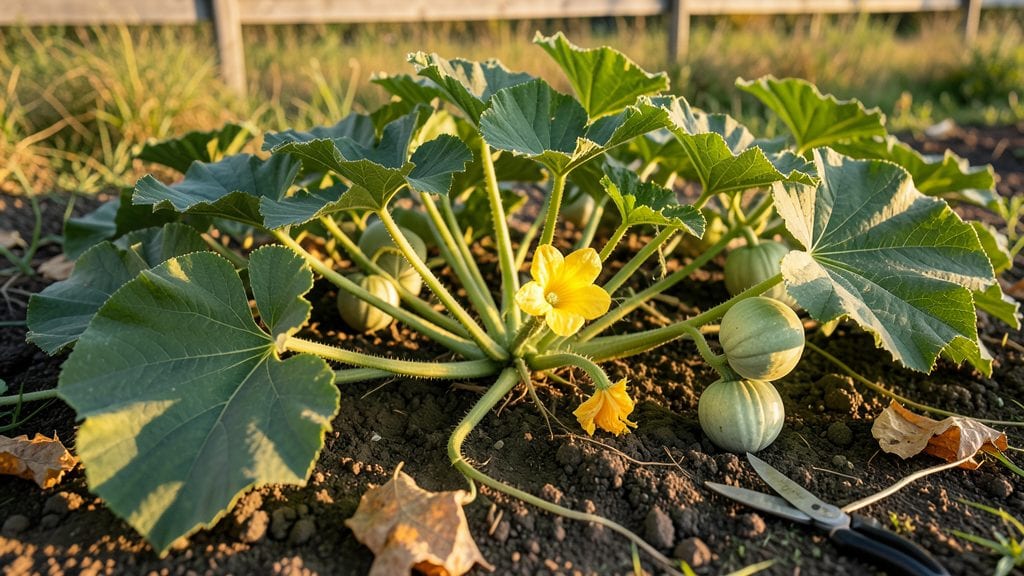
Those delicate female pumpkin flowers are the secret to your harvest—and they’re easier to spot than you think. 🌱 I’ve grown pumpkins for years, and the moment I learned to identify the female flowers changed everything about how I cared for my vines.
No more guessing games or wasted energy on male blooms that never produce fruit.
The trick is simple: female flowers grow directly from leaf nodes and have a tiny pumpkin-shaped bulge at their base. Male flowers, by contrast, grow on long stems and lack that little fruit bump.
Once you recognize them, you can focus your energy on encouraging more female blooms—whether by adjusting water, nutrients, or even hand-pollinating when bees are scarce.
With the right approach, you’ll end up with a vine loaded with edible blooms and plump pumpkins. The flowers themselves are sweet, tender, and perfect for salads or frying, while the vines stay productive for weeks. No fuss, just flavor—and a garden that actually delivers on its promise.
This works for both bush and vining pumpkins, whether you’re growing in ground or containers. Let’s get those female flowers thriving so your harvest doesn’t just meet expectations—it exceeds them.
📚 In This Guide
- What you need
- Instructions
- Tips and common mistakes
- Wrapping up and next steps
What you need
- ● Pumpkin seeds: Choose a variety known for edible flowers (e.g., Cucurbita pepo or Cucurbita maxima). Start with 3–5 seeds for a small harvest.
- ● Growing containers or garden bed: For containers: 5-gallon pots or larger (minimum 12 inches deep) with drainage holes.
- ● For in-ground: A sunny spot with loose, well-draining soil (pumpkin vines need space—aim for 50+ square feet per plant!).
- ● Potting mix or garden soil: Rich in organic matter (compost or aged manure works great). Avoid heavy clay soil.
- ● Fertilizer: Balanced fertilizer (10-10-10) at planting time.
- ● Compost tea or liquid fish emulsion every 2–3 weeks during the growing season.
- ● Watering can or hose with a gentle spray nozzle: Pumpkin flowers need 1–2 inches of water per week (more in extreme heat).
- ○ Trellis or sturdy stakes (optional but helpful): Pumpkin vines can grow 10+ feet long—support them to save space and improve airflow.
- ● Pruning shears: For trimming vines and encouraging bushier growth.
- ○ Row covers or lightweight fabric (optional): Protect young plants from pests like squash bugs or early frost.
- ● 🌡️ Warmth is key: Pumpkin seeds germinate best in soil temperatures above 70°F (21°C). Use a heat mat if starting indoors.
- ● ✨ Female vs. male flowers: Female flowers have a tiny pumpkin at their base—harvest these first for the sweetest blooms!
- ● 🎯 Sunlight: Place your pumpkins in a spot with full sun (6–8 hours daily) for the healthiest, most vibrant flowers.
Step-by-Step instructions for growing female pumpkin flowers
Here's how to coax those sweet, edible female pumpkin blooms with minimal fuss.
🌱 Step 1: Choose and Plant Healthy Pumpkin Seedlings
Start with disease-free pumpkin seedlings from a reputable nursery. Look for plants with 4-5 true leaves and sturdy stems. I always opt for bush varieties like 'Jack Be Little' or 'Waltham Butternut'—they produce female flowers earlier and stay more manageable than vining types.
Plant your seedlings after the last frost when soil temperatures reach 70°F or warmer. Dig holes twice as wide as the root ball but only as deep. This ensures roots spread out immediately rather than sitting compacted. Space plants 3-4 feet apart in rows 6 feet apart to allow for proper air circulation.
☀️ Step 2: Provide Consistent Sun and Water
Female pumpkin flowers thrive in full sun—at least 6-8 hours daily. I've found that morning sun is especially important because it helps dry dew off the leaves, reducing fungal risks. If your summers get humid, position plants where they get afternoon shade to prevent heat stress.
Water deeply 2-3 times per week, aiming for 1-2 inches of water per week. The key is consistency—pumpkins hate drying out but also despise soggy soil. You'll know you're doing it right when the soil feels damp 3-4 inches down between waterings. Mulch with 2-3 inches of straw or shredded leaves to retain moisture and keep roots cool.
🌿 Step 3: Identify and Support Female Flowers
Female pumpkin flowers are easier to spot than you think. Look for blooms with a tiny, bulbous base where the flower meets the stem—that's the future pumpkin. Male flowers have long stems and no swelling. I always check new blooms in the morning when they're freshest and easiest to identify.
To encourage more female flowers, I pinch off the first few male blooms that appear. This redirects the plant's energy toward producing female flowers. Once you identify a female bloom, gently tie it to a small stake using soft plant ties. This prevents the heavy fruit from snapping the stem later on.
💧 Step 4: Hand-Pollinate for Maximum Blooms
Even with bees around, hand-pollination boosts your chances of edible female flowers. On a dry morning, gently open a female bloom and use a small paintbrush to transfer pollen from male flowers. I do this for about 3-5 female blooms per plant to ensure good fruit set without overburdening the plant.
After pollination, watch for the flower to wilt and drop off within 24-48 hours. This signals successful pollination and the start of fruit development. Remove any unfertilized female blooms to save the plant's energy for the ones that will produce pumpkins. This also prevents the plant from getting overwhelmed and stopping flower production entirely.
✂️ Step 5: Maintain and Harvest Blooms
Harvest female pumpkin flowers in the morning when they're fully open but still tender. Use clean scissors to cut the stem at a 45-degree angle about 1 inch below the bloom. This encourages new blooms to form and prevents disease from entering the stem.
Use your blooms immediately or store them in the refrigerator for up to 3 days. For longer storage, gently pat them dry and place them in a paper bag in the crisper drawer. You'll know they're ready to use when the petals are fully unfurled and the center is still bright and fresh. I always save a few to let them develop into pumpkins—it's a fun surprise to see what grows from those delicate flowers!
Tips & tricks for growing female pumpkin flowers
A few simple strategies will help you maximize those edible blooms without the fuss.
Sunlight Strategy: The 6-8 hours of full sun in Step 2 is non-negotiable, but here's the thing: position your plants so they get morning sun first. This helps dew dry off leaves faster, which dramatically reduces powdery mildew risk—my biggest enemy when growing pumpkins. In humid climates, afternoon shade becomes your best friend after those critical morning hours.
Watering Wisdom: Those 2-3 waterings per week need to be deep and consistent. I've learned the hard way that pumpkins hate soggy soil, but they also won't forgive you for letting them dry out. Test soil moisture by sticking your finger 3-4 inches down—if it's dry, water thoroughly. The mulch layer in Step 2 helps maintain even moisture, but don't skip it in hot weather.
Flower Identification Hack: When checking for female flowers in Step 3, I've found that morning is the absolute best time. The blooms are fully unfurled and easier to examine. Pro tip: Look for that little bulbous base where the flower meets the stem—it's your telltale sign. I keep a small notebook by my plants to track which blooms I've already identified, so I don't accidentally pinch off a female flower thinking it's male.
Pollination Pro Tip: For hand-pollination in Step 4, I've discovered that a clean makeup brush works perfectly for transferring pollen. Just make sure to use a dry brush on a dry morning—moisture can interfere with pollen transfer. I limit myself to 3-5 flowers per plant to avoid overwhelming the plant, but I've found that even this small amount significantly increases my harvest of edible blooms.
Pro Tips for Female Pumpkin Flower
- A few simple strategies will help you maximize those edible blooms without the fuss.
- Sunlight Strategy: The 6-8 hours of full sun in Step 2 is non-negotiable, but here's the thing: position your plants so they get morning sun first.
- Watering Wisdom: Those 2-3 waterings per week need to be deep and consistent.
Frequently asked questions
Got questions about growing and using female pumpkin flowers?
You’re not alone! Here are answers to the most common curiosities—from timing to troubleshooting—so you can enjoy these edible blooms with confidence.
What’s the difference between male and female pumpkin flowers?
Female pumpkin flowers have a tiny swollen ovary at their base (the future pumpkin!), while males lack this bump. Only female blooms are edible—save them for cooking or garnishes! Pro tip: Snip flowers early in the morning for peak freshness.
How long does it take for female pumpkin flowers to appear?
Female flowers typically emerge 3–4 weeks after pollination, once vines are established (usually 4–6 weeks post-planting). Warm soil (70°F+) and consistent watering speed this up. Troubleshooting: If blooms are slow, check for pests or nutrient deficiencies.
Can I eat female pumpkin flowers raw, or do I need to cook them?
Yes! They’re edible raw—add them to salads for a peppery crunch—but cooking (sautéing, frying) enhances their flavor. Remove stamens first to avoid bitterness. Safety note: Always confirm your pumpkin variety is edible (e.g., ‘Jack Be Little’ or ‘Sugar Pie’).
What if my female flowers wilt or drop before I can use them?
Wilting is normal—flowers last 1–2 days post-opening. To extend life, harvest early (bud stage) and store in a damp paper towel in the fridge. Quick fix: Rehydrate in cold water for 30 mins before cooking.
Are there alternatives if I don’t have pumpkin flowers?
Try squash blossoms (same family), nasturtiums (edible and peppery), or violas for similar garnishes. For a pumpkin-like flavor, use roasted pumpkin seeds or fresh pumpkin purée.
Wrapping up and next steps
Growing female pumpkin flowers is a rewarding journey that brings beauty, edibility, and a touch of whimsy to your garden! 🌸 These vibrant blooms are not only stunning but also a delicious bonus—perfect for salads, garnishes, or even cocktails.
With minimal effort and the right conditions, you can enjoy their charm year after year.
Now that you’re armed with the knowledge to nurture these flowers, why not take the next step? Plant a few seeds today and watch your garden transform into a haven for pollinators and gourmet delights. Happy growing—your future harvest (and taste buds!) will thank you. 🌱✨