
Flowers
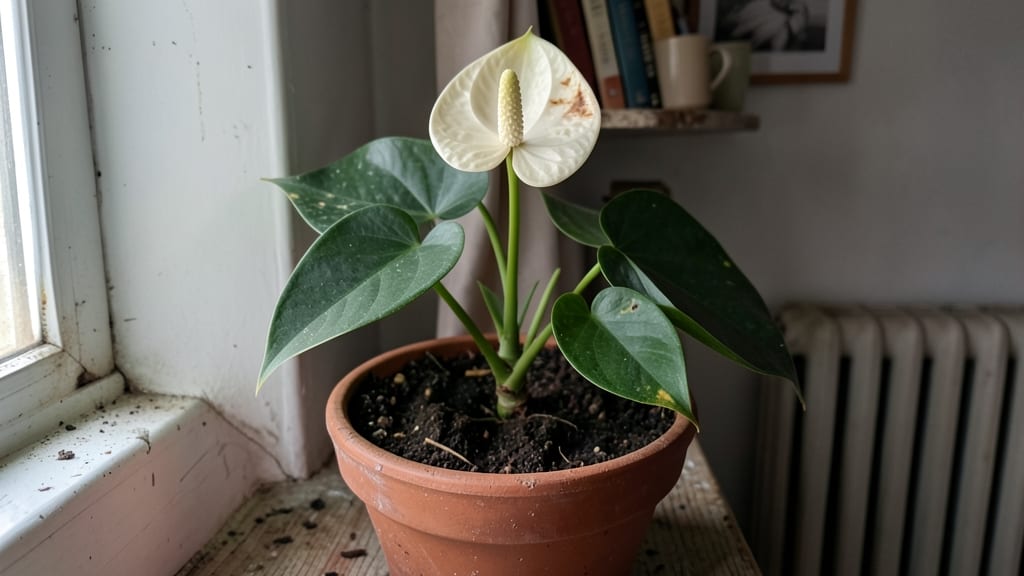
A flower in home instantly brightens your space—no greenhouse required—so I’ve turned my living room into a seasonal display using simple vases and low-maintenance varieties that thrive in indoor light. 🌸 The key isn’t expensive setups but choosing the right flowers and keeping them fresh longer than store-bought bouquets.
Start with easy-care blooms like peace lilies, jasmine, or snapdragons—all of which tolerate indoor conditions better than fussy roses. A basic glass vase with clean water and a snip at the stems extends their life for 1-2 weeks, while adding a drop of bleach keeps the water crystal clear.
Even artificial light helps, so a sunny windowsill or grow light makes all the difference.
You’ll end up with rooms that smell like a meadow at dusk, not just look pretty. The right arrangement adds height, color, and fragrance without overwhelming the space—think trailing ivy mixed with tall calla lilies for drama. Plus, swapping out flowers seasonally keeps the look fresh year-round.
Works for apartments, offices, or even bathrooms—anywhere you want to wake up to color and scent. Here’s how to make it last longer than your average bouquet.
📚 In This Guide
- What you need
- Instructions
- Tips and common mistakes
- Wrapping up and next steps
What you need
- ● Fresh-cut flowers (3-5 stems per arrangement, depending on size): Roses 🌹 (1-2 stems for romance)
- ● Lilies 🌺 (1 stem for bold fragrance)
- ● Peonies 🌼 (2-3 stems for lush volume)
- ● Baby’s breath (5-10 stems for texture)
- ● Floral foam (1 block, 4" x 4" x 2" or larger, depending on vase size)
- ● Scissors or floral shears (sharp, clean pair for clean cuts)
- ○ Floral preservative (1 packet or liquid, optional but recommended for longevity)
- ● Water (room-temperature, enough to fill vase or foam)
- ● Vase or container (glass, ceramic, or any waterproof material; height/width should match your vision)
- ● Rubber bands or floral tape (to secure stems if needed)
- ● Newspaper or wet paper towels (to line workspace and prevent mess)
- ○ Decorative elements (optional): Ribbon or twine 🎀 (for wrapping stems)
- ● Greenery (eucalyptus, ferns, or ivy for texture)
- ● Small pebbles or floral picks (for added flair)
- ● Choose flowers in peak bloom for the longest-lasting arrangement. 🌡️
- ● Trim stems at an angle (about 1-2 inches) to improve water absorption. ✨
- ● Replace water every 2-3 days to keep blooms fresh and vibrant. 💧
Step-by-Step guide to choosing and caring for fragrant indoor flowers
Transform your space with these easy-care blooms that fill your home with natural scent.
🌱 Step 1: Select the Right Fragrant Varieties for Your Space
Start with plants that thrive indoors and release their best fragrance in low-light conditions. Jasmine, gardenias, and African violets are my top picks—they're hardy, produce intoxicating scents, and adapt well to indoor environments. Avoid heavy bloomers like roses or lilacs unless you have a sunroom, as they need more light and air circulation to stay fragrant.
Check the plant's care tag for light requirements. Most fragrant indoor flowers prefer bright, indirect light—place them near an east-facing window where they get morning sun without harsh afternoon rays. If your home has dim lighting, opt for varieties like peace lilies or orchids that tolerate lower light levels while still emitting subtle, pleasant aromas.
🪴 Step 2: Prepare the Right Containers and Soil Mix
Use pots with drainage holes to prevent root rot, which can suffocate plants and kill their scent glands. Terra cotta pots work best because they breathe—evaporative cooling helps maintain the right moisture levels for fragrant blooms. For each plant, choose a container that's 2-3 inches wider than the root ball to allow room for growth without overwhelming the plant.
Fill the pot with a well-draining peat-based potting mix enriched with perlite or vermiculite. Avoid garden soil—it compacts easily and traps moisture, leading to fungal issues that dull a plant's fragrance. Mix in a slow-release fertilizer (like 5-10-5) at planting time to give your flowers a nutrient boost without overloading them. Water the soil lightly before planting to help roots settle into the mix.
💧 Step 3: Plant and Establish for Optimal Fragrance
Gently remove the plant from its nursery pot and loosen the roots if they're tightly bound. Place it in the center of the new pot and fill the sides with soil, pressing lightly to eliminate air pockets. Water immediately after planting—this helps the soil settle and encourages root contact with moisture. Avoid overwatering; fragrant plants like jasmine and gardenias prefer slightly drier conditions to develop strong, aromatic blooms.
Place your new plant in its chosen spot and wait 7-10 days before fertilizing again. This gives the roots time to adjust without competing with nutrients. Watch for new leaves or buds—this is your signal that the plant has acclimated. If you notice yellowing leaves, reduce watering slightly; fragrant plants often wilt slightly before they need water, so check the top 1-2 inches of soil before watering again.
☀️ Step 4: Maintain Light, Water, and Humidity for Continuous Scent
Most fragrant indoor flowers thrive with 6-8 hours of indirect light daily. Rotate the pot a quarter turn weekly to ensure even growth and prevent the plant from leaning toward the light source. If you notice leggy stems or sparse blooms, your plant needs more light—move it closer to a window or supplement with a grow light for 12-14 hours per day.
Keep humidity levels between 40-60% for optimal fragrance. Mist the leaves lightly in the morning or place the pot on a tray filled with pebbles and water to create a natural humidifier. Avoid placing fragrant plants near drafts, vents, or direct heat sources—these can dry out the leaves and weaken scent production. Prune spent blooms regularly to encourage new growth and maintain a steady cycle of fragrant flowers.
✂️ Step 5: Prune and Revitalize for Long-Lasting Blooms
Trim back leggy stems or overgrown foliage to redirect the plant's energy into producing more fragrant blooms. Use clean, sharp scissors to cut just above a leaf node or bud, and avoid cutting into woody stems. For plants like jasmine or gardenia, prune after flowering to shape the plant and encourage bushier growth. Deadhead spent blooms weekly to prevent seed formation and promote continuous flowering.
Every 3-4 months, repot your fragrant flowers if they've outgrown their container. Choose a pot only 1-2 inches larger than the current one to avoid overwhelming the plant with excess soil. Refresh the potting mix with a new batch of well-draining soil and a slow-release fertilizer. This revitalizes the plant and ensures it keeps producing those intoxicating scents for years to come.
Tips & tricks for perfect fragrant indoor blooms
Here's what I've learned from years of keeping fragrant flowers thriving indoors—these little details make all the difference.
Light Placement Matters: In Step 1, when choosing your spot, remember that east-facing windows provide perfect morning light without the harsh afternoon sun that can scorch leaves. If you notice your jasmine or gardenia stretching toward the light (a sign of legginess), it's time to move it closer to the window or supplement with a grow light for those crucial 6-8 hours of indirect light. The key is bright but diffused light—think of it as a gentle sunbath rather than a tanning session.
Root Care is Everything: After planting in Step 3, pay special attention to the roots. When you loosen tightly bound roots, be gentle—you're not trying to untangle a knotted sweater. The goal is to encourage outward growth into the new soil. I've found that adding a handful of perlite to the potting mix helps prevent root rot, which is especially important for scent glands. Water immediately after planting to help settle the soil around those delicate roots without drowning them.
Humidity Hack for Stronger Scents: Most people forget that fragrance production thrives in humidity levels between 40-60% (mentioned in Step 4). If your home runs dry, try this trick: Place your fragrant plants on a tray filled with pebbles and water. As the water evaporates, it creates a natural humidifier right at plant level. I've seen gardenias that were barely fragrant transform into scent powerhouses after implementing this simple setup. Just make sure the pot isn't sitting directly in water—roots need air too!
Pruning Strategy for Continuous Blooms: When pruning in Step 5, think of it as redirecting energy. Always cut just above a leaf node or bud—this is where new growth will emerge. For plants like jasmine, I've found that pruning after flowering encourages bushier growth and more abundant blooms next season. And here's a pro tip: Save those spent blooms! Dry them between pages of a book to preserve their fragrance for potpourri later.
Pro Tips for Flower In Home
- Here's what I've learned from years of keeping fragrant flowers thriving indoors—these little details make all the difference.
- Light Placement Matters: In Step 1, when choosing your spot, remember that east-facing windows provide perfect morning light without the harsh afternoon sun that can scorch leaves.
- Root Care is Everything: After planting in Step 3, pay special attention to the roots.
Frequently asked questions
Got questions about bringing fragrant blooms into your home? Here are some of the most common ones—and their answers—to help you create a fresh, flower-filled space with ease!
What are the best low-maintenance flowers for beginners?
Start with snake plants, ZZ plants, or peace lilies—they thrive with minimal care and add subtle fragrance. For blooms, try jasmine or lavender; they’re hardy and emit sweet scents without fuss. Just ensure they get indirect light and occasional watering!
How often should I water cut flowers in a vase?
Change the water every 2–3 days to prevent bacteria buildup, and trim stems at an angle before placing them in fresh water. Add a drop of bleach or flower food to extend their life by 3–5 days. Avoid overwatering—soggy stems rot faster!
Are there affordable alternatives to fresh-cut flowers?
Dried flowers (like lavender or roses) last months and add rustic charm. Preserved flowers (spray-painted or glycerin-soaked) mimic fresh blooms without wilting. Even houseplants (e.g., orchids or gardenia) offer long-term fragrance for a fraction of the cost.
Why do my flowers wilt so quickly?
Wilting often stems from bacteria in dirty water, overcrowding in the vase, or ethylene gas (released by ripe fruit nearby). Fix it by:
- Using cooled, filtered water (not tap water).
- Trimming stems under running water.
- Removing leaves submerged in water.
- Avoiding placing flowers near apples, bananas, or onions.
Can flowers really improve indoor air quality?
Yes! NASA studies show spider plants, aloe vera, and peace lilies filter toxins like benzene and formaldehyde. Fragrant picks like rosemary or eucalyptus also boost humidity and reduce stress. Just ensure your space has good airflow—no stuffy corners!
Wrapping up and next steps
Bringing fragrant flowers into your home isn’t just about beauty—it’s about transforming your space into a sanctuary of freshness and joy. 🌸 Whether you’re a seasoned plant parent or just starting, these blooms can elevate your mood, purify the air, and create a calming atmosphere with minimal effort.
Now’s the perfect time to pick a few favorites, get creative, and let nature work its magic in your home.
Ready to bloom where you’re planted? Start small—try one fragrant variety this week, or turn a corner into a floral oasis. Your home (and senses) will thank you! 🌿