Flowers
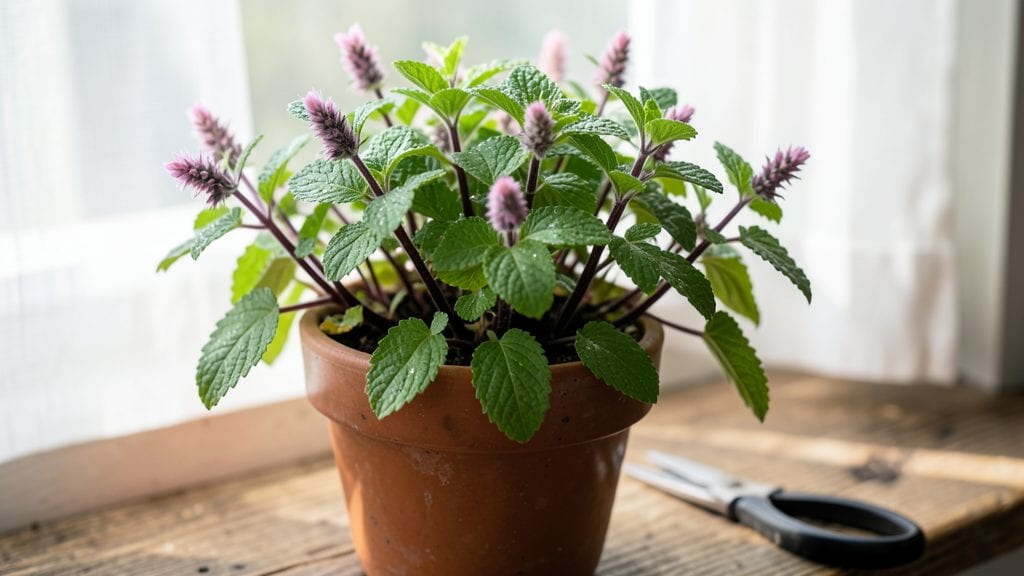
Strawberry mint flowers bring a shockingly lush mix of pink, white, and purple blooms to containers while filling the air with a candy-like fragrance. 🌸 I’ve used them to transform ordinary pots into fragrant, edible centerpieces that double as pollinator magnets.
The secret lies in pairing them with the right companions—think thyme, borage, or even nasturtiums—to create a self-sustaining, low-maintenance display.
This isn’t just about pretty flowers—it’s a foolproof way to grow something useful and beautiful. Strawberry mint thrives in partial shade, making it perfect for patios or balconies where full sun would scorch other herbs.
The flowers are edible, adding a subtle minty note to teas or desserts, while the foliage deters pests naturally. You’ll get three-season interest from the same plant: fragrant leaves in spring, delicate blooms in summer, and even occasional winter greenery in mild climates.
By the time summer peaks, your containers will be overflowing with vibrant, honey-scented blooms that attract bees and butterflies. The key is keeping the roots cool and the soil consistently moist—no fancy equipment needed.
Pair it with trailing plants like creeping thyme or variegated sweet potato vine to create a spillover effect that softens edges and invites closer inspection. The results? A garden that’s as practical as it is pretty.
Works equally well in 5-gallon pots or large window boxes, and the same principles apply whether you’re designing a pollinator haven or a fragrant herb garden. The only rule?
Don’t let it spread too aggressively—contain those roots before they take over the yard. Ready to turn your containers into living works of art?
📚 In This Guide
- What you need
- Instructions
- Tips and common mistakes
- Wrapping up and next steps
What you need
- ● Strawberry mint plants – 3–5 healthy plants (look for ones with vibrant green leaves and fresh growth). Pro tip: Start with organic, disease-free plants for the best results! 🌱
- ○ Containers – 3–5 medium-sized pots (10–12 inches in diameter) with drainage holes. Optional: Self-watering pots for low-maintenance care.
- ● High-quality potting mix – 1 bag of well-draining, peat-free mix (or a blend of 60% potting soil + 40% perlite/sand for extra aeration).
- ○ Slow-release fertilizer – 1 packet of organic, balanced fertilizer (10-10-10 or similar). Optional: Liquid seaweed extract for a nutrient boost.
- ● Mulch – 1–2 inches of organic mulch (e.g., shredded bark or coconut coir) to retain moisture and suppress weeds.
- ● Gloves – 1 pair of gardening gloves (to protect your hands from mint’s strong aroma and sharp stems).
- ● Pruning shears – A small pair for trimming stems and encouraging bushier growth.
- ● Watering can or spray bottle – For gentle, even hydration (mint dislikes soggy roots!).
- ○ Trellis or small stakes – Optional: If your mint grows tall, a mini trellis can help support the stems and flowers.
- ○ Sunlight tracker – Optional: A small light meter or app to monitor sun exposure (strawberry mint thrives in partial shade).
- ● A sunny or partially shaded spot (4–6 hours of indirect light daily).
- ● Access to clean water (mint loves consistent moisture but hates waterlogging!).
- ● Patience! Strawberry mint flowers may take 6–8 weeks to bloom from seed or 4–6 weeks from a young plant. Pro tip: Pinch back flowers as they fade to encourage more blooms! ✨
Step-by-step guide to growing strawberry mint flowers in containers
Here's how I cultivate lush, fragrant strawberry mint blooms that thrive in pots and double as edible garnishes.
🌱 Step 1: Select and Prepare the Right Container
Choose a container with drainage holes that's at least 6 inches deep—strawberry mint spreads quickly and needs room to establish roots. I use 8-inch terra cotta pots because they breathe well and prevent root rot. Fill the bottom with 1-2 inches of gravel or broken pottery to ensure excess water drains away from the roots.
Strawberry mint prefers well-draining soil, so mix 2 parts potting mix with 1 part perlite or coarse sand. This prevents soggy soil, which can lead to fungal issues. Tap the pot gently after filling to settle the mix without compacting it—you want a light, airy medium that encourages root spread.
🌿 Step 2: Plant Strawberry Mint Starts or Seeds
If using seeds, sow them ¼ inch deep in early spring after the last frost. Strawberry mint seeds germinate best in warm soil (70-75°F). I cover the pot with plastic wrap to retain moisture and place it in a bright, indirect light spot until sprouts appear—usually within 10-14 days. Remove the plastic as soon as you see the first true leaves to prevent damping-off.
For faster results, plant nursery starts 2-3 inches apart in the container. Gently press the soil around the roots to eliminate air pockets, then water deeply until moisture reaches the bottom. Avoid wetting the leaves to prevent fungal spores from settling. Strawberry mint spreads aggressively, so trim back any runners that spill over the pot's edges to keep the plant contained.
☀️ Step 3: Provide Optimal Light and Water
Strawberry mint thrives in partial shade to morning sun—too much direct afternoon sun can scorch the leaves and flowers. Place your container where it gets 4-6 hours of gentle sunlight daily, like near a north- or east-facing window. If growing outdoors, a dappled shade spot under trees works perfectly.
Water when the top inch of soil feels dry—about once every 2-3 days in warm weather. Let excess water drain completely before adding more; strawberry mint roots rot easily in soggy conditions. During blooming season, increase water slightly to support flower production, but never let the soil stay waterlogged.
✂️ Step 4: Prune and Encourage Blooms
Pinch back the tips of new growth when plants reach 4-6 inches tall to encourage bushier, more compact plants. This also redirects energy toward flower production. I remove any leggy stems that grow toward the light—these won’t flower as well and weaken the plant. Use clean, sharp scissors to make cuts just above a leaf node.
Deadhead spent flowers regularly by snipping off the blooms just above the next set of leaves. This prevents the plant from putting energy into seed production and encourages more fragrant blooms throughout the season. Harvest flowers in the morning when their scent is strongest—use them fresh in teas, salads, or as garnishes.
🪴 Step 5: Overwinter and Maintain Year-Round Growth
In colder climates, bring containers indoors before the first frost or mulch heavily with 2-3 inches of straw to insulate roots. Strawberry mint is hardy to Zone 5, but it grows best as a perennial in Zones 7-11. If growing in pots, reduce watering in winter but keep soil lightly moist—dormant plants need minimal care.
In spring, fertilize lightly with a balanced, water-soluble fertilizer (10-10-10) diluted to half strength. Over-fertilizing leads to lush foliage but fewer flowers. Divide crowded plants every 2-3 years to rejuvenate growth—simply lift the plant, separate the runners, and replant in fresh soil. This keeps your strawberry mint vigorous and flowering abundantly.
Tips & tricks for perfect strawberry mint blooms
Here's what nobody tells you about growing fragrant strawberry mint that'll make all the difference in your container garden.
Container Selection: Terra cotta pots aren't just for looks—they actually help regulate soil moisture and prevent fungal issues that can plague strawberry mint. If you don't have terra cotta, choose containers with drainage holes and consider adding a layer of broken terracotta pieces at the bottom for extra drainage. The 6-inch depth minimum is critical because strawberry mint spreads aggressively through its runners, and you want room for that vigorous growth without crowding.
Soil Mix Matters: That 2:1 ratio of potting mix to perlite isn't arbitrary—it creates the perfect balance of moisture retention and aeration strawberry mint craves. I've learned the hard way that skipping the perlite leads to compacted soil and root rot. For even better drainage, consider adding a handful of orchid bark to your mix. This helps prevent soggy soil while still retaining enough moisture for those delicate roots.
Germination Secrets: When sowing seeds, don't rush to remove that plastic wrap! The 10-14 day germination window can feel like forever, but patience pays off. Keep the soil consistently moist under the plastic—this creates a mini greenhouse effect that speeds up germination. Once those first true leaves appear, remove the plastic immediately to prevent damping-off disease, which can wipe out your seedlings overnight.
Light Management: The 4-6 hours of gentle sunlight recommendation is non-negotiable for vibrant blooms. Too much direct sun will scorch those delicate flowers, while too little means you'll get mostly leaves. I place my containers near east-facing windows where they get morning sun and afternoon shade. For outdoor growing, dappled shade under trees works perfectly—it mimics the plant's natural understory habitat.
Pro Tips for Strawberry Mint Flowers
- Here's what nobody tells you about growing fragrant strawberry mint that'll make all the difference in your container garden.
- Container Selection: Terra cotta pots aren't just for looks—they actually help regulate soil moisture and prevent fungal issues that can plague strawberry mint.
- Soil Mix Matters: That 2:1 ratio of potting mix to perlite isn't arbitrary—it creates the perfect balance of moisture retention and aeration strawberry mint craves.
Frequently asked questions
When is the best time to plant strawberry mint flowers?
Strawberry mint thrives in spring or early summer after the last frost. If you’re in a warm climate, you can also plant in early fall for a winter harvest. Avoid planting in extreme heat—it prefers partial shade to prevent wilting. For containers, ensure they’re at least 6 inches deep with drainage holes.
How do I encourage my strawberry mint to flower?
To get those pink, edible blooms, pinch back new growth in early spring to promote bushiness. Once flowers appear, deadhead spent blooms regularly to encourage more flowering. Strawberry mint also loves well-draining soil and moderate watering—overwatering can deter blooms. A light balanced fertilizer (10-10-10) every 4-6 weeks can help too!
Can I eat strawberry mint flowers, and how do I use them?
These delicate, fragrant flowers are 100% edible and taste like a mix of strawberry and mint. Use them to garnish cocktails, salads, or desserts, or infuse them in syrups, teas, or honey. Just rinse gently before using to remove dirt. Pro tip: Harvest in the morning when flavors are strongest!
Why aren’t my strawberry mint flowers opening?
If your flowers aren’t blooming, check these common issues:
- Not enough sunlight: Strawberry mint needs 4-6 hours of sun daily—move to a sunnier spot.
- Overcrowding: Thin out plants if they’re too dense; they need space to breathe.
- Nutrient deficiency: Feed with a low-nitrogen fertilizer to boost flowering.
- Heat stress: In hot climates, provide afternoon shade to prevent wilting.
What can I plant alongside strawberry mint for a fragrant container garden?
Strawberry mint pairs beautifully with:
- Lavender (repels pests and adds color)
- Chives (complementary flavors)
- Nasturtiums (edible and pest-resistant)
- Basil (enhances mint’s aroma)
Wrapping up and next steps
Growing strawberry mint flowers is a delightful way to add fragrant, edible beauty to your containers while enjoying a dual-purpose herb! These charming blooms bring a burst of color and a refreshing aroma, perfect for both culinary adventures and garden decor.
Whether you’re a seasoned gardener or a beginner, their low-maintenance nature makes them an easy and rewarding addition to any space.
Now that you’re equipped with the materials and answers to common questions, it’s time to roll up your sleeves and get planting! Start small—try a single container or a few pots—and watch your strawberry mint thrive.
Soon, you’ll be harvesting blooms for teas, garnishes, or simply admiring their cheerful presence. Happy gardening! 🌱✨