Watering
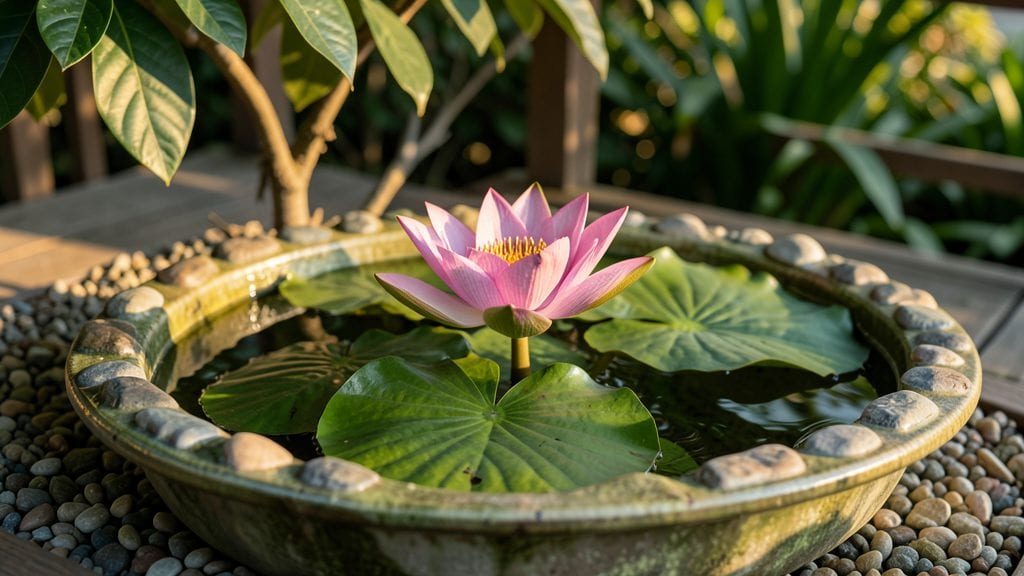
A flower pot water garden turns your balcony into a serene, self-sustaining oasis without needing a backyard. I started mine after watching my city plants wilt in the summer heat—until I realized how much life a simple water feature could bring.
The key is choosing the right containers, plants, and circulation to keep everything thriving with minimal effort.
You’ll need two to three large pots (at least 12 inches deep), a small water pump (or a solar-powered fountain), and plants like water lilies, pickerelweed, or floating ferns. Drainage is critical—use pots with holes and add a layer of gravel at the bottom to prevent root rot.
My setup uses a 10-gallon ceramic pot for the main feature and a smaller one for overflow drainage.
Within weeks, you’ll see your tiny ecosystem come alive: lily pads shading the water, delicate ferns unfurling, and the soothing sound of trickling water. The best part?
It stays lush with just weekly top-offs and occasional leaf cleanup. Even in a small apartment, this creates a peaceful retreat that hums with life.
For urban spaces, opt for solar-powered pumps to avoid cords and place your garden near seating areas. If you’re worried about mosquitoes, add a few goldfish—they’ll keep the water clean and snack on larvae. This project is perfect for anyone who wants beauty, tranquility, and low maintenance in one package.
📚 In This Guide
- What you need
- Instructions
- Tips and common mistakes
- Wrapping up and next steps
What you need
- ● Flower pots: 2-3 medium to large pots (12-18 inches in diameter) with drainage holes. Pro tip: Terracotta or ceramic pots work best for water gardens!
- ● Gravel or small pebbles: 2-3 pounds of smooth, rounded stones (½ to 1 inch in size) for drainage and aeration.
- ● Water plants: 1-2 water hyacinths or water lettuce (floating plants for oxygenation).
- ● 1 submerged plant like hornwort or anacharis (helps keep water clean).
- ● 1 marginal plant (e.g., water lilies or cattails) for edges.
- ● Water: 5-10 gallons of dechlorinated water (tap water left out for 24 hours or use rainwater).
- ● Garden trowel or spoon (for planting and layering gravel).
- ○ Fish net or gloves (optional, for handling plants safely).
- ○ Water pump (optional) – A small solar-powered pump (if you want a fountain effect!).
- ○ Decorative elements (optional) – Rocks, driftwood, or LED lights for ambiance.
- ● A sunny or partially shaded spot (6+ hours of sunlight daily for most water plants).
- ● Access to clean water (avoid stagnant or chlorinated water initially).
- ● Basic plant care knowledge (or willingness to learn—your garden will teach you!).
Step-by-Step instructions for building a flower pot water garden
Creating a self-sustaining water garden in pots is simpler than it sounds—here's how to craft a thriving mini ecosystem.
Select the Right Containers and Water Source
Choose a 10-12 gallon container with a minimum depth of 12 inches—deeper means more stable water levels and room for roots. I prefer plastic or fiberglass because they don’t crack under temperature shifts or freeze in winter. If using a decorative pot, nestle it inside a waterproof liner or bucket to contain leaks.
Your water source must be still and clean—rainwater or dechlorinated tap water works best. Avoid stagnant pond water unless you’ve tested it for harmful bacteria. Fill the container three-quarters full with water, leaving space for plants and their roots to grow downward.
Layer Soil and Add Aquatic Plants
Add 2-3 inches of coarse gravel or small rocks at the bottom to improve drainage and prevent root rot. This layer also mimics a natural pond’s substrate. Next, spread 3-4 inches of aquatic plant soil mix—this lightweight blend drains well but retains enough moisture for submerged plants.
Plant oxygenating plants like hornwort or waterweed first—they’ll keep the water clean by absorbing excess nutrients. Add floating plants such as water hyacinth or duckweed to shade the water and prevent algae. For visual appeal, place marginal plants like pickerelweed or sweet flag around the edges where their roots can touch the soil but leaves float.
Introduce Fish and Balance the Ecosystem
Wait 2-3 weeks after planting to let the ecosystem stabilize—this gives beneficial bacteria time to colonize and break down waste. Once the water is clear and plants are thriving, add 3-4 small fish like goldfish or koi (no larger than 3 inches). Start with fewer fish than you think you can handle; overcrowding leads to poor water quality fast.
Feed fish sparingly—overfeeding creates ammonia spikes that kill plants and fish. A pinch of flakes once every 2-3 days is plenty. Watch for green water or stringy algae; this signals too much sunlight or excess nutrients. Trim back floating plants if needed to restore balance.
Maintain Water Quality and Plant Health
Check water levels weekly—evaporation and plant transpiration will lower them over time. Top off with dechlorinated water only, as chlorine harms fish and plants. Use a small aquarium test kit to monitor ammonia, nitrite, and nitrate levels monthly. Healthy water has zero ammonia and nitrite, with nitrates below 20 ppm.
Prune marginal plants every 4-6 weeks to control their spread. Remove any yellowing or dead leaves immediately—they decompose quickly and foul the water. If algae appears, add a few more floating plants to block sunlight or reduce fish food by half for a week to let the ecosystem reset.
Tips & tricks for perfect flower pot water gardens
A few simple strategies will help you create a thriving, self-sustaining water garden that lasts all season long.
Container Selection: If you're using a decorative pot without a liner, place a plastic tray underneath to catch any potential leaks. I've seen beautiful ceramic pots fail because of this oversight—better safe than sorry. Also, consider adding a small overflow hole if your container doesn't have one, which helps maintain proper water levels without spills.
Plant Placement Strategy: When arranging your marginal plants in Step 2, place them with their roots just touching the soil but leaves floating on the surface. This creates a natural transition zone where roots can access both water and air. For best results, position oxygenating plants closer to the center where they'll work hardest to keep the water clean.
Ecosystem Stabilization: The 2-3 week waiting period before adding fish is crucial—don't rush this step! During this time, beneficial bacteria colonies form to break down fish waste. You'll know your garden is ready when the water stays clear and plants show healthy growth. Adding fish too soon can overwhelm this delicate balance.
Maintenance Made Easy: Set a calendar reminder for your monthly water testing and every-other-week pruning. I keep a small notebook by my garden to jot down water levels and any adjustments I make. This helps me spot patterns—like when algae tends to appear after heavy rain—so I can address issues before they become problems.
Pro Tips for Flower Pot Water Garden
- A few simple strategies will help you create a thriving, self-sustaining water garden that lasts all season long.
- Container Selection: If you're using a decorative pot without a liner, place a plastic tray underneath to catch any potential leaks.
- Plant Placement Strategy: When arranging your marginal plants in Step 2, place them with their roots just touching the soil but leaves floating on the surface.
Frequently asked questions
Got questions about creating your own flower pot water garden? You’re not alone! Here are some of the most common queries—and straightforward answers to help you dive in with confidence.
What plants thrive best in a flower pot water garden?
Aim for aquatic or semi-aquatic plants like water hyacinth, water lettuce, or pistia—they’re hardy and self-sustaining. For floating options, try duckweed or azolla. Avoid deep-rooted plants; stick to shallow-water or marginal species that won’t overcrowd the space.
How often should I top off the water?
Evaporation varies by climate, but check water levels weekly in hot/dry weather and biweekly in cooler months. Use rainwater or dechlorinated tap water to avoid harming plants. A 10–15% monthly refresh keeps the ecosystem balanced while preventing stagnation.
Can I use a regular flower pot for this?
Yes, but with tweaks! Drill drainage holes in the bottom (if using submerged pots) and line the pot with a breathable fabric (like geotextile) to prevent soil leaks. For a true water garden, opt for a wide, shallow container (like a half-barrel or ceramic basin) to maximize surface area for oxygen exchange.
How do I keep mosquitoes away?
Mosquitoes love stagnant water—so move it! Add a small solar-powered fountain or submersible pump to create movement. Introduce mosquito fish (gambusia) or dragonfly larvae (naturally). Avoid overfeeding plants, which can lead to decay and standing water.
Will this work in cold climates?
Most water gardens thrive in USDA Zones 8–11, but you can adapt! In colder areas, use hardy plants like water lilies (Nymphaea) or cattails. Over winter, drain and store pots indoors or insulate with bubble wrap. A small heater (for ponds) can help in extreme freezes.
Pro Tip:
Start small! A 5–10 gallon container is perfect for beginners. Monitor pH (aim for 6.5–7.5) and test water hardness monthly. If algae blooms, reduce sunlight or add barley straw—it’s a natural remedy!
Wrapping up and next steps
Creating a flower pot water garden is your ticket to a serene, low-maintenance oasis—whether you're a seasoned green thumb or just starting out! 🌿 With the right setup, you’ll enjoy lush aquatic plants, calming water features, and even a mini ecosystem that thrives on nature’s balance.
The best part? It’s easier than you think, and the rewards—like cleaner air, soothing sounds, and stunning visuals—are endless.
Ready to dive in? Start small—pick a pot, gather your materials, and let your creativity flow. Before you know it, your balcony or patio will be the envy of the neighborhood! 🌸