
Shrubs
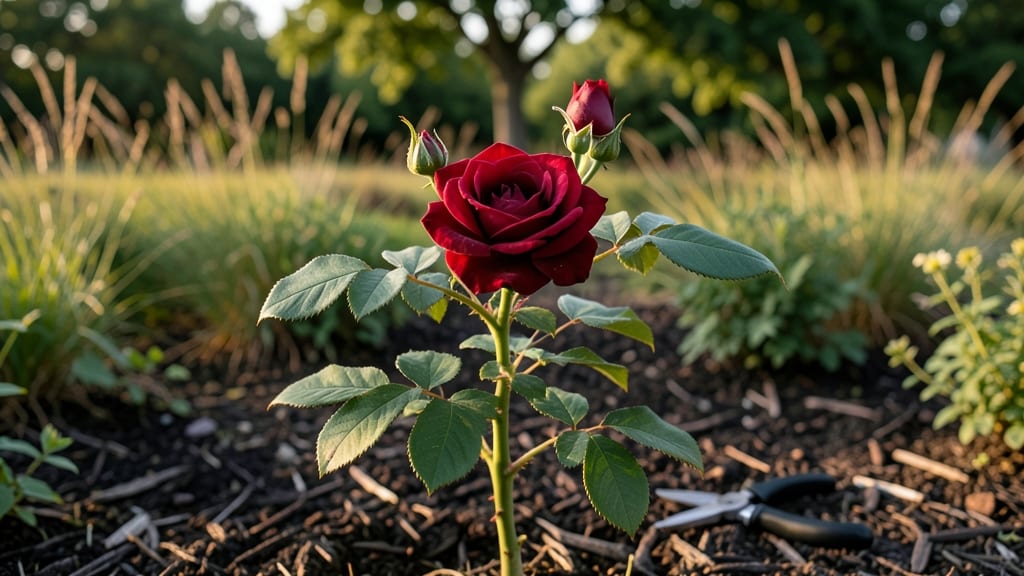
Growing a flower red rose in the Pacific Northwest isn’t just possible—it’s rewarding when you choose the right varieties and protect them from frost. I’ve watched my own David Austin roses survive winters with just a little extra care, their velvety petals unfurling come spring like clockwork.
The secret lies in soil prep, smart pruning, and knowing which cold-hardy cultivars thrive in zones 7-9.
You’ll need well-draining soil mixed with compost, a sunny spot with at least 6 hours of light daily, and a frost cloth for winter.
Varieties like ‘Knock Out’ or ‘Dr. Huey’ handle PNW winters better than delicate hybrids, and they reward you with bold, repeat blooms from early summer until frost. The key? Planting in late fall or early spring when the ground isn’t frozen.
By summer, you’ll have lush, disease-resistant bushes that hum with pollinators. Prune in late winter to encourage strong growth, and mulch heavily before the first frost to insulate roots. Even in rainy PNW winters, these roses bounce back with vibrant red blooms that outshine store-bought bouquets.
This method works for containers or in-ground beds, whether you’re a beginner or refining your skills. Let’s get those roots established—your garden’s centerpiece is waiting.
📚 In This Guide
- What you need
- Instructions
- Tips and common mistakes
- Wrapping up and next steps
What you need
- ● Frost-resistant red rose plants: 1–3 bare-root or potted Rosa varieties (e.g., 'Knock Out,' 'Dr. Huey,' or 'Black Baccara'—check hardiness zones 5–8 for PNW suitability).
- ● Note: Opt for grafted roses for stronger disease resistance.
- ● Soil amendments: 5–10 lbs of compost or well-rotted manure per plant.
- ● 2–3 lbs of balanced fertilizer (10-10-10 or rose-specific, like Espoma Rose-Tone).
- ● 1 cup of sulfur (if soil pH is >6.5; PNW soil is often acidic).
- ● Mulch: 3–4 inches of wood chips or straw to protect roots from frost.
- ● Tools: 1 shovel (for digging).
- ● 1 pruning shears (sterilized with rubbing alcohol).
- ● 1 garden hose with a spray nozzle (for watering).
- ● 1 gloves (heavy-duty for thorns!).
- ● Soil test kit: To check pH (ideal: 6.0–6.5 for roses).
- ● Rose food spikes: Slow-release granules for convenience.
- ● Frost cloth: For young plants during late frosts (PNW’s chilly springs!).
- ● Trellis or support stakes: If growing climbing varieties (e.g., 'New Dawn').
- ● Organic fungicide: Copper-based spray for powdery mildew prevention.
Step-by-step instructions for growing frost-resistant red roses in the Pacific Northwest
Here’s how I’ve successfully grown hardy red roses that thrive through our region’s damp, cool seasons.
Select the Right Frost-Resistant Red Rose Variety
Not all red roses survive our Pacific Northwest winters. I recommend Knock Out® roses (Zones 4-9) or Dr. Huey® (Zones 3-9), both bred for disease resistance and cold tolerance. These varieties bloom continuously and handle our 30-40°F nighttime lows without bud damage. Avoid hybrid teas—they’re stunning but far less hardy.
When purchasing, check the label for USDA Zone 6+ ratings. I always buy bare-root plants in early spring, giving them time to establish before winter. If buying potted, inspect roots—healthy roots should be white and moist, not brown or mushy.
Prepare the Planting Site for Cold Climates
Choose a location with 6+ hours of morning sun and afternoon shade to prevent heat stress. Our Pacific Northwest summers can get surprisingly hot, and too much midday sun scorches leaves. Amend the soil with 3-4 inches of compost and a 5-10-10 fertilizer to boost organic matter and drainage—our heavy clay soils need this.
Dig a hole twice as wide as the root ball but only as deep. Planting too deep suffocates roots, while too shallow leaves them exposed to winter freeze-thaw cycles. Mix a handful of mycorrhizal fungi into the backfill soil to help roots establish faster in our cool, wet climate.
Plant and Mulch for Winter Protection
Place the rose in the hole, ensuring the graft union (the swollen area near the base) sits 2-3 inches below soil level. This protects it from cold and encourages stronger growth. Backfill with native soil, tapping gently to remove air pockets. Water deeply to settle the soil and eliminate gaps.
Apply a 4-inch layer of wood chips or straw mulch around the base, extending it 12 inches outward. This insulates roots during winter and retains moisture during our rainy summers. Avoid thick mulch piles against the stem—it traps moisture and invites rot.
Prune and Fertilize for Pacific Northwest Conditions
Prune in early spring before new growth begins. Remove dead or crossing branches first, then cut remaining stems back by one-third to encourage bushier growth. Our damp climate fosters fungal diseases, so sterilize pruners with rubbing alcohol between cuts. Avoid heavy summer pruning—it stresses plants before winter.
Fertilize lightly in early spring with a balanced 10-10-10 formula, then again in early summer. Roses in our region don’t need heavy feeding—they focus energy on surviving winter rather than blooming. I also add a slow-release rose fertilizer in fall to build root strength for next year.
Protect from Winter Rain and Frost
When nighttime temperatures drop below 25°F, wrap the rose canes loosely with burlap or frost cloth, securing it with twine. This prevents windburn and insulates stems. In severe winters (15°F or below), mound an additional 6 inches of soil or mulch around the base for extra protection.
Our Pacific Northwest winters are wet, not dry. Ensure your mulch remains intact to prevent soil erosion and root exposure. In early spring, remove winter protection once buds swell—waiting too long smothers new growth. Water lightly if the ground is dry, but avoid overwatering, which can drown roots.
Tips & tricks for growing hardy red roses in cold climates
Here's what I've learned after years of growing thriving red roses through our Pacific Northwest winters—details that make all the difference between a struggling plant and one that blooms beautifully year after year.
Variety Selection Wisdom: When choosing between Knock Out® roses and Dr. Huey® varieties, I always opt for Knock Out® for their exceptional disease resistance in our damp climate. The key is looking for the USDA Zone 6+ rating—this ensures your rose can handle our 30-40°F nighttime lows without bud damage. For potted plants, inspect the roots before purchasing: healthy roots should be white and moist, never brown or mushy. This simple check prevents bringing home plants that won't survive our winters.
Soil Preparation Strategy: Our heavy clay soils need serious amending. The 3-4 inches of compost and 5-10-10 fertilizer mentioned are non-negotiable for proper drainage and nutrient content. Here's my pro tip: mix in a handful of mycorrhizal fungi with the backfill soil—this helps roots establish faster in our cool, wet climate. I've seen roots grow twice as fast when using this method compared to regular soil.
Winter Protection Essentials: The 4-inch layer of wood chips or straw mulch is your best friend during winter, but placement matters. Extend it 12 inches outward from the base to properly insulate roots, but avoid piling mulch against the stem—this creates moisture traps that invite rot. For extreme winters below 15°F, I always mound an additional 6 inches of soil or mulch around the base, which has saved my roses from freeze damage multiple times.
Pruning Precision: The one-third pruning rule in Step 4 is critical, but timing matters just as much. I always prune in early spring when buds begin to swell—this encourages bushier growth without stressing the plant before winter. Sterilizing pruners with rubbing alcohol between cuts is a must in our damp climate to prevent fungal spread. I've lost count of how many roses I've saved by following this simple step.
Pro Tips for Flower Red Rose
- Here's what I've learned after years of growing thriving red roses through our Pacific Northwest winters—details that make all the difference between a struggling plant and one that blooms beautifully year after year.
- Variety Selection Wisdom: When choosing between Knock Out® roses and Dr.
- Soil Preparation Strategy: Our heavy clay soils need serious amending.
Frequently asked questions
Got questions about growing frost-resistant red roses in the Pacific Northwest?
You’re not alone! Here are answers to the most common queries—from planting to troubleshooting—to help your roses thrive.
When is the best time to plant red roses in the PNW?
The ideal window is late spring to early summer (May–June), after the last frost but before summer heat. This gives roots time to establish before winter. Fall planting (September–October) also works if you choose bare-root roses—just avoid planting too close to frost dates. Local nurseries know your microclimate!
How cold can red roses tolerate in the Pacific Northwest?
Most frost-resistant varieties (like ‘Knock Out’ or ‘Dr. Huey’) handle temperatures down to 10–15°F (-12 to -9°C). For extra protection, mulch heavily (6–8 inches) with straw or wood chips and wrap canes with burlap in severe winters. Evergreen roses (e.g., ‘Rugosa’) are top performers in wet, cold climates!
What’s the easiest alternative to red roses for PNW gardens?
If roses feel finicky, try hardy shrubs like:
- Hydrangeas (e.g., ‘Endless Summer’)—thrive in shade, bloom reliably.
- Spiraea (e.g., ‘Goldflame’)—drought-tolerant, cold-hardy, and low-maintenance.
- Weigela—vibrant blooms, deer-resistant, and handles PNW’s wet springs.
Why are my red rose leaves turning yellow, and how do I fix it?
Yellow leaves usually signal overwatering, nutrient deficiency, or pests. Check these fixes:
Issue
Solution
Overwatering
Let soil dry 1–2 inches deep between waterings; improve drainage with compost.
Nutrient deficiency (e.g., nitrogen)
Fertilize with rose-specific food in early spring and after blooms. Slow-release granules work best.
Pests (aphids, spider mites)
Spray with neem oil or introduce ladybugs. Prune heavily infested leaves.
Can I grow red roses in containers in the PNW?
Choose dwarf or patio varieties (e.g., ‘The Fairy’ or ‘Playboy’). Use a 5-gallon+ pot with well-draining mix (60% soil, 30% compost, 10% perlite). Move containers to protected spots (e.g., porches) during freezes below 20°F (-7°C). Water consistently—containers dry out faster!
Wrapping up and next steps
Growing a flower red rose in the Pacific Northwest’s chilly climate is absolutely doable—with the right frost-resistant care! 🌹❄️ You’ve now got the tools, tips, and answers to nurture a thriving, resilient rose bush that blooms beautifully year after year.
Whether you’re a seasoned gardener or just starting out, your dedication will pay off in stunning, fragrant blooms.
Ready to take the next step? Plant that first cutting or bare-root rose this season! Mark your calendar for early spring or fall, gather your supplies, and watch your garden transform into a romantic, frost-hardy paradise. Happy gardening! 🌱💖