
Flowers
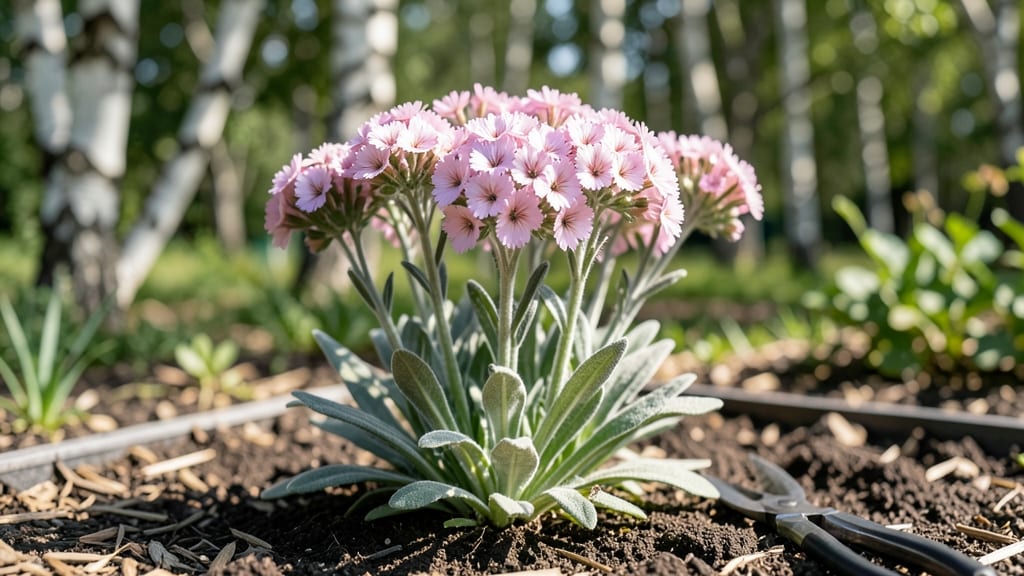
Those pink-stemmed flowers bring a surprising pop of color to Pacific Northwest gardens—especially when you choose frost-hardy varieties like Dahlias or Ranunculus. 🌸 I’ve grown them for years in my Zone 8 garden, and the secret to those vibrant stems isn’t just luck—it’s the right soil, pruning timing, and a little extra phosphorus in the fertilizer.
The stems start as green but deepen to rosy-pink with age, especially in cooler climates where growth slows just enough to intensify the hue.
Most pink-stemmed flowers thrive in partial shade to full sun, but in the PNW’s damp winters, I always plant mine where they get morning sunlight and afternoon shade—this prevents the stems from weakening. Well-draining soil mixed with compost is non-negotiable; soggy roots mean pale, weak stems.
Water consistently but avoid overhead sprinklers, which can dilute that stunning pink pigment. A handful of bone meal at planting time boosts stem color, and I swear by it—my Celosi stems go from green to dusty rose within weeks.
By late summer, your garden will be a study in contrast: pink stems against deep green leaves, with blooms that range from velvety to papery textures. Dahlias, in particular, reward pruning—snipping back leggy stems encourages bushier growth and brighter pink hues.
Even in frost-prone areas, these varieties survive light freezes, so you’ll enjoy their color well into fall. The best part? They’re just as stunning in cut arrangements as they are in the garden.
Whether you’re growing for ornamental drama or curious about edible varieties (some Celosi are safe to eat!), these flowers deliver year after year. Start with tubers or seeds in early spring, and by midsummer, you’ll have stems so vivid they’ll make your neighbors ask for cuttings.
Here’s how to keep them thriving through PNW’s wet winters and sunny summers.
📚 In This Guide
- What you need
- Instructions
- Tips and common mistakes
- Wrapping up and next steps
What you need
- ● Seeds or Bare-Root Plants: 1–3 Heuchera (Coral Bells) – Choose varieties like 'Plum Pudding' or 'Berry Smoothie' (pinkish-red stems).
- ● 1–2 Astilbe (False Spirea) – 'Fanal' or 'Deutschland' (pinkish stems + ferny foliage).
- ● 1 Rodgersia (e.g., 'Rodgersia aesculifolia') – Bold, pink-tinged stems and large leaves.
- ● Growing Medium: 5–10 gallons of well-draining potting mix (or amend garden soil with 30% perlite/compost).
- ○ Optional: Slow-release fertilizer (10-10-10 ratio, 1–2 tbsp per plant).
- ● Containers or Garden Space: Containers: 12–18" pots with drainage holes (for patio gardening).
- ● Garden beds: Partial shade (4–6 hours sun) with moist, acidic soil (pH 5.5–6.5).
- ● Basic Tools: Trowel or hand shovel
- ● Garden gloves (to protect from thorns or rough stems)
- ● Watering can or hose with a gentle spray nozzle
- ○ Optional (But Helpful!): Mulch (2–3 inches of shredded bark or pine needles to retain moisture).
- ● Pruning shears (for deadheading or shaping plants).
- ● Soil pH test kit (to ensure optimal growing conditions).
- ● Cold frame or row covers (for early spring planting in Zone 7–9).
- ● Prerequisites: Patience! Some varieties (like Rodgersia) take 2–3 years to reach full pink-stem glory.
- ● Consistent moisture—these plants love their roots damp but not soggy.
Step-by-Step guide for planting frost-resistant pink-stemmed flowers
Here's how to establish vibrant pink-stemmed varieties that thrive in the Pacific Northwest's cool, damp climate.
🌱 Step 1: Select and Prepare the Planting Site
Choose a location with partial shade to full sun—most pink-stemmed varieties like diervilla and weigela tolerate morning sun but appreciate afternoon shade in hotter microclimates. Test your soil's moisture retention by digging a 6-inch hole—if water pools after 30 minutes, amend with 2 inches of compost to improve drainage. The Pacific Northwest's acidic soils often need this adjustment for optimal root development.
I always spread a 2-inch layer of mulch (like cedar chips) around the planting area to protect roots from winter frost and retain moisture during summer droughts. This mimics the forest floor conditions these varieties prefer. Space plants 4-6 feet apart to allow airflow, which prevents fungal diseases that thrive in the region's humidity.
☀️ Step 2: Plant at the Right Depth and Time
Dig a hole twice as wide as the root ball but only as deep—planting too deep suffocates stems and prevents proper flowering. Gently loosen the roots if they're circling and position the plant so the top of the root ball sits level with the surrounding soil. The Pacific Northwest's mild winters mean you can plant throughout fall and early spring, but avoid planting when temperatures drop below 40°F—roots need time to establish before frost.
Backfill with native soil mixed with compost (use the 2 gallons you've prepared) to encourage microbial activity that boosts root growth. Water deeply immediately after planting to eliminate air pockets, then add 1 inch of mulch around the base. You'll know it's done right when the soil surface looks slightly settled and the plant sits upright without rocking.
💧 Step 3: Water and Fertilize for Pacific Northwest Conditions
Water deeply once weekly during the first growing season, aiming for 1-2 inches of moisture per week. Check by sticking your finger 2 inches into the soil—if it feels dry, water again. These plants are drought-tolerant once established, but young roots need consistent moisture to compete with native vegetation. Use a soaker hose to deliver water slowly at the base rather than overhead to prevent fungal diseases common in the region's damp climate.
Apply a balanced, slow-release fertilizer (10-10-10) in early spring as new growth appears. I use ½ cup per plant spread evenly around the root zone, then water thoroughly to activate the granules. Avoid high-nitrogen fertilizers—they promote leafy growth at the expense of those stunning pink stems. You'll see the difference in 4-6 weeks when stems develop their characteristic color and flowers emerge.
✂️ Step 4: Prune for Winter Hardiness and Spring Bloom
Prune in late winter or early spring before new growth begins. Remove dead, crossing, or weak stems first, then cut back the remaining stems by one-third to encourage bushier growth. The Pacific Northwest's frost can damage tender new shoots, so this timing gives plants a head start. Use clean, sharp pruners to make cuts at a 45-degree angle just above a bud or lateral branch—this prevents water from pooling and causing rot.
Here's the thing—don't prune in fall. You'll stimulate new growth that won't harden off before winter. Instead, wait until you see swollen buds in early spring. After pruning, apply a 3-inch layer of mulch around the base to insulate roots. Your plants will reward you with vibrant pink stems and abundant flowers by mid-summer, becoming a standout feature in your garden.
Tips & tricks for perfect pink-stemmed flower planting
These practical tips will help you establish vibrant pink-stemmed varieties that thrive in the Pacific Northwest's unique climate.
Soil Test Timing: The 30-minute water retention test in Step 1 is crucial for understanding your soil's natural drainage. I've found that adding 2 inches of compost not only improves drainage but also introduces beneficial microbes that help roots establish faster. For even better results, consider testing your soil's pH—these varieties prefer slightly acidic conditions (pH 6.0-7.0)—and amend with sulfur if needed. The Pacific Northwest's naturally acidic soils often need this adjustment for optimal pink stem development.
Planting Depth Secret: In Step 2, planting at the correct depth is non-negotiable for those stunning pink stems. I always check that the top of the root ball sits level with the surrounding soil by using a small wooden stake as a reference point. Planting too deep can suffocate stems and prevent flowering, while planting too shallow leaves roots exposed to temperature fluctuations. The 4-6 feet spacing mentioned also creates the perfect airflow for preventing fungal diseases that thrive in our region's humidity.
Fertilizer Timing: The ½ cup of 10-10-10 fertilizer in Step 3 should be applied when you first see swollen buds in early spring—this timing ensures the nutrients support flower development rather than just leaf growth. I've learned the hard way that applying fertilizer too early can result in excessive foliage at the expense of those vibrant pink stems. For established plants, you can reduce the amount to ¼ cup after the first year, as they'll have built up sufficient root systems.
Pruning Angle: When pruning in Step 4, the 45-degree angle is more important than you might think. This angle prevents water from pooling at the cut site, which can cause rot in our damp climate. I always sterilize my pruners with rubbing alcohol between cuts to prevent spreading fungal spores. The one-third reduction in stem length encourages bushier growth while maintaining the plant's natural shape—just watch those new shoots carefully after pruning, as they're particularly vulnerable to late frosts.
Pro Tips for Flower With Pink Stem
- These practical tips will help you establish vibrant pink-stemmed varieties that thrive in the Pacific Northwest's unique climate.
- Soil Test Timing: The 30-minute water retention test in Step 1 is crucial for understanding your soil's natural drainage.
- Planting Depth Secret: In Step 2, planting at the correct depth is non-negotiable for those stunning pink stems.
Frequently asked questions
Got questions about growing pink-stemmed flowers in your Pacific Northwest garden? You’re not alone! Here are some of the most common queries—and their answers—to help you cultivate stunning blooms with ease.
What are the best frost-resistant pink-stemmed flowers for the PNW?
The Pacific Northwest’s cool, damp climate favors hardy perennials like Heuchera ‘Plum Pudding’ (with its deep pink stems) and Astilbe ‘Fanal’. For annuals, try Snapdragon ‘Pink Rocket’ or Dianthus ‘Firewitch’, both of which tolerate light frosts. Always check USDA Zone 7-9 ratings for your specific variety!
How do I protect pink-stemmed flowers from late spring frosts?
Use frost cloth or row covers when temperatures dip below 28°F. For tender plants, group them near taller perennials or walls to trap heat. Mulch heavily around the base (2–3 inches of straw or wood chips) to insulate roots. If frost hits after buds form, a hair dryer on low can gently warm them!
Why are my pink-stemmed flowers’ stems turning brown or mushy?
This is often a sign of rot (from overwatering or poor drainage) or fungal disease (like powdery mildew). Improve airflow by spacing plants 12–18 inches apart, and water at the base (not overhead). If stems feel soft, trim affected parts immediately and treat with a copper fungicide.
Can I grow pink-stemmed flowers in containers?
Choose compact varieties like Lobelia ‘Crystal Palace’ or Portulaca ‘Pink Beauty’. Use well-draining mix (add perlite or sand) and containers with drainage holes. Place pots in partial shade (morning sun is ideal) to prevent stem scorch. Rotate containers weekly for even growth!
Are there pink-stemmed flowers that attract pollinators?
Yes! Salvia ‘May Night’ (with its striking pink stems) and Echinacea ‘Hot Papaya’ draw bees and butterflies. For hummingbirds, Penstemon ‘Pink Fire’ is a top pick. Plant in clusters (3+ plants) to create a pollinator magnet. Avoid pesticides—let the visitors feast!
Wrapping up and next steps
Growing pink-stemmed flowers in the Pacific Northwest is not only rewarding but also a fantastic way to embrace the region’s unique climate—especially with frost-resistant varieties like Heuchera or Astilbe. These stunning blooms add color and texture to your garden while thriving in cooler temperatures.
Whether you’re a seasoned gardener or just starting, your green thumb is ready for this challenge!
Ready to transform your garden? Start small—pick one variety, gather your supplies, and dive in! Check out local nurseries for region-specific tips, and don’t forget to share your progress with fellow gardeners. Happy planting! 🌸✨