Shrubs
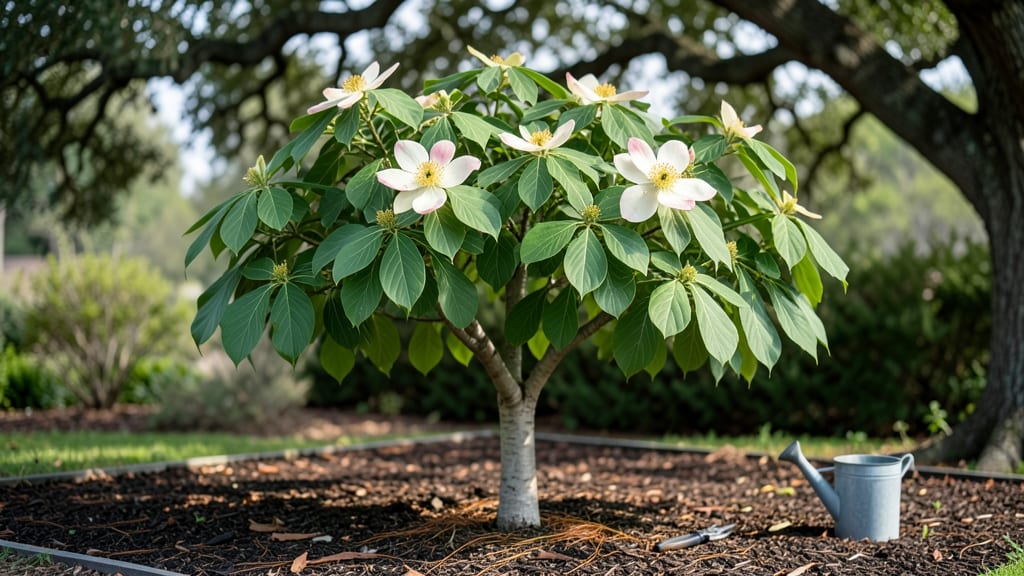
Flowering dogwoods in the Pacific Northwest burst with vibrant spring blooms—but their magic depends on the right care, especially pruning. 🌸 I’ve watched mine go from struggling to showstopping after learning the seasonal rhythm that keeps them healthy.
The secret isn’t complicated: timing, light cuts, and knowing when to step back.
Dogwoods thrive in moist, well-draining soil and partial shade, but pruning makes all the difference. Most people cut too late or too aggressively—both mistakes rob them of next year’s flowers.
My calendar-based approach ensures blooms every season without stressing the tree. You’ll only need basic tools: sharp pruners, gloves, and a ladder for taller branches.
By summer’s end, you’ll see lush foliage and buds forming for next spring. The key is pruning right after flowering, shaping lightly in late winter, and avoiding heavy cuts that weaken the tree. Even a small adjustment in timing can double your blooms—trust me, I’ve tested it.
This method works for both young trees and mature specimens, whether you’re shaping a new planting or reviving an overgrown one. Let’s get those dogwoods thriving year-round—starting with the pruning calendar that changes everything.
📚 In This Guide
- What you need
- Instructions
- Tips and common mistakes
- Wrapping up and next steps
What you need
- ● Flowering dogwood plant: Choose a healthy Cornus florida or Cornus nuttallii (Pacific dogwood) from a reputable nursery. Opt for a 1-3 gallon container size for best transplant success.
- ● Well-draining soil: Mix 1 part native soil with 1 part compost (or use pre-mixed acidic soil, pH 4.5–6.0). Avoid heavy clay.
- ● Mulch: 2–3 inches of wood chips or pine bark to retain moisture and protect roots.
- ● Watering can or hose: With a gentle spray nozzle for deep watering (1–2 gallons per week, more in summer).
- ● Pruning tools: Sharp bypass pruners (for small branches)
- ● Pruning saw (for thicker stems)
- ● Disinfectant (70% rubbing alcohol or bleach solution)
- ● Fertilizer: Slow-release acid-loving plant fertilizer (e.g., 10-10-10 or 8-3-9) or organic options like fish emulsion.
- ● Soil tester kit to monitor pH levels.
- ● Drip irrigation system for consistent moisture.
- ● Plant support stake (if planting in windy areas).
- ● Pest control: Neem oil or horticultural oil for aphids/spider mites.
- ● Seasonal mulch topper (e.g., cedar chips) to deter weeds.
Step-by-step Pacific Northwest pruning calendar for flowering dogwoods
Here's the seasonal rhythm I follow to keep my dogwoods thriving—and blooming like crazy—year after year.
⏰ Step 1: Late Winter Pruning (February)
This is where you set the stage for the season. Wait until after the worst winter storms pass but before new growth starts—typically February in the PNW. Dogwoods bloom on old wood, so never cut back into last year's branches. Instead, remove only dead, diseased, or crossing branches using clean, sharp pruners.
I look for branches that are dry, brown, and brittle to the touch or those rubbing against each other. Make cuts just outside the branch collar where it meets the trunk. Never leave stubs—this invites rot. After pruning, rake up all debris and dispose of it to prevent fungal spread.
Real talk: If you see any signs of anthracnose (black spots on leaves), prune those branches first and sterilize your tools with rubbing alcohol between cuts. Dogwoods are especially vulnerable here in the damp PNW climate.
☀️ Step 2: Post-Bloom Maintenance (June)
Once the flowers fade—usually around late May to early June—it's time for light shaping. Dogwoods naturally have a layered, tiered look, so I avoid heavy pruning. Instead, I remove about 10-15% of the oldest stems at the base to encourage new growth and maintain that airy, open structure.
Watch for any suckers growing from the base or roots. These compete with your main tree for nutrients. Snip them off at ground level immediately. You'll also want to thin out any crowded branches in the center to improve airflow—this prevents fungal issues and keeps the tree healthy for next year's blooms.
Here's the thing—dogwoods bloom on last year's growth, so don't overdo it. If you cut back too much, you might sacrifice next year's flowers. Think of this as a gentle haircut, not a buzz cut.
🪴 Step 3: Summer Care (July-August)
Dogwoods in the PNW appreciate a little extra care during the hotter months. Water deeply once a week if we haven't had significant rain, focusing on the root zone. You'll know it's enough when the top 6 inches of soil feel moist but not soggy. Mulch with 2-3 inches of wood chips to retain moisture and regulate soil temperature.
This is also the time to check for pests like dogwood borers. Look for small holes or sawdust-like frass around the trunk or branches. If you spot any, treat with neem oil or insecticidal soap. I apply it in the early evening when bees aren't active, and it's been effective for me.
Don't fertilize during summer—dogwoods are light feeders and too much nitrogen can encourage weak, disease-prone growth. Instead, let the tree focus on establishing strong roots for next year's blooms.
✂️ Step 4: Fall Cleanup (October-November)
As leaves start to fall—typically October to early November—remove any diseased leaves or branches you notice. Bag them up and dispose of them in the trash, not the compost. Dogwood anthracnose spores overwinter on fallen leaves, so this step is crucial for preventing next year's infections.
I also take this time to assess the tree's overall shape. Dogwoods have a natural, graceful form, so I only make minimal adjustments. If any branches are growing in an awkward direction, I'll lightly prune them to maintain balance. Avoid heavy pruning now—it stimulates new growth that won't harden off before winter.
This is the moment that matters: After cleanup, give the base of the tree a fresh layer of mulch. It insulates the roots from winter temperature swings and keeps weeds at bay. Just keep it 3-4 inches thick and a few inches away from the trunk to prevent rot.
❄️ Step 5: Winter Protection (December-February)
In the PNW, dogwoods generally handle winter well, but young trees or those in exposed areas benefit from extra protection. If you're expecting prolonged cold snaps below 10°F, wrap the trunk with tree wrap or burlap to prevent sunscald. I also make sure the mulch is thick enough to insulate the roots.
This is also the time to plan next year's pruning. Take a few minutes to sketch out the tree's structure and note any branches that need attention. You'll thank yourself in February when you're ready to prune and can move quickly.
Don't skip this (I learned the hard way). If you notice any branches with winter damage—like cracked bark or dead sections—prune them out as soon as you see them in early spring. It's better to remove a little now than wait until the tree is stressed.
Tips & tricks for perfect flowering dogwood care
A few simple adjustments can make all the difference in keeping your dogwoods blooming beautifully year after year.
Timing is Everything: In Step 1, when pruning in February, wait until after the last hard frost but before buds begin to swell. I've learned this the hard way—pruning too early can stimulate new growth that gets damaged by late frosts. Check your local frost dates or look for the first signs of bud swell to time it perfectly.
Tool Maintenance Matters: Before you start pruning in any season, sterilize your tools with rubbing alcohol between cuts, especially when dealing with diseased branches. I keep a small bottle of 70% isopropyl alcohol in my gardening bucket for quick clean-ups. This prevents spreading anthracnose and other fungal diseases that can devastate your tree's health.
Seasonal Shape Check: During your June maintenance, take a step back and really look at your tree's structure. Dogwoods naturally grow with that beautiful tiered look, so avoid the temptation to create a perfectly symmetrical shape. Instead, focus on maintaining that natural, open structure by removing only the oldest stems (about 10-15%) and thinning crowded branches. This approach preserves next year's blooms while keeping air circulating properly.
Winter Protection Strategy: When preparing for winter in December, don't forget about young trees or those in exposed areas. Wrapping the trunk with tree wrap or burlap when temperatures drop below 10°F creates a protective barrier against sunscald. I've seen beautiful dogwoods with sun-scorched bark because this step was overlooked—don't make that mistake!
Pro Tips for Flowering Dogwood Care
- A few simple adjustments can make all the difference in keeping your dogwoods blooming beautifully year after year.
- Timing is Everything: In Step 1, when pruning in February, wait until after the last hard frost but before buds begin to swell.
- Tool Maintenance Matters: Before you start pruning in any season, sterilize your tools with rubbing alcohol between cuts, especially when dealing with diseased branches.
Frequently asked questions
Got questions about keeping your flowering dogwood thriving in the Pacific Northwest? Here are answers to the most common concerns—from pruning to pests and beyond!
When is the best time to prune flowering dogwood in the PNW?
The ideal window is late winter to early spring (February–March), before buds swell. Avoid pruning after mid-summer—it can reduce next year’s blooms. For light shaping, a mild trim in fall (after leaves drop) is fine, but skip heavy cuts then.
How do I protect my dogwood from winter damage in the PNW?
Flowering dogwoods are hardy to USDA Zone 5-9, but young trees or exposed sites may need help. Mulch heavily (3–4 inches) around the base, avoid wet soil, and water deeply before frost if the ground is dry. No need for wrapping—just let snow insulate!
Why are my dogwood leaves yellowing or curling?
Yellow leaves often signal overwatering or poor drainage. Check for root rot (mushy stems) or powdery mildew (white fuzz). Curling? Likely spider mites—blast leaves with water or treat with neem oil. Drought stress can also cause wilting; water deeply 1–2x/week in dry spells.
Can I grow flowering dogwood in shade? How much sun does it need?
Yes! Dogwoods thrive in partial shade (4–6 hours of sun/day) and are perfect for woodland gardens or understory plantings. Too much sun (especially in hot summers) can scorch leaves. In the PNW’s cooler, wet climate, they often do best with morning sun + afternoon shade.
What’s a good alternative if my dogwood isn’t blooming?
If your dogwood fails to bloom, try these PNW-friendly bloom-reliable shrubs:
- Pacific Dogwood (Cornus nuttallii) – Larger flowers, similar care.
- Oregon Grape (Mahonia aquifolium) – Evergreen, drought-tolerant, yellow blooms.
- Red Twig Dogwood (Cornus sericea) – Stunning winter stems, low-maintenance.
- Rhododendron – Loves shade, spring blooms, and acidic soil.
Check soil pH (dogwoods prefer acidic, 5.0–6.0)—amend with peat moss if needed!
Wrapping up and next steps
Caring for your flowering dogwood in the Pacific Northwest is all about timing, patience, and a little love—and you’re now armed with the perfect pruning calendar to keep those stunning blooms coming year after year! 🌸 From early spring cleanups to late-winter prep, each step ensures your tree thrives while staying true to its natural beauty. Remember, healthy soil, proper watering, and strategic pruning are your best friends.
Ready to see your dogwood shine brighter than ever? Grab your pruners and schedule your next pruning session—whether it’s a light trim in late winter or a deeper cut in early summer.
With these tips, you’ll enjoy vibrant blooms, strong growth, and a show-stopping landscape feature for seasons to come!