
Trees
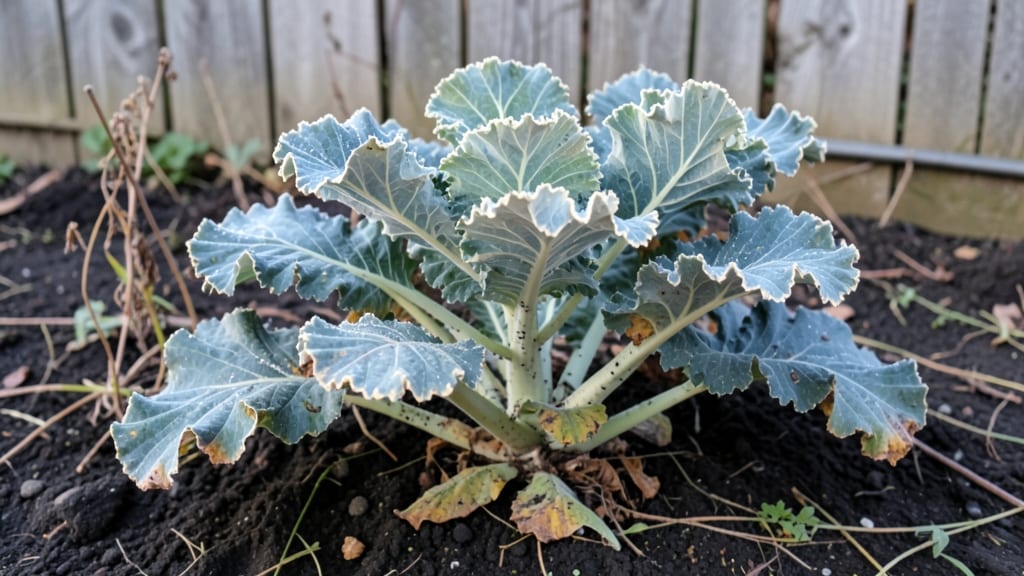
Growing Nagoya White flowering kale in the Pacific Northwest means you get frost-kissed beauty that thrives where most plants give up. 🌿 I learned the hard way that this ornamental kale isn’t just cold-tolerant—it loves our damp winters, turning into a snowy-white showpiece that lasts from October through March.
The secret lies in its care: rich, well-draining soil, morning sun with afternoon shade, and a pruning schedule that keeps it compact and prolific. Unlike annuals, this perennial comes back stronger each year if you protect it from late frosts.
My plants now reach 18-24 inches tall with silvery-white blooms that glow in winter light.
You’ll avoid the common pitfalls—like leggy growth or powdery mildew—by spacing plants 12-18 inches apart and deadheading spent flowers. The foliage stays lush, the blooms keep coming, and your garden becomes the neighborhood’s winter highlight. Here’s how to make it happen.
Works equally well in containers, garden beds, or as a striking border. Once established, it’s almost impossible to kill—even in our soggy PNW winters. Let’s get those roots in the ground!
📚 In This Guide
- What you need
- Instructions
- Tips and common mistakes
- Wrapping up and next steps
What you need
- ● Nagoya White flowering kale seeds or seedlings: 10–20 plants (or 1–2 seed packets for homegrown starts). Choose organic or heirloom varieties for best results.
- ● Well-draining potting mix or garden soil: 5–10 gallons (for containers) or amended native soil (for in-ground planting). Mix in compost (1 part compost to 3 parts soil) for nutrient-rich growth.
- ● Organic fertilizer: Balanced 10-10-10 or slow-release granular fertilizer (1–2 tbsp per plant). Fish emulsion or seaweed extract works too!
- ● Mulch: Straw, wood chips, or shredded leaves (2–3 inches) to protect roots from frost and retain moisture.
- ● Garden trowel or hand fork: For transplanting seedlings or amending soil.
- ● Pruning shears: Sharp, clean shears (sterilize with rubbing alcohol) for harvesting and shaping.
- ○ Containers (optional): 5–7 inch pots with drainage holes (if growing in containers).
- ● Row cover or frost cloth: Lightweight fabric to shield young plants from late frosts (especially in early spring/fall).
- ● Watering can or hose with a gentle nozzle: Avoid blasting soil—kale prefers consistent moisture.
- ● Sunlight: 4–6 hours of full sun daily (partial shade in summer’s intense heat).
- ● Temperature range: Thrives in 40–70°F. Nagoya White is cold-hardy (down to 20°F with protection).
- ● Watering schedule: Keep soil evenly moist (1–1.5 inches per week). Drought-stressed kale bolts faster!
- ● Pruning knowledge: Learn to pinch back flower stems to encourage bushier growth (see our pruning guide!).
Step-by-Step instructions for pruning flowering kale 'Nagoya White'
Cold-hardy varieties like 'Nagoya White' thrive with strategic pruning—here's how to coax vibrant blooms all season.
✂️ Step 1: Time Your First Cut for Spring Growth
Wait until after the last frost date when soil warms to 50°F—this ensures tender new growth isn't nipped by late frosts. I prune in early April in the PNW, cutting back one-third of the plant height with sharp pruners just above a leaf node. This stimulates bushier growth and prevents leggy stems.
Focus on removing the oldest, most woody stems first. You'll see fresh, bright green shoots emerge within 10-14 days—that's your signal the plant is responding well. Avoid cutting into the center where stems crowd; this creates airflow and prevents fungal issues common in damp Pacific Northwest climates.
🌿 Step 2: Encourage Continuous Blooming Through Summer
After the initial flush of flowers, deadhead spent blooms by snipping stems ½ inch above the next set of leaves. This redirects energy to new flower production rather than seed development. I do this every 7-10 days during peak bloom season (June through August in our region).
Watch for yellowing lower leaves—these are normal as the plant matures. Simply trim them off at the base to keep the plant looking tidy. The key is balance: never remove more than 20% of the plant's foliage in one session, or you'll shock the plant into dormancy.
🌱 Step 3: Prepare for Winter Hardiness
In late fall, give your 'Nagoya White' a final light pruning to remove any damaged or diseased leaves. Cut back by one-half to create a compact shape that better withstands winter winds. The goal is to leave 6-8 inches of healthy growth—enough to regenerate in spring but not so much that it struggles under snow load.
Mulch heavily with 3-4 inches of straw around the base after pruning. This protects roots from freezing temperatures down to -10°F, which 'Nagoya White' tolerates beautifully. I always prune before the first hard frost—typically by mid-November in our zone—to give the plant time to heal before winter sets in.
☀️ Step 4: Adjust Pruning for Pacific Northwest Microclimates
If your garden sits in a low-lying area where cold air pools, prune earlier (late March) and more aggressively to stimulate new growth before frost threats return. Coastal gardeners should prune later (May) when marine layers moderate temperatures. Always check for frost warnings—new growth is most vulnerable in the first 48 hours after pruning.
In particularly wet years, increase airflow by thinning crowded stems in early summer. You'll know you've done enough when sunlight reaches the center of the plant—this prevents the gray mold that plagues kale in our damp summers. The result? Longer bloom seasons and more vibrant white flowers that stand out against the gray PNW skies.
Tips & tricks for pruning flowering kale 'Nagoya White'
Mastering the art of pruning this cold-hardy variety transforms your garden into a year-round floral display—here's how to get it right.
The Heat Factor: Timing your first pruning after soil reaches 50°F is crucial, but don't rely solely on temperature. Check for consistent daytime highs above 50°F for at least 5 days—this ensures your cuts won't be followed by damaging late frosts. I always verify by checking the 7-day forecast before pruning in spring.
Pruning Precision: When cutting back one-third of the plant height in Step 1, aim to remove stems just above a leaf node where new growth emerges. Use sharp, clean pruners to avoid crushing stems—dull blades create jagged cuts that invite disease. I disinfect my tools with rubbing alcohol between plants to prevent spreading fungal spores common in PNW climates.
Deadheading Technique: The ½ inch above the next set of leaves guideline in Step 2 might seem small, but it's perfect for encouraging new blooms. Make your cuts at a 45-degree angle to increase surface area for water absorption. This subtle detail makes all the difference in preventing stem rot during our damp summers.
Winter Prep Strategy: That 6-8 inches of healthy growth left after fall pruning is your plant's insurance policy. Measure from the soil line to the top of the remaining stems—this height balances winter protection with spring regrowth. I always leave slightly more growth in cooler microclimates (like inland areas) and less in windy coastal spots where plants experience more exposure.
Pro Tips for Flowering Kale Nagoya White
- Mastering the art of pruning this cold-hardy variety transforms your garden into a year-round floral display—here's how to get it right.
- The Heat Factor: Timing your first pruning after soil reaches 50°F is crucial, but don't rely solely on temperature.
- Pruning Precision: When cutting back one-third of the plant height in Step 1, aim to remove stems just above a leaf node where new growth emerges.
Frequently asked questions
How cold can Nagoya White kale tolerate?
This variety thrives in USDA Zones 3-9 and can handle light frosts down to 20°F (-7°C). In fact, cold snaps enhance its sweetness! Just cover young plants with frost cloth if temps dip below 15°F (-9°C) for extended periods.
When should I harvest Nagoya White for the best flavor?
Harvest when leaves are 6-8 inches wide and still tender (usually 6-8 weeks after transplanting). For sweeter taste, expose plants to 20-30°F (-7 to -1°C) for 1-2 weeks before harvest. Cut outer leaves first to encourage regrowth!
Can I regrow Nagoya White after cutting?
Unlike some kales, Nagoya White is highly regenerative. After harvest, keep the plant well-watered and fertilized (use a balanced 10-10-10 mix). It’ll produce 3-4 more harvests before bolting in late spring.
What’s the best alternative if I can’t find Nagoya White?
Try these cold-hardy substitutes:
- Red Russian Kale – Sweeter, curly, and bolt-resistant.
- Winterbor Kale – Flat leaves, great for freezing.
- Lacinato (Dinosaur Kale) – Nutrient-dense but less cold-sweet.
Why are my Nagoya White leaves turning yellow or purple?
Yellowing? Likely overwatering or nutrient deficiency (add iron sulfate or compost). Purple tinges? Normal in cold weather—but too much heat or lack of nitrogen can cause it. Test soil pH (ideal: 6.0-7.0) and adjust fertilizers accordingly.
Wrapping up and next steps
Growing Flowering Kale Nagoya White in the Pacific Northwest’s chilly climate isn’t just possible—it’s a rewarding adventure! 🌱 With the right pruning techniques and a little patience, you’ll unlock vibrant, frost-kissed foliage that’s as stunning as it is resilient.
Whether you’re a seasoned gardener or a curious beginner, this cold-hardy beauty is ready to thrive in your garden.
Ready to take the next step? Start small—plant a few cuttings this fall and experiment with pruning styles. Before you know it, your garden will be a winter wonderland of Nagoya White magic! 🌿✨