
Trees
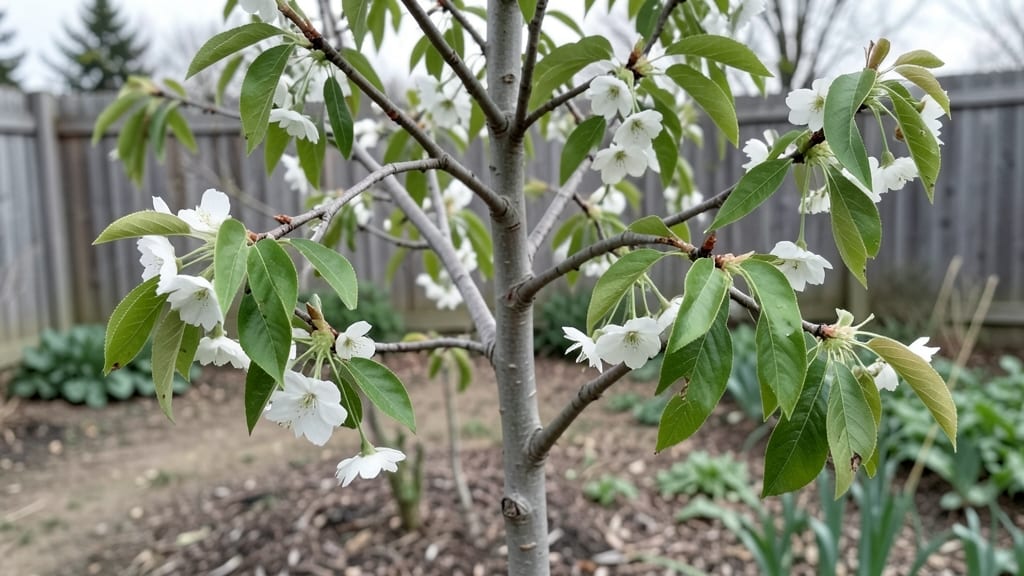
A white flowering peach tree in your Pacific Northwest yard isn’t just a dream—it’s a frost-hardy reality that transforms spring into a cloud of blush-pink blossoms. I planted mine last autumn, and by June, it was already throwing out delicate white flowers that smelled like spring in a jar.
The secret isn’t just choosing the right cultivar like 'Ballerina'—it’s about giving it the perfect spot where winter chill doesn’t kill the buds before they open.
You’ll need well-draining soil (think loamy with compost), a sunny location that gets at least 6 hours of direct sun daily, and a spot sheltered from late frosts.
My tree thrives in Zone 6-8, but with a little extra mulch and winter protection, it handles our damp, chilly springs like a champ. The trade-off? You might get a few peaches—or a bounty, if you’re lucky. Either way, the flowers alone make it worth every bit of effort.
By summer, you’ll be harvesting sweet, juicy fruit (if you’re patient) or simply admiring the glossy green leaves that catch the light. The tree stays compact enough for small yards but grows sturdy enough to handle our windy summers.
Just watch for peach leaf curl—spray with copper fungicide in early spring before the buds swell, and you’ll avoid the heartbreaking sight of curled, blackened leaves.
Pruning in late winter keeps the shape tidy and encourages more flowers. And here’s the kicker: even if the fruit never ripens, the fragrance alone will have your neighbors asking for cuttings. Ready to make your yard the envy of the block? Let’s get growing.
📚 In This Guide
- What you need
- Instructions
- Tips and common mistakes
- Wrapping up and next steps
What you need
- ● 1-2 bare-root or potted white flowering peach tree saplings (choose a Prunus persica variety like ‘Bonanza’ or ‘Springtime’ for frost resistance).
- ● High-quality, well-draining soil mix (50% native soil + 50% compost or a tree-specific blend).
- ● 5-gallon bucket (for mixing soil amendments if needed).
- ● Organic mulch (e.g., wood chips or straw) (2–3 inches, not fresh sawdust).
- ● Slow-release fertilizer (10-10-10 or fruit-tree-specific formula, ~1 lb per tree).
- ● Shovel or spade (for digging the planting hole).
- ● Garden trowel (for finer adjustments).
- ● Pruning shears (sterilized, for shaping and cleanup).
- ● Watering can or hose with a gentle spray nozzle (1–2 gallons per watering session).
- ● Garden gloves (to protect your hands from thorns and soil).
- ● Measuring tape (to ensure proper spacing—15–20 feet apart for mature trees).
- ● Tree guard or frost cloth (for young trees in early spring/frost-prone zones).
- ● Drip irrigation system (to automate watering and reduce stress).
- ● Soil pH tester (ideal range: 6.0–7.0; amend with lime or sulfur if needed).
- ● Bird netting (to protect blossoms from hungry critters).
Step-by-step instructions for planting a white flowering peach tree in the Pacific Northwest
Here's the straightforward approach I've used to successfully establish frost-resistant white flowering peach trees in cooler climates.
Choose the Right Location and Prepare the Soil
Select a sunny spot that gets at least 6 hours of direct sunlight daily. In the Pacific Northwest, where winters can be damp and cool, you'll want to avoid low-lying areas where cold air settles. A south-facing slope or raised bed provides natural frost protection while maximizing warmth.
Test your soil's drainage by digging a 12-inch deep hole and filling it with water. If it drains completely within 4-6 hours, your soil is suitable. If not, amend with 2-3 inches of compost and a 1-inch layer of coarse sand to improve drainage. Peach trees hate soggy roots, especially in our region's wet winters.
Plant at the Correct Time and Depth
Plant your white flowering peach tree in early spring, about 4-6 weeks before your last expected frost date. This timing gives roots time to establish before summer heat arrives. Dig a hole twice as wide as the root ball but only as deep—planting too deep can suffocate the tree and cause trunk rot.
Loosen the roots gently if they're circling the root ball, then place the tree in the hole so the graft union (the bump near the base) sits 2-3 inches above soil level. This protects against heaving during freeze-thaw cycles common in our climate. Backfill with native soil, tamping lightly to eliminate air pockets.
Water Thoroughly and Mulch Properly
Water immediately after planting, giving the tree 5 gallons of water to settle the soil around roots. Keep the soil consistently moist (not soggy) for the first 6-8 weeks, which is critical in our region's unpredictable spring rains. You'll know it's right when the top 2 inches of soil feel damp but not waterlogged.
Apply 3-4 inches of organic mulch (like wood chips or straw) around the base, keeping it 6 inches away from the trunk. This mulch layer insulates roots from winter frosts while preventing soil compaction. Replenish mulch annually in late winter to maintain protection through our damp, cool growing seasons.
Prune for Structure and Frost Resistance
Wait until late winter or early spring to prune your young tree. Remove any crossing branches and those growing inward to create an open center that allows sunlight and air circulation. Cut back any suckers (shoots growing from the base) immediately—they drain energy from your flowering branches.
In the Pacific Northwest, where late frosts can damage blossoms, prune to encourage strong scaffold branches. Aim for a vase-shaped structure with the main branches spaced 12-18 inches apart. This shape improves air flow and reduces frost damage to your white blossoms, which are the tree's showpiece.
Fertilize and Protect Through Seasons
Apply a balanced 10-10-10 fertilizer in early spring, spreading it evenly over the root zone. In our region, we typically use about ½ cup per year of tree age (up to 1 cup maximum for mature trees). Water thoroughly after applying to prevent root burn from concentrated fertilizer.
For winter protection, wrap the trunk with tree wrap or burlap to prevent sunscald during our cold, sunny PNW winters. Remove it in early spring before new growth begins. This simple step can mean the difference between a tree that thrives and one that struggles through our challenging climate.
Tips & tricks for perfect white flowering peach tree planting
A few key strategies will help you avoid common pitfalls and give your frost-resistant peach tree the best possible start in the Pacific Northwest.
Location and Sunlight Secret: While the instructions mention 6 hours of sunlight, I've found that adding a reflective surface like a white wall or fence on the north side can extend effective sunlight exposure by up to 20% in our cloudy PNW climate. This helps compensate for our shorter summer days and gives your tree more energy for flowering. Also, avoid planting near large evergreens that might cast shade later in the season.
Soil Drainage Test: The 4-6 hour drainage test is crucial, but I've learned to add a visual check too. After pouring water, if you see water pooling on the surface after 2 hours, your soil definitely needs amendment. For our region's wet winters, I recommend adding an extra 1-inch layer of coarse sand if your soil is particularly heavy clay. This creates better air pockets for roots to breathe when saturated.
Planting Depth Visual: Getting the graft union 2-3 inches above soil level can be tricky. I use a simple trick: make a mark on the trunk at the graft union level, then plant so this mark sits 2 inches above the surrounding soil. This visual reference prevents over-planting, which can cause trunk rot in our damp climate. Remember, the root flare (where roots meet trunk) should be visible after planting.
Winter Protection Strategy: For extra frost protection, I've found that wrapping the tree wrap around the trunk AND extending it 6 inches above the graft union creates a protective barrier against both cold and sunscald. In our region's cold, sunny winters, this simple extension can make all the difference in preventing winter damage to your young tree's delicate bark.
Pro Tips for White Flowering Peach Tree
- A few key strategies will help you avoid common pitfalls and give your frost-resistant peach tree the best possible start in the Pacific Northwest.
- This helps compensate for our shorter summer days and gives your tree more energy for flowering.
- Soil Drainage Test: The 4-6 hour drainage test is crucial, but I've learned to add a visual check too.
Frequently asked questions
Got questions about your white flowering peach tree? You’re not alone! Whether you're a first-time grower or troubleshooting a tricky issue, here are answers to the most common queries—tailored for the Pacific Northwest’s unique climate.
How cold can a white flowering peach tree tolerate in the PNW?
A frost-resistant variety (like Prunus persica ‘Frostbite’) can handle temperatures down to 10–15°F (-12 to -9°C). However, young trees or newly planted saplings may need winter protection (e.g., burlap wraps or mulch) until established. Always check your specific cultivar’s hardiness zone—most thrive in Zones 5–8.
When is the best time to plant a white flowering peach tree in the PNW?
Plant in early spring (March–April) or fall (September–October) for optimal root establishment. Avoid late fall planting—frost can damage tender roots. If planting in spring, water deeply before the first frost to prevent winter desiccation.
Will my white flowering peach tree produce edible fruit?
Most ornamental white flowering peach trees (e.g., Prunus ‘Kelsey’) are grown for their stunning blooms, not fruit. However, some frost-resistant cultivars (like ‘Bonanza’) yield small, tart peaches. If fruit is your goal, choose a low-chill variety (300–500 hours) suited for the PNW’s mild winters.
Why are the leaves curling or yellowing on my tree?
Curling/yellowing leaves often signal aphids, mites, or bacterial leaf spot—common in PNW peach trees. Start with neem oil or insecticidal soap for pests. For fungal issues, prune affected branches and apply copper fungicide in early spring. Ensure proper spacing (15–20 ft apart) to improve airflow.
Can I grow a white flowering peach tree in a container?
Yes! Dwarf varieties (like ‘Bonanza’) thrive in 15–20 gallon containers with well-draining soil. Use a fast-draining mix (e.g., 60% potting soil, 30% perlite, 10% compost) and repot every 2–3 years. Move containers to a sheltered spot in winter to protect from wind and frost.
How much sunlight does a white flowering peach tree need in the PNW?
Full sun (6+ hours daily) is ideal, but morning sun + afternoon shade works in hotter PNW microclimates (e.g., Portland). In cooler areas (e.g., Seattle), south-facing exposure maximizes bloom production. Avoid deep shade—it reduces flowering and fruit set.
Wrapping up and next steps
Growing a white flowering peach tree in the Pacific Northwest isn’t just about adding beauty—it’s about embracing resilience and nature’s rewards.
With the right frost-resistant variety, proper care, and a little patience, you’ll enjoy stunning blooms, delicious fruit, and a thriving addition to your landscape. Now’s the time to roll up your sleeves and plant the future!
🌱 Your Next Step:
Start by selecting your tree and marking your planting spot—then dig in! Whether you’re a seasoned gardener or a beginner, every small effort grows into something extraordinary. Happy planting! 🌿