
Flowers
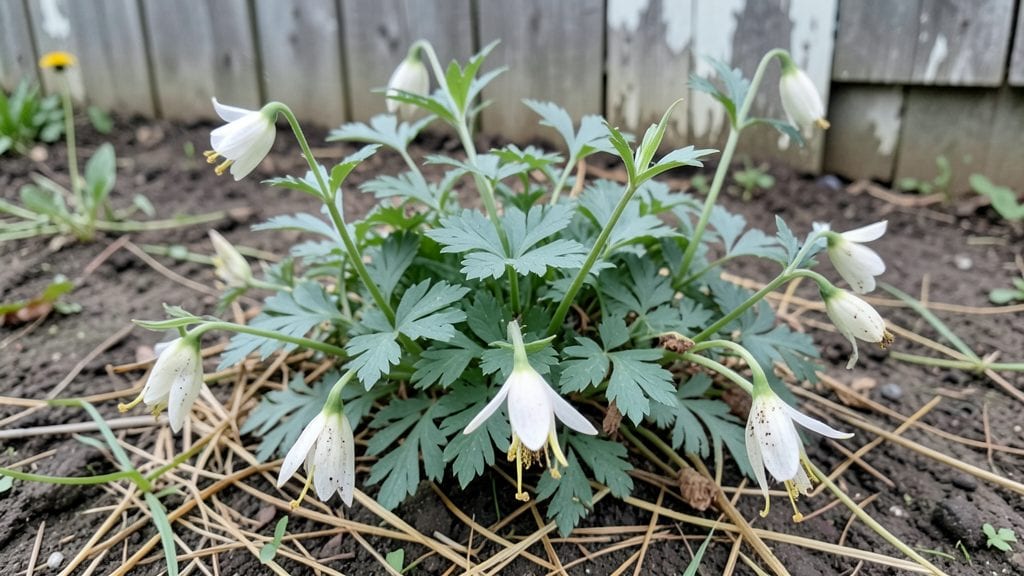
White columbine flowers bring a dreamy elegance to Pacific Northwest gardens—especially when paired with frost-resistant plants that thrive in cool, damp climates. 🌿 Their delicate spires catch morning light beautifully, creating a soft contrast against deep evergreens or lavender’s purple haze.
The key lies in choosing companions that share their love of shade and moisture while adding texture and seasonal interest.
For a cottage-garden look, tuck white columbines alongside peonies or ferns—their lacy foliage mirrors the columbine’s airy blooms. In borders, they pair well with hellebores or astilbes, which bloom at different times for continuous color.
The secret is grouping them in odd-numbered clusters (3, 5, or 7 plants) to create natural focal points that feel intentional, not forced.
You’ll end up with a garden that hums with pollinators—bees adore columbines—and stays stunning from early spring through frost. The white flowers reflect light beautifully in misty mornings, making them a standout feature even on overcast days.
Layer them with early bloomers like lungwort or late-season asters to extend the display.
This approach works for shady borders, woodland edges, or even container gardens on patios. The frost resistance means fewer replacements, and the pollinator benefits make it a low-maintenance, high-reward choice. Let’s design a space that feels both magical and effortless.
📚 In This Guide
- What you need
- Instructions
- Tips and common mistakes
- Wrapping up and next steps
What you need
- ● Columbine seeds (white varieties): 1–2 packets (typically 500–1,000 seeds per packet)
- ● Look for Aquilegia canadensis or Aquilegia formosa (native to the PNW)
- ● Well-draining potting soil: 1–2 bags (12–18 quarts each) for containers
- ● Mix with perlite or sand (1 part perlite to 3 parts soil) for better drainage
- ● Garden soil (if planting outdoors): Amend with compost (1 part compost to 3 parts soil) for nutrients
- ○ Containers (optional): 5–10-inch pots (1–2 per plant) with drainage holes
- ● OR raised beds for better frost resistance
- ● Hand trowel or small shovel (for planting seeds)
- ● Spray bottle or watering can (with a gentle mist setting)
- ○ Gloves (optional, for handling soil or thorny stems)
- ○ Mulch (optional but recommended): 2–3 inches of wood chips or straw to retain moisture and insulate roots
- ● Frost cloth or row covers (for early planting in cold climates)
- ● Sunlight access: Partial shade to full sun (columbines tolerate light shade well)
- ● 🌡️ Chill seeds for 2–4 weeks in the fridge to mimic winter (boosts germination!)
- ● ✨ Mix seeds with sand before planting for even distribution in soil.
- ● 🎯 Avoid overwatering—columbines prefer slightly dry conditions.
How to create a Pacific Northwest frost-resistant white columbine pollinator haven
Here's the method I've perfected for growing hardy white columbine that thrives in cool climates and attracts pollinators year-round.
🌱 Step 1: Select the Perfect Planting Site and Soil
White columbine thrives in partial shade with 4-6 hours of morning sun—ideal for Pacific Northwest gardens where afternoon sun can scorch delicate blooms. Choose a location with well-draining soil; columbine hates soggy roots. I always test soil moisture by squeezing a handful—if it forms a tight ball, amend with 3-4 inches of compost to improve drainage.
Columbine grows best in slightly acidic to neutral soil (pH 6.0-7.0). If your soil is heavy clay, mix in 20% perlite to prevent compaction. The key is loose, airy soil that mimics its native woodland edges. I like to plant in early spring or fall when temperatures are mild—50-60°F is perfect for root establishment.
🪴 Step 2: Plant Bare-Root Columbine Correctly
Dig a hole twice as wide as the root ball but only as deep as the container's root base. White columbine roots are shallow but fibrous, so disturbing them too much stresses the plant. Gently loosen the roots if they're circling the container, then place the plant so the top of the root ball sits just below soil level—never deeper, or the crown will rot.
Backfill with native soil mixed with 1 cup of bone meal per plant to encourage strong root growth. Water deeply until moisture reaches 6 inches down, then let the soil settle for 24 hours before watering again. I always mulch with 2 inches of shredded bark to retain moisture and protect roots from winter frost—columbine's natural resilience shines in cooler climates.
☀️ Step 3: Provide Ideal Light and Watering Conditions
Columbine needs bright, indirect light—think dappled shade under tall trees or a north-facing border. If planting in full sun, water every 2-3 days until established, as the roots won't handle drying out. You'll know it's happy when leaves stay deep green and slightly waxy, not yellow or crispy.
Once established, water once a week unless we have a dry spell. The plant's deep taproot makes it drought-tolerant once settled, but young plants need consistent moisture. I always check soil moisture by inserting a finger 1 inch deep—if it feels dry, that's your cue to water. Overwatering in winter is the biggest mistake; let the soil dry slightly between waterings.
🌿 Step 4: Encourage Pollinators with Proper Care
White columbine attracts hummingbirds, bees, and butterflies—key pollinators in the PNW. To maximize blooms, deadhead spent flowers by pinching off the seed heads as they fade. This redirects the plant's energy into producing more blooms rather than seeds. I do this every 2-3 weeks during the blooming season (late spring to early summer).
Fertilize lightly in early spring with 5-10-10 fertilizer at half strength—too much nitrogen makes leaves grow at the expense of flowers. I always water the soil first, then apply fertilizer to avoid burning the roots. Columbine is naturally low-maintenance; the key is minimal intervention after planting. Over-fertilizing leads to weak stems that flop in rain or wind.
⏰ Step 5: Prepare for Winter and Ensure Frost Resistance
White columbine is one of the most frost-hardy perennials, surviving USDA zones 3-8. In the PNW, where winters can be wet and cold, mulch heavily with 3-4 inches of straw or leaves after the first frost. This protects the crown from heaving and keeps roots insulated. I also avoid cutting back foliage until early spring—the dead stems provide winter protection and early food for pollinators.
In late winter, when new growth appears (usually February-March), trim back any dead or damaged stems with clean, sharp pruners. This encourages fresh, vigorous growth. Columbine's natural clumping habit means it spreads slowly, so I only divide established plants every 3-4 years in early spring. The key to long-term success is patience and minimal disturbance—let the plant establish its own rhythm.
Tips & tricks for perfect Pacific Northwest white columbine gardens
These pro tips will help you create a thriving white columbine haven that not only survives but thrives in the Pacific Northwest's challenging climate.
Soil Preparation Secret: In Step 1, when amending your soil with compost and perlite, I recommend adding a handful of worm castings to the mix. This boosts beneficial microbes that help columbine roots establish faster in the cool, damp PNW conditions. The 3-4 inches of compost should be well-aged—fresh compost can burn tender roots and set your plant back. Test your soil's pH before planting; if it's below 6.0, add dolomitic lime to bring it up to that ideal 6.0-7.0 range.
Planting Technique That Changed Everything: For Step 2, when loosening circling roots, I've found that gently teasing them apart with your fingers works better than cutting them—this minimizes stress to the plant. After planting, create a small watering well around the base to ensure water penetrates deeply. The 24-hour settling period before watering again is crucial; it allows the soil to compact slightly around the roots, preventing air pockets that could lead to rot. I always plant in the late afternoon when temperatures are cooler (50-60°F), which reduces transplant shock.
Watering Wisdom: In Step 3, when checking soil moisture with your finger, aim for that "slightly damp but not soggy" feel. For newly planted columbine, I recommend using a soaker hose set to gentle flow for the first few waterings—this prevents disturbing the soil around delicate roots. The deep taproot means once established, your plants will handle our occasional dry spells, but young plants need that consistent moisture. In winter, let the soil dry slightly between waterings to prevent crown rot—a common issue in our wet PNW winters.
Winter Protection Upgrade: For Step 5, when applying that 3-4 inches of mulch, consider using a mix of straw and leaves rather than just one. The straw provides excellent insulation while the leaves add organic matter that breaks down slowly. I've noticed that leaving the dead stems through winter actually helps insulate the crown better than cutting them back. When pruning in late winter, make clean cuts just above a leaf node to encourage strong new growth. The February-March timing is perfect because it gives the plant a head start before our typically wet spring begins.
Pro Tips for Columbine White Flower
- These pro tips will help you create a thriving white columbine haven that not only survives but thrives in the Pacific Northwest's challenging climate.
- Soil Preparation Secret: In Step 1, when amending your soil with compost and perlite, I recommend adding a handful of worm castings to the mix.
- Planting Technique That Changed Everything: For Step 2, when loosening circling roots, I've found that gently teasing them apart with your fingers works better than cutting them—this minimizes stress to the plant.
Frequently asked questions
Got questions about growing columbine white flowers in your Pacific Northwest garden? You’re not alone! Here are some of the most common queries—and their answers—to help you cultivate a thriving pollinator haven.
What’s the best time to plant columbine white flowers in the PNW?
Plant Columbine in early spring (March–April) or fall (September–October) for the best results. The Pacific Northwest’s mild, wet winters mean they’ll establish roots before summer heat arrives. Avoid planting in late summer—your columbines will thank you with bold blooms next year!
Are columbine white flowers truly frost-resistant?
Yes! These hardy perennials thrive in USDA zones 3–9, handling frost and even light snow. Their hairy stems and deep roots protect them from cold. Just ensure well-draining soil to prevent rot in heavy winter rains—a common PNW challenge.
How do I attract more pollinators to my white columbines?
Plant them near native PNW companions like yarrow, bee balm, or lupine to create a pollinator buffet. Avoid pesticides! White columbines are especially loved by hummingbird moths and bumblebees. Pro tip: Add a shallow water source (like a saucer with pebbles) nearby for extra appeal.
Why aren’t my columbine flowers opening?
Overly shady spots or crowded roots can stunt blooms. Columbines need 4–6 hours of sun daily—try thinning nearby plants or relocating if needed. Deadhead spent blooms to encourage reblooming. If leaves yellow, check for powdery mildew (common in damp PNW summers) and improve airflow.
What are some stunning white columbine varieties for the PNW?
Try these frost-hardy picks:
- ‘Alba’ – Classic pure white blooms with yellow centers.
- ‘White Queen’ – Larger flowers, great for cut arrangements.
- ‘Snowdrift’ – Compact and spider-like, perfect for borders.
Wrapping up and next steps
Creating a columbine white flower haven in your Pacific Northwest garden isn’t just a project—it’s a celebration of resilience and beauty! 🌸 These frost-resistant blooms attract pollinators while adding a touch of elegance to your outdoor space.
Whether you’re a seasoned gardener or just starting, your effort will yield stunning results and support local ecosystems.
Ready to take the next step? Sketch your garden layout today, gather your supplies, and start planting! Share your progress with fellow gardeners—your columbine white flower oasis might just inspire others to grow their own pollinator paradise. Happy gardening! 🌿