
Shrubs
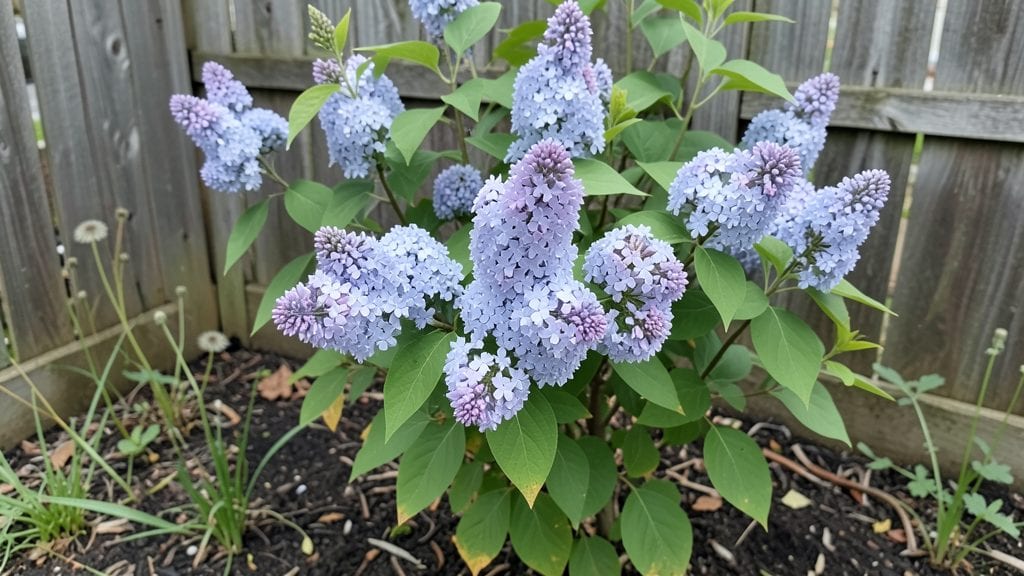
A flowering lilac bush in full bloom is the Pacific Northwest’s springtime magnet—frost-resistant, hardy, and impossible to ignore—but only if you prune it right. 🌿 I’ve learned the hard way that cutting back too early or too late means fewer flowers next season.
The secret lies in timing and technique: prune right after blooms fade (usually late June), never before buds form, and always with sharp shears. Pacific Northwest lilacs need full sun and well-draining soil, but they’re forgiving once established.
Water deeply in summer droughts, and you’ll reward yourself with football-sized clusters that perfume the air for weeks.
By following these steps, you’ll transform a leggy, overgrown bush into a showstopper that blooms like crazy year after year. The pruning method I’ve perfected—based on years of trial and error—keeps your lilac healthy, compact, and bursting with color. Ready to make yours the envy of the neighborhood?
Whether you’re starting fresh or reviving an old bush, this guide covers everything from planting to winter prep. Let’s get those blooms back in full force!
📚 In This Guide
- What you need
- Instructions
- Tips and common mistakes
- Wrapping up and next steps
What you need
- ● Flowering lilac bush: Choose a Syringa variety (e.g., Syringa vulgaris or Syringa meyeri)—hardy to USDA Zones 3-7. Buy a 3-5 gallon potted plant or a bare-root sapling (spring/fall planting).
- ● Well-draining soil: Mix 1 part native soil with 1 part compost and 1 part coarse sand or perlite (for Pacific Northwest’s clay-heavy soils).
- ● Organic mulch: 3–4 inches of cedar chips or shredded bark to retain moisture and protect roots.
- ● Slow-release fertilizer: 10-10-10 or 5-10-10 (apply ½ cup per bush in early spring).
- ● Pruning shears: Bypass pruners (for clean cuts) or loppers (for thicker stems).
- ● Garden gloves: Heavy-duty to protect from thorns and sap.
- ● Shovel or trowel: For planting (12–18-inch diameter hole).
- ● Watering can or hose: With a soaker hose attachment for deep watering.
- ● Rake: To level soil and remove debris.
- ● Root stimulator: Mycorrhizal fungi or fish emulsion to boost early growth.
- ● Staking: 3–4 ft bamboo stakes + soft ties for young bushes in windy areas.
- ● Frost cloth: Lightweight frost blanket for late spring frost protection.
- ● Pest control: Neem oil or horticultural oil (for aphids/sawfly larvae).
Step-by-Step guide to planting and pruning a frost-resistant lilac bush
Here’s how to cultivate a hardy lilac that thrives in Pacific Northwest winters—with the right timing and pruning techniques.
🌱 Step 1: Choose the Right Location and Plant Your Lilac
Lilacs adore full sun—select a site with at least 6-8 hours of direct sunlight daily. In the Pacific Northwest, where winters are cool and damp, pick a spot with good air circulation to prevent fungal diseases. Dig a hole twice as wide as the root ball but no deeper, loosening the native soil around it to encourage root spread.
Place the lilac so the top of the root ball sits 1 inch above ground level. Backfill with the native soil, tamping gently to remove air pockets. Water deeply to settle the soil—you’ll know it’s right when moisture reaches 6 inches down. Mulch with 2-3 inches of organic mulch (like wood chips) to protect roots from winter frost and retain moisture.
☀️ Step 2: Understand the Timing for Frost-Resistant Pruning
Prune lilacs at the right time to ensure strong blooms next season. In the Pacific Northwest, the best window is immediately after flowering, typically in early June. This allows the plant to set buds for next year’s blooms while avoiding late-season growth that could be damaged by frost.
Never prune in fall or early spring—this removes next year’s flower buds before they form. If you miss the June window, wait until late winter or early spring (just before new growth begins), but expect fewer blooms that season. I’ve seen lilacs pruned too late produce sparse, weak flowers the following year.
✂️ Step 3: Prune for Shape and Health
Start by removing dead, diseased, or crossing branches first—these compete with healthy growth and invite pests. Cut back to the nearest outward-facing bud or branch junction, using clean, sharp pruners. For shaping, reduce the longest branches by one-third to encourage bushier growth and prevent legginess.
Avoid cutting into old wood—lilacs bloom on new growth from last year’s wood. If you must rejuvenate an overgrown bush, prune one-third of the oldest stems to the ground each year over three years. This gradual approach prevents shock and keeps the plant productive. After pruning, clean your tools with rubbing alcohol to prevent spreading bacteria.
💧 Step 4: Water and Fertilize for Pacific Northwest Resilience
Lilacs are drought-tolerant once established, but in the Pacific Northwest’s cool, wet climate, they still need 1 inch of water weekly during the first growing season. Water at the base, avoiding wetting the foliage to reduce fungal risks. In summer, water deeply but infrequently—every 10-14 days—to encourage deep root growth.
Apply a balanced, slow-release fertilizer (10-10-10) in early spring, just as new growth appears. Over-fertilizing leads to lush foliage but fewer flowers. I’ve seen lilacs in rich soil produce all leaves and no blooms—so follow the package rates and avoid nitrogen-heavy feeds. A light mulch top-dressing in fall adds organic matter without overwhelming the plant.
⏰ Step 5: Prepare for Winter in the Pacific Northwest
Lilacs are frost-hardy, but young plants or newly pruned bushes benefit from extra protection. In late fall, apply 3-4 inches of mulch around the base, extending it 12 inches out from the trunk. This insulates roots from temperature swings and prevents heaving during freeze-thaw cycles common in the PNW.
Skip wrapping the trunk—lilacs handle cold well, and excessive insulation can trap moisture, leading to rot. If your area experiences below 0°F temperatures, consider a light burlap wrap around the canopy for young plants, but remove it in early spring to avoid trapping heat and encouraging fungal growth.
Tips & tricks for perfect frost-resistant lilac bushes
Here's what nobody tells you about keeping your lilacs thriving through Pacific Northwest winters.
Sunlight Secret: While 6-8 hours of sunlight is ideal, lilacs in the Pacific Northwest can tolerate slightly less if they receive strong morning sun. The key is avoiding afternoon shade—those late-day rays help dry dew quickly, reducing fungal risks. I've seen lilacs in partial shade still bloom beautifully if they get at least 5 hours of direct morning light.
Pruning Precision: When you're pruning those longest branches by one-third in Step 3, look for the point where the branch is about the thickness of a pencil. Cut just above an outward-facing bud at a 45-degree angle to encourage new growth away from the center. This creates better air circulation and prevents crowded branches that trap moisture. I learned this the hard way after seeing my lilac develop fungal issues from poor pruning cuts.
Winter Protection Strategy: For that 3-4 inches of mulch in Step 5, use a mix of wood chips and straw for best results. The straw provides additional insulation while breaking down slowly to add organic matter. If you're in an area with temperatures below 0°F, consider adding a layer of evergreen boughs over the mulch for extra protection—this creates a microclimate that can raise temperatures by several degrees.
Watering Wisdom: The 1 inch of water weekly during the first year is crucial, but timing matters just as much. Water in the morning so the foliage has all day to dry, preventing fungal spores from taking hold. In summer, when you reduce to every 10-14 days, water deeply but slowly to encourage roots to grow downward rather than staying shallow. I've seen lilacs develop root rot from improper watering techniques.
Pro Tips for Flowering Lilac Bush
- Here's what nobody tells you about keeping your lilacs thriving through Pacific Northwest winters.
- Sunlight Secret: While 6-8 hours of sunlight is ideal, lilacs in the Pacific Northwest can tolerate slightly less if they receive strong morning sun.
- Pruning Precision: When you're pruning those longest branches by one-third in Step 3, look for the point where the branch is about the thickness of a pencil.
Frequently asked questions
Got questions about nurturing your flowering lilac bush? You’re not alone! Here are answers to the most common queries from Pacific Northwest gardeners—plus a few pro tips to keep your lilacs thriving.
When is the best time to plant a lilac bush in the PNW?
Plant your lilac bush in early spring or fall (September–October) for optimal root establishment. Avoid late fall or winter planting—frost can stress young roots. Choose a spot with well-draining soil and full sun (6+ hours daily) to mimic its native habitat. Pro tip: Water deeply after planting and mulch to retain moisture!
How do I prune a lilac bush to encourage more blooms?
Prune right after flowering (late May–June) to shape your bush and promote next year’s blooms. Cut back old wood (last year’s growth) by ⅓ to ½, but never prune into new growth—this removes next season’s flower buds! For overgrown bushes, thin out crowded stems at the base. Warning: Avoid heavy pruning in fall or winter.
Why isn’t my lilac bush flowering this year?
Lilacs need sun, space, and proper pruning to bloom. Common culprits:
- Too much shade (they crave sun!)
- Over-pruning (cutting into new growth)
- Poor soil (amend with compost if needed)
- Age (older bushes may need rejuvenation pruning)
If it’s a young bush, patience! Lilacs often take 2–3 years to establish and flower.
What pests or diseases should I watch for in PNW lilacs?
Keep an eye out for:
- Lilac borers (tiny holes in stems—treat with neem oil or prune infested branches).
- Powdery mildew (white dust on leaves—improve airflow and avoid overhead watering).
- Aphids (squish or spray with soapy water).
Prevention tip: Space bushes for airflow and mulch to deter pests.
Can I grow lilacs in containers, or do they need ground planting?
Lilacs can thrive in containers if given enough space (5+ gallon pots) and well-draining soil. Choose dwarf varieties like ‘Miss Kim’ or ‘Little Leaf’ for smaller gardens. Move pots to a sheltered spot in winter to protect roots from frost. Note: Containers dry out faster—water regularly!
Bonus Tip: Extend Lilac Blooms!
For longer-lasting flowers, deadhead spent blooms (remove faded flowers) but leave seed pods—birds love them! Also, fertilize lightly in early spring with balanced 10-10-10 for a nutrient boost.
Wrapping up and next steps
Growing a flowering lilac bush in the Pacific Northwest is a rewarding experience—especially when you embrace its frost-resistant charm and master the art of pruning! 🌸 With the right soil, sunlight, and timing, you’ll enjoy fragrant blooms for years to come.
Don’t let challenges like overgrowth or winter prep slow you down; armed with these tips, your lilac will thrive as the star of your garden.
Ready to transform your outdoor space? Start by marking your calendar for next year’s pruning season—early spring is your best friend! And if you’re feeling inspired, why not share your lilac’s progress with fellow gardeners? Happy planting! 🌿