
Shrubs
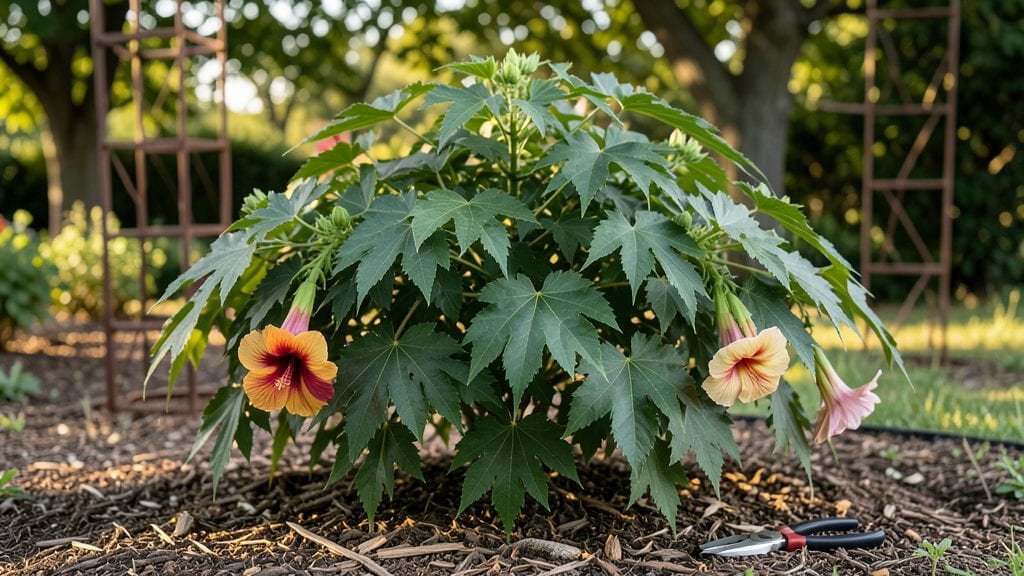
Caring for flowering maples in the Pacific Northwest means mastering frost-resistant pruning that keeps these vibrant shrubs blooming year after year. 🌸 I learned the hard way—skipping late-winter pruning led to leggy growth and fewer flowers, but once I timed it right, my Abutilon exploded with color by early summer.
The secret lies in three simple steps: prune just as buds swell (not too early, not too late), cut back one-third of the oldest stems to encourage fresh growth, and always use clean, sharp shears to avoid disease.
Most gardeners overlook the soil—these plants thrive in well-draining, slightly acidic mix with a mulch layer to protect roots during our damp winters.
You’ll end up with bold, trumpet-shaped blooms from spring through fall, and the foliage stays lush even after our chilly nights. The key is balancing pruning with feeding—just a light spring fertilizer keeps them vigorous without overpowering the delicate flowers. Troubleshooting yellow leaves? Often it’s overwatering or poor drainage.
Works for both container gardens and landscape plantings, and the same principles apply whether you’re growing the classic Abutilon ‘Sensation’ or newer hybrids. Let’s get those branches shaped for maximum blooms!
📚 In This Guide
- What you need
- Instructions
- Tips and common mistakes
- Wrapping up and next steps
What you need
- ● Pruning shears: Sharp, bypass-style shears (2–3 pairs, 10–12" blade length for precision cuts).
- ● Loppers: Heavy-duty, 24–36" reach for thicker branches (1–2 pairs).
- ● Hand pruners: For delicate trimming (5–6" blade, 1–2 pairs).
- ● Gloves: Cut-resistant, gardening-grade (2 pairs: one for pruning, one for frost protection).
- ● Pruning saw: 7–10" curved blade for stubborn branches (1).
- ● Disinfectant: 70% isopropyl alcohol or pruning sealant (small bottle).
- ● Mulch: 3–4 inches of organic mulch (cedar bark or wood chips, 10–15 cubic feet per tree).
- ● Frost cloth: Lightweight, breathable (enough to drape over the canopy, 50–100 sq. ft.).
- ● Tree wrap: Paper or fabric to protect young trunks from frost cracks (1–2 rolls).
- ● String lights: Solar-powered or battery-operated for winter visibility during late pruning.
- ● Soil tester kit: To check pH (6.0–7.0 ideal for flowering maples).
- ● Slow-release fertilizer: Balanced 10-10-10 (1–2 lbs per tree, spring/fall).
- ● Hose with nozzle: For post-pruning hydration (gentle mist setting).
Step-by-step guide to pruning flowering maples in the Pacific Northwest
Here's how to keep your frost-hardy maples thriving with precise, seasonal pruning techniques.
✂️ Step 1: Time Your Pruning for Optimal Growth
Flowering maples like Acer japonicum and Acer palmatum respond best to late winter or early spring pruning, ideally between late February and early March in the Pacific Northwest. This timing ensures you remove dead wood before new growth begins while avoiding late-season cuts that expose fresh wounds to winter pathogens. I always prune after the worst frost has passed but before buds swell—this is when the tree's energy is still dormant but ready to redirect.
If you must prune in summer, do so immediately after flowering to avoid removing next year's blooms. Never prune in fall, as this stimulates tender new growth that won't harden off before winter. Watch for bud break (when small green buds appear along branches) as your visual cue—prune just before this stage begins.
✂️ Step 2: Remove Dead, Diseased, or Crossing Branches First
Start by eliminating dead, diseased, or rubbing branches—these are your top priorities. Use clean, sharp pruners to make cuts at a 45-degree angle just outside the branch collar (the swollen area where the branch meets the trunk). I always disinfect my tools with rubbing alcohol between cuts to prevent spreading fungal spores. For larger branches over ½ inch thick, use loppers or a pruning saw for clean cuts that heal properly.
Look for branches that cross or rub against others—they'll eventually create wounds that invite disease. Thin the canopy by removing branches that grow inward, as these block light and air circulation. You'll know you're doing this right when you can see light filtering through the canopy without gaps larger than your hand.
✂️ Step 3: Shape for Balance and Airflow
Flowering maples develop best with an open, vase-like shape that allows sunlight to reach all branches. Step back frequently to assess balance—your goal is to maintain the tree's natural form while removing up to 25% of the canopy in severe cases. For younger trees, focus on removing lower branches to elevate the crown and improve visibility of the trunk.
Never remove more than one-third of a branch's diameter in a single cut, as this stresses the tree. Instead, make three-cut pruning for large branches: first undercut, then top-cut, and finally remove the branch stub. You'll notice healthier regrowth and fewer broken branches after a few seasons of careful shaping.
⏰ Step 4: Apply Wound Dressing and Monitor Recovery
Skip commercial wound dressings—they trap moisture and invite rot. Instead, let the tree's natural healing process take over by making clean cuts that don't tear the bark. For larger wounds, apply a thin layer of horticultural sealant only if the cut exposes the cambium layer. Water the base deeply after pruning to help the tree recover, especially if the soil feels dry to the touch.
Watch for new growth within 4-6 weeks as a sign the tree is healing. If you see excessive water sprouts (thin, upright shoots) after pruning, remove them promptly—they divert energy from the main structure. In the Pacific Northwest's damp climate, keep an eye out for powdery mildew on new leaves and treat with neem oil if needed.
Tips & tricks for perfect flowering maple pruning
Mastering the art of pruning flowering maples in the Pacific Northwest takes more than just timing—it's about understanding your tree's natural rhythms and responding to its unique needs.
Seasonal Timing is Everything: The late February to early March window is critical because it's when your tree's energy is still dormant but ready to redirect. If you're unsure about the exact timing, check for bud break—those tiny green buds signaling new growth mean it's too late for major pruning. I've learned this the hard way after seeing trees stress from late-season cuts. In summer, prune immediately after flowering to preserve next year's blooms, but never in fall when new growth won't harden off before winter's chill.
Tool Preparation Prevents Problems: Your pruners and saws should be as sharp as your focus. Dull tools tear bark, creating larger wounds that invite disease. I always disinfect my tools with rubbing alcohol between cuts—this simple step has prevented fungal spread in my own trees. For branches over ½ inch thick, use the three-cut pruning method: undercut first, then top-cut just outside the branch collar, and finally remove the branch stub. This technique prevents bark tearing and promotes faster healing.
Visual Cues Guide Your Cuts: When shaping your tree, step back frequently to assess balance. You're aiming for an open, vase-like shape where light filters through without creating gaps larger than your hand. For younger trees, focus on removing lower branches to elevate the crown and improve trunk visibility. The key is maintaining the tree's natural form while removing up to 25% of the canopy in severe cases—never more than one-third of any branch's diameter in a single cut.
Recovery Monitoring is Non-Negotiable: After pruning, watch for new growth within 4-6 weeks as your tree's healing sign. If you notice excessive water sprouts (those thin, upright shoots), remove them promptly—they divert energy from the main structure. In our damp Pacific Northwest climate, keep an eye out for powdery mildew on new leaves and treat with neem oil if needed. The 4-6 week recovery window is your best indicator of whether your pruning was successful.
Pro Tips for Flowering Maple Care
- Mastering the art of pruning flowering maples in the Pacific Northwest takes more than just timing—it's about understanding your tree's natural rhythms and responding to its unique needs.
- Seasonal Timing is Everything: The late February to early March window is critical because it's when your tree's energy is still dormant but ready to redirect.
- Tool Preparation Prevents Problems: Your pruners and saws should be as sharp as your focus.
Frequently asked questions
Got questions about keeping your flowering maple thriving in the Pacific Northwest’s chilly climate? Here are some of the most common concerns—and their answers—to help you care with confidence!
How cold can a flowering maple tolerate?
Most flowering maples (like Abelia × grandiflora or Kolkwitzia amabilis) handle temps down to -15°F to -20°F once established. Young plants may need winter protection (like burlap wraps) until their roots are firmly grounded. Native PNW varieties, such as Pacific Dogwood, are even hardier—often surviving -30°F!
When should I prune for spring blooms?
Prune right after flowering (late spring to early summer) to avoid cutting off next year’s buds. For shaping, do it in late winter or early spring before new growth starts. Never prune in fall—it can stimulate tender growth that won’t survive frost!
Why are my leaves yellowing or dropping?
Yellow leaves often signal overwatering, nutrient deficiency, or root rot. Check soil moisture—flowering maples prefer well-draining soil. If roots smell sour or look mushy, repot or improve drainage. Brown edges? Likely underwatering or salt buildup from tap water.
Can I grow a flowering maple in shade?
Most flowering maples thrive in partial shade (4–6 hours of sun). Deep shade can reduce blooms, but varieties like Abelia ‘Kaleidoscope’ tolerate it better. For full shade, opt for Fothergilla or Pieris—they’re shade-tolerant alternatives with stunning flowers!
How do I revive a struggling flowering maple?
Start with pruning dead/diseased branches, then amend soil with compost or organic matter. Water deeply but infrequently (let topsoil dry between waterings). If roots are compromised, consider root pruning or transplanting to a sunnier spot. Patience is key! Healthy growth can return in 1–2 seasons.
Wrapping up and next steps
Caring for your flowering maple in the Pacific Northwest is all about patience, precision, and a little love! 🌿 With the right pruning blueprint, proper frost-resistant techniques, and a few key tips, your tree will thrive for years—delighting you with vibrant blooms and lush foliage.
Remember, the secret lies in timing, tools, and observation.
Now that you’re armed with expert advice, take the next step: mark your calendar for the ideal pruning window and gather your supplies. Then, step outside and give your flowering maple the attention it deserves—your future blooms will thank you! 🌸