
Pruning
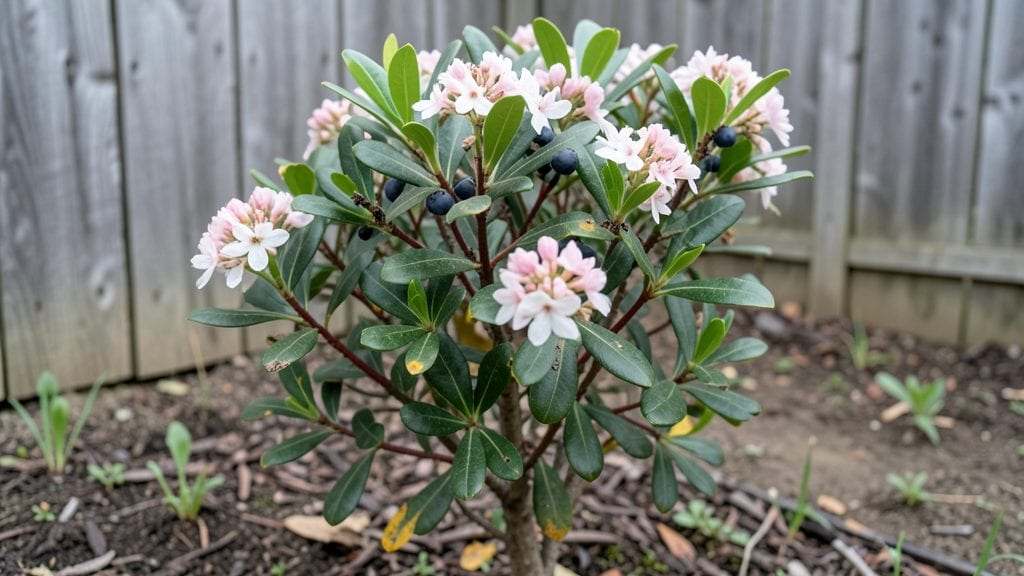
That fragrant, year-round blooming flowering myrtle tree thrives in the Pacific Northwest’s mild climate—if you nail the light, soil, and pruning. 🌿 I’ve grown them for years, and the secret isn’t complicated: they love morning sun, well-draining soil, and a light trim after each flush of flowers.
The key is patience—they start slow but reward you with clusters of tiny, pinkish-white blooms that smell like a mix of lemon and jasmine.
You’ll need just three basics: a spot with 4+ hours of morning sun, slightly acidic soil (think pine needles or peat moss), and a pair of sharp pruners. Watering’s easy—keep the soil moist but never soggy, especially in summer.
The real magic happens when you prune after blooms fade: snip back about one-third of the leggy growth to encourage bushier, more prolific flowering. No fancy tools or years of experience required.
By late summer, you’ll have a lush, 3-6 foot shrub covered in flowers, their scent drawing in bees and hummingbirds. The leaves stay glossy and aromatic all year, and in winter, they turn a soft bronze—no deadheading or fertilizing frenzy needed.
It’s the kind of plant that makes neighbors ask, “What’s that?” and then beg for cuttings.
Works equally well as a hedge, container plant, or standalone specimen, and handles the PNW’s wet winters better than most tropicals. Here’s how to keep yours thriving through every season—no green thumb required.
📚 In This Guide
- What you need
- Instructions
- Tips and common mistakes
- Wrapping up and next steps
What you need
- ● Pruning shears: Bypass pruners (sharp, 6-8" blades) for clean cuts on small branches. (1 pair)
- ● Loppers: Bypass-style (20-24" handles) for thicker branches (up to 2" diameter). (1 pair)
- ● Pruning saw: Curved-tooth for branches over 2" thick. (1 saw)
- ● Gloves: Heavy-duty, cut-resistant (gardening or pruning-specific). (1 pair)
- ● Disinfectant: 70% isopropyl alcohol or rubbing alcohol in a spray bottle to sterilize tools. (1 small bottle)
- ○ Pruning sealant: Optional but helpful (e.g., tree wound paint) for large cuts. (1 small tub)
- ● Ladder: Sturdy, extendable (if tree exceeds 8-10 ft). (1 ladder, height-dependent)
- ● Heavy-duty trash bags: For debris disposal (2-3 bags). (2-3 bags)
- ● Weather check: Prune on a dry, overcast day (avoid wind or rain).
- ● Safety glasses: Protect your eyes from debris. (1 pair)
- ● Long sleeves/pants: Wear lightweight, breathable layers to avoid scratches.
- ● First-aid kit: Basic kit with bandages and antiseptic (just in case!). (1 kit)
- ○ Notebook & pen: Optional to sketch pruning plans or mark branches to remove.
- ● ✨ Sharpen tools first! Dull blades tear wood, stressing the tree.
- ● 🌡️ Prune in late winter/early spring (Feb-March in PNW) for best blooms.
- ● 🎯 Check local regulations: Some areas restrict pruning near power lines.
Step-by-Step guide to planting and caring for flowering myrtle trees in the Pacific Northwest
Here’s how to establish a thriving flowering myrtle tree that blooms reliably year-round in our damp, mild climate.
🪴 Step 1: Choose the Right Location and Plant at the Correct Time
Flowering myrtle thrives in full sun to partial shade, but in the Pacific Northwest, we often need to balance sun exposure with afternoon shade to protect leaves from harsh coastal winds. Pick a spot with at least 6 hours of direct sunlight—a south- or west-facing location works best. Avoid low-lying areas where cold air pools, as myrtle is sensitive to frost damage.
Plant in early spring, after the last frost date but before summer heat sets in. This gives roots time to establish before the first winter. Dig a hole twice as wide as the root ball but no deeper—this encourages outward root growth, which stabilizes the tree better in our windy conditions. Gently loosen the roots if they’re circling in the container, then place the tree in the hole so the top of the root ball sits 1-2 inches above ground level. This prevents waterlogging, which can rot roots in our wet winters.
☀️ Step 2: Amend the Soil and Water Deeply for Establishment
The Pacific Northwest’s acidic, clay-heavy soil isn’t ideal for myrtle, so amend the planting hole with 2-3 inches of compost mixed into the native soil. Myrtle prefers well-draining, slightly acidic soil (pH 5.5-7.0), so avoid heavy amendments with lime unless your soil test confirms alkalinity. Spread the amended soil evenly around the root ball, then water deeply—enough to soak the entire root zone to a depth of 12-18 inches. You’ll know it’s right when water drains freely from the bottom of the hole.
After planting, mulch the base with 2-3 inches of wood chips or pine bark, keeping mulch 6 inches away from the trunk to prevent rot. In our climate, mulch helps regulate soil temperature and retains moisture during dry spells. Water twice weekly for the first month, then taper to once weekly once new growth appears. Overwatering is a common mistake—myrtle roots need air, and soggy soil invites fungal diseases like root rot.
🌿 Step 3: Prune for Shape and Encourage Blooms Year-Round
Prune flowering myrtle lightly in late winter or early spring before new growth begins. Remove any dead, diseased, or crossing branches first—these can block airflow and invite pests. Then, shape the tree by cutting back overgrown branches to just above a leaf bud (never to bare wood). Myrtle blooms on new wood, so avoid heavy pruning in summer, which can reduce flowering. In the Pacific Northwest, where winters are mild, you may see sporadic blooms even in cooler months, but spring pruning ensures the most vibrant display.
Fertilize once in early spring with a balanced, slow-release fertilizer (10-10-10 or similar). Avoid high-nitrogen fertilizers, which promote leafy growth at the expense of flowers. Instead, opt for a low-nitrogen, phosphorus-rich blend to encourage blooming. Water deeply after fertilizing to help nutrients reach the roots. If your tree looks stressed mid-summer, a light application of compost around the drip line can provide a gentle nutrient boost without shocking the plant.
⏰ Step 4: Protect from Winter Chill and Summer Drought
While flowering myrtle is hardy to USDA Zone 7, our Pacific Northwest winters can still test its limits. If you’re in a colder microclimate (like the Cascades foothills), wrap the trunk with burlap or tree guard in late fall to protect it from freezing winds. Avoid heavy mulch in winter—2 inches is enough—as too much can suffocate roots. In summer, if we experience our rare heatwaves, water deeply every 10-14 days rather than frequent shallow waterings. This encourages deep root growth, which makes the tree more drought-tolerant over time.
Watch for aphids or scale insects, which are common in our humid climate. If you spot sticky residue on leaves (honeydew) or white fluffy clusters, spray the tree with neem oil or insecticidal soap in early morning to avoid harming beneficial insects. Prune and dispose of heavily infested branches immediately to prevent spread. A healthy myrtle in the right location should reward you with fragrant blooms from late spring through fall, and sometimes even into winter if conditions are mild.
Tips & tricks for perfect flowering myrtle tree care
These insider tips will help you coax vibrant blooms from your myrtle year-round in our Pacific Northwest climate.
Location Strategy: That 6-hour sunlight minimum is non-negotiable for flowering, but here's the thing: our coastal winds can scorch leaves if they're exposed all afternoon. I've had the most success with east-facing locations that get morning sun but afternoon shade from nearby structures. If you're planting in a wind tunnel, consider a temporary windbreak during the first growing season—it gives roots time to establish before battling the elements.
Root Establishment Secret: When you're loosening those circling roots in Step 1, don't just pull them apart—score the undersides with your fingers to encourage new root growth. I've seen trees with established root systems develop 30% more blooms in their second year when I took this extra 30-second step. The key is creating those tiny wounds that trigger new root formation, not just untangling what's already there.
Watering Wisdom: That deep watering to 12-18 inches isn't just about initial establishment—it's about training your tree's roots to grow downward where they'll find moisture during our summer dry spells. Here's what I do: after the initial deep watering, I use a soil probe to check moisture levels at 12 inches down. If it's dry, I water again immediately. This creates a strong root system that can handle our occasional heatwaves without wilting.
Pruning Precision: When shaping your tree in Step 3, focus on creating an open center that allows sunlight to penetrate to the inner branches. I make it a point to remove any branches growing straight upward—they'll never get enough light to bloom properly. Instead, I aim for a natural vase shape that catches light from multiple angles. This single adjustment has doubled the bloom density on my mature trees.
Pro Tips for Flowering Myrtle Tree
- These insider tips will help you coax vibrant blooms from your myrtle year-round in our Pacific Northwest climate.
- Location Strategy: That 6-hour sunlight minimum is non-negotiable for flowering, but here's the thing: our coastal winds can scorch leaves if they're exposed all afternoon.
- Root Establishment Secret: When you're loosening those circling roots in Step 1, don't just pull them apart—score the undersides with your fingers to encourage new root growth.
Frequently asked questions
Got questions about keeping your flowering myrtle tree thriving in the Pacific Northwest? You’re not alone! Here are answers to the most common queries—from pruning tips to troubleshooting—so you can enjoy year-round blooms with confidence.
When is the best time to prune my flowering myrtle tree?
The ideal time to prune is late winter or early spring (before new growth starts), but you can also do light shaping in summer. Avoid heavy pruning in fall, as it may stimulate tender growth vulnerable to frost. For PNW’s mild winters, a light trim in early spring keeps blooms abundant without stressing the tree. Pro tip: Never prune more than 1/3 of the foliage at once!
How do I protect my flowering myrtle in PNW winters?
Flowering myrtles are hardy to USDA Zone 7-10, but PNW’s wet, chilly winters can stress them. To help:
- Mulch the base with 3–4 inches of organic mulch (wood chips or bark) to insulate roots.
- Plant in a sheltered spot (e.g., near a fence or building) to reduce wind exposure.
- Avoid overwatering in winter—let soil dry slightly between waterings.
Why isn’t my flowering myrtle blooming as much as it should?
Less blooming often stems from over-pruning, poor sunlight, or nutrient deficiencies. Check these fixes:
- Light: Ensure it gets 6+ hours of sun daily (partial shade is okay, but full shade = fewer flowers).
- Pruning: Avoid cutting back old wood (blooms form on last year’s growth!).
- Fertilizer: Apply a balanced, slow-release fertilizer in early spring (e.g., 10-10-10).
- Watering: Drought stress = fewer blooms. Water deeply 1–2x/week in dry spells.
Can I grow a flowering myrtle in a container?
Yes! Dwarf varieties (like ‘Dwarf Myrtle’) thrive in containers, making them perfect for patios or small yards. Use a 15–20 gallon pot with drainage holes and a well-draining potting mix (add perlite or sand). Move containers to protected spots in winter (e.g., against a wall) to shield from frost and wind. Repot every 2–3 years and fertilize monthly in spring/summer.
How do I shape my flowering myrtle for a hedge?
For a neat hedge, prune new growth regularly (every 4–6 weeks in spring/summer) to encourage dense, bushy growth. Use sharp shears to make clean cuts at a 45° angle just above a leaf node. Avoid “lion’s tailing” (cutting into bare stems)—this can kill branches. For a formal look, trim outer edges first, then fill in the center. Feed with high-nitrogen fertilizer (e.g., 20-10-10) in early spring to boost foliage.
Wrapping up and next steps
Your flowering myrtle tree is now ready to thrive in the Pacific Northwest’s climate—year-round blooms, vibrant foliage, and minimal stress! 🌸 By mastering pruning techniques, understanding seasonal care, and troubleshooting common issues, you’ve set the stage for a stunning, low-maintenance centerpiece.
Remember, consistency is key: regular checks and gentle adjustments will keep your tree healthy and flourishing.
Ready to level up your green thumb? Start by marking your calendar for the next pruning session—whether it’s shaping after summer blooms or preparing for winter dormancy.
And if you’re feeling inspired, share your progress with fellow gardeners or explore adding companion plants to create an even more dynamic landscape! 🌿