
Shrubs
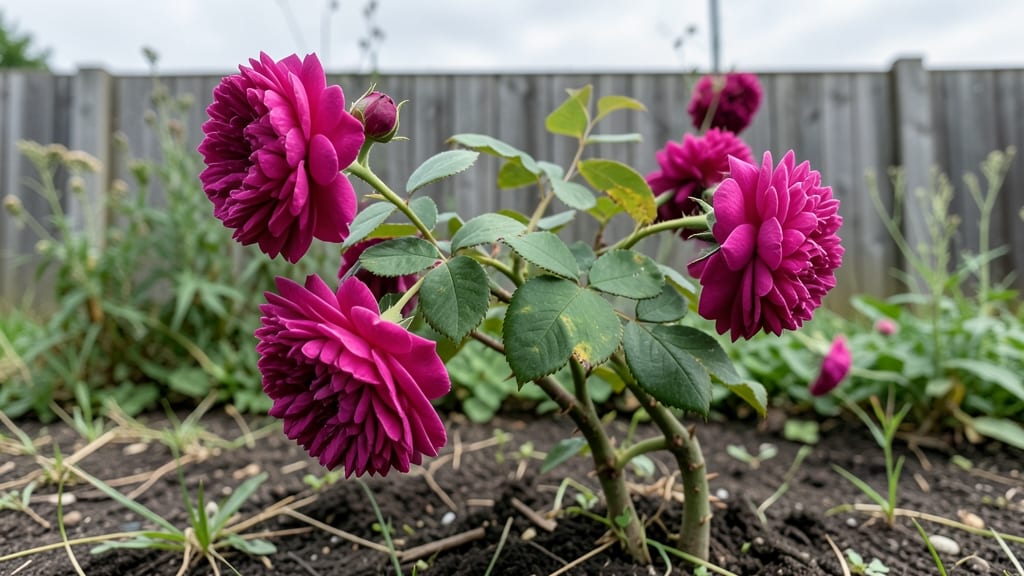
Your Pacific Northwest garden deserves the flowering peach Corinthian rose—a shrub that turns heads with its velvety blooms from spring to frost. 🌸 I planted mine last summer, and now it’s the star of my yard, thriving where other roses struggle.
This hardy hibiscus loves the cool, damp climate, and with the right care, it’ll reward you with nonstop color for years.
The secret to its success? Well-drained soil rich in organic matter and morning sun with afternoon shade—perfect for PNW gardens. Water deeply once a week (more in summer) and feed it in early spring with a balanced fertilizer.
Prune lightly after blooming to keep it compact, and watch those peach flowers multiply. It’s foolproof once you get the basics right.
What you’ll love most is how effortlessly it blooms—even in fall, when other shrubs have given up. The flowers attract hummingbirds, and the glossy green leaves stay lush all season. With minimal fuss, this rose becomes the showstopper your garden’s been missing. Let’s get yours growing strong.
Works beautifully in borders, as a specimen plant, or even in large containers. The key is patience—it takes a year to establish, but the payoff is vibrant, long-lasting blooms that outshine anything else in the garden. Ready to make it yours?
📚 In This Guide
- What you need
- Instructions
- Tips and common mistakes
- Wrapping up and next steps
What you need
- ● Flowering Peach Corinthian Rose plant (1–3 nursery-grown specimens, 3–5 ft tall, hardy to USDA Zones 7–9)
- ● Well-draining soil mix (equal parts garden soil, compost, and perlite/sand for aeration)
- ● 5-gallon container or planting hole (12–18" wide/deep, with drainage holes if potted)
- ● Organic mulch (3–4 inches of wood chips or pine bark to retain moisture)
- ● Balanced fertilizer (10-10-10 or organic options like fish emulsion, applied spring & early summer)
- ● Watering can or hose with gentle spray nozzle (for deep but gentle watering)
- ● Pruning shears (sterilized, sharp shears for shaping and deadheading)
- ○ Stakes or plant supports (optional but helpful for young/heavy blooms)
- ● Slow-release fertilizer tablets (for potted plants)
- ● Epsom salt (1 tbsp/month in water for magnesium boost)
- ● Frost cloth (for young plants in Zone 7 winters)
- ● Decorative rocks or pebbles (for a polished mulch look)
- ● Soil pH test kit (ideal range: 6.0–7.0)
Instructions for planting and maintaining a thriving Peach Corinthian rose
Here's how to coax year-round blooms from this stunning rose variety in the Pacific Northwest's mild, wet climate.
🌱 Step 1: Choose the Perfect Planting Location
Peach Corinthian roses thrive where they get 6+ hours of sunlight daily, but they tolerate partial shade better than most roses. In the PNW's cooler summers, a spot with morning sun and afternoon shade works beautifully. I always look for areas with good air circulation—this prevents fungal diseases that plague roses in damp climates.
Test your site by observing it for a week before planting. Watch for areas where water pools after rain or where cold air settles at night. The ideal spot will have well-draining soil and protection from harsh winds that can tear delicate blooms. Amend heavy clay soil with 3-4 inches of compost mixed into the top 12 inches of soil to improve drainage.
🪴 Step 2: Plant at the Right Time and Depth
Plant your Peach Corinthian rose in early spring or early fall when temperatures are mild. In the PNW, this means March-April or September-October. Dig a hole twice as wide as the root ball but no deeper—you'll see the roots spread naturally when you remove the plant from its container.
Place the rose so the graft union (the swollen area near the base) sits 2-3 inches above soil level. This prevents soil from covering the graft and encouraging suckers. Backfill with native soil mixed with a handful of bone meal for phosphorus to encourage strong root growth. Water deeply immediately after planting to settle the soil around roots.
☀️ Step 3: Water Deeply and Mulch Generously
Water your new rose once a week for the first month, providing 1-2 gallons per plant each time. You'll know you've watered enough when water drains out the bottom of the hole you dug. After establishment, water when the top 2-3 inches of soil feel dry—this encourages deep root growth that withstands PNW's rainy seasons.
Spread 3-4 inches of mulch around the base, keeping it 6 inches away from the stem to prevent rot. I use wood chips because they break down slowly and improve soil structure over time. This mulch layer also protects roots from winter cold snaps and summer heat waves that occasionally hit the PNW.
✂️ Step 4: Prune for Continuous Blooms
Prune your Peach Corinthian rose 3 times a year: in late winter (just before new growth starts), after the first flush of spring blooms, and again after summer blooms. Always use clean, sharp pruners to make cuts at 45-degree angles just above an outward-facing bud. This encourages bushier growth and more blooms.
Remove any dead, diseased, or crossing branches first. Then cut back last year's growth by about one-third. For established plants, you'll shape the plant by removing spent blooms regularly—a technique called deadheading. This stimulates continuous flowering throughout the PNW's mild seasons. Wear gloves when pruning to protect against thorns and potential fungal spores.
🌿 Step 5: Fertilize and Protect Through Seasons
Feed your rose with a balanced rose fertilizer (10-10-10) in early spring when new growth appears. Apply again in early summer and late summer for a total of 3 feedings per year. I always follow the package instructions for amounts—over-fertilizing leads to lush foliage but fewer blooms. Water thoroughly after each feeding to prevent root burn.
In the PNW's rainy climate, watch for signs of fungal diseases like black spot or powdery mildew. Spray plants preventatively with a neem oil solution (1 tablespoon per gallon of water) every 4-6 weeks during growing season. This organic treatment keeps pests and diseases at bay while maintaining your rose's natural beauty.
Tips & tricks for perfect Peach Corinthian rose care
These simple strategies will help you coax the most stunning year-round blooms from your Peach Corinthian rose, especially in the Pacific Northwest's challenging climate.
Location Scout: Before planting, spend a week observing potential spots. Look for areas where water pools after rain—Peach Corinthian roses hate soggy roots. I've seen roses planted in "perfect" spots fail because they were too close to downspouts or low-lying areas. The ideal location gets morning sun and afternoon shade, which protects delicate blooms from PNW's occasional summer heat waves while still providing enough light for continuous flowering.
Planting Depth Secret: When positioning your rose in Step 2, make sure the graft union stays clearly visible above soil level. I've made the mistake of burying it too deep, which caused suckers to sprout from below the graft. Use a small stake to mark the graft union's original position before planting—this helps you verify the 2-3 inch clearance later. The graft union is your plant's quality control center, so protecting it ensures those beautiful peach-colored blooms you're after.
Watering Wisdom: During that first critical month after planting, water deeply once a week—but don't set a timer. Instead, check if water drains out the bottom of your planting hole. This tells you whether you're providing enough moisture for those deep roots to establish properly. In the PNW's rainy climate, overwatering is just as dangerous as underwatering. Once established, let the top 2-3 inches of soil dry between waterings to prevent fungal issues that thrive in constantly wet conditions.
Pruning Pro Tip: When you're deadheading in Step 4, look for the first outward-facing leaf below the bloom. This is where you should make your cut at a 45-degree angle. I've seen gardeners cut too close to the stem, which leaves no leaf to produce energy for new growth. Making clean cuts at this precise point encourages bushier growth and more blooms—exactly what you want from this continuous-flowering variety. Always use sharp pruners to prevent tearing the stems.
Pro Tips for Flowering Peach Corinthian Rose
- These simple strategies will help you coax the most stunning year-round blooms from your Peach Corinthian rose, especially in the Pacific Northwest's challenging climate.
- Location Scout: Before planting, spend a week observing potential spots.
- Planting Depth Secret: When positioning your rose in Step 2, make sure the graft union stays clearly visible above soil level.
Frequently asked questions
Got questions about growing the stunning Flowering Peach Corinthian Rose? You’re not alone!
Here are answers to the most common queries—from planting to pruning—so you can keep this PNW showstopper thriving year-round.
When is the best time to plant a Flowering Peach Corinthian Rose in the Pacific Northwest?
The ideal window is late fall (October–November) or early spring (March–April). This gives roots time to establish before summer heat or winter chill. Avoid planting in extreme heat—bare roots dry out quickly! For container-grown plants, anytime is fine as long as soil temps are above 40°F.
How often does the Flowering Peach Corinthian Rose bloom, and what triggers its flowers?
This beauty blooms year-round in mild PNW climates, with peak seasons in spring and fall. Blooms are triggered by temperature shifts (like cool nights after warm days) and pruning (light pruning after blooms encourages new growth). Over-fertilizing with high nitrogen can reduce flowers—opt for balanced 10-10-10 instead!
Should I prune my Flowering Peach Corinthian Rose, and how?
Yes!
Prune right after blooming to shape the plant and encourage dense growth. Cut back 1/3 of the oldest stems to the ground and trim others to just above a leaf node. Avoid heavy pruning in late summer—it can stunt fall blooms. Sterilize shears with rubbing alcohol to prevent disease!
What pests or diseases should I watch for, and how do I treat them?
Common issues include:
- Spider mites: Yellowing leaves + fine webbing? Spray with neem oil or a strong water jet.
- Powdery mildew: White powder on leaves? Improve airflow and apply baking soda spray (1 tsp per quart of water + a drop of soap).
- Root rot: Yellow leaves + mushy stems? Ensure well-draining soil and avoid overwatering.
Healthy plants are resilient—mulch properly and water at the base to deter pests!
Can I grow a Flowering Peach Corinthian Rose in a container, and what size pot do I need?
Use a large container (at least 18–24 inches wide) with drainage holes. Opt for a mix of potting soil + perlite to prevent compaction. Move pots to partial shade in summer if your climate gets scorching. Container plants may bloom slightly less but still thrive with regular feeding (every 4–6 weeks).
Pro Tip:
For extra-long blooms, deadhead spent flowers gently (don’t cut into old wood) and fertilize lightly with fish emulsion in early spring. This PNW superstar rewards patience—happy growing!
Wrapping up and next steps
The Flowering Peach Corinthian Rose is your Pacific Northwest dream shrub—easy to grow, stunning year-round, and packed with resilience. With its fragrant blooms, lush foliage, and adaptability, it’s the perfect way to add color and charm to any garden without the fuss.
Whether you’re a seasoned gardener or just starting, this beauty rewards patience with effortless elegance.
Ready to transform your space? Start by selecting the right spot—sunny or partially shaded—and give it the care it deserves. Watch as your garden becomes a vibrant, low-maintenance haven! 🌸✨