Pruning
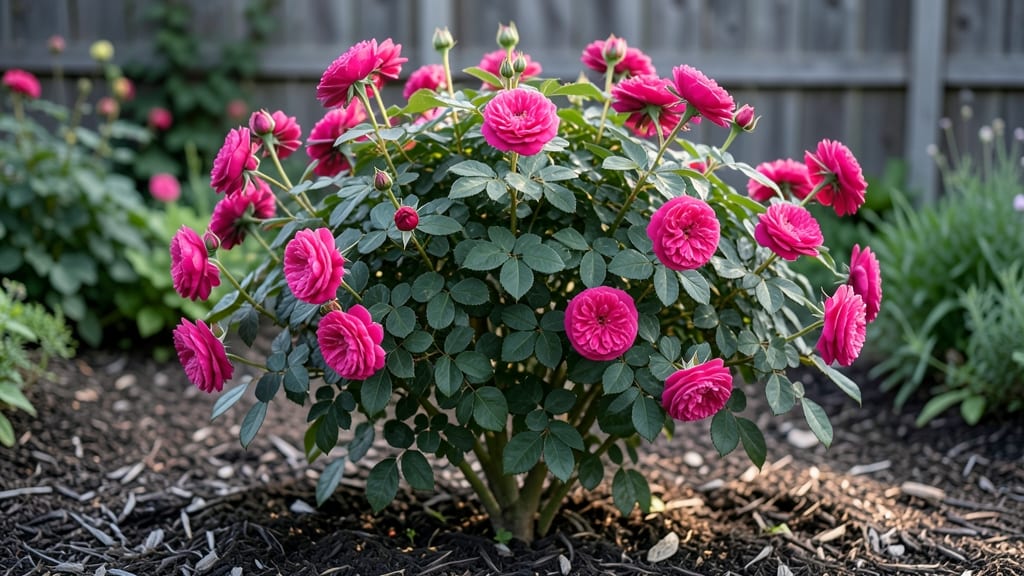
Pruning a flowering rose tree in the Pacific Northwest isn’t just about cutting back—it’s about reviving those frost-hardy blooms for another stunning season. 🌸 I’ve spent years watching my own roses bounce back after winter’s chill, and the secret lies in timing, technique, and a little patience.
The right cuts now mean fewer dead branches and more vibrant, repeat blooms by summer.
You’ll need sharp pruners, a clean workspace, and about an hour on a dry day. The goal is to shape the tree while removing dead wood and encouraging new growth from the base.
Start by cutting out any branches thinner than a pencil—these won’t produce strong blooms. Then, focus on opening up the center to improve airflow, which cuts back on disease and pests.
What you’ll end up with is a rose tree that looks like it just stepped out of a nursery, not one that’s been through winter. The blooms arrive earlier, last longer, and the plant itself stays healthier year after year.
Plus, you’ll save money on buying cut flowers when your own garden delivers.
This method works for both newly planted trees and established ones, whether you’re dealing with a small patio rose or a towering specimen. The key is consistency—prune at the right time each year, and your roses will thank you with showstopping color. Let’s get those shears ready!
📚 In This Guide
- What you need
- Instructions
- Tips and common mistakes
- Wrapping up and next steps
What you need
- ● Pro tip: 💡 Skip the sealant! Modern research shows it’s unnecessary for roses—just make clean cuts at a 45-degree angle (for stems > ½ inch) to promote faster healing.
Step-by-step instructions for pruning your flowering rose tree
Here's how to revive your Pacific Northwest rose tree's blooms while keeping it frost-hardy.
✂️ Step 1: Gather Your Tools and Timing
Wait until late winter or early spring—after the last frost date in your area—when your rose tree is still dormant but the buds are starting to swell. I use sharp pruning shears (not scissors) and rubbing alcohol to wipe them clean between cuts. A gardening glove protects against thorns, and a bucket catches the trimmings for compost.
Never prune in fall—new growth won't harden off before winter, and frost will damage tender shoots. The PNW's damp climate means fungal spores lurk everywhere, so sterilizing tools after each cut prevents black spot disease. I like to work on a dry morning when the air is still crisp—roses handle pruning better when the weather cooperates.
✂️ Step 2: Remove Dead or Diseased Wood
Scan your rose tree for blackened canes (disease) or brown, brittle branches (dead wood). Cut these out first—at the base where they meet the main trunk. I make my cuts at a 45-degree angle, about ¼ inch above a healthy bud facing outward. This encourages new growth to spread away from the center.
If you see sawdust-like powder on canes, that's a sign of fungal infection. Bag and discard these branches immediately—don't compost them. Healthy wood should snap cleanly when bent; if it bends without breaking, it's still alive. I always prune from the bottom up to avoid spreading sap from damaged branches to healthy ones.
✂️ Step 3: Thin Out Crowded Canes
Look for crossing branches or three or more canes growing from the same spot. These compete for nutrients and create weak blooms. Use your shears to remove the smallest or weakest cane, cutting just above an outward-facing bud. I aim to leave 3-5 strong, evenly spaced canes per section of the tree.
Thinning opens the center to sunlight and air, which prevents fungal issues. You'll see the tree's natural shape emerge as you work—let that guide you. If you're unsure which to keep, pick the one with the most buds or the thickest stem. I always step back every few minutes to check the balance from a distance.
✂️ Step 4: Shape for Airflow and Bloom Exposure
Step back and visualize your rose tree's structure. Prune to create an open center—this improves airflow and sunlight penetration, which means fewer diseases and more blooms. Cut back any branches that grow inward or rub against others. I like to leave the strongest, most outward-facing canes to form the tree's shape.
For a natural look, avoid over-trimming. Remove only one-third of the tree's total growth in a single session. If your rose tree has hip canes (last year's growth that blooms on old wood), leave these untouched—they produce the most flowers. I mark my cuts with a piece of twine tied around the branch to remind myself which ones to avoid.
💧 Step 5: Clean Up and Fertilize
After pruning, rake up all the trimmings and dispose of them in the trash—never compost diseased wood. I like to water deeply right after pruning to help the tree recover. Then, apply a balanced fertilizer (like 10-10-10) around the base, keeping it 6 inches away from the trunk to avoid burning roots.
Mulch with 2-3 inches of organic mulch (like wood chips) to protect roots from frost and retain moisture. I avoid piling mulch against the trunk—keep it 2 inches away to prevent rot. Your rose tree should now look balanced, with room for new growth and better airflow. Watch for new buds to swell in 4-6 weeks—that's your sign the pruning worked!
Tips & tricks for perfect flowering rose tree pruning
Pruning your Pacific Northwest rose tree the right way makes all the difference—here's how to avoid common mistakes and get stunning blooms.
Timing is Everything: The late winter to early spring window is critical because your rose tree needs time to recover before summer heat arrives. I check my local frost date and prune about 2 weeks after the last frost when buds start to swell but haven't opened yet. This timing ensures your rose has plenty of growing season ahead to establish new growth before winter returns. Between us, I've learned the hard way that pruning too early can expose tender new shoots to late frosts.
Tool Prep Prevents Problems: Sterilizing your pruning shears with rubbing alcohol between cuts is non-negotiable in the damp PNW climate. I keep a small spray bottle of 70% isopropyl alcohol handy and wipe down blades after every 3-5 cuts. This simple step prevents black spot disease from spreading through your tree. Don't make my mistake: I once skipped this with a rose that had fungal issues, and it took me two years to fully recover that bush!
Visual Cues for Healthy Cuts: When making your 45-degree cuts in Step 2, look for these visual clues: healthy wood should snap cleanly when bent (like a green twig), while dead wood will crumble. For bud selection, imagine the branch growing outward from the center—your cut should be just above a bud that's facing the outside of the tree. I draw a quick sketch in my gardening journal to visualize the tree's shape before I start cutting, which helps me see the big picture.
Post-Pruning Care Pays Off: After you've finished shaping, give your rose tree a deep watering to help it recover from the stress of pruning. I water slowly at the base until I see moisture seep into the soil about 6 inches down. Then I apply my balanced fertilizer (10-10-10) about 6 inches from the trunk—never right against it—to avoid root burn. The 2-3 inches of organic mulch I add next helps lock in moisture and protect roots from winter frosts, which is especially important in our rainy climate.
Pro Tips for Flowering Rose Tree
- Pruning your Pacific Northwest rose tree the right way makes all the difference—here's how to avoid common mistakes and get stunning blooms.
- Timing is Everything: The late winter to early spring window is critical because your rose tree needs time to recover before summer heat arrives.
- Tool Prep Prevents Problems: Sterilizing your pruning shears with rubbing alcohol between cuts is non-negotiable in the damp PNW climate.
Frequently asked questions
Got questions about keeping your flowering rose tree thriving in the Pacific Northwest? Here are answers to the most common queries—from pruning timing to frost resilience and beyond.
When is the best time to prune a flowering rose tree in the PNW?
The ideal time is late winter or early spring (February–March), just before new growth starts. This ensures you remove dead wood while avoiding late frosts. For mild PNW winters, prune after the last frost date (usually March–April) to protect blooms. Never prune in fall—it invites disease and weakens frost resistance.
How do I protect my rose tree from Pacific Northwest frosts?
Choose frost-resistant varieties like ‘Knock Out’ or ‘Dr. Huey,’ then:
- Mulch heavily (3–4 inches) with wood chips or straw.
- Wrap canes with burlap or frost cloth for young trees.
- Avoid pruning too late—wait until after the last frost.
- Water deeply before hard freezes to reduce stress.
Can I prune a flowering rose tree too much?
Yes! Over-pruning reduces blooms and weakens the tree. Stick to these guidelines:
- Remove no more than 1/3 of the tree’s height per year.
- Cut back to a bud facing outward (about ¼ inch above it).
- Avoid “heading back” (cutting mid-stem)—this encourages leggy growth.
What if my rose tree isn’t blooming after pruning?
Check these common culprits:
- Pruned at the wrong time: Spring-bloomers need pruning after they flower.
- Poor sunlight: Roses need 6+ hours of sun daily—PNW shade can stunt blooms.
- Over-fertilizing: Too much nitrogen = lush foliage, fewer flowers.
- Disease/pests: Black spot or aphids weaken the tree. Treat with neem oil or fungicide.
Are there low-maintenance alternatives to traditional rose trees?
If pruning feels overwhelming, try these PNW-friendly, low-maintenance bloomers:
- Knock Out® Roses: Disease-resistant, reblooms all season, and never needs deadheading.
- Spirea (e.g., ‘Goldflame’): Thrives in shade, drought-tolerant, and blooms spring–fall.
- Potentilla (Dasiphora): Handles frost, full sun/shade, and blooms 3x/year.
- Cotoneaster: Evergreen, berry-producing, and zero pruning needed.
Wrapping up and next steps
Growing a thriving, frost-resistant flowering rose tree in the Pacific Northwest is entirely within your reach—with the right pruning techniques and care! 🌸 By understanding seasonal timing, proper tools, and gentle yet effective cuts, you can revive your rose’s bloom potential while keeping it resilient against chilly winters. Your green thumb is all it takes!
Ready to see your rose tree flourish? Start by scheduling a pruning session this early spring—just as the first buds peek through. And if you’re feeling ambitious, experiment with grafting or propagating a cutting to expand your rose collection!
Every snip is a step toward a garden bursting with color. 🌿