Shrubs
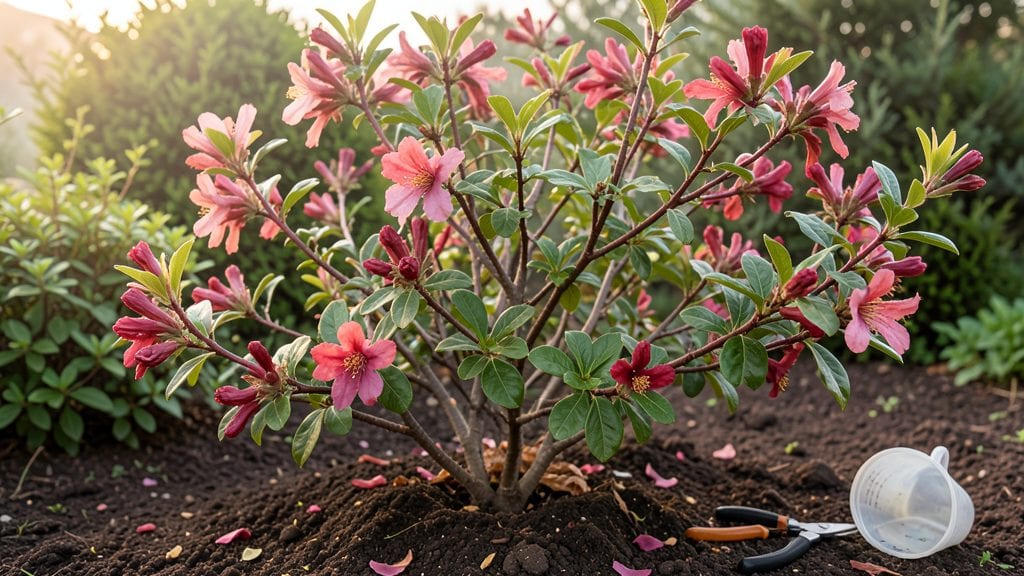
Flowering quince bushes (Chaenomeles speciosa) bring a burst of color to Pacific Northwest gardens with their hardy, frost-resistant blooms that appear before leaves even unfurl. I’ve grown these tough shrubs for years, and they’ve never failed to deliver—even after our harshest winters.
The secret lies in understanding their unique needs, especially when it comes to pruning at just the right time to encourage those vibrant, early-season flowers.
These bushes thrive in full sun to partial shade and adapt to almost any soil as long as it drains well. Plant them in early spring or fall, spacing them about 6 feet apart to give their roots room to spread.
Water them deeply after planting, then let nature take over—they’re surprisingly drought-tolerant once established. The real magic happens in late winter or early spring, when you prune to shape the bush and encourage next year’s blossoms.
By following a simple pruning calendar, you’ll end up with a bush covered in rosy-pink or white flowers that last for weeks, followed by ornamental fruit that adds texture to your garden.
The best part? These shrubs are nearly pest-free and rarely need chemical treatments. With just a little care, you’ll have a low-maintenance, long-lived plant that becomes the star of your landscape.
Whether you’re planting one as a focal point or lining a path, flowering quince bushes deliver year after year with minimal effort. The key is timing—prune after the last frost but before new growth starts, and watch your bush transform into a fragrant, colorful masterpiece. Ready to get started?
📚 In This Guide
- What you need
- Instructions
- Tips and common mistakes
- Wrapping up and next steps
What you need
- ● Flowering quince bushes: 1–3 plants (choose Chaenomeles speciosa or Chaenomeles japonica for best PNW resilience). Opt for 2–3-year-old nursery-grown plants for faster establishment.
- ● Well-draining soil: Native PNW soil (amend with compost or aged manure if heavy clay is present). Aim for a 6.0–7.0 pH.
- ● Mulch: 2–3 inches of wood chips, pine bark, or straw to retain moisture and regulate temperature.
- ● Garden trowel or spade (for planting/digging)
- ● Pruning shears (sharp, bypass-style, 6–8" blades for clean cuts)
- ● Gloves (heavy-duty for thorny stems)
- ● Watering can or hose with nozzle (drip irrigation ideal for new plants)
- ● Measuring tape or ruler (for spacing plants 6–8 feet apart)
- ○ Optional: Soil pH tester, fertilizer (balanced 10-10-10 or organic), plant support stakes (if needed for young bushes).
- ● Frost-hardy varieties: Confirm your quince is labeled for USDA Zones 5–8 (PNW fits perfectly!).
- ● Sunlight: Full sun (6+ hours/day) for optimal blooms. Partial shade (morning sun) works in hotter inland areas.
- ● Water access: Drought-tolerant once established, but deep water 1–2x/week for the first year.
- ● Winter prep: No extra protection needed—quince thrives in PNW winters!
How to prune flowering quince bushes in the Pacific Northwest
Here's the seasonal pruning schedule I've refined over years of growing quince in our rainy, mild climate.
Prune Immediately After Flowering
Cut back spent blooms as soon as they fade—usually in early May for Pacific Northwest gardens. This prevents seed formation and redirects energy into next year's flowers. I use sharp bypass pruners to make clean cuts just above a healthy leaf node or outward-facing bud. Never remove more than one-third of the plant in a single season, or you'll stress the bush.
Watch for new growth emerging from the base—this tells you where to focus future cuts. Remove any crossing branches now while they're still thin, as they'll compete for sunlight and weaken the plant. Quince responds well to pruning after flowering, so you'll see fresh, vigorous shoots within weeks.
Light Structural Pruning in Late Summer
In August, after the heatwave subsides, do a light cleanup of any dead, diseased, or weak growth. Quince bushes in the PNW often get fungal issues from summer humidity, so remove any branches with blackened spots or powdery residue immediately. Cut back to the nearest healthy growth point, sterilizing your pruners with rubbing alcohol between cuts.
This is also when I thin out overly dense areas to improve airflow. You'll notice the center of the bush filling in—open it up by removing branches that grow inward. Aim for an open vase shape that catches sunlight on all sides. Avoid heavy pruning now; just shape gently to maintain the bush's natural form.
Winter Dormant Pruning Before Bud Swell
Prune again in late January or early February, just as buds begin to swell but before new growth starts. This timing ensures the plant has time to heal before spring. Remove any dead wood first—quince branches often die back in winter, and dead wood can harbor pests. Then, cut back last year's growth by about one-third, making angled cuts just above an outward-facing bud.
Here's the thing—quince blooms on old wood, so never prune back into last year's flower stems. Look for the clusters of buds that formed after last year's flowers faded; these are your pruning guides. After finishing, spread 2-3 inches of wood chips around the base to protect roots from winter temperature swings.
Post-Frost Adjustments in Early Spring
If we get an unusually hard freeze in March, wait until after the last frost date to do any final adjustments. Quince is surprisingly cold-hardy, but new growth can still get damaged. Inspect the bush and remove any branches that look blackened or mushy—these won't recover. Prune these back to healthy wood immediately to prevent disease spread.
This is also when I check for water sprouts—those fast-growing, vertical shoots that appear after pruning. Snip these off at the base; they drain energy from flowering. After pruning, give the bush a deep watering to help it recover before the growing season kicks in. You'll see fresh, vibrant growth within a few weeks if everything's timed right.
Tips & tricks for pruning flowering quince bushes
These practical tips will help you maintain a healthy, productive quince bush year-round in the Pacific Northwest's unique climate.
Tool Preparation: Always sterilize your pruners between cuts using rubbing alcohol, especially when dealing with diseased wood in Step 2. I keep a small bottle of 70% isopropyl alcohol in my pruning tool kit—this prevents spreading fungal spores between branches. Sharp tools also make cleaner cuts that heal faster, so hone your bypass pruners regularly. For thick branches, use a pruning saw instead of forcing your shears.
Seasonal Timing Insight: The specific timing in each step matters more than you might think. In Step 1, pruning immediately after flowering (early May) prevents seed formation and directs energy to next year's blooms. In Step 3, pruning just as buds begin to swell (late January/February) gives the plant time to heal before spring growth starts. This timing ensures you're not removing potential flower buds that formed the previous year.
Visual Pruning Cues: When shaping your quince in Steps 2 and 4, look for these visual clues: remove branches growing inward toward the center of the bush, and keep only those growing outward. Aim for an open vase shape that catches sunlight on all sides. In Step 3, identify last year's flower stems by looking for clusters of buds that formed after last year's blooms—never prune into these areas, as they contain next year's flowers.
Post-Pruning Care: After each pruning session, especially in Steps 3 and 4, spread 2-3 inches of wood chips around the base of your quince bush. This mulch layer protects roots from temperature swings in our rainy PNW climate. I use locally sourced cedar chips, which also help suppress weeds and retain moisture. Water deeply after pruning to help the plant recover, particularly important after the winter dormant pruning in Step 3.
Pro Tips for Flowering Quince Bushes
- These practical tips will help you maintain a healthy, productive quince bush year-round in the Pacific Northwest's unique climate.
- Tool Preparation: Always sterilize your pruners between cuts using rubbing alcohol, especially when dealing with diseased wood in Step 2.
- Seasonal Timing Insight: The specific timing in each step matters more than you might think.
Frequently asked questions
Got questions about growing flowering quince bushes? You’re not alone! Here are some of the most common queries—plus straightforward answers to help you cultivate a thriving, fragrant hedge or ornamental centerpiece.
When should I plant flowering quince bushes in the Pacific Northwest?
Plant your flowering quince in early spring (March–April) or fall (September–October) for the best root establishment. The PNW’s mild winters mean fall planting is ideal—just avoid planting when the ground is frozen. Choose a spot with full sun to partial shade (at least 6 hours of sunlight daily) for optimal blooms.
Are flowering quince bushes frost-tolerant?
These hardy shrubs thrive in USDA Zones 4–8 and handle frost beautifully. In the PNW, they’re perfectly winter-hardy—no extra protection is needed unless you’re in a microclimate with extreme cold snaps (below 0°F). Their evergreen-like foliage even adds winter interest!
How and when should I prune flowering quince for maximum blooms?
Prune right after flowering (late spring, May–June) to encourage next year’s blooms. Avoid heavy pruning in fall—it can reduce winter hardiness. Focus on:
Flowering quince is low-maintenance, but keep an eye out for:
Resistant varieties like ‘Flore Pleno’ or ‘Coccinea’ are great choices for PNW gardens! Yes! Flowering quince adapts well to large containers (15+ gallons) if you:
Just note: Container-grown quince may need winter protection (burlap wrap) in harsh PNW microclimates.
What pests or diseases should I watch for with flowering quince?
Can I grow flowering quince in containers, or is it better in the ground?
Wrapping up and next steps
Flowering quince bushes bring stunning color and fragrance to your Pacific Northwest garden—with the right care, they’ll thrive even through frost! Whether you’re pruning for shape, health, or blooms, following a seasonal calendar ensures long-term beauty.
Start small, stay consistent, and soon your yard will be bursting with vibrant flowers and lush foliage.
Ready to transform your space? Pick a sunny spot, gather your tools, and begin your first pruning session this fall! 🌸✂️ Your quince bushes will thank you with years of effortless elegance.