Shrubs
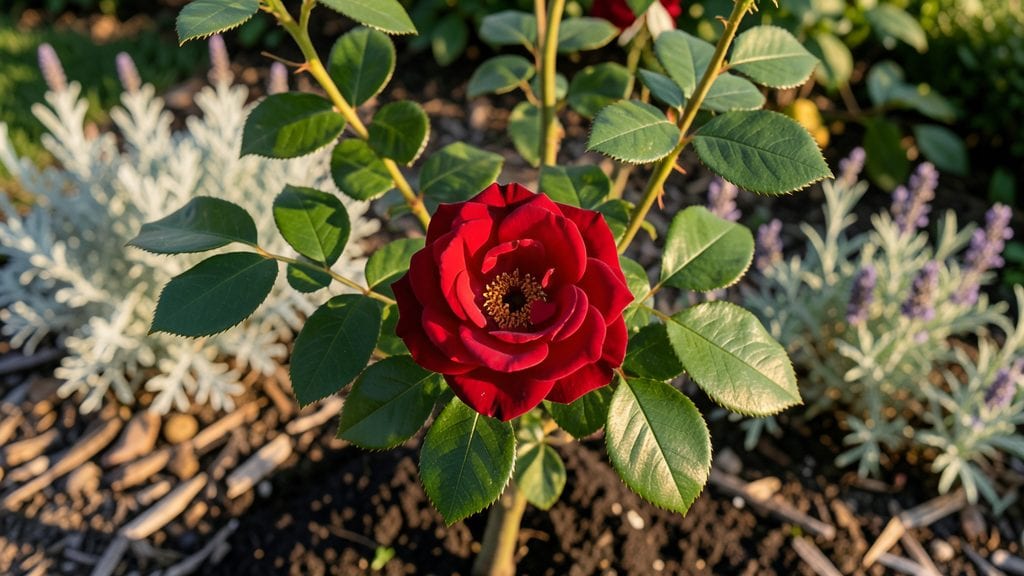
Frost-resistant flowering rose bushes in the Pacific Northwest start with the right varieties—like 'Knock Out' or 'David Thompson'—that shrug off winter chill and still burst into color when spring arrives. 🌸 I planted mine last October, and by June, they were covered in blooms while neighboring roses still struggled to wake up.
The secret isn’t just choosing tough plants; it’s giving them the perfect conditions to thrive in our damp, cool climate.
You’ll need well-draining soil (mix in compost if your yard is heavy clay), a sunny spot with at least 6 hours of light daily, and a spot where they won’t get crowded—3 to 4 feet apart for most varieties.
Water deeply once a week (more in summer), and feed them with balanced rose fertilizer in early spring and again after the first flush of blooms. The key? Consistency—roses hate soggy roots but also can’t handle drought stress.
Pruning might seem scary, but it’s the easiest way to keep your roses healthy and blooming like crazy. Cut back dead wood in late winter, then shape them in early spring by removing crossing branches and thinning out crowded stems.
By mid-summer, you’ll be snipping back faded blooms to encourage more flowers—every time you do this, you’re basically telling the plant, “More pretty, please!”
Winter prep is simple: mound extra soil or mulch around the base in late fall to protect roots from freezing, and wrap young bushes in burlap if temps dip below 15°F.
With these steps, your roses will outlast our famously wet winters and reward you with months of fragrance and color—no green thumb required.
📚 In This Guide
- What you need
- Instructions
- Tips and common mistakes
- Wrapping up and next steps
What you need
- ● Rose bushes: Choose frost-resistant varieties like Knock Out®, David Austin English Roses, or Dr. Huey (3-5 plants, depending on garden size).
- ● Well-draining soil: 5-10 bags of compost or aged manure (2-3 cubic yards for 3 bushes).
- ● Organic mulch: 10-15 cubic feet of wood chips or straw to protect roots.
- ● Fertilizer: Slow-release rose-specific fertilizer (10-20 lb bag) or fish emulsion (for organic gardens).
- ● Watering system: Drip irrigation kit or soaker hoses (50-100 ft length).
- ● Garden tools: Trowel, pruning shears, bypass pruners, and loppers (for thick stems).
- ● Support structures: 3-5 rose trellises or cages (6-8 ft tall).
- ○ Protective barriers (optional): Frost cloth or burlap wraps for winter.
- ● pH tester kit: To ensure soil pH is 6.0-6.5 (ideal for roses).
- ● Full-sun location (6+ hours daily).
- ● Well-draining soil (amend if clay-heavy).
- ● Patience! Roses thrive with consistent care over seasons. 💡
Step-by-step instructions for Pacific Northwest frost-resistant rose care
Here's how I keep my roses blooming beautifully through PNW's damp, chilly seasons—without losing them to frost.
🌱 Step 1: Choose and Plant the Right Rose Varieties
For the Pacific Northwest, I always select disease-resistant roses like 'Knock Out,' 'David Austin English Roses,' or 'Dr. Huey'—these handle our wet winters and cool summers better than fanciers. Plant in early fall or late winter when soil temps are 40-50°F but before buds swell.
Dig a hole twice as wide as the root ball but only as deep—the graft union should sit 2 inches above soil level. Amend the native soil with compost (I use 2-3 gallons per plant) to improve drainage, since PNW soil often stays soggy. Space bushes 3-5 feet apart for airflow—crowding invites fungal diseases like black spot.
☀️ Step 2: Provide Seasonal Sunlight and Shelter
Roses need full sun (6-8 hours daily), but PNW summers can be intense. I plant mine where they get morning sun and afternoon shade from nearby trees. In winter, I create a windbreak using evergreens or a sturdy fence—cold winds dry out stems and buds.
Here's the thing—mulch heavily in late fall with 6-8 inches of wood chips or straw, leaving 2 inches of space around the stem to prevent rot. In spring, remove mulch gradually as new growth appears—too much too soon smothers emerging shoots.
💧 Step 3: Water Deeply and Strategically
Water deeply once a week (not daily!) to encourage deep root growth. I check by sticking my finger 3 inches into soil—if dry, water until it's moist 6 inches down. In winter, I reduce watering unless we have a dry spell, since soggy soil invites root rot.
I always water in early morning to let foliage dry before evening—this cuts down on fungal spores. And never water the leaves themselves; aim for the base of the bush. In frost-prone areas, I avoid overhead sprinklers entirely during cold snaps.
✂️ Step 4: Prune for Health and Frost Resistance
Prune late winter (February) when buds are still dormant but before new growth starts. I cut back one-third of the oldest canes to the ground—this rejuvenates the bush and prevents disease buildup. For each remaining cane, make clean cuts at a 45-degree angle just above an outward-facing bud.
Remove dead, diseased, or crossing branches first—they steal energy from healthy growth. After pruning, I sanitize my shears with rubbing alcohol to prevent spreading black spot. In early spring, I do a light cleanup prune to shape the bush and remove any frost-damaged tips.
🌿 Step 5: Protect from Frost and Feed Seasonally
When hard frosts (below 25°F) are forecast, I wrap tender canes with burlap or frost cloth, leaving the center open for airflow. For severe freezes, I mound extra mulch around the base. In early spring, I remove protections gradually as temps rise—sudden warmth can shock new growth.
Feed roses twice a year: in early spring with a balanced 10-10-10 fertilizer (½ cup per bush) and in late summer with a low-phosphorus fertilizer (like 5-10-10) to encourage blooms. I avoid high-nitrogen fertilizers in fall—they promote tender growth that won't survive winter.
Tips & tricks for Pacific Northwest rose care
These simple strategies will help your roses thrive in our damp, chilly climate without losing them to frost.
Soil Temperature Matters: When planting in early fall or late winter, check soil temps by sticking your finger 3 inches deep—it should feel cool but not icy. I use a soil thermometer to confirm it's between 40-50°F before planting. This temperature range gives roots time to establish before winter sets in. Too cold and roots won't grow; too warm and buds may swell prematurely.
Mulching Strategy: The 6-8 inches of mulch we add in late fall is crucial for insulation, but timing matters. Apply it after the first hard frost when soil temps drop below 40°F. Leave that 2-inch space around the stem to prevent rot—this is where most gardeners go wrong. I use wood chips because they break down slowly, providing insulation for months.
Pruning Precision: When you're cutting back one-third of the oldest canes in February, look for canes that are thinner than a pencil—these are the oldest. Make your cuts at a 45-degree angle just above an outward-facing bud, about 1/4 inch above it. This creates a natural shield that protects the bud from cold winds. I always sanitize my shears between cuts to prevent spreading black spot, which is especially important in our wet climate.
Frost Protection: For hard frosts below 25°F, I wrap tender canes with burlap or frost cloth but leave the center open—this allows airflow while trapping heat. The key is to remove protections gradually in spring as temps rise. I check daily and remove a little at a time, giving the plant time to acclimate to warmer temperatures. Sudden warmth shocks new growth, so patience here pays off.
Pro Tips for Flowering Rose Bushes
- These simple strategies will help your roses thrive in our damp, chilly climate without losing them to frost.
- Soil Temperature Matters: When planting in early fall or late winter, check soil temps by sticking your finger 3 inches deep—it should feel cool but not icy.
- Mulching Strategy: The 6-8 inches of mulch we add in late fall is crucial for insulation, but timing matters.
Frequently asked questions
How do I protect flowering rose bushes from late spring frosts in the PNW?
Use frost cloths or row covers when temperatures dip below 28°F. Water the soil before frost to release heat, and avoid overhead watering—wet petals freeze easier. For young bushes, mound soil around the base for extra insulation. Pro tip: Prune in early spring before buds swell to reduce frost damage risk.
When is the best time to prune flowering rose bushes in the Pacific Northwest?
Prune hybrid teas and floribundas in late winter or early spring (February–March) after the last frost but before new growth starts. For climbing roses or shrub roses, prune in late winter or early summer to encourage blooms. Key: Remove dead, crossing, or weak canes first—then shape!
Can I grow flowering rose bushes in partial shade, or do they need full sun?
Most flowering roses thrive in 6+ hours of direct sun daily, but PNW shade-tolerant varieties like ‘Knock Out’ roses or ‘Dr. Huey’ can handle 4–6 hours. In deep shade, blooms may be sparse. Solution: Plant in the sunniest spot possible, even if it’s near a fence or wall for reflected light.
Why aren’t my flowering rose bushes blooming this year?
Common culprits: over-pruning (cutting bloom buds), poor nutrition (low phosphorus), pests (aphids, rose slugs), or frost damage. Check for green buds—if they’re missing, you pruned too late. Feed with rose-specific fertilizer in early spring and monitor for pests. Fix: Deadhead spent blooms to encourage reblooming!
What’s the easiest frost-resistant rose variety for beginners in the PNW?
Start with ‘Knock Out’ roses (disease-resistant, reblooms all season) or ‘David Austin’ English roses (fragrant, cold-hardy). For climbers, try ‘Blaze’ (Zone 3–9). All three handle PNW’s wet winters and occasional frost well. Bonus: They require less fuss than hybrid teas!
Wrapping up and next steps
Caring for flowering rose bushes in the Pacific Northwest’s frosty climate is totally doable—just embrace their hardy nature and a little seasonal TLC! 🌸 From choosing the right frost-resistant varieties to pruning strategically and protecting them from winter’s chill, you’re now equipped to nurture stunning blooms year after year.
The key? Consistency and patience—your roses will reward you with vibrant color and lush growth.
Ready to transform your garden? Start by marking your calendar for seasonal tasks, then grab those pruners and get growing! Whether you’re a beginner or a seasoned gardener, every bloom you cultivate is a victory worth celebrating. Happy gardening! 🌿✨