
Shrubs
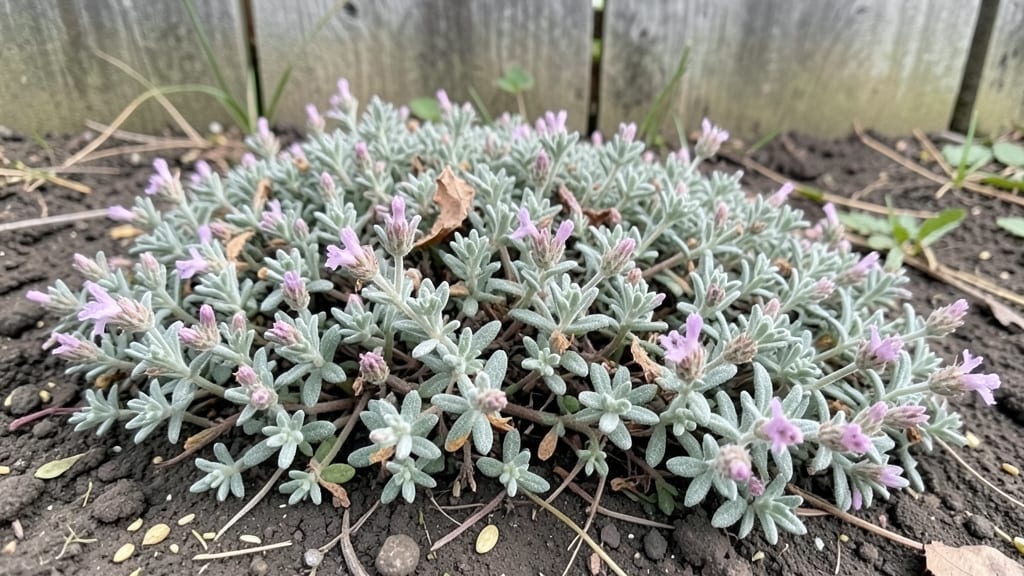
Flowering thyme edible isn't just a pretty garden accent—it's a dual-purpose powerhouse that turns your landscape into a fragrant, edible masterpiece. 🌿 I remember the first time I tasted the delicate peppery notes from my own plants, and it changed how I saw my herb garden forever.
This hardy perennial thrives in poor soil, resists pests, and rewards you with both culinary and ornamental value in one package.
The beauty of flowering thyme lies in its versatility—it grows happily in full sun or partial shade, making it perfect for borders, rock gardens, or even container plantings.
You'll harvest fresh leaves for cooking all season long, while the delicate pink, purple, or white blooms attract pollinators and add color to summer dishes. The peppery flavor works beautifully in marinades, soups, and even as a garnish for grilled meats or roasted vegetables.
By mid-summer, you'll have lush, aromatic foliage ready for the kitchen and stunning floral displays that last until frost. The plants stay compact (usually 6-12 inches tall) and spread slowly, making them ideal for small spaces or as edging plants.
Plus, they're deer-resistant and drought-tolerant once established, which means less work for you and more time enjoying the harvest.
Whether you're growing it for the kitchen, the garden, or both, flowering thyme delivers year after year with minimal effort. Let's get you started with the essentials for growing your own edible landscape gem—it's easier than you think!
📚 In This Guide
- What you need
- Instructions
- Tips and common mistakes
- Wrapping up and next steps
What you need
- ● Flowering thyme plants: 3–5 nursery-grown plants (look for Thymus vulgaris or Thymus serpyllum varieties with edible blooms).
- ● Well-draining soil: 10–15 lbs of potting mix or garden soil amended with perlite or sand (1 part perlite/sand per 3 parts soil).
- ○ Containers (optional but helpful): 6–8-inch pots (3–5 per plant) with drainage holes, or a sunny garden bed (6+ hours of sunlight daily).
- ● Organic fertilizer: Balanced 10-10-10 or low-nitrogen option (e.g., fish emulsion) for light feeding.
- ● Pruning shears: Sharp, sterilized shears for harvesting and shaping.
- ● Watering can or hose: With a gentle spray nozzle to avoid disturbing roots.
- ○ Gloves (optional): For handling soil or prickly stems.
- ● Sunlight access: A south- or west-facing window, balcony, or garden spot.
- ● Patience (😉): Thyme grows slowly—expect blooms in 6–12 months from seeds or 1–2 years from cuttings.
- ● 🌡️ Temperature: Thyme thrives in USDA Zones 5–9; protect young plants from frost (<32°F).
- ● ✨ Bonus: Add crushed eggshells to soil for calcium and deter pests.
Step-by-Step guide to growing edible flowering thyme
Thyme’s fragrant blooms and peppery leaves make it a garden star—here’s how to grow it successfully.
🌱 Step 1: Choose the Right Location and Soil
Thyme thrives in full sun—at least 6-8 hours daily. A south-facing spot with well-draining soil is ideal. If your soil is heavy clay, mix in 1 part sand or gravel per 3 parts soil to prevent root rot. Thyme’s shallow roots need air, so avoid compacted areas.
Test soil moisture by squeezing a handful—it should crumble easily. If it sticks together, amend with compost or coarse sand. I always plant mine on a slight slope to ensure excess water runs away from the roots.
🪴 Step 2: Plant Thyme in Containers or Garden Beds
For containers, use pots at least 6 inches deep and wide with drainage holes. Fill with a mix of 50% potting soil and 50% perlite or coarse sand. Space plants 8-12 inches apart in garden beds to allow airflow and prevent fungal issues.
Dig holes just deep enough to cover the plant’s root ball. Gently firm the soil around the base but avoid compacting it—thyme’s roots need room to breathe. Water lightly immediately after planting to settle the soil without displacing the roots.
☀️ Step 3: Water and Fertilize for Optimal Growth
Thyme is drought-tolerant once established, but young plants need consistent moisture. Water when the top inch of soil feels dry, usually every 5-7 days in warm weather. Overwatering causes root rot, so always check soil moisture before watering.
Fertilize lightly in spring with a balanced organic fertilizer (10-10-10). Too much nitrogen promotes leafy growth at the expense of flowers. I skip fertilizing after mid-summer to encourage blooms for late-season harvests.
✂️ Step 4: Prune and Harvest for Continuous Blooms
Pinch back the tips of new growth in early spring to encourage bushier plants. After flowering, trim back one-third of the plant to promote new growth and more blooms. Use clean, sharp shears to avoid damaging stems.
Harvest leaves and flowers regularly—you’ll get the best flavor and fragrance when you pick just before blooming. Snip stems with 4-6 inches of growth left on the plant to maintain its shape. Dry flowers for potpourri or use fresh in culinary dishes.
⏰ Step 5: Overwinter and Protect from Cold
Thyme is hardy in USDA zones 5-9, but young plants may need winter protection. Mulch around the base with 2-3 inches of straw or shredded leaves after the first frost to insulate roots. In containers, move pots to a sheltered spot or wrap them in burlap.
Prune back any dead or damaged growth in early spring. Thyme often greens up quickly once temperatures rise above 50°F. I’ve seen it bounce back from near-freezing temps—just give it time and proper care.
Tips & tricks for perfect flowering thyme cultivation
A few simple tricks will help you grow thriving edible thyme with abundant blooms and rich flavor.
Sunlight Secret: While 6-8 hours of sun is ideal, flowering thyme actually benefits from a bit more light if possible. In Step 1, if your garden gets afternoon shade, consider placing thyme in the sunniest spot you have—even 8-10 hours of sun will reward you with more vigorous growth and prolific blooms. The more sunlight, the more intense that peppery flavor becomes.
Soil Mixing Tip: When amending heavy clay soil in Step 1, don't just add sand—mix in some coarse sand or small gravel (about 1 part to 3 parts soil) AND a handful of perlite. This creates the perfect airy environment thyme's shallow roots crave. I've found that adding a thin layer of small pebbles around the base also helps with drainage during heavy rains.
Container Hack: For container growing in Step 2, use terracotta pots instead of plastic—they wick away excess moisture better. And here's a pro move: place a small layer of chicken wire or hardware cloth at the bottom of the pot before adding your soil mix. This prevents soil from escaping through drainage holes while still allowing water to flow freely.
Watering Wisdom: In Step 3, the "top inch feels dry" test works, but I've found a better method: stick your finger about 1 inch into the soil. If it feels dry all the way through, that's your cue to water. This prevents overwatering while ensuring consistent moisture for young plants. In warm weather, I water every 4-5 days rather than sticking to the 5-7 day rule—just check that soil moisture first.
Pro Tips for Flowering Thyme Edible
- A few simple tricks will help you grow thriving edible thyme with abundant blooms and rich flavor.
- Sunlight Secret: While 6-8 hours of sun is ideal, flowering thyme actually benefits from a bit more light if possible.
- Soil Mixing Tip: When amending heavy clay soil in Step 1, don't just add sand—mix in some coarse sand or small gravel (about 1 part to 3 parts soil) AND a handful of perlite.
Frequently asked questions
Can I eat flowering thyme, or should I remove the blooms first?
Flowering thyme is fully edible, and the blooms add a delicate floral note to dishes. The flowers are rich in antioxidants and pair beautifully with salads, teas, or desserts. Just ensure the plant isn’t treated with pesticides if foraging wild.
How long does flowering thyme take to grow and bloom?
Flowering thyme is fast-growing! From seed, expect 6–8 weeks for seedlings to establish, followed by blooms in 6–12 months (depending on climate). If planting cuttings or nursery starts, blooms may appear in as little as 3–4 months.
What are the best ways to use flowering thyme in cooking?
This herb shines in savory and sweet dishes. Try it in:
- Herb-infused oils or vinegars
- Stuffed poultry or fish (sprinkle blooms on top before baking)
- Honey or sugar syrups for cocktails
- Fresh salads or garnishes for a peppery crunch
Why isn’t my flowering thyme blooming? Troubleshooting tips.
Lack of blooms often signals over-fertilizing (too much nitrogen) or poor sunlight. Try:
- Moving to a sunny spot (6+ hours/day)
- Using low-phosphorus fertilizer (or none)
- Pruning spent blooms to encourage new growth
- Ensuring well-draining soil (thyme hates soggy roots)
What’s a good alternative if I can’t grow flowering thyme?
If you’re after edible blooms + flavor, try:
- Common thyme (milder, no flowers)
- Lavender (edible but stronger; use sparingly)
- Borage (blue flowers, cucumber-like taste)
- Nasturtiums (peppery leaves + blooms)
Wrapping up and next steps
Discovering flowering thyme as an edible herb opens up a world of culinary creativity and natural beauty! 🌸 Whether you're growing it in your garden or harvesting it fresh, its peppery zing and delicate blooms elevate dishes while adding a touch of elegance.
With its hardy nature and dual-purpose appeal—edible and ornamental—it’s a must-have for any herb enthusiast.
Ready to dive in? Start by planting a few sprigs in your garden or snagging a bundle from your local nursery. Once established, enjoy the rewards of homegrown flavor and stunning blooms—your kitchen (and garden!) will thank you.