
Flowers
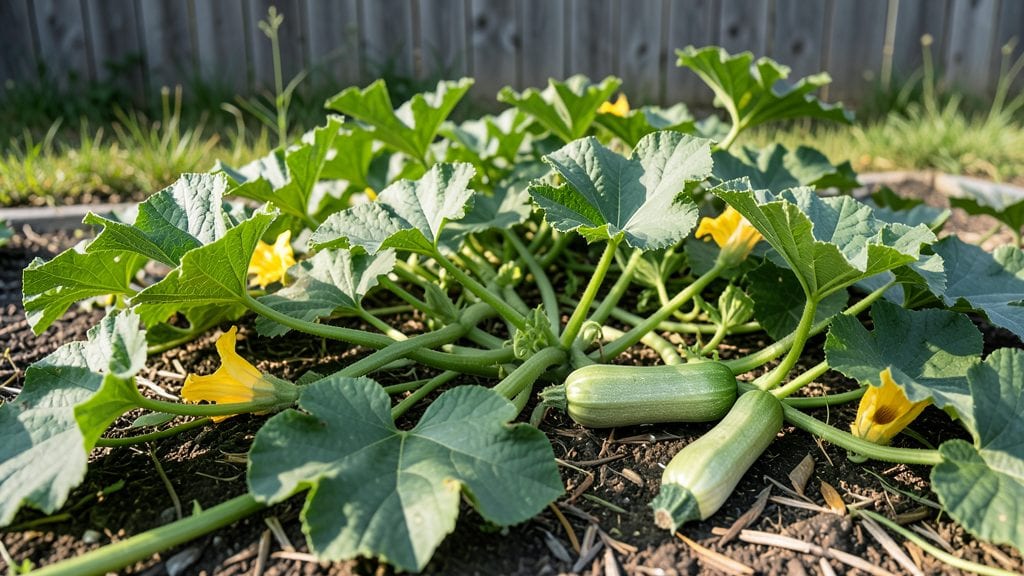
When your squash leaves turn yellow or flowers wilt mysteriously, the problem isn’t always obvious—but the solution often is. 🌿 I’ve spent years diagnosing why squash plants look sick, and the culprits range from fungal infections to hidden pests.
The key is catching issues early, before they spread to your entire harvest.
Powdery mildew leaves white residue on leaves, while downy mildew creates yellow patches on the undersides. Squash vine borers start with wilting vines, and aphids cluster on tender new growth. Each problem has a distinct visual signature, and knowing what to look for saves your crop before it’s too late.
Preventive measures like proper spacing, regular inspection, and organic sprays (neem oil or copper fungicide) work wonders. Once you recognize the signs, you can act fast—whether it’s pruning infected leaves or introducing beneficial insects. Your squash will bounce back stronger than ever.
This isn’t just about fixing problems—it’s about growing healthier, more productive plants. With the right approach, you’ll enjoy lush foliage and abundant blooms all season long. Let’s get your squash thriving again.
📚 In This Guide
- What you need
- Instructions
- Tips and common mistakes
- Wrapping up and next steps
What you need
- ● Squash leaves: 1–2 cups fresh, tender leaves (younger leaves taste milder)
- ○ Optional: 1 tbsp olive oil or butter for sautéing
- ● Squash flowers: 6–8 fully bloomed, pesticide-free flowers (choose butternut, zucchini, or delicata varieties)
- ● 1 tbsp all-purpose flour or cornmeal (for dredging)
- ● Basic pantry staples: 2 cloves garlic, minced
- ● 1 small onion, diced (or 2 tbsp green onions)
- ● Salt and black pepper to taste
- ● 1 tbsp lemon juice or red wine vinegar (for brightness)
- ● 2 tbsp fresh herbs (e.g., basil, parsley, or thyme)
- ● Cooking tools: Large skillet or sauté pan (10–12 inches)
- ● Chef’s knife and cutting board
- ● Tongs or slotted spoon
- ● Mixing bowl (for prepping flowers)
- ● 1 tbsp grated Parmesan or Pecorino Romano (for serving)
- ● Chili flakes or red pepper flakes (for heat)
- ● Toasted pine nuts or walnuts (for crunch)
- ● Fresh mozzarella or burrata (for a creamy twist)
- ● Wooden spoon (for stirring delicate leaves)
- ● Fine-mesh strainer (if blanching leaves)
- ● 🌱 Foraging note: Avoid leaves with holes (pests!) or yellowing edges. Flowers should be fully open but not wilted.
- ● 🔥 Prep ahead: Wash leaves and flowers gently—no soaking! Pat dry with a paper towel to avoid soggy cooking.
- ● 🌡️ Temperature control: Squash leaves cook fast (2–3 minutes max). Keep heat medium-high to avoid bitterness.
How to harvest and prepare edible squash leaves and flowers
Here's the simple, foolproof way to gather and use these delicate greens and blossoms.
🌿 Step 1: Identify and Select Healthy Leaves
Focus on young, tender leaves from summer squash varieties like zucchini or yellow crookneck—they're the mildest and most flavorful. Avoid older, tough leaves or those showing yellowing or spots, as these can be bitter or tough. I like to harvest leaves when they're about 4-6 inches long—this ensures they're still tender but large enough to work with.
Use clean, sharp scissors or pruning shears to cut leaves at their base, leaving the stem attached to the plant. This encourages new growth and prevents damaging the vine. Harvest in the morning when leaves are most hydrated and flavorful. I always wash the leaves thoroughly under cool water to remove any dirt or pesticide residue before using.
🌸 Step 2: Harvest Edible Flowers
Pick squash blossoms early in the morning when they're fully open but still fresh. Look for flowers that are fully bloomed but haven't started to wilt—they should be bright yellow or white, depending on the variety. Gently twist the flower stem to remove it without damaging the plant. Avoid harvesting flowers that have been visited by bees, as they may be slightly bitter.
Remove any green sepals (the leafy parts at the base of the flower) before using, as they can be tough. I like to harvest flowers when they're just beginning to open—this ensures they're at their peak flavor and texture. Store harvested flowers in a paper towel-lined container in the fridge for up to 2 days to keep them fresh.
💧 Step 3: Prepare Leaves for Cooking
Wash the leaves again under cool running water to remove any remaining dirt or debris. Pat them dry gently with a clean kitchen towel or paper towels. For tender young leaves, you can use them whole, but for slightly larger leaves, remove the tough central stem and chop the leaves into bite-sized pieces. I like to blanch the leaves for 30 seconds in boiling water, then plunge them into ice water to stop the cooking process—this helps preserve their vibrant color and tender texture.
Drain the blanched leaves well and pat them dry again. You can now use them in salads, sautéed dishes, or as a garnish. If you're not using them immediately, store the prepared leaves in an airtight container in the fridge for up to 3 days. For longer storage, you can freeze the blanched leaves in a single layer on a tray before transferring them to a freezer bag.
🌱 Step 4: Prepare Flowers for Use
Rinse the harvested flowers gently under cool water to remove any dirt or insects. Pat them dry thoroughly with a paper towel. To use the flowers, you can leave them whole for garnishing or chop them finely for adding to dishes. I often remove the stamens and pistils from the center of the flower before using them, as these parts can be slightly bitter. For a more delicate flavor, you can batter and fry the flowers, or add them to soups, salads, or pasta dishes.
If you're preparing the flowers for frying, dip them in a light batter made with flour, eggs, and a splash of milk or water. Fry them in hot oil until golden brown and crispy. Remove them from the oil and drain on a paper towel-lined plate. Use the fried flowers immediately or store them in an airtight container at room temperature for up to 1 day. For best results, use the flowers as soon as possible after harvesting to enjoy their delicate flavor and texture.
Tips & tricks for perfect squash leaves and flowers
Harvesting and preparing edible squash leaves and flowers takes just a few simple tricks to ensure you get the best flavor and texture.
Harvesting Strategy: When harvesting leaves in Step 1, focus on the outer leaves of the plant first—they're often larger and more mature, leaving the younger, more tender inner leaves for later harvests. This approach keeps your squash plant healthy and productive. Also, avoid harvesting more than one-third of the leaves at a time to prevent stressing the plant.
Flower Freshness: In Step 2, when harvesting flowers, look for ones that are fully open but haven't been visited by bees. Bee-visited flowers can develop a slightly bitter taste. Harvest flowers in the morning when they're most hydrated and flavorful. If you can't use them immediately, store them in a paper towel-lined container in the fridge for up to 2 days to maintain freshness.
Blanching Technique: The 30-second blanch in Step 3 is crucial for preserving the vibrant green color and tender texture of the leaves. Use a large pot of boiling water and have ice water ready in a separate bowl. Work in small batches to maintain even cooking. After blanching, immediately transfer the leaves to the ice bath to stop the cooking process completely.
Frying Flowers: For Step 4, when frying the flowers, maintain the oil temperature at 350°F for crispy results. Use a thermometer to monitor the temperature—it's easy to let the oil get too hot. Fry the flowers in small batches to avoid overcrowding, which can lower the oil temperature and result in soggy flowers. Drain them on a paper towel-lined plate to remove excess oil.
Pro Tips for Squash Leaves And Flowers
- Harvesting and preparing edible squash leaves and flowers takes just a few simple tricks to ensure you get the best flavor and texture.
- Harvesting Strategy: When harvesting leaves in Step 1, focus on the outer leaves of the plant first—they're often larger and more mature, leaving the younger, more tender inner leaves for later harvests.
- Flower Freshness: In Step 2, when harvesting flowers, look for ones that are fully open but haven't been visited by bees.
Frequently asked questions
Got questions about harvesting, cooking, or growing squash leaves and flowers? You’re in the right place! Here are answers to the most common curiosities—from timing to troubleshooting—so you can confidently enjoy this edible garden treasure.
When is the best time to harvest squash leaves and flowers?
Harvest young leaves (3–5 inches long) and tender flowers when fully open but still fresh—usually in the morning after dew dries. Avoid over-picking; leave enough foliage for the plant to photosynthesize. For flowers, trim the stem just below the blossom to encourage more growth. Pro tip: Use a sharp knife or scissors to prevent tearing!
Can I substitute squash leaves for spinach in recipes?
Squash leaves are milder and sweeter than spinach, making them perfect for sautéing, soups, or stuffing. Swap them 1:1, but blanch them first (30–60 seconds) to soften their texture. Pair them with garlic, olive oil, and lemon for a bright, fresh flavor. Pro tip: Try them in risottos or as a pizza topping for a unique twist!
What should I do if my squash leaves turn yellow or wilt?
Yellowing leaves often signal overwatering, underwatering, or nutrient deficiencies (like nitrogen). Check soil moisture—it should be damp but not soggy—and amend with compost if needed. Wilting can also mean heat stress; provide afternoon shade in hot climates. Pro tip: Avoid harvesting from stressed plants; let them recover first!
Are squash flowers edible raw, or do they need cooking?
Both! Young, tender flowers can be eaten raw in salads for a delicate crunch, but most people prefer them lightly cooked (sautéed, fried, or stuffed) to enhance their flavor. Remove the stamen to avoid bitterness. Pro tip: Dip them in batter and fry for a crispy, edible "squash blossom" treat!
How do I encourage more squash leaves and flowers?
Prune excess vines to redirect energy to leaf and flower production, and fertilize with a balanced organic fertilizer (like 10-10-10) every 3–4 weeks. Ensure full sun (6+ hours/day) and well-draining soil. Pro tip: Hand-pollinate flowers with a small brush if bees are scarce—this boosts fruit and flower yield!
Wrapping up and next steps
From vibrant squash leaves to delicate edible flowers, this versatile plant offers a world of flavor and nutrition right in your kitchen!
Whether you’re a seasoned forager or just dipping your toes into culinary adventures, these greens and blooms are a game-changer for adding fresh, earthy notes to your dishes. 🌿
Ready to elevate your meals? Start by harvesting with care—then experiment with recipes like sautéed greens, floral garnishes, or even homemade pesto. The next time you spot these edible treasures, grab a basket and let your taste buds lead the way!