
Flowers
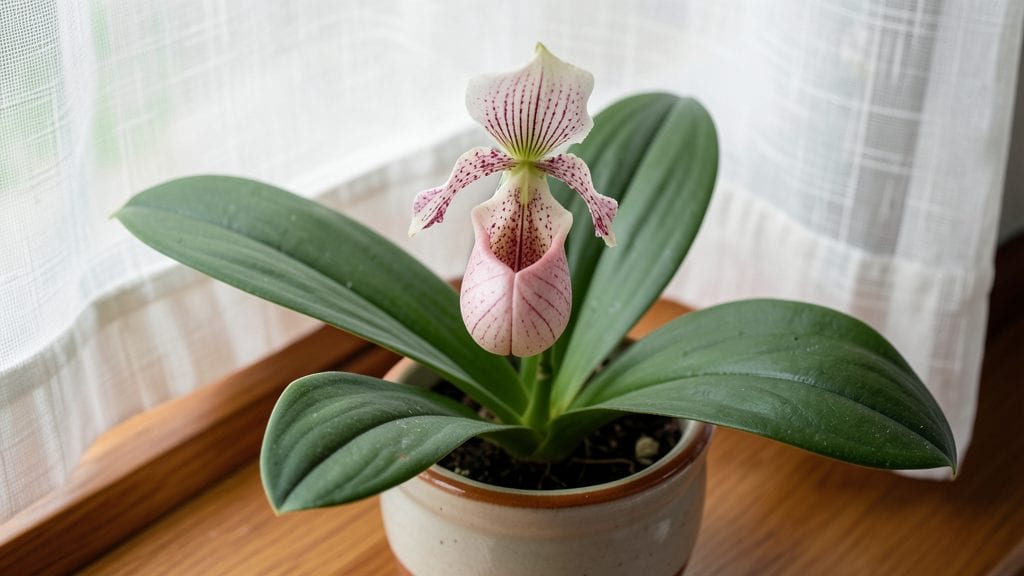
January might feel like a dormant month for flowers, but flowers in season in January prove winter can be just as vibrant as summer—if you know where to look. 🌸 I’ve spotted snowdrops peeking through frost-kissed lawns and hellebores unfurling their delicate blooms in my own yard, defying the cold with stubborn grace.
These hardy beauties aren’t just surviving; they’re thriving, offering color and life when most gardens lie quiet.
The secret to their success? Many of these blooms are native to regions with cold winters or adapted to indoor conditions. Think winter jasmine climbing trellises, camellias draped in glossy petals, or even amaryllis forced into bloom with a little coaxing.
They require minimal fuss—just consistent moisture, shelter from harsh winds, and a spot where they can bask in winter sunlight. My hellebores, for instance, return year after year with almost no care, their dark leaves and nodding flowers a welcome sight after months of brown.
What you’ll love most is how these flowers transform a winter garden into a sanctuary. Imagine the soft pink of winter daphnes filling the air with fragrance, or the bold crimson of paperwhite narcissus brightening a windowsill.
They’re not just pretty—they’re resilient, proving that beauty doesn’t need warmth to flourish. With a few strategic choices, your January garden can be just as lively as any summer border.
Whether you’re working with outdoor beds, containers on a porch, or indoor pots, these blooms adapt easily. Start with a mix of evergreens like boxwood for structure, then layer in winter-blooming stars like witch hazel or mahonia for texture and color.
The key is to embrace their natural rhythms—these flowers want to bloom in winter, and with a little support, they’ll reward you with effortless elegance.
📚 In This Guide
- What you need
- Instructions
- Tips and common mistakes
- Wrapping up and next steps
What you need
- ● Hardy winter flowers: Bulbs like crocus, snowdrops (galanthus), hellebores, winter aconite, and paperwhite narcissus (10–20 bulbs per variety, depending on desired coverage).
- ● Potting mix: Well-draining, peat-based or coco-coir blend (5–10 gallons, depending on container size).
- ● Containers: Small pots (6–8 inches): For forcing bulbs indoors (1–2 bulbs per pot).
- ● Large planters (12+ inches): For garden beds or outdoor arrangements (3–5 bulbs per square foot).
- ● Gravel or pebbles: 1–2 inches (for drainage at the bottom of pots).
- ● Slow-release fertilizer: Balanced 10-10-10 or bulb-specific formula (1 tbsp per pot).
- ● Mulch: Straw or shredded bark (2–3 inches) for outdoor beds.
- ● Garden trowel or bulb planter: For digging holes (6–8 inches deep).
- ● Watering can or hose with gentle nozzle: Avoid overwatering bulbs.
- ● Pruners or shears: For trimming spent foliage (sterilized with rubbing alcohol).
- ○ Glove: Optional but helpful for handling thorny stems (e.g., hellebores).
- ● Sunlight check: Identify a spot with partial shade to full sun (6+ hours for outdoor plants).
- ○ Indoor forcing setup (optional): Cool, dark space (e.g., basement or garage) for 8–12 weeks before blooming.
- ● Bright, indirect light (e.g., near a north-facing window) once sprouts appear.
- ● 🌡️ Chill time matters: Most bulbs need 4–6 weeks of 40–50°F (4–10°C) to trigger blooms.
- ● ✨ Layer bulbs: Plant taller varieties (e.g., crocus) in front of shorter ones (e.g., snowdrops) for a cascading effect.
- ● 💧 Water wisely: Outdoor bulbs need minimal water; indoor pots should stay slightly moist but not soggy.
How to select and care for hardy January-blooming flowers
Winter doesn't have to mean a colorless garden. These cold-resistant blooms thrive when others fade.
🌱 Step 1: Identify Your Climate's Winter-Bloomers
Start by researching flowers native to your hardiness zone that bloom in January. Snowdrops (Galanthus), hellebores (Helleborus), and winter aconite (Eranthis hyemalis) are classic choices that handle frost beautifully. I always check my local nursery's winter catalog—they'll highlight varieties that perform best in your area.
Look for plants labeled as "winter-hardy" or "evergreen." These terms mean the flowers and foliage survive temperatures below 32°F without protection. If you're in a warmer zone (Zones 8-10), consider winter jasmine (Jasminum nudiflorum) or camellias (Camellia spp.), which bloom even when others are dormant.
☀️ Step 2: Prepare Planting Sites for Winter Exposure
Choose locations with partial shade—morning sun and afternoon shade protect blooms from harsh winter winds. I avoid full sun spots because the combination of cold and direct light can scorch delicate petals. Amend the soil with 2-3 inches of compost before planting to improve drainage and nutrient retention.
For container-grown winter bloomers, use pots with drainage holes and fill with a mix of 50% potting soil and 50% perlite. This prevents root rot from winter moisture while keeping roots insulated. Place containers against a south-facing wall or under an overhang to shield them from freezing winds.
💧 Step 3: Water and Mulch for Winter Resilience
Water established winter flowers once every 2-3 weeks unless you experience a dry spell. The goal is to keep the soil slightly moist but never soggy—overwatering in cold weather suffocates roots. I use a soaker hose set to low to avoid disturbing the soil surface or displacing mulch.
Apply 3-4 inches of mulch (straw, shredded bark, or pine needles) after the ground freezes but before heavy snowfall. This insulates roots while allowing moisture to penetrate. Check mulch levels monthly—snow can compact it, reducing effectiveness. Avoid piling mulch against stems, as this traps moisture and invites rot.
✂️ Step 4: Prune and Protect for Long-Term Health
Deadhead spent blooms in late winter (February) to encourage new growth, but never prune until after the last frost date. Cut back damaged stems to just above a healthy bud or leaf node. I use sterilized pruners to prevent spreading disease between plants.
For extreme cold snaps (below 15°F), cover tender winter bloomers with frost cloth or a lightweight blanket. Secure the fabric loosely to allow airflow—trapped heat can be worse than frost. Remove covers during the day if temperatures rise above 40°F to prevent overheating.
🌿 Step 5: Monitor for Pests and Adjust Care
Winter pests like aphids or scale can still attack dormant plants. Inspect leaves and stems monthly for sticky residue or tiny insects. Spray with neem oil solution (1 tbsp oil per quart of water) if you spot infestations—it’s safe for plants and wildlife.
Fertilize lightly in early spring (February) with a balanced 10-10-10 formula to replenish nutrients lost over winter. Avoid high-nitrogen fertilizers, which promote leafy growth at the expense of blooms. Water deeply after fertilizing to help roots absorb nutrients before active growth begins.
Tips & tricks for perfect January blooms that thrive in winter
These practical tips will help you keep your winter garden vibrant and healthy when others are dormant.
Climate-Specific Selection: In Step 1, don't just grab the first winter-hardy flowers you see—check your hardiness zone first. Snowdrops and hellebores thrive in colder zones (below 32°F), while winter jasmine and camellias need milder winters (Zones 8-10). Your local nursery can help match plants to your climate, which makes all the difference in survival rates.
Soil Preparation Trick: When amending soil in Step 2, mix in a handful of worm castings along with your 2-3 inches of compost. The extra nutrients help winter bloomers establish strong roots before spring growth. I've seen hellebores grow twice as vigorously when planted in this enriched soil compared to regular compost alone.
Winter Watering Secret: The 2-3 week watering schedule in Step 3 can be tricky—overwatering is the #1 mistake I see. Instead of sticking to a calendar, check soil moisture by pushing your finger 2 inches deep. If it feels dry, water; if it's damp, wait. A soaker hose set to low helps distribute water evenly without disturbing mulch or displacing plants.
Mulch Application Tip: For Step 3's mulching, spread the 3-4 inches evenly but leave a 2-inch gap around stems. This prevents rot while still insulating roots. I like using shredded bark because it breaks down slowly and adds organic matter to the soil as it decomposes—it's like free fertilizer for next year's blooms.
Pro Tips for Flowers In Season In January
- These practical tips will help you keep your winter garden vibrant and healthy when others are dormant.
- Climate-Specific Selection: In Step 1, don't just grab the first winter-hardy flowers you see—check your hardiness zone first.
- Soil Preparation Trick: When amending soil in Step 2, mix in a handful of worm castings along with your 2-3 inches of compost.
Frequently asked questions
Got questions about winter blooms? You’re not alone! Here are some of the most common queries about flowers in season in January—plus quick, practical answers to keep your garden (or bouquet) thriving.
Why are there so few flowers blooming in January?
January’s cold snap slows growth, but winter-hardy flowers like hellebores, winter jasmine, and camellias evolved to defy frost. Many perennials are dormant, storing energy for spring—so focus on evergreens, shrubs, and bulbs like snowdrops that refuse to quit!
Can I still plant flowers in January?
January is perfect for bare-root plants (like roses or fruit trees) and bulbs (tulips, daffodils). For tender annuals, wait until after the last frost (check your USDA zone). Pro tip: Mulch newly planted perennials to protect roots from freeze-thaw cycles.
What’s the best way to keep cut January flowers fresh?
Winter air is dry—trim stems at an angle, use lukewarm water (not cold), and add a splash of bleach (1 tsp/gallon) or floral preservative. Change water every 2–3 days and avoid direct sunlight. Hellebores and camellias last longest (7–10 days) if you snip them early in the morning!
Are there any January flowers that attract pollinators?
Most bees and butterflies nap in winter, but winter jasmine and early-blooming crocuses can lure hardy pollinators like mason bees. For year-round buzz, plant evergreen shrubs (like mahonia) or ornamental grasses—they provide shelter and early nectar when spring arrives.
What if my January flowers look sad or wilted?
Don’t panic! Yellow leaves? Likely overwatering—winter soil stays soggy. Brown edges? Could be winter burn (wind + frost). Try lightly fertilizing (use a balanced 10-10-10 in early spring) and prune dead growth after blooms fade. Most perennials bounce back once temps rise!
Still stumped? Drop your question below—we’re happy to help you turn your January garden into a frost-resistant paradise!
Wrapping up and next steps
January might feel like the quietest month in the garden, but these hardy blooms prove winter can be just as vibrant! From hellebores to winter jasmine, these flowers bring color, texture, and life to chilly days—without needing a greenhouse.
Whether you’re a seasoned gardener or just starting, there’s no better time to embrace winter’s beauty and plan your spring blooms.
Ready to bring a little cheer to your space? Start small—add a single snowdrop or camellia to your windowsill or garden bed, and watch how it transforms your winter vibes. Explore our seasonal planting guide to keep the magic growing all year round! 🌸❄️