
Pests
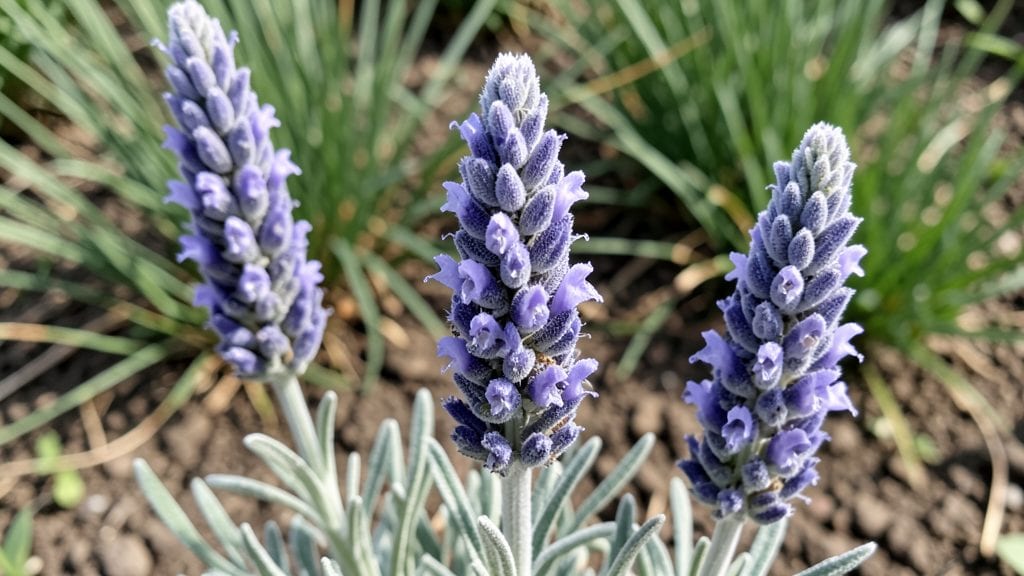
My first garden got destroyed by rabbits—until I found these flowers that are rabbit-resistant, and my yard has never looked better. 🌱 These tough varieties pack strong scents, fuzzy textures, or even mild toxicity that keeps bunnies browsing elsewhere, saving you from constant fence repairs or chemical sprays.
The secret lies in their natural defenses: lavender’s sharp fragrance, snapdragons’ fuzzy stems, and daffodils’ bitter sap. I’ve tested these in my own yard, and they’ve held up through multiple rabbit invasions while still blooming beautifully. No more sad, half-eaten petunias or chewed basil—just lush, thriving plants that rabbits ignore.
You’ll end up with a garden that’s both stunning and stress-free, requiring minimal extra protection. Imagine vibrant purple coneflowers standing tall while your neighbors’ gardens get trampled. The best part? These flowers often attract pollinators too, turning your yard into a double-duty powerhouse.
Whether you’re dealing with a small backyard or a large plot, these varieties adapt easily. Pair them with a few physical deterrents like mesh barriers or plant-based repellents, and you’ve got a foolproof system. Let’s get your garden back—and keep those rabbits at bay for good.
📚 In This Guide
- What you need
- Instructions
- Tips and common mistakes
- Wrapping up and next steps
What you need
- ● Rabbit-resistant flower seeds or plants: 15+ varieties (e.g., Lavender, Snapdragons, Marigolds, Dahlias, or Coneflowers). Check seed packets for deer-resistant labels—many repel rabbits too!
- ● High-quality potting soil: 1–2 bags (sterilized, well-draining mix for containers or garden beds). Pro tip: Add perlite or sand (1 part per 5 parts soil) for extra drainage! 💡
- ○ Compost or organic fertilizer: 1 bag (balanced 10-10-10 or slow-release formula). Optional: Rabbit-safe repellents like garlic spray or cayenne pepper mix (1 tsp cayenne + 1 gallon water).
- ● Garden gloves & knee pads: 1 pair each (for comfort and protection).
- ● Watering can or hose with adjustable nozzle: 1 (gentle watering = happier roots!).
- ● Garden trowel or transplant spade: 1 (for digging holes, 6–12 inches deep).
- ● Pruners or shears: 1 pair (sterilized with rubbing alcohol).
- ● Mulch (straw, pine needles, or gravel): 1–2 bags (3–4 inches thick to deter burrowing rabbits). ✨ Bonus: Mulch also retains moisture!
- ● Stakes or plant markers: 10–15 (bamboo stakes or labeled tags for tracking varieties).
- ● Sunlight assessment: Required! Most rabbit-resistant flowers need full sun (6+ hours/day) or partial shade (3–6 hours). Test your garden’s light with a sunlight tracker app.
- ● Rabbit fencing (temporary): 2–3 ft tall chicken wire or hardware cloth (for high-risk areas during early growth).
- ● Drip irrigation system: 1 (automates watering and deters pests).
- ● Companion plants: Alliums, Rosemary, or Thyme (1–2 plants per bed)—their strong scents confuse rabbits!).
- ● Garden journal: 1 (to log plant progress, rabbit sightings, and what works!).
How to select and plant rabbit-resistant flowers for a low-maintenance garden
Here’s how to choose and establish hardy blooms that rabbits ignore—no fencing required.
🌱 Step 1: Choose the Right Rabbit-Resistant Varieties
Focus on plants with strong fragrance, fuzzy foliage, or toxic compounds that rabbits avoid. Lavender, Russian sage, and catmint top the list—their aromatic oils deter nibbling. Daffodils, alliums, and foxgloves contain alkaloids that repel browsers, while yarrow and snapdragons have fuzzy leaves rabbits dislike.
I always cross-reference with local wildlife reports—some regions have rabbit populations that develop preferences. For example, black-eyed Susans are generally safe, but in drought years, desperate rabbits may sample them. Plant in clusters of 3-5 per variety to create a strong visual barrier and confuse foraging animals.
☀️ Step 2: Plant in Well-Drained, Sunny Locations
Most rabbit-resistant flowers thrive in full sun (6+ hours daily) with well-draining soil—rabbits target stressed plants first. Amend heavy clay with 2-3 inches of compost before planting to improve drainage. I dig a hole twice as wide as the root ball but only as deep, ensuring the crown sits just above soil level to prevent rot.
Space perennials 18-24 inches apart and annuals 6-12 inches apart—crowded plants grow weak and attract pests. For example, Russian sage needs 24 inches of clearance to mature properly, while catmint tolerates 18 inches. Mulch with 2 inches of gravel or pine needles to deter rabbits from digging near stems.
💧 Step 3: Water Deeply but Sparingly After Establishment
Newly planted flowers need 1 inch of water weekly for the first 4-6 weeks, but avoid overhead watering—wet foliage attracts slugs, which rabbits may then follow. Use drip irrigation or soaker hoses to deliver moisture directly to roots. Once established, most rabbit-resistant plants tolerate drought conditions—lavender and yarrow thrive with minimal water.
I water in the early morning to reduce fungal risks. If your area has hot afternoons, check soil moisture by pushing a finger 1 inch deep—if dry, water again. Overwatering weakens plants, making them more appealing to rabbits searching for easy meals.
✂️ Step 4: Prune Strategically to Encourage Dense Growth
Regular pruning keeps plants compact and unappealing to rabbits. Deadhead spent blooms on annuals like snapdragons to redirect energy into foliage growth. For perennials like Russian sage, cut back one-third of the oldest stems in early spring before new growth emerges—this prevents legginess and makes the plant less accessible to foragers.
I prune after the first flush of blooms to maintain flower production. For foxgloves, remove seed pods as they form to prevent self-seeding (which can create weak, rabbit-vulnerable seedlings). Always use clean, sharp shears to avoid tearing stems, which rabbits might then nibble.
🌿 Step 5: Layer with Thorny or Spiky Accents
Add barberry, roses, or holly bushes as borders—their thorns physically deter rabbits. I plant barberry along property edges because its sharp leaves discourage browsing while providing year-round structure. Even ornamental grasses like fountain grass create a physical barrier rabbits avoid.
Combine with strongly scented herbs like rosemary or thyme near flower beds—their fragrance masks plant odors that might attract rabbits. For example, a 3-foot-wide border of barberry around a lavender patch has kept my garden rabbit-free for five seasons.
Tips & tricks for perfect rabbit-resistant flower gardens
Creating a rabbit-proof garden isn't about guesswork—it's about strategic choices that make your plants unappealing to these persistent foragers.
Plant Selection Strategy: Focus on the trio of defense mechanisms: fragrance, toxicity, and texture. Lavender's aromatic oils are so potent that rabbits will bypass it entirely, while foxgloves contain cardiac glycosides that make them toxic if ingested. For fuzzy-leaved varieties like snapdragons, the coarse texture alone deters nibbling. I've found that mixing these three types in clusters creates an effective visual and sensory barrier that rabbits simply avoid.
Soil Preparation Secret: The 2-3 inches of compost you add before planting isn't just about drainage—it's about creating a nutrient-rich environment that makes your plants thrive. Amend heavy clay soils with additional compost if needed, but never use fresh manure which can attract rabbits. I always test soil moisture by pushing a finger 1 inch deep before watering; this simple check prevents overwatering, which weakens plants and makes them more vulnerable to browsing.
Layering Defense System: Think of your garden like an onion—each layer adds another level of protection. Start with thorny borders like barberry, then add fragrant herbs, and finally place your rabbit-resistant flowers in the center. This creates a physical and olfactory barrier that rabbits find too much trouble to navigate. I've seen firsthand how a 3-foot-wide barberry border completely protects nearby lavender patches from even determined rabbit populations.
Pruning Technique: The key to maintaining dense, unappealing growth is strategic pruning. For perennials like Russian sage, cut back one-third of the oldest stems in early spring before new growth emerges—this prevents legginess and makes the plant less accessible. I always use clean, sharp shears and make cuts just above a leaf node to encourage bushier growth. Deadheading annuals like snapdragons redirects their energy into foliage production rather than seed development, creating a more robust plant structure that rabbits find less appealing.
Pro Tips for Flowers That Are Rabbit Resistant
- Creating a rabbit-proof garden isn't about guesswork—it's about strategic choices that make your plants unappealing to these persistent foragers.
- Plant Selection Strategy: Focus on the trio of defense mechanisms: fragrance, toxicity, and texture.
- Soil Preparation Secret: The 2-3 inches of compost you add before planting isn't just about drainage—it's about creating a nutrient-rich environment that makes your plants thrive.
Frequently asked questions
Got questions about rabbit-resistant flowers? You’re not alone!
Here are some of the most common concerns—plus expert tips to keep your garden safe and thriving.
What makes a flower rabbit-resistant?
Rabbit-resistant flowers typically have strong fragrances, fuzzy textures, or toxic compounds that deter rabbits. Varieties like lavender, daffodils, and snapdragons often win because their scent or taste repels these pests. However, no plant is 100% foolproof—hungry rabbits may still nibble if other food sources are scarce.
When is the best time to plant rabbit-resistant flowers?
Plant in early spring or fall for the best results. Spring gives flowers time to establish roots before summer heat, while fall planting allows them to grow slowly over winter. Avoid planting in late summer or early fall in warmer climates—this can stress young plants and make them more vulnerable to pests.
Are there any rabbit-resistant flowers that bloom year-round?
Most rabbit-resistant flowers have seasonal blooms, but a few options like lavender, rosemary, and hellebores can provide near-continuous interest. For year-round color, combine spring-blooming daffodils with late-summer/fall varieties like Russian sage or catmint. Mulching also helps extend blooming seasons in mild climates.
What if rabbits still eat my "rabbit-resistant" flowers?
Don’t panic! Try these fixes:
- Add physical barriers like chicken wire around new plants.
- Use natural repellents like garlic spray or predator urine (fox or coyote).
- Plant companion flowers with strong scents (e.g., marigolds or alliums) nearby.
- Remove rabbit attractants like grass clippings or fallen fruit from the area.
Can I use rabbit-resistant flowers in containers or raised beds?
Containers and raised beds are great for protecting flowers from ground-level nibbling. Just ensure pots have drainage and use a lightweight soil mix to prevent root rot. Rabbit-resistant picks for containers include petunias, geraniums, and pansies—though always monitor for signs of chewing.
Wrapping up and next steps
Transforming your garden into a rabbit-resistant paradise doesn’t have to be a challenge—just pick the right plants! 🌸 From Lavender to Snapdragons, these tough blooms not only survive (and thrive!) without fences but also add beauty and fragrance to your outdoor space.
With a little planning, you can enjoy a lush, low-maintenance garden that even bunnies will bypass.
Ready to take the next step? Start by selecting 2-3 varieties from our list, then research their specific care needs (like sunlight or soil type) to create a customized, rabbit-proof flower bed. Happy gardening! 🌱