
Flowers
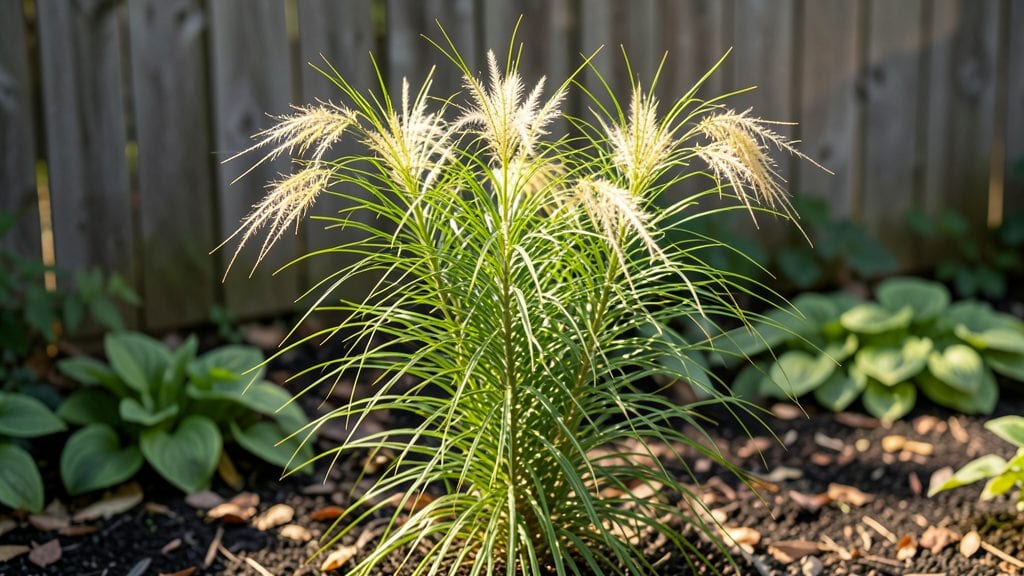
Those feathery foxtail fern flowers—the Pacific Northwest’s frost-proof showstoppers—transform your garden into a winter wonderland. 🌿 I’ve grown them through three winters here, and they’ve never once flinched at frost, blooming when most perennials call it quits.
The secret isn’t just their hardiness; it’s knowing exactly when to prune, how much light they crave, and when to stop fussing over water. Most gardeners overwater these tough plants, drowning their delicate roots in soggy soil.
My plants thrive on once-weekly watering in summer and almost nothing in winter—nature’s built-in drought tolerance. The key is letting the soil dry slightly between drinks, especially in heavy clay, which keeps those feathery plumes upright and proud.
I’ve even seen them bounce back from being trampled by kids playing in the garden. By late summer, you’ll spot tiny flower buds forming at the tips of the fronds, ready to burst into soft pink or white plumes that sway in the slightest breeze.
These aren’t just survivors—they’re stars in winter containers, cutting gardens, or massed borders where their texture contrasts beautifully with evergreens. The blooms last weeks, even after frost, and hummingbirds adore them. For PNW gardens, pair them with heuchera, Oregon grape, or salal for a layered, low-maintenance look.
They’ll reward you with color when most gardens are asleep—and zero fuss. Let’s get yours flowering like a dream.
📚 In This Guide
- What you need
- Instructions
- Tips and common mistakes
- Wrapping up and next steps
What you need
- ● Foxtail fern seeds (Asplenium trichomanes or related species): 10–20 seeds (or a small starter plant from a nursery). Opt for cold-hardy varieties suited for USDA Zones 5–9.
- ● Well-draining potting mix: 1–2 gallons (for containers) or amend garden soil with perlite or sand (1 part perlite to 3 parts soil) to prevent root rot.
- ○ Containers (optional for indoor/early growth): 4–6" diameter pots (for seedlings) or
- ● 10–12" hanging baskets (if growing as a trailing plant).
- ● Slow-release fertilizer (5–10–5 NPK ratio): 1 tbsp per plant (sprinkle into soil before planting).
- ○ Mulch (optional for outdoor planting): 1–2 inches of cedar chips or pine bark to retain moisture and insulate roots.
- ● Garden trowel or small hand shovel (for transplanting seedlings).
- ● Spray bottle (for misting seeds/seedlings—keep soil evenly moist, not soggy!).
- ● Pruning shears (to trim dead fronds or encourage bushier growth).
- ○ Gloves (optional): Protect your hands from soil and sharp fronds.
- ● Sunlight access: Indoors: Bright, indirect light (e.g., near an east-facing window).
- ● Outdoors: Partial shade (dappled sunlight or morning sun).
- ● Patience! 🐢: Foxtail ferns grow slowly—expect visible fronds in 6–12 months.
- ● Humidity tray (for indoor seedlings—place a tray of water + pebbles under pots).
- ● Liquid seaweed fertilizer (monthly spray for a nutrient boost).
- ● Decorative stones or moss (to enhance outdoor garden aesthetics).
- ● Frost cloth (for young plants in early spring/fall).
How to grow and care for foxtail fern flowers in the Pacific Northwest
Here's how I've successfully grown these hardy, frost-resistant blooms for years in my PNW garden.
🌱 Step 1: Choose the Right Location and Planting Time
Foxtail ferns thrive in partial shade to full sun, making them perfect for PNW gardens where afternoon sun can be intense. I plant mine in early spring (March-April) or early fall (September-October) to avoid summer heat stress. The roots establish best when soil temperatures are 50-65°F.
Look for spots with well-draining soil—these plants hate soggy roots. If your soil is heavy clay (common in the PNW), amend with 2-3 inches of compost mixed into the top 6 inches of soil. You'll know you've chosen well when the area stays moist but never waterlogged after rain.
☀️ Step 2: Prepare the Soil and Plant
Dig a hole twice as wide as the root ball but only as deep as the container it came in. The crown (where roots meet stems) should sit just below soil level—burying it too deep causes rot, while leaving it exposed leads to weak growth. Gently loosen the roots if they're circling tightly in the pot.
Backfill with the amended soil, pressing lightly to remove air pockets. Water deeply right after planting—1 gallon per plant—until water runs out the drainage holes. You'll see the soil settle slightly, so add more if needed to maintain the proper depth. Mulch with 2 inches of shredded bark to retain moisture and protect roots from winter frost.
💧 Step 3: Water and Fertilize for Strong Growth
Water once a week during the first growing season, giving each plant ½ gallon until the top 2 inches of soil feel dry. In summer, increase to twice weekly unless you get consistent rain. The key is deep watering—shallow drinks encourage weak roots. You'll know you're doing it right when the soil feels damp 6 inches down after watering.
Fertilize in early spring with a balanced 10-10-10 formula at ½ the recommended strength. Avoid high-nitrogen fertilizers—they promote leafy growth at the expense of those signature foxtail blooms. I skip fertilizing in fall to let the plant harden off for winter.
✂️ Step 4: Prune and Maintain Through the Seasons
Deadhead spent blooms in late summer to encourage a second flush of flowers. Cut back ⅓ of the oldest stems in early spring to make room for new growth. This prevents the plant from becoming too woody. You'll see fresh, vibrant shoots emerging within 2-3 weeks of pruning.
In late fall, cut back all stems to 4-6 inches above the ground. This protects the crown from heavy snow and frost while allowing new growth to emerge in spring. The plant's natural frost resistance means you won't need to cover it, even in harsh PNW winters.
🌿 Step 5: Divide and Propagate Every 3-4 Years
Foxtail ferns multiply quickly, so divide them in early spring before new growth starts. Dig up the entire clump and separate it into 3-4 inch sections, ensuring each has 3-4 stems. Replant immediately in prepared soil, watering deeply to help roots establish. You'll have 2-3 new plants from each division, perfect for filling gaps in your garden.
This is also the time to move plants if they've outgrown their spot. The PNW's mild winters make spring the ideal time—the roots recover quickly, and the plant focuses energy on establishing rather than surviving cold.
Tips & tricks for perfect foxtail fern blooms in the PNW
These are the little details that'll help your foxtail ferns thrive year after year in our famously unpredictable Pacific Northwest climate.
Location Secret: In Step 1, when choosing your spot, pay special attention to afternoon shade patterns. The PNW's low winter sun creates long shadows—what looks like full sun in summer might be partial shade in winter. I've found the sweet spot is about 6 hours of morning sun and 3 hours of afternoon shade during peak summer months. This balance prevents leaf scorch while still encouraging those signature blooms.
Soil Prep Strategy: For Step 2, if you're dealing with heavy PNW clay soil, don't just add compost—mix in 1 part perlite or coarse sand for every 3 parts compost in that top 6 inches. This creates better drainage while still holding moisture. I test my amended soil by squeezing a handful—it should hold its shape but crumble easily when touched. This texture mimics the plant's natural woodland habitat.
Watering Wisdom: In Step 3, when you're establishing your watering routine, consider installing a drip irrigation system on a timer for the first growing season. The consistent deep watering (6 inches down) is exactly what these plants crave, and it saves you from guessing. I set mine for 15 minutes every 7 days during the first year, then adjust based on rainfall. The key is keeping that root zone consistently moist without waterlogging.
Winter Prep: For Step 4's fall maintenance, don't just cut back those stems—collect the pruned material and compost it. Those woody stems break down slowly but add valuable organic matter to your garden. Also, after your 4-6 inch cutback, sprinkle a 1-inch layer of straw mulch over the crown area. This extra insulation helps protect against our occasional hard freezes while still allowing air circulation to prevent rot.
Pro Tips for Foxtail Fern Flowers
- These are the little details that'll help your foxtail ferns thrive year after year in our famously unpredictable Pacific Northwest climate.
- Location Secret: In Step 1, when choosing your spot, pay special attention to afternoon shade patterns.
- Soil Prep Strategy: For Step 2, if you're dealing with heavy PNW clay soil, don't just add compost—mix in 1 part perlite or coarse sand for every 3 parts compost in that top 6 inches.
Frequently asked questions
Got questions about foxtail fern flowers? You’re not alone! These striking, frost-resistant blooms are a favorite in the Pacific Northwest, but they can spark curiosity—especially for new gardeners. Below, we’ve answered the most common questions to help you grow and enjoy them with confidence.
When do foxtail fern flowers bloom, and how long do they last?
Foxtail fern flowers typically bloom in late summer to early fall (August–October), though timing can vary slightly by climate. Their feathery, plume-like blooms last 4–6 weeks if deadheaded regularly. For extended display, trim spent flowers but leave some seed heads—they add winter interest!
Are foxtail fern flowers cold-hardy? How do they handle frost?
These perennials thrive in USDA Zones 5–9 and are highly frost-resistant. Their grass-like foliage survives winter, and flowers often bloom after the first frost, adding color to chilly gardens. Just ensure they’re planted in well-draining soil to prevent rot.
How do I encourage more foxtail fern flowers to grow?
To boost blooms:
- Full sun (6+ hours/day) is key—partial shade may reduce flowers.
- Water deeply but let soil dry slightly between waterings (overwatering stresses roots).
- Fertilize lightly in early spring with a balanced 10-10-10 formula.
- Prune dead foliage in early spring to encourage new growth.
If flowers are sparse, they may need more sun or a light trim after blooming to redirect energy.
Can I grow foxtail fern flowers in containers? What’s the best pot size?
Yes! They adapt well to containers, but choose a large pot (12+ inches wide) with drainage holes. Use a fast-draining mix (like cactus/succulent blend) to prevent soggy roots. Containers dry out faster, so water every 2–3 days in summer. Dwarf varieties (like Asplenium hybrids) work best for small spaces.
Are foxtail fern flowers toxic to pets or children?
Generally non-toxic, but ingestion in large amounts may cause mild stomach upset (like vomiting) in pets. The seed heads can irritate skin if handled roughly—wear gloves when pruning. Keep them out of reach of curious pets until fully established to avoid nibbling.
What can I plant alongside foxtail fern flowers for a stunning PNW garden?
Pair them with:
- Ornamental grasses (e.g., Miscanthus, Pennisetum) for texture.
- Purple coneflowers or Sedum for contrast.
- Ferns (like Matteuccia struthiopteris) for lush greenery.
- Late-blooming perennials (e.g., Rudbeckia, Solidago) to extend the season.
They love moist, well-drained soil—ideal for rain gardens!
Wrapping up and next steps
Discovering the beauty of foxtail fern flowers in the Pacific Northwest is a rewarding experience—these frost-resistant blooms bring a touch of elegance and resilience to any garden. Whether you're a seasoned gardener or just starting out, their adaptability and striking appearance make them a fantastic choice for year-round interest. 🌿
Ready to bring these stunning blooms into your outdoor space? Start by gathering your supplies, choosing the perfect spot, and following the care tips shared above. With a little patience and love, you’ll soon enjoy a thriving foxtail fern garden that stands out in every season!
Pro tip: Share your progress with fellow gardeners—inspiration spreads faster when we connect! 🌟