
Flowers
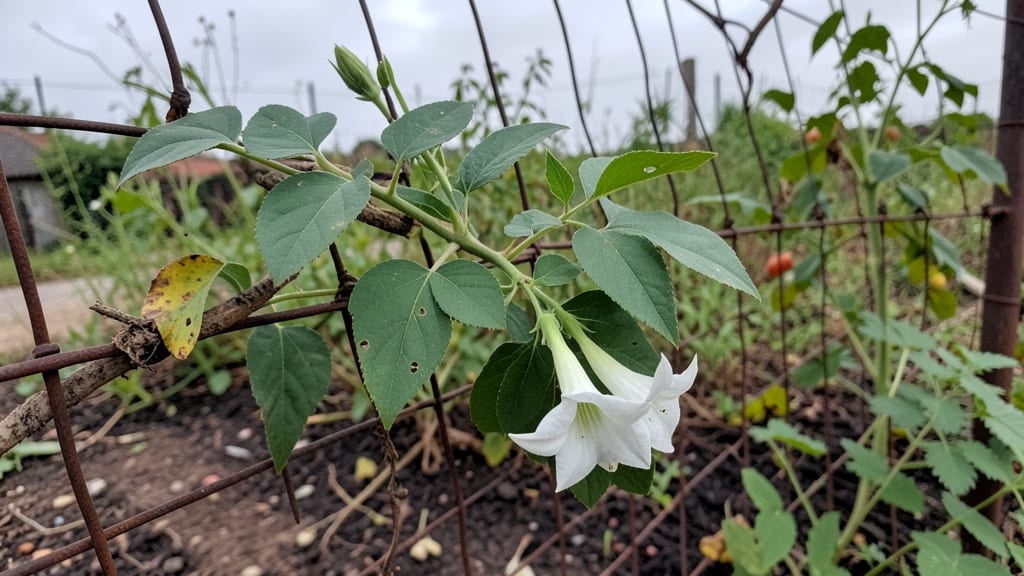
Growing fragrant jasmine flowers transforms any space into a sensory paradise with their intoxicating scent. 🌿 I learned the hard way that jasmine thrives with patience—skipping proper sunlight or soil prep will leave you with weak stems and sparse blooms.
The key is mimicking their natural tropical habitat: bright, indirect light and well-draining soil that stays slightly moist but never soggy.
For best results, choose between Jasminum officinale (hardy climber) or Jasminum sambac (compact shrub). Both varieties reward you with year-round blooms when given consistent care, though sambac needs winter protection in colder zones.
The secret to minimal pruning lies in shaping them in early spring—just trim leggy growth back by a third to encourage bushier, more fragrant growth.
You'll know you've nailed it when your jasmine fills the air with its signature sweetness by late afternoon. The blooms attract pollinators too, turning your garden into a living perfume factory.
Even in containers, these vines create a fragrant focal point that outperforms store-bought potpourri—just keep the roots warm in winter.
Troubleshooting is simple: yellow leaves mean overwatering, while sparse blooms signal too much shade. A balanced fertilizer in spring kickstarts growth, and occasional foliar sprays boost that signature fragrance. Once established, these vines become self-sufficient, demanding little beyond occasional pruning and admiration for their effortless beauty.
📚 In This Guide
- What you need
- Instructions
- Tips and common mistakes
- Wrapping up and next steps
What you need
- ● Jasmine plant: 1-2 Jasminum officinale (common jasmine) or Jasminum sambac (Arabian jasmine) cuttings or nursery-grown plants (6-12 inches tall for best results).
- ● Alternative: Seeds (slower to bloom; requires stratification for 4-6 weeks in the fridge).
- ● Growing medium: Well-draining potting mix (50% peat moss, 30% perlite, 20% coco coir) for containers.
- ● Loamy, slightly acidic soil (pH 6.0-7.0) for in-ground planting.
- ● Containers (if indoor/container gardening): 1-2 6-8 inch pots with drainage holes (terracotta or fabric grow bags preferred).
- ○ Optional upgrade: Trellis or small arbor (for climbing varieties).
- ● Watering tools: Watering can with a rose nozzle (for gentle watering).
- ● Spray bottle (for misting in dry climates).
- ● Fertilizer: Balanced 10-10-10 liquid fertilizer or slow-release granules (follow package instructions).
- ● Pruning tools: Sharp bypass pruners (sterilized with rubbing alcohol).
- ● Garden shears (for larger branches).
- ● Sunlight access: 6+ hours of direct sunlight (south-facing window or outdoor spot).
- ● Humidity: 50%+ (use a humidity tray or pebble tray if indoors).
- ● Temperature: Ideal range: 55-85°F (jasmine thrives in warmth).
- ○ Optional (but helpful): Grow lights (LED, full-spectrum) for indoor setups with limited sunlight.
- ● Mulch (straw or wood chips) to retain moisture in outdoor beds.
- ● Support structure (e.g., 5-foot trellis) for climbing varieties.
Step-by-Step instructions for cultivating fragrant jasmine indoors
Here’s how to coax those intoxicating blooms from your jasmine plant all year long.
🪴 Step 1: Select the Right Container and Soil Mix
Choose a 5-7 gallon container with drainage holes—jasmine roots need room to spread but hate soggy feet. I opt for unglazed terracotta because it breathes and prevents root rot, especially in humid climates. Fill the pot with a well-draining potting mix (equal parts peat moss, perlite, and garden soil). The mix should feel like a damp sponge when squeezed—if water drips out, it’s too wet.
Add a 2-inch layer of gravel at the bottom to improve drainage further. This prevents water from pooling at the roots, which is the #1 killer of jasmine plants. Tap the pot gently after filling to settle the soil without compacting it. The goal is loose, airy soil that mimics the plant’s native rocky habitats.
☀️ Step 2: Position for Bright, Indirect Light
Jasmine thrives in bright, indirect light—think east or west-facing windows where it gets morning sun or gentle afternoon light. Avoid harsh south-facing windows in peak summer; the leaves will scorch within days. If your space lacks natural light, supplement with a full-spectrum LED grow light positioned 12-18 inches above the plant for 12-14 hours daily.
Rotate the pot quarter-turn weekly to encourage even growth. You’ll notice new leaves forming on all sides instead of just one direction. Watch for yellowing leaves—a classic sign of too much direct sun. Move the plant back immediately if you see crispy edges or bleached spots.
💧 Step 3: Water Deeply and Maintain Consistent Moisture
Water when the top 1-2 inches of soil feel dry to the touch. Stick your finger in—if it comes out clean, it’s time. I water deeply until water runs freely from the drainage holes, then empty the saucer to prevent root rot. Jasmine plants are drought-tolerant but despise soggy conditions. Overwatering causes the leaves to yellow and drop, while underwatering leads to brittle stems and stunted blooms.
Mist the leaves 2-3 times weekly to recreate humidity levels of its tropical origins. Use room-temperature water to avoid shocking the plant. In winter, reduce misting to once weekly as indoor air gets drier from heating systems. You’ll know the humidity is right when the leaves stay plump and glossy.
✂️ Step 4: Prune Strategically for Bushier Growth
Prune after flowering to encourage a fuller, more fragrant plant. Use clean, sharp pruning shears to cut back one-third of the current season’s growth. Focus on long, leggy stems—these sap energy from blooming. Cut just above a leaf node (the bump where leaves attach) at a 45-degree angle to promote faster regrowth. This minimal pruning keeps the plant compact and blooming year-round.
Remove any dead, yellow, or diseased leaves immediately. These act as magnets for pests and fungal diseases. Wipe down the stems with a damp cloth to remove dust, which helps the plant absorb more light. After pruning, fertilize lightly with a balanced 10-10-10 fertilizer to support new growth. You’ll see fresh shoots within 3-4 weeks—that’s your reward for pruning correctly.
🌿 Step 5: Encourage Blooming with Seasonal Care
Jasmine blooms best with cool nights and warm days. In summer, move the plant outside in partial shade for 4-6 hours daily to trigger flowering. Bring it back indoors before temperatures drop below 50°F. In winter, keep it in a cool room (60-65°F) with bright light—this mimics its natural dormant period and primes it for spring blooms.
When buds form, avoid moving the plant. Jasmine is sensitive to disturbances, and buds may drop if jostled. If you notice buds forming but not opening, increase humidity slightly or move the plant to a slightly warmer spot. With consistent care, you’ll enjoy fragrant blooms from late spring through fall, and sometimes even into winter if conditions are ideal.
Tips & tricks for perfect fragrant jasmine cultivation
A few key strategies will help you coax those intoxicating jasmine blooms year-round without the fuss.
Soil Mix Secret: In Step 1, don't just mix the peat moss, perlite, and garden soil—actually test the moisture level. After filling your container, squeeze a handful of the mix. It should hold together slightly but not drip water. If it feels like a wrung-out sponge, you're perfect. Too wet? Add more perlite. Too dry? Mix in a bit more peat moss. This balance is your first line of defense against root rot, which is jasmine's silent killer.
Light Positioning: When placing your jasmine in Step 2, remember this trick: hold your hand near the window where the plant will sit. If you can't keep your hand there comfortably for 10 minutes, the light's too harsh. South-facing windows in summer can scorch leaves within hours, so I always move mine back 2 feet during peak sun. The goal is bright but diffused light—like standing under a sheer canopy on a sunny day.
Watering Rhythm: The finger test in Step 3 is brilliant, but here's what nobody tells you: check moisture at the same time every day. I test mine at 9 AM sharp, right after my morning coffee. This creates a habit and helps you notice patterns. If you're consistently watering every 3 days, but the top 2 inches are still damp, you're overwatering. Jasmine roots need air too—think of them like a sponge that needs to breathe between soaks.
Pruning Precision: In Step 4, when you're cutting back one-third of the growth, focus on the stems that grow straight up without leaves. These "blind stems" are energy vampires—they suck resources that could be going to fragrant blooms. Cut them at a 45-degree angle just above a leaf node, and you'll see new shoots forming within weeks. It's like giving your plant a haircut that stimulates growth instead of just trimming dead ends.
Pro Tips for Fragrant Jasmine Flower
- A few key strategies will help you coax those intoxicating jasmine blooms year-round without the fuss.
- Soil Mix Secret: In Step 1, don't just mix the peat moss, perlite, and garden soil—actually test the moisture level.
- Light Positioning: When placing your jasmine in Step 2, remember this trick: hold your hand near the window where the plant will sit.
Frequently asked questions
When is the best time to plant jasmine for year-round blooms?
Plant jasmine in early spring (after the last frost) or fall (6-8 weeks before the first frost) for best results. This gives roots time to establish before extreme weather. If you’re in a mild climate (Zones 8-11), you can plant year-round, but avoid winter planting in colder regions.
How often should I water my jasmine plant, and how do I know it’s thirsty?
Water jasmine deeply 1-2 times per week (more in extreme heat). Check soil moisture by sticking your finger 1-2 inches down—if it’s dry, it’s time to water. Wilting leaves or yellowing foliage are signs of thirst, while drooping or mushy stems may mean overwatering. Mulch helps retain moisture!
Can I prune jasmine at any time, or does timing matter?
Prune jasmine after blooming (late spring/early summer) to encourage new growth and more flowers. Avoid heavy pruning in winter, as it can damage tender new shoots. Light shaping is fine, but never cut into old wood—focus on dead or overgrown branches for a bushier, fragrant plant.
Why isn’t my jasmine flowering, even though it’s healthy?
Jasmine needs 6+ hours of sunlight daily and well-draining soil to bloom. If it’s not flowering, check these:
- Light: Move to a sunnier spot if indoors or in shade.
- Water: Over/under-watering stresses the plant.
- Fertilizer: Use a balanced, low-nitrogen fertilizer in spring/summer.
- Age: Young plants (under 2 years) may need patience!
What’s a good alternative if I can’t grow jasmine in my climate?
If jasmine struggles in your area, try these fragrant, low-maintenance alternatives:
Plant
Fragrance
Hardiness Zones
Rose (e.g., ‘David Austin’)
Classic floral
3-10
Gardenia
Creamy, tropical
7-11 (or grow in pots)
Lavender
Herbal, calming
5-9
Sweet Alyssum
Sweet, honey-like
7-10 (annual in cooler zones)
All thrive with similar care—sun, good drainage, and occasional pruning!
Wrapping up and next steps
Growing fragrant jasmine flowers is a rewarding journey that brings beauty, tranquility, and a heavenly scent to your space—with just a little patience and care!
Whether you’re a seasoned gardener or a beginner, these delicate vines thrive with minimal pruning and adapt beautifully to various climates. Your next step? Start with a healthy cutting or young plant, and soon, you’ll be basking in those intoxicating blooms year-round. 🌸✨
Ready to transform your garden or balcony into a fragrant paradise? Plant your first jasmine today!