
Planting
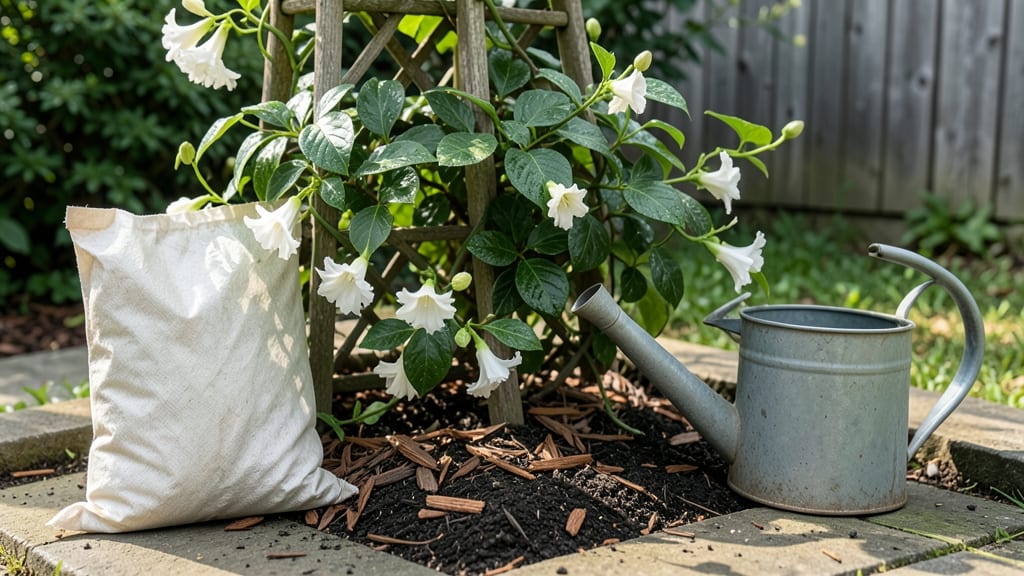
My jasmine plants finally bloomed like crazy after I learned how to increase flowering in a jasmine plant—no fancy tricks, just smart cuts and timing. 🌿 The key isn’t just trimming branches but understanding when to do it so the plant focuses energy on flowers. instead of just leaves.
Most people over-prune or cut at the wrong time, and that’s why their jasmine stays leafy but never bursts into fragrance.
Start with sharp pruning shears and cut just above a leaf node at a 45-degree angle—this encourages new growth where flowers form. Feed with a balanced fertilizer in early spring and again after pruning, but skip heavy nitrogen (that’s what makes plants grow leaves, not blooms).
Water deeply once a week unless it rains, and always keep the soil slightly moist but never soggy.
By late summer, you’ll see clusters of buds forming along the new growth, and with proper care, those buds turn into heavy, intoxicating blooms. The fragrance alone makes it worth the effort—imagine stepping outside to find your patio wrapped in jasmine perfume every evening.
Just avoid pruning after mid-summer, or you’ll cut off next year’s flowers.
This works for both climbing and bush varieties, whether you’re growing in containers or in the ground. The same principles apply to star jasmine and Arabian jasmine too—just adjust timing slightly for your climate. Let’s get those blooms going!
📚 In This Guide
- What you need
- Instructions
- Tips and common mistakes
- Wrapping up and next steps
What you need
- ● Jasmine plant (preferably Jasminum officinale, Jasminum sambac, or Jasminum polyanthum—choose a healthy, mature plant with at least 1–2 years of growth).
- ● Pruning shears (clean, sharp, and sterilized with rubbing alcohol to prevent disease).
- ● Gloves (gardening or nitrile gloves to protect your hands from thorns and sap).
- ● Balanced fertilizer (10-10-10 or 20-20-20 NPK ratio, organic options like compost or worm castings work too).
- ● Ph meter or testing kit (to check soil pH—jasmine thrives in slightly acidic to neutral soil (6.0–7.0 pH)).
- ● Well-draining potting mix (if repotting: mix 50% peat moss/coco coir + 30% perlite + 20% compost).
- ● Watering can or hose with a gentle spray nozzle (jasmine hates soggy roots!).
- ● Support structure (trellis, bamboo stakes, or a sturdy wire frame for climbing varieties).
- ● Hormone rooting gel (if propagating from cuttings).
- ● Slow-release fertilizer tablets (for a steady nutrient boost).
- ● Mulch (pine bark or straw) (to retain moisture and regulate soil temp).
- ● Grow lights or sunlight meter (if indoors, ensure 6+ hours of bright, indirect light daily).
- ● Epsom salt (magnesium sulfate) (1 tbsp per gallon of water, monthly for a magnesium boost).
- ● Neem oil or insecticidal soap (to combat pests like aphids or spider mites).
Step-by-Step instructions for boosting jasmine blooms
Here’s the proven method I use to coax jasmine plants into flowering glory—no fancy tricks, just smart care.
🌱 Step 1: Prune for Airflow and Light
Jasmine needs good airflow and sunlight to set buds, so I start by pruning in early spring. Cut back any leggy growth by one-third—this encourages new, bushier stems that will support more flowers. Use clean, sharp shears to make cuts just above a leaf node (the bump where leaves grow).
Remove any dead, diseased, or crossing branches first—these steal energy from potential blooms. You’ll see fresh green growth within 2-3 weeks, signaling the plant is focusing on new stems instead of weak, old wood. Avoid heavy pruning in fall, as jasmine sets flower buds in late summer.
☀️ Step 2: Position for Bright, Indirect Light
Jasmine thrives in morning sun and afternoon shade, which prevents leaf scorch while giving enough light for blooms. If your plant is indoors, place it near an east-facing window or under a grow light for 6-8 hours daily. You’ll notice leaves turning pale or stretching toward light? That’s a sign to move it closer.
Outdoor jasmine needs partial shade in hot climates—afternoon sun can burn delicate flowers. I test placement by watching the plant for 2 weeks: if leaves stay vibrant and no flowers wilt by midday, the spot is perfect. Overly harsh light stresses the plant, redirecting energy away from blooming.
💧 Step 3: Water and Feed for Flower Power
Consistent moisture is key—water when the top inch of soil feels dry, but never let it sit soggy. Jasmine roots rot easily, so I use a well-draining potting mix and pots with drainage holes. In summer, I water every 2-3 days, while winter slows down to once a week. Watch for wilting leaves—this is your cue to water deeply.
Feed with a balanced 10-10-10 fertilizer every 4-6 weeks during growing season (spring to fall). When buds form, switch to a low-nitrogen, high-phosphorus fertilizer (like 5-10-5) to encourage blooming. I stop fertilizing in late summer to let the plant rest before winter.
✂️ Step 4: Deadhead and Support Growth
After flowers fade, snip spent blooms back to the nearest leaf node. This prevents seed formation and redirects energy into new flowers. I do this weekly during peak bloom season. For climbing jasmine, gently tie new growth to a trellis or support—this keeps stems upright and encourages more flower nodes.
If your jasmine isn’t flowering, check for these signs: too much nitrogen (leaves over stems), overcrowded roots (stunted growth), or dormancy (no new leaves in winter). Adjust care accordingly—sometimes a little stress (like slightly drier soil) triggers more blooms!
Tips & tricks for perfect jasmine blooms
Here's what nobody tells you about getting your jasmine to flower like crazy—these little tweaks make all the difference.
Pruning Precision: When you're cutting back that one-third of leggy growth in Step 1, focus on making clean cuts just above a leaf node—this is where new growth will sprout. I always sterilize my shears with rubbing alcohol between cuts to prevent spreading disease, which can derail your blooming goals. The key is to prune in early spring when the plant is waking up, not in fall when it's setting buds.
Light Testing: For Step 2's light placement, I test spots by moving the plant around for a full day and watching how the leaves respond. If you notice leaves curling or wilting by midday, that's your sign to move it to a shadier spot. For indoor plants, a simple trick is to rotate the plant quarter-turns weekly so all sides get even light exposure—this prevents lopsided growth that can reduce flowering.
Fertilizer Timing: The switch to low-nitrogen, high-phosphorus fertilizer in Step 3 is crucial, but timing matters just as much. I start this switch when I see the first tiny buds forming, not before. Too much nitrogen too late can actually prevent blooming. Also, always water thoroughly before fertilizing to prevent root burn, which stresses the plant and cuts back on flowers.
Deadheading Discipline: During peak bloom season, I set a reminder to deadhead weekly—it's easy to forget, but those spent blooms really do sap energy. For climbing varieties, I tie new growth to the trellis as soon as it reaches about 6 inches tall. This support helps the plant channel energy into producing more flower nodes instead of flopping over.
Pro Tips for Increase Flowering In Jasmine Plant
- Here's what nobody tells you about getting your jasmine to flower like crazy—these little tweaks make all the difference.
- Pruning Precision: When you're cutting back that one-third of leggy growth in Step 1, focus on making clean cuts just above a leaf node—this is where new growth will sprout.
- Light Testing: For Step 2's light placement, I test spots by moving the plant around for a full day and watching how the leaves respond.
Frequently asked questions
Got questions about boosting those fragrant jasmine blooms? You’re not alone! Here are answers to the most common concerns—so you can enjoy more flowers without the guesswork.
Why isn’t my jasmine flowering at all, even after months of care?
Jasmine often needs time—some varieties (like Jasminum officinale) take 2-3 years to mature and bloom. Check for these red flags:
- Insufficient sunlight (6+ hours/day)
- Over-fertilizing with high-nitrogen feeds
- Root-bound pots or compacted soil
When is the best time to prune jasmine for more flowers?
Prune right after flowering (late spring/early summer) to encourage new growth. For evergreen jasmines, a light trim in early spring also helps. Avoid heavy pruning in fall/winter—it stresses the plant. Pro tip: Cut just above a leaf node (where buds form) to promote bushier, flower-heavy branches!
Does jasmine need cold weather to flower?
Most jasmines (like Jasminum polyanthum) thrive in warm climates and don’t need cold periods. However, a short chill (40–50°F for 2–4 weeks) can trigger blooms in some varieties. If you’re in a hot zone, mimic this with cool nights or a brief move to a shaded porch. Warning: Frost kills many jasmines—protect them if temps drop below 20°F!
Can I use coffee grounds or eggshells to boost jasmine flowers?
Yes! Coffee grounds (used sparingly) add nitrogen, but eggshells are better for phosphorus—the nutrient that fuels blooms. Crush shells, bake to sterilize, and mix into soil 2–3 times/year. For a quick fix, use a balanced 10-10-10 fertilizer in early spring. Bonus: Worm castings also work wonders!
What should I do if my jasmine only has leaves but no flowers?
Leafy but flowerless jasmines often need a growth-to-bloom signal. Try this:
- Reduce nitrogen (stop high-nitrogen fertilizers)
- Increase phosphorus (use bone meal or bloom-boosting fertilizer)
- Ensure full sun (even partial shade can delay flowers)
- Prune to open the canopy for better airflow
Wrapping up and next steps
Growing a jasmine plant with vibrant, abundant blooms is absolutely achievable with the right care! By mastering pruning techniques, optimizing sunlight and nutrition, and staying patient, you’ll transform your plant into a fragrant masterpiece. 🌸✨
Now that you’re armed with these proven tips, take action—start trimming, adjusting care, and watching your jasmine thrive! Next, share your progress with fellow plant lovers or explore creative ways to enjoy those intoxicating blooms!