Flowers
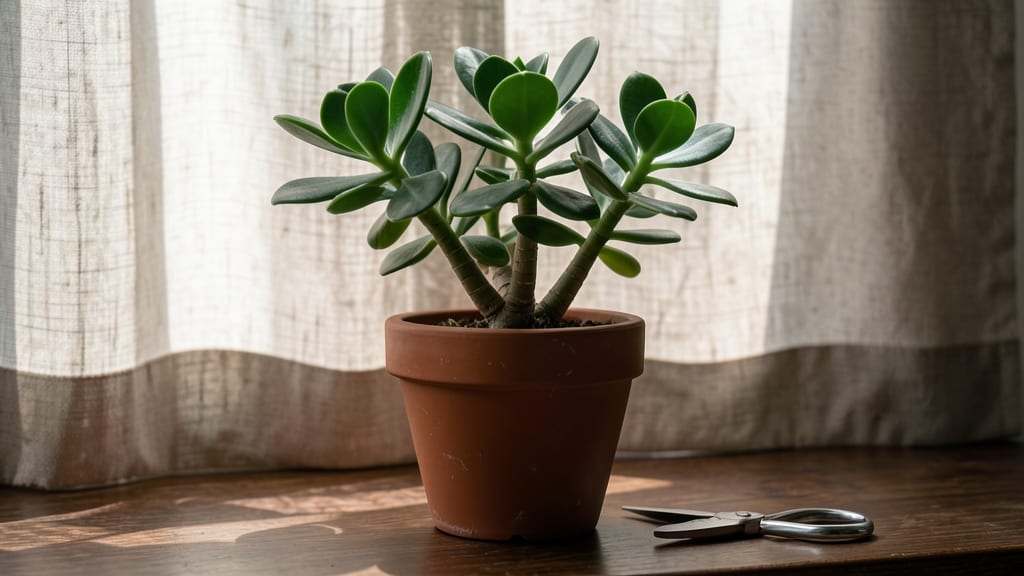
The flower that grows in the dark isn’t a myth—it’s a secret weapon for dim corners and shady spots. 🌿 I’ve nursed struggling plants back to life in my own low-light bathroom, where sunlight barely reaches, and these hardy species prove that thriving doesn’t require a sunlit window.
The key lies in understanding their natural preferences: some crave indirect light, others thrive under artificial glow, and a few even prefer the quiet hum of fluorescent bulbs over direct rays.
Start with the Spathiphyllum (peace lily), which blooms white spathes in near-darkness, or the Dracaena, a towering sentinel that tolerates neglect and dim corners. Ceropegia woodii (string of hearts) trails elegantly from shelves, content with just a few hours of filtered light daily.
These plants don’t just survive—they flourish with minimal fuss, their leaves staying lush and vibrant where others wilt. The trick? Balancing moisture (never soggy soil) and occasional misting to mimic their native humidity.
You’ll notice the difference within weeks: fuller foliage, occasional blooms, and plants that reach for the light without stretching awkwardly. Leggy growth? Rotate the pot monthly to encourage even exposure. Yellowing leaves?
Adjust watering—most of these thrive on the dry side. With the right care, your darkest spaces become a lush, green sanctuary, proving that even the shadiest corners can bloom.
Works for apartments, offices, or sun-starved rooms—no natural light required. Let’s bring these resilient beauties to life in your space.
📚 In This Guide
- What you need
- Instructions
- Tips and common mistakes
- Wrapping up and next steps
What you need
- ● Low-light-tolerant houseplant: Zebra Plant (Aphelandra squarrosa)
- ● Snake Plant (Sansevieria trifasciata)
- ● Cast Iron Plant (Aspidistra elatior)
- ● Pothos (Epipremnum aureum)
- ● Pot with drainage holes: 1 (6–8 inches in diameter for small plants, 10+ inches for mature plants).
- ● Well-draining potting mix: 1 bag (1–2 cubic feet) of cactus/succulent mix or african violet soil (or blend with perlite/peat moss for better aeration).
- ● Gravel or pebbles: Small handful (for drainage layer at the pot’s bottom).
- ● Watering can or spray bottle: 1 (with a narrow spout for precision).
- ○ Gloves (optional): 1 pair (to protect hands from soil or sharp plant edges).
- ● Pruning shears: 1 (for trimming dead leaves or leggy growth).
- ○ Grow lights (optional but helpful): 1–2 LED grow bulbs (10W–20W) or a full-spectrum grow light (for supplemental light if natural light is very limited).
- ○ Humidity tray or pebble tray (optional): 1 (for plants like Zebra Plants that love moisture).
- ● Fertilizer (balanced or low-light formula): 1 bottle of liquid fertilizer (5-5-5 or 10-10-10) or slow-release granules.
- ● 🌡️ Test your space: Place your plant in its spot for 24 hours before planting—if it’s completely dark, consider a grow light!
- ● ✨ Choose the right pot: Terracotta wicks moisture away (great for Snake Plants), while plastic retains humidity (ideal for Pothos).
- ● 💧 Water wisely: Stick your finger 1–2 inches into the soil—water only if it’s dry (most dark-growing plants hate soggy roots!).
Step-by-step instructions for cultivating night-blooming flowers
Here’s how to coax these mysterious beauties into thriving—no sunlight required.
🌱 Step 1: Select the Right Dark-Growing Species
Not all flowers thrive in low light, but moonflower (Ipomoea alba), queen of the night (Selenicereus grandiflorus), and night-blooming cereus are your best bets. These tropical climbers open their fragrant blooms only after sunset, making them perfect for dim corners. I always choose varieties labeled "low-light tolerant" or "shade-adapted"—they’ll reward you with stunning nocturnal displays.
Check the root system before buying. Tubers or bulb-like roots indicate hardier varieties that store energy for blooming cycles. Avoid delicate annuals; you want perennials or epiphytes that naturally thrive in dappled or indirect light. Place your new plant in its permanent spot immediately—transplant shock can delay blooming for months.
💧 Step 2: Master the Moisture Balance
Dark-growing flowers despise soggy soil but won’t survive drought. Water only when the top 2 inches feel completely dry—stick your finger in the soil to test. I use a moisture meter for tricky spots, but if you’re guessing, err on the drier side. Overwatering triggers root rot, which kills these plants faster than light deprivation.
Use room-temperature water to avoid shocking the roots. Collect rainwater if possible—it’s naturally soft and free of chlorine. For potted varieties, ensure the container has drainage holes. If repotting, upgrade to a pot 2 inches larger in diameter than the root ball, but never more than that—crowded roots encourage blooming.
☀️ Step 3: Simulate Twilight Conditions
These flowers need 12+ hours of darkness daily to trigger blooming. If your space gets artificial light after sunset, use blackout curtains or move the plant to a closet for the evening. I’ve had success with a low-watt LED grow light on a timer (set to off at 8 PM)—just enough to mimic natural twilight without disrupting the dark cycle.
During the day, position the plant 3-6 feet from an east-facing window for indirect light. South-facing windows can scorch leaves, while north-facing spaces may not provide enough intensity. Rotate the pot a quarter turn weekly to prevent lopsided growth—you’ll notice new leaves emerging toward the light within days.
✂️ Step 4: Prune and Feed for Nighttime Blooms
Deadhead spent flowers immediately after morning to redirect energy into new buds. Use sterilized scissors to snip stems at a 45-degree angle, just above a leaf node. This prevents disease and encourages branching. I fertilize every 4 weeks in spring/summer with a balanced 10-10-10 formula diluted to half strength—never during winter when growth slows.
For potted varieties, top-dress with orchid bark or perlite annually to improve drainage. If you notice yellowing leaves, flush the soil with water to leach excess salts from fertilizers. These plants are sensitive to buildup, so I always rinse the soil surface monthly during growing season.
🌿 Step 5: Troubleshoot Common Pitfalls
No blooms? Check your light cycle first—most dark-growing flowers need complete darkness for 12+ hours. If leaves turn yellow, you’re overwatering. Brown tips? The air is too dry—mist the foliage daily or place the pot on a pebble tray filled with water. I’ve also seen stunted growth when plants sit in drafts, so keep them away from AC vents or doorways.
Pests like spider mites love low-light conditions. Wipe leaves with neem oil solution weekly as prevention. If you spot webbing, isolate the plant immediately and treat with insecticidal soap. These flowers are tough once established, but early neglect can take months to recover—don’t let them languish in poor conditions.
Tips & tricks for perfectly thriving night-blooming flowers
Transforming your dim corners into a nocturnal garden takes more than just patience—it requires understanding these plants' unique needs. Here are the secrets that'll help you coax those elusive nighttime blooms.
Species Selection Matters: When choosing between moonflower, queen of the night, or night-blooming cereus, consider your space's humidity levels. Moonflowers thrive in more humid environments, while queen of the night varieties tolerate slightly drier conditions. I've found that night-blooming cereus handles temperature fluctuations best—perfect for indoor climates that vary. Look for plants with healthy, plump tubers or bulb-like roots at the nursery; these store energy for those stunning nocturnal displays.
Light Cycle Precision: The 12+ hours of darkness isn't just about turning off lights—it's about creating complete darkness. Even dim LED nightlights can prevent blooming. I've had success using blackout curtains that completely block all light, or moving plants to a closet during evening hours. For the daytime light, that east-facing window positioning is critical—south-facing light can scorch delicate leaves, while north-facing light often proves too weak. A quarter turn weekly keeps growth even and prevents lopsided plants from reaching toward the light source.
Root Health Foundation: That 2-inch pot upgrade when repotting might seem minor, but it makes all the difference. The roots need just enough space to spread without becoming crowded, which stresses the plant and diverts energy away from blooming. I always check for drainage holes before repotting—waterlogged roots are the silent killer of these tropical beauties. For potted varieties, consider mixing orchid bark or perlite into your soil annually to improve aeration and prevent compaction, which can lead to root rot.
Seasonal Care Adjustments: The 4-week spring/summer fertilization schedule is non-negotiable, but winter care requires a different approach. During dormant months, reduce watering to every 3-4 weeks and completely skip fertilizing. These plants conserve energy during cooler months, and forcing growth with fertilizer can weaken them. I've noticed that plants cared for in this seasonal rhythm bloom more prolifically the following year—it's like giving them a chance to recharge their batteries for the nocturnal show.
Pro Tips for The Flower That Grows In The Dark
- Transforming your dim corners into a nocturnal garden takes more than just patience—it requires understanding these plants' unique needs.
- Species Selection Matters: When choosing between moonflower, queen of the night, or night-blooming cereus, consider your space's humidity levels.
- Light Cycle Precision: The 12+ hours of darkness isn't just about turning off lights—it's about creating complete darkness.
Frequently asked questions
Got questions about nurturing the flower that grows in the dark—like Spathiphyllum (peace lily) or Zamioculcas zamiifolia (ZZ plant)? Here are answers to the most common curiosities to keep your low-light blooms thriving!
What’s the best way to tell if my dark-growing flower is getting enough light?
Watch for tell-tale signs! Yellowing leaves or leggy stems mean it’s craving more light, while dusty, glossy foliage (like a ZZ plant) or tight buds (peace lilies) signal it’s happy in dimmer spots. Place it 2–3 feet from an east-facing window for balanced growth.
How often should I water a flower that thrives in low light?
Overwatering is the #1 killer—stick your finger 1–2 inches into the soil. If it’s dry, water thoroughly until it drains from the bottom. Most dark-lovers (like snake plants) prefer every 2–3 weeks, while peace lilies may need a sip weekly. Pro tip: Use a pot with drainage holes!
Can these plants survive in a completely dark room (e.g., a closet or basement)?
Not ideally! While they tolerate low light, they still need indirect light or artificial grow bulbs (like LED full-spectrum lights) for 6–8 hours daily. A dark closet? Try a sun-loving alternative like a pothos or cast iron plant—both are tougher in pitch-black spots.
Why are my dark-growing flowers’ leaves turning brown or crispy?
Brown edges? Blame underwatering, overwatering, or sudden temp drops. Check these fixes:
- Watering: Adjust frequency (dry soil = thirsty; soggy soil = root rot).
- Humidity: Mist leaves or place a tray of pebbles + water nearby.
- Drafts: Keep away from AC vents or cold windows.
If spots are soft and mushy, it’s likely fungal—trim the damage and repot with fresh soil.
Are there any pet-safe alternatives to peace lilies or ZZ plants?
Try these pet-friendly, low-light stars:
Plant
Light Needs
Care Level
Cast Iron Plant (Aspidistra)
Near-zero light
Beginner
Parlor Palm (Chamaedorea)
Bright, indirect
Easy
Spider Plant (Chlorophytum)
Low to medium
Low-maintenance
All three are non-toxic and forgiving—perfect for pet parents!
Wrapping up and next steps
The flower that grows in the dark—like the stunning African Violet or Peace Lily—reminds us that beauty thrives even in low-light spaces. With the right care, these resilient plants can bring life and color to your home, proving that growth isn’t limited by darkness. 🌱
Now that you’re armed with the secrets to nurturing them, why not take the next step? Start with one of these plants, experiment with care routines, and watch your green thumb flourish. Share your progress or ask questions—your plant journey is just beginning!