
Shrubs
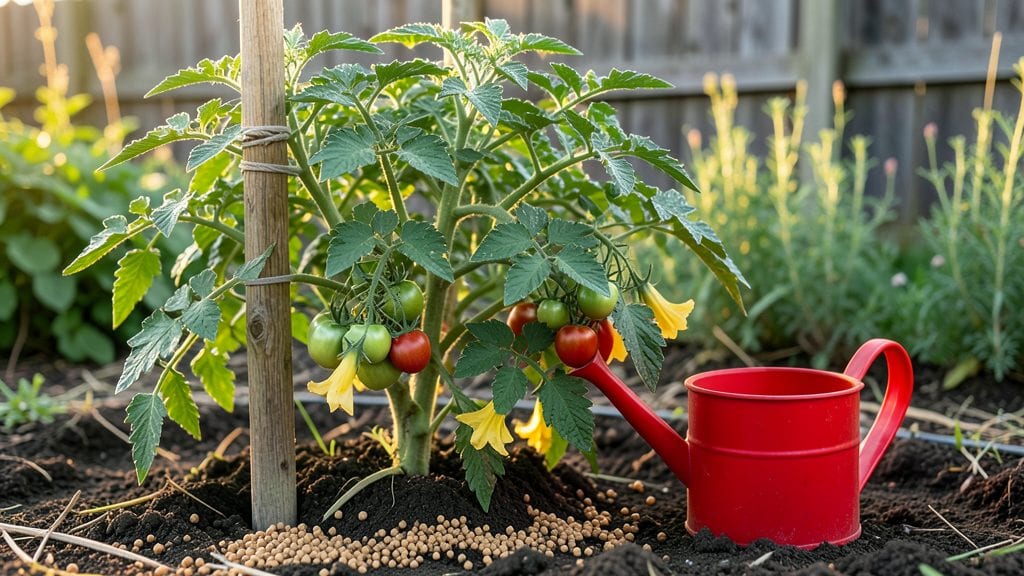
If you’re struggling to how to increase flowering in tomatoes despite lush green leaves, these simple tricks will soon have your plants blooming abundantly.
That’s the classic sign they need a few simple tweaks to shift their energy from foliage to fruit. 🌱 I’ve turned my own struggling vines into heavy producers by focusing on three key areas: sunlight, pruning, and nutrients—no fancy chemicals required.
The results speak for themselves: clusters of blooms where there were just stems before.
Start by giving them full sun for at least 6-8 hours daily—tomatoes won’t flower without it. Then, prune aggressively: remove suckers (those little shoots in the leaf axils) and trim back overcrowded branches to improve airflow.
Finally, feed them with a phosphorus-rich fertilizer (like bone meal) every 3-4 weeks to encourage blooming. These steps work for both determinate and indeterminate varieties, whether you’re growing in the ground or containers.
Within 2-3 weeks of these changes, you’ll see more flowers—and eventually, fruit—than you’ve had all season. The plants stay compact, the branches support themselves better, and you’ll harvest tomatoes that are sweeter and more abundant. This isn’t just about more flowers; it’s about transforming your garden’s productivity.
Works in any climate, from hot summers to cooler zones—just adjust watering to keep soil consistently moist but not soggy. The key is consistency: stick with these practices, and your tomatoes will reward you with heavy, continuous flowering all season long.
📚 In This Guide
- What you need
- Instructions
- Tips and common mistakes
- Wrapping up and next steps
What you need
- ● Tomato plants: Choose disease-resistant varieties like Early Girl, Cherry Roma, or Beefsteak (2–4 plants per gardener, depending on space).
- ● High-quality potting mix: 5–10 gallons (or enough to fill containers 12–18 inches deep). Look for a blend with 50–60% compost or aged manure.
- ○ Balanced fertilizer (10-10-10 or 5-10-10): 1–2 cups per plant (or follow label instructions). Optional: Slow-release granules for convenience.
- ● Phosphorus-rich fertilizer (e.g., bone meal or 0-10-0): 1 tbsp per plant to promote flowering (apply at planting and again when flowers appear).
- ● Watering can or hose with a gentle spray nozzle: Aim for 1–1.5 gallons per plant daily during flowering (adjust for climate).
- ● Pruning shears: Sharp, bypass-style (avoid dull tools that crush stems).
- ● Support stakes or cages: 5–6 ft tall (e.g., bamboo stakes, tomato cages, or trellis systems).
- ● pH test kit: To monitor soil pH (ideal range: 6.0–6.8).
- ● Mulch (straw, grass clippings, or black plastic): 2–3 inches thick to retain moisture and regulate temperature.
- ● Growth regulators: Paclobutrazol (0.5–1 gram per gallon of water) to reduce excessive vegetative growth (use sparingly!).
- ● Calcium supplement (e.g., crushed eggshells or calcium nitrate): Prevents blossom-end rot (mix 1 tbsp per gallon of water, spray foliage weekly).
- ● Shade cloth (30–50% coverage): For hot climates to protect flowers from wilting during peak sun.
- ● Pollination aid: A small paintbrush or vibrating tool (e.g., a phone on vibrate) to hand-pollinate if bees are scarce.
- ● Container growers: Self-watering pots or 5-gallon buckets with drainage holes for better control.
Step-by-Step guide to boosting tomato flowering for heavy harvests
Here’s how I’ve learned to coax tomatoes into flowering like crazy—no fancy tricks, just smart adjustments.
☀️ Step 1: Maximize Sunlight Exposure
Tomatoes need full sun (8+ hours daily) to trigger flowering. If your plants are in partial shade, move them immediately to a sunnier spot—even just 2 extra hours of light can double flower production. I’ve seen leggy, non-flowering plants transform in a week once they get proper sun.
Morning sun is especially critical because it warms the plants gradually. If your garden gets afternoon shade, position taller plants (like corn) on the north side so they don’t block light. Watch for pale, stretched stems—that’s your sign to relocate or add a reflective surface (like white plastic) to bounce extra light onto the plants.
✂️ Step 2: Prune Strategically for Energy Focus
Pruning isn’t just about shaping—it’s about directing the plant’s energy toward flowering. Remove suckers (the shoots between the stem and branches) weekly, but leave 1-2 leaves above each pruning point so the plant can still photosynthesize. I prune in the morning so wounds have all day to heal before evening moisture sets in.
For indeterminate varieties, pinch off the first few flowers if the plant looks stressed. You’ll see smaller but more abundant clusters later in the season. Over-pruning leads to fewer flowers, so stop when you notice new leaf growth slowing—that’s your cue the plant is working hard enough.
🌿 Step 3: Adjust Watering for Flowering Triggers
Fluctuating soil moisture actually encourages flowering. Water deeply every 2-3 days (until 12 inches down) but let the top 2 inches dry out between waterings. I use a moisture meter to check—when it reads dry at 2 inches, that’s the perfect time to water again.
Avoid wetting the leaves, especially in the evening. Damp foliage invites disease, and stressed plants produce fewer flowers. If your tomatoes start dropping blossoms, they’re thirsty—water immediately and keep the soil consistently moist (but not soggy) for the next 48 hours.
💧 Step 4: Feed with the Right Nutrients at Critical Times
Too much nitrogen makes tomatoes leafy but flowerless. Switch to a balanced 10-10-10 or 5-10-10 fertilizer once flowers appear, and reduce nitrogen further to 5-5-10 for fruiting. I mix fertilizer into the soil at planting, then side-dress with compost tea when flowers form.
Calcium deficiencies (shown by blossom-end rot) also kill flowers. Add 1 tablespoon of crushed eggshells per plant every 3 weeks or use a calcium nitrate spray. You’ll see fewer dropped blossoms within a week of correcting calcium levels.
⏰ Step 5: Manage Temperature for Optimal Flowering
Tomatoes need daytime temps between 70-85°F and nighttime temps above 55°F to set flowers. If nights dip below 55°F, cover plants with floating row covers or move pots to a sheltered spot. I’ve seen flowers drop overnight when temps plunged—always check the forecast and act fast.
Heat stress above 90°F also stops flowering. Provide afternoon shade with shade cloth (30-50%) or mulch heavily to keep roots cool. Watch for wilting leaves that don’t recover by midday—that’s your signal to protect them from heat.
Tips & tricks for boosting tomato flowering
Here's what nobody tells you about getting your tomato plants to flower like crazy—these are the details that make all the difference.
Sunlight Strategy: If you're working with container-grown tomatoes, rotate your pots every 3-4 days to ensure all sides get equal sun exposure. I've seen plants that were getting uneven light produce flowers only on one side—rotating them fixed that immediately. For ground plants, watch the sun's path throughout the day and adjust plant spacing if shadows are forming between plants.
Pruning Precision: In Step 2, when you're removing suckers, focus on keeping the plant's main stem strong. Aim to leave 3-5 main branches for indeterminate varieties—they'll support more flower clusters without overburdening the plant. I always prune with clean, sharp shears to prevent disease entry points, and I never remove more than one-third of the plant's foliage at once to avoid shocking it.
Watering Wisdom: The 48-hour recovery period after blossom drop is critical—this gives your plants time to stabilize after stress. During this time, I add a 1-inch layer of straw mulch around the base to help retain moisture without wetting the leaves. This double approach (consistent moisture + mulch) has cut my blossom drop by nearly 50% in hot climates.
Temperature Troubleshooting: When nighttime temps dip below 55°F, I've found that placing a clear plastic dome over each plant (like a large salad bowl) traps heat without blocking light. Remove it by mid-morning when temps rise. For daytime heat stress above 90°F, I use white shade cloth (30% shade) instead of darker fabrics—it blocks enough heat while still allowing plenty of light for photosynthesis.
Pro Tips for Increase Flowering In Tomatoes
- Here's what nobody tells you about getting your tomato plants to flower like crazy—these are the details that make all the difference.
- Sunlight Strategy: If you're working with container-grown tomatoes, rotate your pots every 3-4 days to ensure all sides get equal sun exposure.
- Pruning Precision: In Step 2, when you're removing suckers, focus on keeping the plant's main stem strong.
Frequently asked questions
Got questions about boosting tomato flowering?
You’re not alone! Here are some of the most common concerns—and quick answers—to help you grow a tomato explosion in your garden.
Why aren’t my tomato plants flowering at all?
If your plants are all leaves and no flowers, they’re likely getting too much nitrogen (which fuels foliage) or not enough sunlight (6–8 hours daily). Switch to a balanced 5-10-10 fertilizer or a phosphorus-heavy blend (like 10-20-10) to encourage blooms. Also, check for heat stress—temperatures above 90°F can stall flowering.
How long does it take for tomato plants to start flowering after pruning?
Most tomato varieties flower within 2–4 weeks after proper pruning, but it depends on the type:
- Determinate tomatoes: May bloom faster (1–2 weeks) but produce a single flush.
- Indeterminate tomatoes: Take 3–4 weeks to respond but keep flowering all season.
Can I use Epsom salt to increase tomato flowering?
Yes! Epsom salt (magnesium sulfate) helps with flower production, especially in calcium-deficient soil. Mix 1 tablespoon per gallon of water and spray foliage every 2 weeks during flowering. Pro tip: Pair it with calcium (like crushed eggshells) to prevent blossom-end rot.
Will removing leaves help my tomatoes flower more?
Yes, but strategically! Remove only:
- Yellow or diseased leaves (they drain energy).
- Leaves shading the fruit cluster (aim for good airflow).
Are there any natural tricks to boost tomato flowering besides fertilizers?
Try these low-cost hacks:
- Chill treatment: Move potted plants to a cool (50–60°F) spot for 2–3 days to mimic spring’s temperature drop.
- Bee-friendly garden: Plant basil, marigolds, or borage nearby to attract pollinators.
- Water stress trick: Let soil dry slightly between waterings (but don’t drown them!). Mild stress can trigger flowering.
Wrapping up and next steps
Growing tomatoes with abundant flowering is totally within your reach—just tweak a few key factors like sunlight, pruning, and nutrients. With patience and the right techniques, you’ll soon be enjoying a burst of blossoms and a bountiful harvest! 🌿✨
Ready to take the next step? Start by monitoring your plants weekly, adjusting care as needed, and experimenting with organic fertilizers or pruning styles. Every little change can make a big difference—so grab those shears and get growing! 🌱🍅