
Flowers
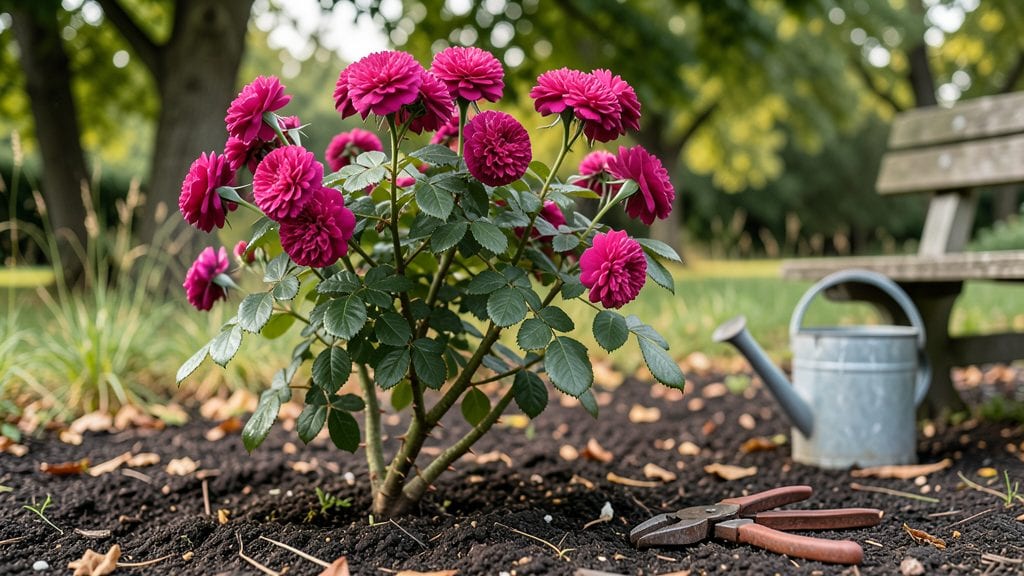
Nothing beats the intoxicating scent of a French rose flower climbing your trellis—especially when you're growing it in the Pacific Northwest's damp, mild climate. 🌿 I've learned that these roses thrive where others falter, their disease resistance and relentless fragrance making them the star of my garden.
The secret lies in mimicking their natural Mediterranean habitat while working with our region's unique weather.
You'll need well-draining soil with plenty of organic matter (think compost or aged manure), a sunny spot that gets at least 6 hours of direct sunlight daily, and a sturdy trellis or fence for climbing varieties.
French roses love consistent moisture but hate soggy roots, so raised beds or mounds work beautifully here. The right variety makes all the difference—look for disease-resistant types like 'Souvenir de la Malmaison' or 'Zéphirine Drouhin' that handle our rainy summers with grace.
What you'll end up with is a lush, fragrant rose bush that blooms from early summer through fall, filling your garden with that classic French rose perfume. The blooms stay fresh for days in vases, and the plants become more vigorous each year with proper care.
Even in our cool climate, these roses reward patience with stunning displays that turn heads at neighborhood gatherings.
We'll cover everything from planting in early spring to winter protection and troubleshooting those pesky yellow leaves. The Pacific Northwest's climate actually works in your favor once you understand how to adapt traditional rose care to our conditions. Let's get those fragrant climbers established for years of beauty and scent.
📚 In This Guide
- What you need
- Instructions
- Tips and common mistakes
- Wrapping up and next steps
What you need
- ● French rose plants: Choose disease-resistant varieties like 'Souvenir de la Malmaison' or 'Louis Philippe' (1-3 plants per garden bed).
- ● Well-draining soil: 5-10 bags (20 lbs each) of a mix like 50% garden soil, 30% compost, and 20% perlite/sand.
- ● Organic fertilizer: 1 lb of balanced rose fertilizer (10-10-10) or a slow-release option like Osmoote.
- ● Mulch: 2-3 cubic feet of wood chips or straw to retain moisture and regulate temperature.
- ● Support system: 3-4 6-foot rose trellises or stakes (diameter: 1-2 inches) for climbing varieties.
- ● Pruning tools: 1 pair bypass pruners (for clean cuts).
- ● 1 pruning saw (for thicker stems).
- ● 1 disinfectant spray (70% isopropyl alcohol).
- ● Rain protection: 1-2 clear plastic rose cones or waterproof covers to shield blooms from excessive rain.
- ● Windbreaks: 1-2 flexible garden netting panels (if planting in exposed areas).
- ● Drip irrigation kit: 50-100 feet of 1/4-inch tubing + emitters (to avoid fungal issues from overhead watering).
- ● Epsom salt: 1 lb (for magnesium boost, especially in acidic PNW soil).
- ● Rose food spray: 1 bottle (for foliar feeding during blooming season).
- ● Decorative elements: Garden flags, pebbles, or solar-powered lights to enhance your rose garden’s charm.
Step-by-Step guide to cultivating French roses in the Pacific Northwest
Here’s how I’ve mastered growing fragrant French roses that thrive in our damp, cool climate.
🌱 Step 1: Select the Right Varieties for Pacific Northwest Conditions
French roses—like the classic 'Souvenir de la Malmaison' or 'Cécile Brünner'—thrive in our climate because they’re disease-resistant and bloom prolifically in cooler temperatures. Avoid hybrid teas; they struggle with humidity and need constant deadheading. I always choose roses labeled as "old garden roses" or "French varieties" for their hardiness and fragrance.
Check the USDA zone for your specific location in the PNW—most French roses do well in zones 6-9. If you’re in a cooler microclimate (like the Olympic Peninsula), opt for varieties like 'Louis Philippe' that tolerate 20°F without extra protection. Nursery tags usually list cold tolerance—don’t skip this step.
🪴 Step 2: Prepare the Planting Site with Drainage and Sun
French roses need 6+ hours of sunlight daily, but they’ll tolerate partial shade if the soil stays dry. In the PNW, that means morning sun and afternoon shade to prevent leaf scorch. I dig a hole twice as wide as the root ball but only as deep—planting too deep suffocates the graft union, which is critical for disease resistance.
Amend the native soil with 3 inches of compost mixed into the bottom of the hole. French roses hate soggy roots, so if your soil drains poorly (common in Seattle or Portland), add a 4-inch layer of gravel at the bottom before backfilling. Water the hole deeply before planting to settle the soil and eliminate air pockets.
☀️ Step 3: Plant and Mulch for Winter Protection
Remove the rose from its container and loosen any circling roots gently with your fingers. Place the plant in the hole so the graft union sits 2 inches above soil level. Backfill with native soil (not amended mix) and water again to eliminate air gaps. I firm the soil lightly with my hands—too much packing damages roots, but loose soil won’t support the plant.
Spread 3 inches of organic mulch (like wood chips or straw) around the base, keeping it 6 inches away from the stem to prevent rot. In the PNW, winter mulch is non-negotiable—it insulates roots from freezing temperatures and retains moisture during our wet winters. Replenish mulch annually in early spring before new growth starts.
💧 Step 4: Water Deeply and Fertilize for Fragrant Blooms
Water deeply once a week (or more in summer heat waves) until the soil is 12 inches deep moist. French roses develop deep root systems, so shallow watering encourages weak growth. I check moisture by sticking my finger into the soil—if it feels dry at 3 inches down, it’s time to water. Overwatering in winter is just as bad as underwatering in summer.
Fertilize in early spring (when you see new growth) with a balanced organic rose fertilizer (like 5-5-5). Avoid high-nitrogen feeds—they produce lush foliage but fewer blooms. I also top-dress with compost in fall to build soil health for next year’s fragrance. Never fertilize after mid-summer; new growth won’t harden off before winter.
✂️ Step 5: Prune for Shape and Disease Prevention
Prune late winter or early spring (before buds swell) to remove dead, crossing, or weak branches. French roses bloom on both old and new wood, so I avoid aggressive pruning—just shape the plant to open the center for airflow. Cut at a 45-degree angle just above an outward-facing bud to encourage strong growth.
Sterilize your pruners with rubbing alcohol between cuts to prevent bacterial spread. In the PNW’s damp climate, black spot fungus is the biggest threat. Remove infected leaves immediately and spray with neem oil preventatively in late spring. Healthy foliage = more fragrance, so don’t skip this step.
Tips & tricks for perfect French rose cultivation in the Pacific Northwest
These practical tips will help you grow fragrant French roses even in our challenging climate.
Variety Selection Matters: When choosing your French rose varieties, pay special attention to the nursery tags—they list cold tolerance and disease resistance. I've found that 'Souvenir de la Malmaison' handles our damp winters beautifully, while 'Louis Philippe' thrives in cooler microclimates like the Olympic Peninsula. These old garden roses have natural resistance to black spot, which is crucial in our humid summers.
Drainage is Non-Negotiable: In Step 2, when preparing your planting site, don't skip the gravel layer if you have heavy clay soil. I've seen roses drown in soggy soil during our wet winters, even with mulch. The 4-inch gravel layer creates that essential drainage while still allowing roots to establish. For container growing, use a mix of native soil and perlite to replicate this drainage.
Graft Union Protection: That 2-inch height for the graft union in Step 3 isn't just a suggestion—it's critical. I've seen many gardeners plant too deep, which suffocates the graft and leads to weak growth. After planting, I always check this height by measuring from the soil line to the graft union. This ensures your rose maintains its disease resistance and blooming potential.
Winter Mulch Strategy: For our Pacific Northwest winters, the 3 inches of organic mulch in Step 3 is your best defense against freezing temperatures. I like to add a second layer of straw mulch in December for extra protection during our coldest months. This double layer helps insulate roots through temperature swings that can occur even in our mild winters.
Pro Tips for French Rose Flower
- These practical tips will help you grow fragrant French roses even in our challenging climate.
- Variety Selection Matters: When choosing your French rose varieties, pay special attention to the nursery tags—they list cold tolerance and disease resistance.
- Drainage is Non-Negotiable: In Step 2, when preparing your planting site, don't skip the gravel layer if you have heavy clay soil.
Frequently asked questions
Got questions about growing French rose flowers in the Pacific Northwest? You’re not alone! Here are some of the most common queries—plus straightforward answers to help you cultivate fragrant blooms like a pro.
When is the best time to plant French roses in the PNW?
The ideal window is late fall (October–November) or early spring (March–April), when soil is workable but not frozen. PNW’s mild winters mean fall planting gives roots time to establish before winter rains. Avoid summer heat—transplanting in hot weather stresses roses and slows growth.
How do I protect French roses from PNW’s wet winters?
French roses thrive in humidity, but excessive moisture can rot roots. Improve drainage by amending soil with compost and sand, and plant on a slight mound. Mulch heavily (3–4 inches) with wood chips or straw to insulate roots. Avoid overhead watering in winter to prevent fungal diseases like black spot.
Can I grow French roses in containers? What’s the best setup?
Choose a large container (at least 18 inches wide/deep) with drainage holes. Use a mix of potting soil, perlite, and compost. Dwarf or climbing varieties (like ‘Souvenir de la Malmaison’) work best. Place containers in full sun and water consistently—containers dry out faster than garden beds.
What pests should I watch for, and how do I treat them?
Common PNW pests include aphids, spider mites, and rose slugs. Start with neem oil or insecticidal soap for mild infestations. For severe cases, introduce beneficial insects (like ladybugs) or use systemic granules. Prune affected leaves immediately to limit spread. Pro tip: Healthy roses resist pests better—fertilize and prune regularly!
Why aren’t my French roses blooming? Troubleshooting tips.
Blooming issues often stem from over-fertilizing with high nitrogen (promotes foliage, not flowers), poor sunlight (6+ hours daily is a must), or lack of pruning. Prune back dead wood in late winter and feed with a low-nitrogen, high-phosphorus fertilizer (like 5-10-5) in early spring. Deadhead spent blooms to encourage reblooming!
What’s a low-maintenance alternative if French roses seem tricky?
If you want fragrant, low-fuss roses, try ‘Dr. Huey’ (disease-resistant) or ‘The Fairy’ (compact and repeat-blooming). For non-rose options, dwarf hydrangeas or lavender thrive in PNW climates with minimal care and add fragrance to gardens.
Wrapping up and next steps
The French rose isn’t just a flower—it’s a symbol of timeless beauty and resilience, even in the Pacific Northwest’s unique climate. With the right soil, sunlight, and care, you can enjoy year-round fragrance and stunning blooms that turn heads.
Whether you’re a seasoned gardener or just starting, this guide gives you everything you need to cultivate your own slice of Parisian charm.
Ready to transform your garden? Start small—plant one rose bush this season and watch your space bloom into a fragrant paradise! 🌸 For extra inspiration, explore local rose societies or PNW gardening forums to connect with fellow enthusiasts.