
Flowers
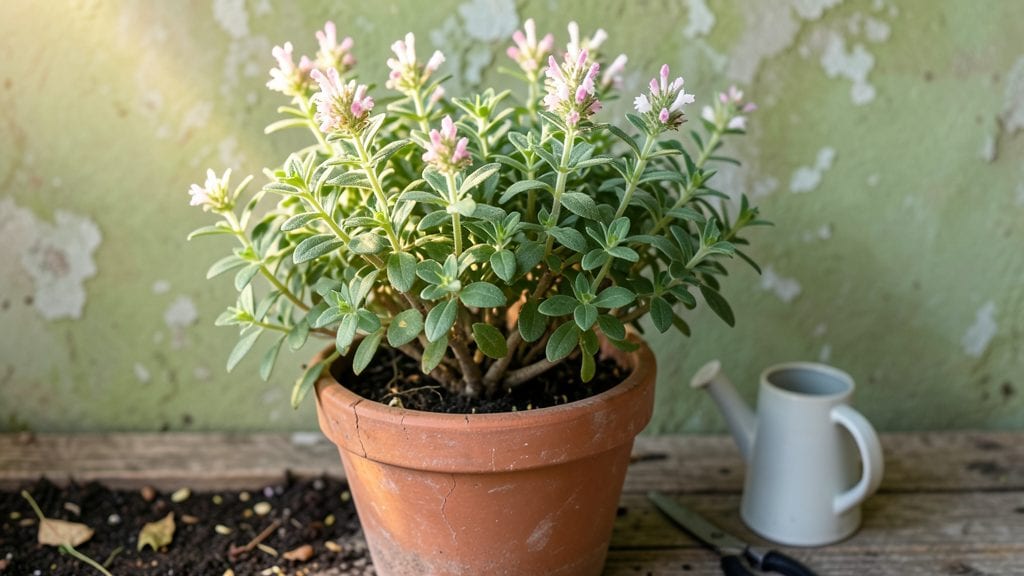
Harvesting fresh oregano flowers transforms your herb garden into a dual-purpose powerhouse—culinary and medicinal. 🌿 The tiny purple blooms aren’t just pretty; they pack a subtle anise-like flavor that elevates dishes and a potent antiseptic punch for teas or salves.
I’ve learned that timing and technique make all the difference between a bountiful harvest and a sparse one.
The key lies in understanding oregano’s growth cycle: it flowers best after establishing strong stems, typically in late spring or early summer. Prune aggressively after the first flush of blooms to encourage bushier growth and a second round of flowers by midsummer.
Avoid cutting into old wood—always trim just above a leaf node to keep the plant productive.
What you’ll end up with is a steady supply of fragrant flowers for garnishes, homemade honey infusions, or tinctures. The flowers dry beautifully too, preserving their flavor and medicinal properties for months. Just be watchful for spider mites, which love dry conditions—regular misting keeps them at bay.
This method works for both potted oregano and in-ground plants, whether you’re growing Greek oregano for its bold flavor or Syrian oregano for its hardiness. The same principles apply whether you’re harvesting for the kitchen or the apothecary cabinet.
📚 In This Guide
- What you need
- Instructions
- Tips and common mistakes
- Wrapping up and next steps
What you need
- ● Fresh oregano plant – A healthy, mature plant (at least 6–12 inches tall) with blooming flowers. Pro tip: Choose organic or pesticide-free for the best flavor and safety! 🌿
- ● Sharp pruning shears or scissors – Clean, sterilized tools to avoid damaging the plant or spreading disease.
- ● Glass jars or airtight containers – 8–16 oz jars (like mason jars) for drying or storing flowers.
- ● Paper towels or clean kitchen cloth – For gently patting moisture off harvested flowers.
- ○ Small mesh bags or breathable fabric – Optional but helpful for drying flowers (like cheesecloth or muslin bags).
- ● Food dehydrator – For speedy, even drying (set to 95°F/35°C).
- ● Oven or cool, dark space – If you don’t have a dehydrator, use low oven heat (<170°F/77°C) or hang bundles upside down.
- ● Labeling tags & markers – To track harvest dates and uses (e.g., "culinary" vs. "medicinal").
- ● Essential oil diffuser or carrier oil – For infusing oregano flower oils (like olive or coconut oil).
- ● Mortar & pestle – For crushing dried flowers into a fine powder for teas or seasonings.
- ● Beeswax wraps or parchment paper – To line jars and preserve freshness longer.
Step-by-Step guide to harvesting oregano flowers for culinary and medicinal use
Here's how to turn your oregano plant into a fragrant, dual-purpose harvest—both kitchen and remedy.
🌿 Step 1: Identify and Time the Flowering Stage
Oregano flowers appear as small, delicate clusters of tiny white or pale purple blooms, typically in late spring to early summer. Wait until at least 50% of the plant has flower buds—this ensures you harvest at peak potency. Early blooms have stronger culinary flavor, while later flowers contain higher medicinal compounds like rosmarinic acid.
Check the plant daily during peak bloom season. The flowers should be fully open but not yet drying out—wilting indicates it's past prime. If your oregano is in full sun, you'll see flowers first on the upper stems; if shaded, they'll appear more evenly distributed. I like to harvest in the morning after dew has dried but before the midday heat sets in.
✂️ Step 2: Harvest Flowers Using the Right Technique
Use clean, sharp pruning shears or scissors to snip 3-4 inch stems just above a leaf node. This encourages bushier growth and prevents stem dieback. Never cut more than one-third of the plant's flowers at once—you'll weaken the plant and reduce next year's yield.
Work from the bottom up to avoid shading lower flowers. If harvesting for culinary use, focus on the first flush of blooms—they're most flavorful. For medicinal purposes, collect slightly later flowers when the color deepens slightly. Immediately place harvested stems in a paper bag to dry naturally; plastic traps moisture and promotes mold.
🌞 Step 3: Dry Flowers for Maximum Potency
Spread stems in a single layer on a clean, dry surface in a warm, dry, dark place (ideal temperature: 70-80°F). I use a mesh screen over a baking rack to allow airflow from all directions. Avoid direct sunlight—it degrades the essential oils you're trying to preserve.
Check daily and stir gently to prevent mold. Flowers are ready when they crumble easily between fingers and stems snap cleanly. This typically takes 7-10 days, but humidity levels affect timing. If your kitchen feels damp, consider using a small fan on low to circulate air without disturbing the flowers.
🌱 Step 4: Store for Long-Term Use
Once completely dry, strip flowers from stems by gently rubbing between your palms. Store in an airtight glass jar away from light and heat. For culinary use, use within 6 months for best flavor. For medicinal purposes, the potency remains stable for up to 1 year.
Label your jar with the harvest date and intended use. I keep separate jars for culinary and medicinal purposes—culinary flowers lose flavor faster but retain their aroma longer. For extended storage, add a silica gel packet to absorb any residual moisture that could degrade the essential oils.
💧 Step 5: Maintain Your Oregano Plant Post-Harvest
After harvesting, water the plant deeply but infrequently—oregano is drought-tolerant once established. Prune any leggy growth to encourage bushier, more productive plants. Fertilize lightly with a balanced organic fertilizer if you notice new growth slowing.
Watch for signs of stress like yellowing leaves or sparse foliage—these indicate over-harvesting. A healthy oregano plant will regrow quickly after proper harvesting. If your plant doesn't rebloom, it may need more sunlight or a winter rest period (even Mediterranean herbs benefit from a cool season).
Tips & tricks for perfect oregano flower harvesting
Harvesting oregano flowers at their peak takes patience and precision—here's how to elevate your yield from garden to jar without common pitfalls.
Timing Secret: The 50% flower bud stage in Step 1 is your sweet spot for maximum potency. Early blooms pack the most culinary punch, while slightly later flowers (when color deepens) contain higher medicinal compounds. I've found that harvesting at this precise stage gives you the best balance for both uses—just don't wait until flowers start wilting, as that's when flavor and potency decline fastest.
Harvesting Technique: When snipping those 3-4 inch stems in Step 2, work systematically from the bottom up to prevent shading lower flowers. Here's what I learned the hard way: cutting more than one-third of the plant's flowers at once weakens the plant permanently. I once harvested aggressively and ended up with sparse foliage all season—now I stick to the one-third rule religiously. Also, those paper bags are non-negotiable; plastic traps moisture and creates the perfect mold environment.
Drying Wisdom: That 70-80°F range in Step 3 isn't just arbitrary—it's the Goldilocks zone for preserving essential oils without promoting mold. I've tried drying at higher temps, but it degrades the delicate compounds we're trying to preserve. For humidity control, a small fan on low (placed 2 feet away) creates gentle airflow without disturbing the flowers. The crumble test is your best indicator—flowers should disintegrate between fingers while stems snap cleanly, typically after 7-10 days depending on your climate.
Storage Strategy: The 6-month culinary shelf life vs. 1-year medicinal potency isn't just about time—it's about how you store them. I keep separate jars because culinary flowers lose their bright aroma faster, while medicinal properties remain stable longer. That silica gel packet is your secret weapon against moisture degradation. Labeling with harvest dates helps track freshness, especially when you're using them for different purposes—nothing worse than grabbing last year's dried flowers for your pasta sauce!
Pro Tips for Fresh Oregano Flowers
- Harvesting oregano flowers at their peak takes patience and precision—here's how to elevate your yield from garden to jar without common pitfalls.
- Timing Secret: The 50% flower bud stage in Step 1 is your sweet spot for maximum potency.
- Harvesting Technique: When snipping those 3-4 inch stems in Step 2, work systematically from the bottom up to prevent shading lower flowers.
Frequently asked questions
Got questions about harvesting and using fresh oregano flowers? You’re not alone! Here are answers to the most common queries—from timing to troubleshooting—to help you make the most of your edible blooms.
When is the best time to harvest oregano flowers?
Harvest oregano flowers in the morning after the dew dries but before the sun peaks (around 10 AM). This ensures peak flavor and fragrance. Look for fully open blooms—they’ll be vibrant purple or pink and ready for picking. Avoid harvesting when flowers are wilting or past their prime.
How long do fresh oregano flowers stay fresh?
Freshly picked oregano flowers last 3–5 days in the fridge when stored properly. Place them in a paper towel-lined container with a tiny bit of water (like a bouquet) or mix them with other herbs in a sealed bag. For longer storage, dry or freeze them within 24 hours.
Can I use oregano flowers instead of leaves in recipes?
Oregano flowers are milder and slightly sweeter than leaves, making them perfect for garnishes, teas, or delicate dishes like salads, yogurt, or honey infusions. Use them sparingly—start with 1 tsp per dish and adjust to taste. They’re also great for homemade vinegars or syrups!
What if my oregano flowers aren’t opening?
If your oregano flowers stay closed, it could be due to lack of sunlight, overcrowding, or cool temperatures. Move your plant to a sunny spot (6+ hours of light daily) and prune regularly to encourage air circulation. If blooms appear but don’t open, try hand-pollinating them gently with a soft brush to trigger flowering.
Are oregano flowers safe for medicinal use?
Yes, but with caution! Oregano flowers contain thymol and carvacrol, compounds with antimicrobial properties. Use them in small doses—like in teas (1 tsp per cup) or tinctures. Avoid during pregnancy or if you have thyroid conditions unless approved by a healthcare provider. Always consult an expert for medicinal applications.
Wrapping up and next steps
Fresh oregano flowers aren’t just a culinary delight—they’re a versatile treasure for your kitchen, garden, and even your wellness routine! Whether you’re crafting fragrant infused oils, healing teas, or vibrant garnishes, these tiny blooms pack a punch of flavor and healing power.
Now that you’re armed with the know-how to harvest, preserve, and use them, why not experiment with a new recipe today?
🌿 Next steps:
- Grow your own oregano patch for a continuous harvest.
- Try infusing the flowers into honey or vinegar for a homemade twist.
- Share your creations with friends—flavor and wellness are best enjoyed together! 😊