Pruning
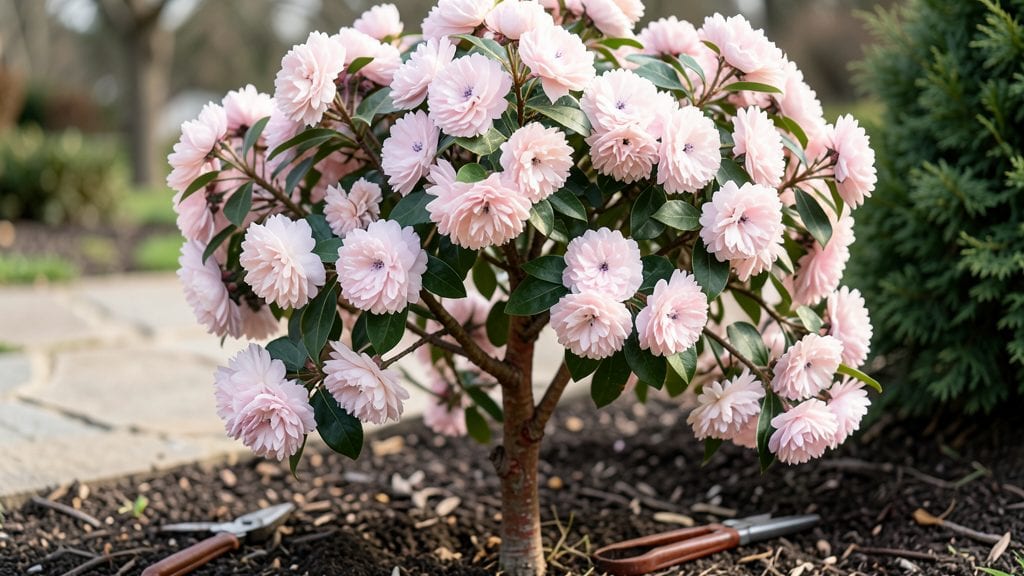
That first burst of pink in late winter is what makes fruitless flowering plum trees worth every minute of care. 🌸 In the Pacific Northwest, where frost can play havoc with spring blooms, the right pruning strategy turns this tree from a seasonal showstopper into a reliable, year-after-year spectacle.
The secret isn't complicated—it's about timing, technique, and understanding how cold snaps affect growth.
You'll need sharp pruning shears, a ladder for higher branches, and a clear day when the tree isn't actively blooming. Most gardeners skip the winter cleanup, but that's when you shape the tree for maximum frost resilience.
I learned the hard way that waiting until spring means risking frost damage to new buds—now I prune in late winter, just as the tree begins to wake up but before the flowers open.
What you end up with is a tree that bursts into color earlier than neighbors' plums, with blooms so dense they look like a cloud of pink. The branches stay strong and open, letting sunlight reach every flower cluster.
Plus, you avoid the mess of fruit (and the pests that come with it) while keeping the tree's natural shape without constant shaping cuts.
This method works for both young trees and mature specimens, though older trees may need more aggressive pruning to revive vigor. The key is patience—don't rush the cleanup, and always check for hidden buds before making final cuts.
Once you master it, you'll have the most talked-about tree in your neighborhood every spring.
📚 In This Guide
- What you need
- Instructions
- Tips and common mistakes
- Wrapping up and next steps
What you need
- ● Pruning shears: Bypass pruners (sharp, 6–8" blades) for small branches
- ● Loppers: 18–24" bypass loppers for thicker branches (1–2" diameter)
- ● Pruning saw: Curved-tooth saw for branches >2" thick (1–2 required)
- ● Gloves: Heavy-duty, cut-resistant gloves (2 pairs—one for grip, one for protection)
- ● Disinfectant: 70% isopropyl alcohol or 10% bleach solution (1 gallon) for sterilizing tools
- ○ Pruning sealant: Optional but helpful for larger cuts (e.g., Tanglefoot Tree Wound Pruning Seal)
- ● Ladder: Extendable or step ladder (10–12 ft tall, rated for your weight + tools)
- ● Heavy-duty trash bags: 2–3 bags (30-gallon size) for debris disposal
- ● Work boots: Sturdy, slip-resistant boots with ankle support
- ● Rain gear: Waterproof jacket and pants (PNW weather is unpredictable!)
- ● Sunscreen & hat: SPF 30+ and a wide-brimmed hat for sunny winter days
- ○ Hand warmers: Optional for early spring pruning (if temps dip below 40°F)
- ● Local plant tags: Check for any fruitless plum tree varieties with cold-hardiness notes (e.g., 'Barely Barely' or 'Snow Fence')
- ● ✅ Sharpen blades before pruning (use a file or professional sharpening service)
- ● ✅ Sterilize tools between cuts to prevent disease spread (dip in disinfectant and wipe dry)
- ● ✅ Test your ladder on stable, level ground—never on soft or uneven surfaces!
Step-by-Step instructions for pruning a fruitless flowering plum tree
Here's how I keep my Pacific Northwest plum trees blooming beautifully year after year—no messy fruit, just stunning spring flowers.
✂️ Step 1: Time Your Pruning for Maximum Blooms
Prune your fruitless flowering plum right after flowering ends—usually in late April or early May here in the PNW. This timing ensures you remove last year's spent blooms while leaving next year's flower buds intact. If you prune too early, you risk cutting off new buds forming for next spring.
Watch for the blooms to fade completely and any new leaf growth to appear. This is your signal that the tree has finished flowering and is ready for pruning. The buds for next year's blooms form on last year's growth, so timing matters more than you might think.
✂️ Step 2: Remove Dead, Diseased, or Weak Wood First
Start by cutting out any dead, diseased, or crossing branches using clean, sharp pruning shears. Look for branches that are brown inside when cut open or have blackened cankers—these need to go immediately. Remove any branches rubbing against others, as these create wounds that invite disease.
Make your cuts at a 45-degree angle just outside the branch collar—the swollen area where the branch meets the trunk. This encourages faster healing. If a branch is larger than ½ inch thick, use a pruning saw instead of shears to avoid tearing the bark.
✂️ Step 3: Thin the Canopy for Airflow and Light
Step back and look at your tree's shape. You want an open, vase-like structure that lets light and air circulate freely. Remove 10-20% of the total branches, focusing on those growing inward or downward. These branches compete for sunlight and weaken the tree's structure.
Cut branches back to a healthy outward-facing bud or side branch. Avoid leaving stubs—always make clean cuts just above a bud or branch junction. This prevents water from pooling and rotting the wound. In the PNW’s damp climate, proper pruning cuts make all the difference.
✂️ Step 4: Shape for Balance and Frost Protection
Round out the tree’s shape by trimming back any overly long or leggy branches to maintain balance. In the PNW, where late frosts can damage new growth, avoid heavy pruning that exposes too much wood to cold. Instead, focus on light shaping—just enough to keep the tree open and airy.
If your tree has any water sprouts (fast-growing vertical shoots), remove them completely. These sap-suckers drain energy from the tree and rarely produce flowers. After pruning, clean your tools with rubbing alcohol to prevent spreading disease between cuts.
🌿 Step 5: Clean Up and Apply Protective Measures
Rake up and dispose of all pruned branches—don’t leave them on the ground, as they can harbor pests and diseases. Once the tree is pruned, apply a layer of mulch (2-3 inches deep) around the base, keeping it 6 inches away from the trunk to prevent rot.
In the PNW, where winter rains are heavy, mulch helps protect roots and retain moisture. Water deeply after pruning to help the tree recover. Avoid fertilizing right after pruning—wait until late summer to feed the tree for next year’s blooms.
Tips & tricks for pruning a fruitless flowering plum tree
Here's what I've learned after years of pruning these stunning trees in the PNW—these tricks will help you avoid common mistakes and keep your plum tree blooming spectacularly.
Timing is Everything: The exact timing in Step 1 is crucial—wait until ALL blooms have completely faded and new leaf growth appears. I've seen people prune too early and accidentally cut off next year's flower buds, which form on last year's growth. Mark your calendar for late April/early May and set a reminder to check daily once blooms start fading. The PNW's unpredictable spring weather makes this timing window especially important.
Tool Sharpness Matters: In Step 2, using dull pruning shears creates jagged cuts that heal poorly and invite disease—especially problematic in our damp climate. I keep a dedicated pair of pruning shears just for my plum trees and sharpen them annually. For branches thicker than ½ inch, switch to a pruning saw immediately. Clean your tools with rubbing alcohol between cuts to prevent spreading any potential pathogens.
Canopy Structure Secrets: When thinning in Step 3, aim for that open vase shape that lets light penetrate to the center. I visualize removing branches that would block sunlight from reaching the inner branches. Focus on removing 10-20% of branches growing inward or downward—these are the ones competing for sunlight and weakening your tree's structure. The goal is to create an airy framework that allows air circulation while maintaining that beautiful flowering shape.
Frost Protection Strategy: In Step 4, remember that late frosts are a real threat in the PNW. Avoid heavy pruning that exposes too much wood to cold. Instead, focus on light shaping and removing water sprouts—those fast-growing vertical shoots that drain energy without contributing to flowers. After pruning, I always check the forecast and consider covering young growth if an early frost is predicted, especially for newly planted trees.
Pro Tips for Fruitless Flowering Plum Tree
- Here's what I've learned after years of pruning these stunning trees in the PNW—these tricks will help you avoid common mistakes and keep your plum tree blooming spectacularly.
- Timing is Everything: The exact timing in Step 1 is crucial—wait until ALL blooms have completely faded and new leaf growth appears.
- Tool Sharpness Matters: In Step 2, using dull pruning shears creates jagged cuts that heal poorly and invite disease—especially problematic in our damp climate.
Frequently asked questions
Got questions about your fruitless flowering plum tree? You’re not alone!
Whether you’re a first-time pruner or a seasoned gardener in the Pacific Northwest, these common concerns can help you keep your tree thriving—and frost-proof. Let’s dive in!
When is the best time to prune a fruitless flowering plum tree to avoid frost damage?
The ideal window is late winter to early spring—after the last frost date in your zone (typically February–March in the PNW). Prune too early, and cold snaps can stress fresh cuts; too late, and you risk stunting spring blooms. Check your USDA frost map for precision timing!
How much can I trim back my fruitless flowering plum tree without harming it?
You can safely remove up to 1/3 of the tree’s total growth in one season, but avoid topping (cutting back to a flat surface). Focus on dead, crossing, or overcrowded branches first. For dramatic shaping, spread pruning over 2–3 years to reduce stress.
Why does my fruitless flowering plum tree have fewer blooms after pruning?
Blooms form on last year’s growth, so heavy pruning can reduce flowers—but don’t panic! Prune correctly (open the canopy, remove suckers) to improve airflow and future blooms. If blooms drop entirely, check for over-fertilization or pests like aphids.
Are there frost-resistant alternatives to the fruitless flowering plum?
Yes! Consider these PNW-friendly bloomers:
- Kwanzan cherry (Prunus serrulata ‘Kwanzan’): Thrives in zones 5–8, stunning pink blooms.
- Weeping cherry (Prunus subhirtella ‘Pendula’): Cold-hardy (zone 4) with delicate flowers.
- Osoberry (Oemleria cerasiformis): Native, drought-tolerant, and blooms early.
What should I do if my fruitless flowering plum tree’s branches die after pruning?
First, sterilize tools to prevent disease spread. If branches are completely brown and brittle, they’re dead—cut them back to healthy wood. For partially damaged branches, wait until spring to see if new growth emerges. If 50%+ of the tree dies, consider grafting or replacing it.
Wrapping up and next steps
Growing a fruitless flowering plum tree in the Pacific Northwest is a rewarding journey—especially when you master the art of frost-proof pruning! 🌸 By following the right techniques, you’ll ensure stunning blooms year after year while keeping your tree healthy and resilient.
Remember, timing, sharp tools, and a little patience are your best allies.
Now that you’re armed with the knowledge, roll up your sleeves and get pruning! Start small, observe your tree’s growth, and adjust as needed. Before you know it, your yard will be bursting with vibrant spring color—without the messy fruit cleanup. Happy gardening! 🌿✂️