Tools
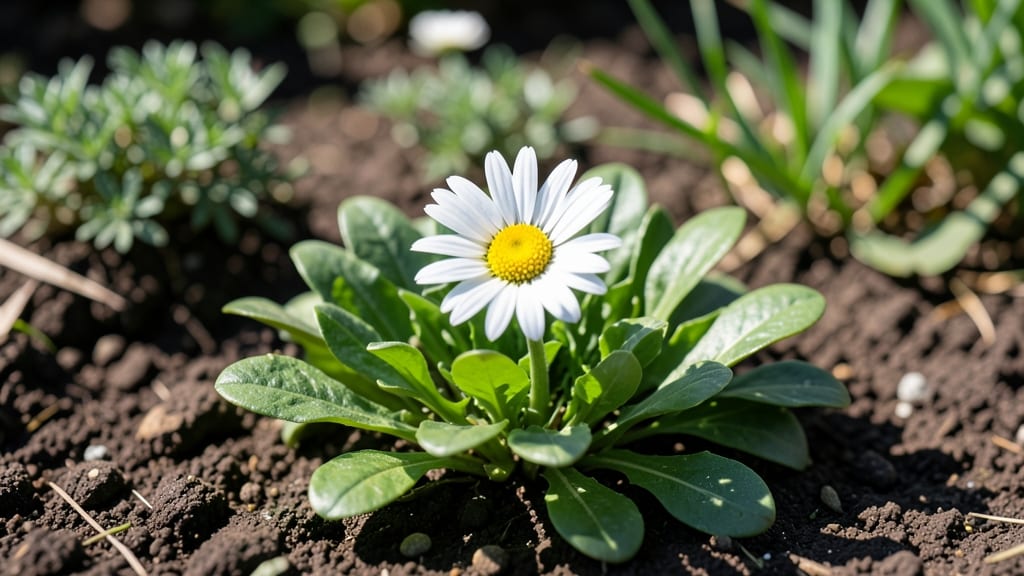
The garden daisy flower in all its bright white glory turned my front walkway into a pollinator paradise—I still remember the first time I planted them and watched an ordinary border bloom into a sea of delicate petals that never. failed to attract bees and butterflies.
These cheerful flowers aren't just pretty; they're the backbone of a thriving, low-maintenance garden that works hard while looking effortless.
They thrive in borders, meadow-style plantings, or even containers on patios, pairing beautifully with lavender, coneflowers, and ornamental grasses. The key is giving them full sun and well-draining soil—then stepping back and watching nature do the work.
Their airy stems create movement in the breeze, and the white blooms contrast perfectly with deep purple salvias or vibrant red daylilies. Even in small spaces, a single cluster makes a statement.
What you'll love most is how they keep blooming from early summer through fall, providing nectar when many other flowers have faded. The centers turn golden-brown as they age, adding texture and interest.
Plant them in drifts for maximum impact, or mix them with taller perennials to create layered depth. They're the ultimate "plant once, enjoy forever" solution for gardeners who want beauty without the fuss.
Best of all, they're incredibly versatile—work them into cottage gardens, modern pollinator patches, or even as a dramatic focal point in a minimalist design. Once established, they spread gently, filling in gaps while keeping weeds at bay.
The secret to their magic? Let them multiply naturally, and you'll have a self-sustaining display that brings joy (and pollinators) year after year.
📚 In This Guide
- What you need
- Instructions
- Tips and common mistakes
- Wrapping up and next steps
What you need
- ● Garden daisy seeds, bulbs, or transplants: Seeds: 1 packet (50-100 seeds, depending on variety)
- ● Bulbs: 10-20 bulbs (for immediate blooms)
- ● Transplants: 3-5 young plants (for quick results)
- ● Well-draining potting soil or garden soil: 1-2 bags (10-20 lbs each)
- ● Compost or organic fertilizer: 1 small bag (for nutrient boost)
- ● Watering can or hose with gentle spray nozzle
- ● Garden trowel or small shovel
- ○ Gloves (optional but recommended)
- ● Mulch: Straw or shredded bark (to retain moisture)
- ● Plant markers: Small stakes or labels (to track varieties)
- ● Slow-release fertilizer granules (for long-term growth)
- ● Bug spray (organic): Neem oil or insecticidal soap (to deter pests)
- ● Sunlight meter or app: To check light exposure (6+ hours/day ideal)
How to grow thriving garden daisies for season-long color
Here’s my foolproof method for growing daisies that bloom from early summer until frost.
Choose the Perfect Planting Location
Garden daisies thrive in full sun, so pick a spot that gets at least 6-8 hours of direct sunlight daily. I always check the sun exposure by observing the area for a few days—look for where shadows disappear by mid-morning. Daisies tolerate light shade, but you’ll get fewer blooms if they don’t get enough sun.
Well-draining soil is critical. If your soil stays soggy after rain, amend it with 2-3 inches of compost or plant in a raised bed. I test drainage by digging a hole, filling it with water, and watching how quickly it drains—if it takes longer than an hour, improve the soil first. Daisies hate wet roots, which can lead to rot.
Prepare the Soil for Healthy Growth
Loosen the soil to a depth of 12 inches using a garden fork or tiller. This helps roots spread easily and prevents compaction. Mix in 2-3 inches of organic matter like compost or aged manure to enrich the soil naturally. I like to work in a handful of slow-release fertilizer (like 10-10-10) at this stage to give the plants a nutrient boost right from the start.
Daisies prefer slightly acidic to neutral soil with a pH between 6.0 and 7.0. If your soil is heavy clay or very sandy, adjust it with peat moss or sand, respectively. You can test your soil’s pH with a simple kit from the garden center—it’s worth the few dollars to avoid guessing.
Plant Daisy Starts at the Right Time and Depth
Plant daisy starts in early spring, about 2-3 weeks before your last frost date. Space them 12-18 inches apart to allow room for growth and airflow, which reduces disease risk. Dig a hole just deep enough to cover the roots but no deeper—planting too deep can suffocate the plant.
Gently remove the plant from its container and tease apart any circling roots. Place it in the hole, backfill with soil, and water deeply to settle everything. I always firm the soil lightly around the base to eliminate air pockets. Mulch with 1-2 inches of straw or shredded leaves to retain moisture and suppress weeds.
Water and Fertilize for Continuous Blooms
Water daisies deeply once a week, providing about 1 inch of water total. Let the top 2 inches of soil dry out between waterings—this encourages strong root growth. I water in the morning to reduce evaporation and fungal risks. Overwatering is a common mistake; soggy soil leads to weak stems and fewer blooms.
Feed your daisies with a balanced liquid fertilizer every 4-6 weeks during the growing season. I switch to a low-nitrogen, high-phosphorus formula (like 5-10-5) when buds form to promote flowering. Stop fertilizing in late summer to let the plants harden off for winter.
Deadhead and Maintain for Long-Lasting Beauty
Deadhead spent blooms by snipping the flower head off just above the first set of healthy leaves. This redirects the plant’s energy into producing more flowers instead of setting seed. I do this every 2-3 days during peak bloom to keep the plants looking fresh and encourage continuous flowering.
Cut back the foliage by one-third in early fall to tidy up the plant and promote new growth. Daisies are hardy perennials, so they’ll come back stronger each year if you give them proper care. Just avoid heavy pruning in late fall—let the plant enter winter with some foliage to protect the crown.
Tips & tricks for perfect garden daisy blooms
Growing garden daisies is easier than you think—these simple tricks will help you get the most vibrant blooms all season long.
Sunlight Secret: In Step 1, when choosing your planting location, don't just estimate the sun exposure. Use a simple trick: place a white plate in the potential spot every hour for a day. If it stays completely dry for 6-8 hours, you've found your perfect sun location. Daisies need that full sun to produce their brightest blooms, and this method takes the guesswork out of it.
Soil Prep Pro Tip: The 12-inch soil depth mentioned in Step 2 is crucial, but here's what nobody tells you—work in a handful of coffee grounds along with your compost. The nitrogen from the coffee grounds helps break down the compost faster, giving your daisies an extra nutrient boost right from the start. Just mix it in lightly; too much can make the soil too acidic.
Planting Timing: When planting in early spring (Step 3), check your local frost dates, but also consider your soil temperature. The ground should be workable and at least 50°F before planting. Cold soil can stunt root growth, so if your spring is unusually chilly, wait until the soil warms up—even if it means planting a week later than your frost date.
Watering Wisdom: That 1 inch of water per week in Step 4 might seem straightforward, but here's the thing: water deeply but infrequently. Use a rain gauge or tuna can to measure exactly 1 inch, and water slowly at the base of the plants. This encourages deep root growth, which makes your daisies more drought-resistant once established. I've seen daisies thrive with just this weekly watering once their roots are fully developed.
Pro Tips for Garden Daisy Flower
- Growing garden daisies is easier than you think—these simple tricks will help you get the most vibrant blooms all season long.
- Sunlight Secret: In Step 1, when choosing your planting location, don't just estimate the sun exposure.
- Soil Prep Pro Tip: The 12-inch soil depth mentioned in Step 2 is crucial, but here's what nobody tells you—work in a handful of coffee grounds along with your compost.
Frequently asked questions
Got questions about growing and caring for garden daisies?
Here are some of the most common ones—plus quick, practical answers to keep your blooms happy and thriving!
When is the best time to plant garden daisies?
Plant garden daisies in early spring (after the last frost) or late summer for fall blooms. They thrive in cool weather and can handle light frosts. If starting from seeds, sow them directly in the ground 4–6 weeks before your last frost date for the fastest results.
Why aren’t my garden daisies attracting pollinators?
Pollinators love garden daisies, but if you’re not seeing bees or butterflies, check these fixes:
- Plant in full sun (6+ hours/day)—they need bright light to bloom.
- Choose native varieties (like Shasta or Oxeye daisies) for local pollinators.
- Avoid pesticides—opt for neem oil or insecticidal soap if pests are a problem.
- Add companion plants like lavender or coneflowers to boost their appeal.
How do I prevent garden daisies from spreading too much?
Garden daisies can self-seed aggressively! To control their spread:
- Deadhead spent blooms regularly to reduce seed production.
- Plant in containers if you prefer contained growth.
- Divide clumps every 3–4 years to keep them manageable.
- Mulch around the base to suppress weeds and limit seedling growth.
Can garden daisies survive drought or heavy rain?
They’re drought-tolerant once established (after 1–2 years), but young plants need consistent moisture. For heavy rain:
- Ensure well-draining soil to prevent root rot.
- Space plants 12–18 inches apart for airflow and less fungal risk.
- Water at the base (not overhead) to keep petals dry.
What’s the difference between garden daisies and African daisies?
Here’s a quick comparison:
Garden Daisy (e.g., Shasta, Oxeye)
African Daisy (e.g., Gerbera)
Hardy perennials (or annuals), thrive in cool climates.
Tender perennials (often grown as annuals), need warmth.
Simple, white/pink/yellow blooms; attracts pollinators.
Bold, multicolored flowers; less pollinator-friendly.
Low-maintenance, drought-tolerant once established.
Needs consistent moisture and deadheading.
Pick garden daisies for pollinator gardens and easy care!
Wrapping up and next steps
Garden daisies are more than just cheerful white blooms—they’re a low-maintenance, pollinator-friendly powerhouse that can transform any space into a thriving ecosystem. Whether you’re a seasoned gardener or just starting, their resilience and beauty make them a perfect choice for year-round color and ecological benefits. 🌼
Ready to invite more pollinators and charm into your garden? Start small—plant a few daisies in a sunny spot, or share your newfound love for them with a fellow green thumb! Your garden (and the bees) will thank you.