
Flowers
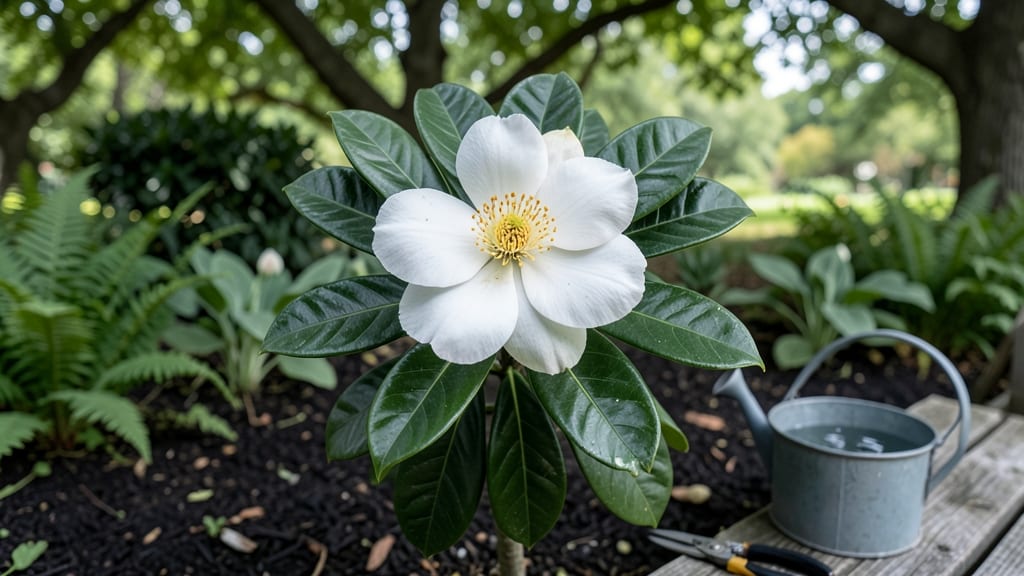
Growing gardenia white flowers in your yard isn’t just possible—it’s easier than you think, especially if you live in a cooler climate. 🌿 I’ve turned my shady corner into a fragrant oasis by mastering the few key tricks that make these divas thrive where others fail.
The secret? Mimicking their tropical roots with just a few smart adjustments.
These blooms crave 6-8 hours of morning sun and afternoon shade, rich but well-draining soil, and consistent moisture—think of them like high-maintenance friends who reward you with intoxicating perfume.
My gardenias now produce pounds of creamy-white blooms from late spring through summer, and the process is simpler than you’d believe once you know the right balance.
You’ll learn how to prune for bushier growth, when to fertilize without burning the roots, and how to troubleshoot common issues like yellow leaves or bud drop.
The payoff? A garden that smells like a tropical paradise without the humidity or bugs. Let’s get those roots settled so you can enjoy the show.
Works equally well in containers or in-ground, making them perfect for patios, balconies, or that tricky shady spot. The key is patience—these beauties take a year to mature but reward you for decades. Ready to make your garden smell like heaven?
📚 In This Guide
- What you need
- Instructions
- Tips and common mistakes
- Wrapping up and next steps
What you need
- ● Gardenia plant: 1 healthy Gardenia jasminoides plant (preferably a mature one for faster blooms)
- ● OR 5–10 gardenia seeds (if starting from scratch—note: slower growth!)
- ● Well-draining potting mix: 50% peat moss or coco coir
- ● 30% perlite or pumice
- ● 20% compost or aged manure
- ● Container (if potted): 1–2 gallon pot with drainage holes (for young plants)
- ● 5+ gallon pot for mature gardenias (they love space!)
- ● Fertilizer: Balanced 10-10-10 or 20-20-20 fertilizer (for general growth)
- ● Acid-loving plant fertilizer (e.g., Miracle-Gro Azalea/Camellia) for blooms
- ● Watering can or hose with a gentle spray nozzle
- ● Pruning shears (sterilized)
- ○ Mulch (optional but helpful): Pine bark or wood chips (to retain moisture and acidify soil)
- ● Sunlight access: 4–6 hours of morning sun (afternoon shade in hot climates)
- ● Humidity: 50%+ (use a humidity tray or pebble tray if indoors)
- ● pH test kit (to ensure soil is acidic, pH 5.0–6.5)
- ○ Gloves (optional) – Gardenias have thorns!
- ● Patience! 🌱 – Gardenias thrive with consistent care (blooms may take 1–2 years).
Step-by-Step instructions for growing fragrant gardenia plants
Here's how to coax those iconic white blooms from your gardenia—even in cooler climates where they're often considered high-maintenance.
🌱 Step 1: Select the Right Variety for Your Climate
Choose a cool-climate gardenia like 'Kleim's Hardy' or 'Radicans'—these tolerate temperatures down to 20°F and bloom reliably. Avoid tropical varieties like 'Cape Jasmine' unless you live in USDA Zone 10+. I always check the label because many nurseries sell heat-loving types that won't survive winter in cooler regions.
Look for established plants with thick, woody stems and dark green, glossy leaves—these signs mean the plant has strong roots and can handle transplanting. Avoid leggy specimens with sparse foliage; they struggle to recover. If buying bare-root, soak the roots in lukewarm water for 2 hours before planting to revive them.
☀️ Step 2: Plant in Partial Shade with Acidic Soil
Gardenias need morning sun and afternoon shade—think dappled light under tall trees or an east-facing window. Too much direct sun scorches leaves, while too little shade prevents blooming. I plant mine where they get 4-6 hours of filtered sunlight daily, adjusting with shade cloth if needed.
Amend your soil with peat moss or pine bark to lower the pH to 5.0-6.0—gardenias refuse to bloom in alkaline soil. Mix 2 parts native soil with 1 part peat moss and a handful of sulfur granules per hole. Test your soil first; if it's already acidic, skip the sulfur. Dig a hole twice as wide as the root ball to encourage outward growth.
💧 Step 3: Water Deeply and Maintain Consistent Moisture
Water gardenias deeply every 2-3 days until the top 2 inches of soil feel moist—they hate soggy roots but despise drought. Stick your finger in the soil; if it feels dry past your first knuckle, it's time to water. I use a soaker hose to deliver moisture slowly at the base, avoiding wetting leaves to prevent fungal diseases.
Mulch with 2-3 inches of pine straw to retain moisture and keep roots cool. Refresh the mulch annually in early spring. Overwatering is the #1 killer—yellow leaves or wilting despite moist soil means you're drowning the roots. Let the top inch dry slightly between waterings in cooler months.
✂️ Step 4: Prune After Blooming and Fertilize Monthly
Prune gardenias right after flowers fade in late spring or early summer. Cut back 1/3 of the oldest stems to encourage new growth and more blooms. Use clean, sharp shears and make cuts just above a leaf node at a 45-degree angle. Avoid heavy pruning in fall—it stresses the plant before winter.
Feed with an acid-loving plant fertilizer (like 8-3-9) every 4-6 weeks during growing season. I mix a tablespoon of fertilizer into the top inch of soil and water deeply afterward. Stop fertilizing in late summer to let the plant harden off for winter. Yellow leaves often signal over-fertilizing—cut back immediately if you see this.
⏰ Step 5: Protect from Frost and Winter Dormancy
Before the first frost, wrap the base of the plant with burlap and cover with 4-6 inches of mulch. In USDA Zones 7-8, gardenias need winter protection; in Zones 9-10, they tolerate mild winters. I also group plants together to share warmth—three plants clustered save more heat than one alone.
Reduce watering in fall as growth slows, but keep soil slightly moist. Prune dead or damaged branches in early spring before new growth starts. Watch for buds forming in late winter—this is your cue that the plant is ready to bloom. If buds swell but drop off, it's usually due to drought stress or sudden temperature swings.>
Tips & tricks for perfectly fragrant gardenia blooms
A few simple secrets can make all the difference when growing gardenias that burst with fragrance and beauty.
Variety Selection: In Step 1, when choosing your gardenia, don't just grab any plant—look for the thick, glossy leaves and woody stems mentioned. These are your telltale signs of a healthy, established plant that will thrive. I've learned the hard way that leggy, sparse plants struggle to recover after transplanting, often failing to bloom properly.
Soil Preparation: The soil pH adjustment in Step 2 is absolutely critical. I can't stress enough how important it is to test your soil first—many gardeners skip this and wonder why their plants refuse to bloom. If your soil is already acidic (pH 5.0-6.0), skip the sulfur. But if you're unsure, a simple soil test kit from your local garden center is worth the investment. The right pH is what triggers those beautiful white blooms.
Watering Wisdom: When you're watering deeply every 2-3 days as instructed in Step 3, use your finger as a guide—stick it about 2 inches into the soil. If it feels dry past your first knuckle, that's your cue to water. I've found that gardenias actually prefer to have the top inch of soil dry slightly between waterings, especially in cooler months. This prevents root rot while keeping the plant happy and blooming.
Winter Protection: For Step 5's winter care, I've had the most success with a combination of burlap wrap and mulch. The key is to create a cozy cocoon around the base of the plant. In my Zone 7 garden, I've even gone the extra mile by grouping three plants together—they share warmth beautifully and have survived winters that would have killed a single plant. Just remember, in Zones 9-10, you can be more relaxed with winter care.
Pro Tips for Gardenia White Flowers
- A few simple secrets can make all the difference when growing gardenias that burst with fragrance and beauty.
- Variety Selection: In Step 1, when choosing your gardenia, don't just grab any plant—look for the thick, glossy leaves and woody stems mentioned.
- Soil Preparation: The soil pH adjustment in Step 2 is absolutely critical.
Frequently asked questions
Got questions about growing and caring for fragrant white gardenia flowers?
You’re not alone! Here are some of the most common queries—plus quick, practical answers to keep your gardenias thriving.
How do I encourage gardenias to bloom more white flowers?
Gardenias love consistent moisture (but not soggy soil) and partial shade—especially in hot climates. Prune lightly after blooming to shape the plant, and feed with an acidic fertilizer (like a 6-6-6 or 8-3-9 blend) in early spring. Pro tip: Deadhead spent blooms to redirect energy into new flowers!
When is the best time to plant gardenias for white blooms?
Plant gardenias in early spring (after the last frost) or fall (4-6 weeks before the first frost). This gives roots time to establish before extreme heat or cold. If you’re in a cool climate, opt for hardy varieties like ‘Kleim’s Hardy’ or ‘Radicans’—they tolerate temperatures down to 10°F (-12°C)!
Why are my gardenia leaves turning yellow or dropping?
Yellow leaves usually signal overwatering or nutrient deficiencies. Let the top inch of soil dry out between waterings, and test for chlorosis (yellowing between veins)—a sign of iron or manganese deficiency. Amend soil with peat moss or sulfur to lower pH (ideal: 5.0–6.5). Bonus: Check for pests like spider mites or scale, which can stress the plant!
Can I grow gardenias in containers, and what’s the best soil mix?
Gardenias thrive in containers if you use a well-draining mix of:
- 50% peat moss or coconut coir (for acidity)
- 30% perlite or pumice (for aeration)
- 20% garden soil or compost
What are some fragrant white flower alternatives to gardenias?
If gardenias feel finicky, try these low-maintenance, fragrant white bloomers:
- Jasmine (Trachelospermum jasminoides) – Hardy, drought-tolerant, and super fragrant!
- Angel’s Trumpet (Brugmansia) – Dramatic, tropical blooms (needs warmth).
- Sweet Alyssum (Lobularia maritima) – Tiny white flowers with a honey-like scent; great for borders.
- Moonflower (Ipomoea alba) – Night-blooming and intensely fragrant.
Wrapping up and next steps
Growing gardenia white flowers in cooler climates is totally doable—just follow the right steps! With the right soil, light, and a little patience, you’ll soon be rewarded with those divine, fragrant blooms that make any garden shine. 🌸
Ready to dive in? Start by gathering your supplies, then pick a spot with partial shade and well-draining soil. Whether you’re planting in pots or the ground, your gardenias will thank you with lush, aromatic flowers. Next step: Grab those cuttings or seedlings and get growing—your fragrant paradise awaits! 🌱✨