
Flowers
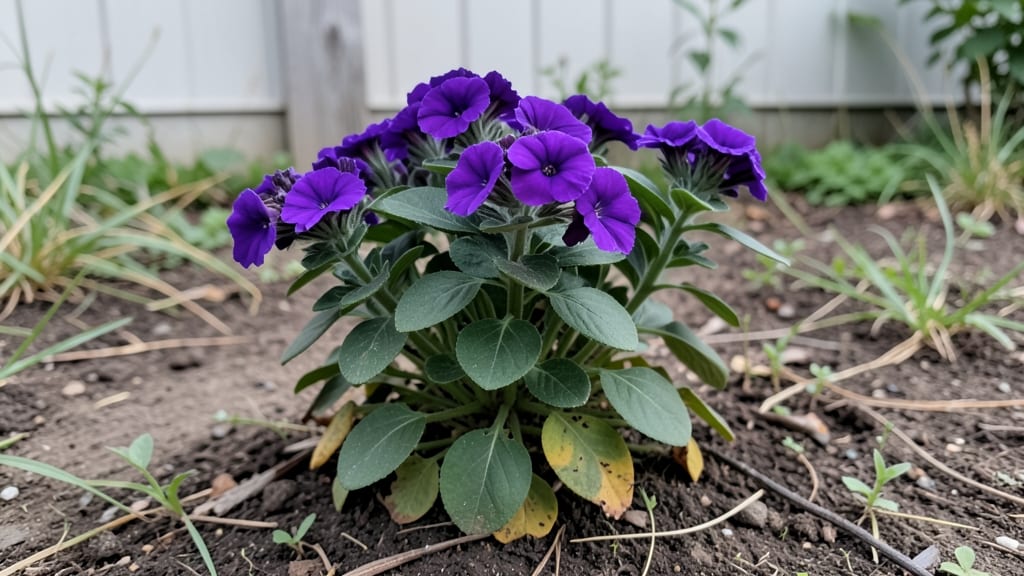
Geranium purple flowers transform any space with their velvety blooms and intoxicating fragrance—my hanging baskets stay lush from spring through frost. 🌿 There's nothing quite like the way they spill over edges, creating a cascading purple waterfall that brightens patios, porches, or even shady corners.
The secret lies in their hardiness and adaptability, whether tucked into borders, nestled in containers, or draped in cottage-style gardens.
These geraniums thrive in partial shade to full sun, making them perfect for almost any spot in your yard. Pair them with trailing ivy or dusty miller for a striking contrast, or mix with white petunias for a soft, romantic look.
The key is keeping soil well-draining and watering consistently—once established, they bounce back from neglect like champions.
Imagine your summer afternoons filled with the sweet, slightly spicy scent of purple geraniums as you stroll through your garden. They attract pollinators like bees and butterflies, turning your space into a buzzing, fluttering paradise.
With the right care, these plants will reward you with blooms until the first frost, making them the ultimate low-maintenance star of any garden design.
Whether you're designing a vibrant border, filling a hanging basket, or adding charm to a cottage garden, purple geraniums deliver effortless beauty. Their versatility means they fit anywhere—just give them room to spread and watch them work their magic all season long.
📚 In This Guide
- What you need
- Instructions
- Tips and common mistakes
- Wrapping up and next steps
What you need
- ● Geranium plants: 3–5 Pelargonium varieties (e.g., Pelargonium × hortorum or Pelargonium peltatum) with deep purple blooms. Choose healthy, well-rooted plants (4–6 inches tall).
- ● Hanging baskets: 10–14 inches in diameter, with drainage holes. Opt for lightweight materials like coconut fiber, plastic, or metal.
- ● Potting mix: 1–2 gallons of well-draining mix (e.g., 50% peat moss, 30% perlite, 20% compost). Avoid heavy garden soil!
- ● Slow-release fertilizer: 1–2 cups of balanced 10-10-10 or 20-20-20 granules (for 3–5 plants).
- ● Moss or sphagnum: 1–2 handfuls (to secure plants and retain moisture).
- ● Watering can: With a rose nozzle for gentle watering.
- ● Scissors or shears: For trimming plants or cutting moss.
- ● Decorative accents: Colorful basket liners, ribbons, or hanging charms for a polished look.
- ● Liquid fertilizer: A balanced water-soluble (e.g., 20-20-20) for mid-season feeding.
- ● Pest control: Neem oil or insecticidal soap (prevents aphids or spider mites).
- ● Support stakes: If using trailing varieties, add small stakes for extra stability.
Step-by-Step instructions for growing fragrant purple geraniums in hanging baskets
Here's how to create lush, fragrant hanging baskets that burst with purple blooms all season long.
🪴 Step 1: Select and Prepare the Perfect Hanging Baskets
Choose 14-16 inch diameter hanging baskets with sturdy metal or plastic frames—these provide enough volume for geraniums' sprawling roots. I prefer baskets with multiple drainage holes (at least 6-8) to prevent soggy roots. Soak the baskets in warm water for 10 minutes before assembly to remove any manufacturing chemicals that could harm roots.
Line the bottom with 2-3 inches of moisture-retentive liner (like coconut coir or sphagnum moss), then add a 1-2 inch layer of perlite or orchid bark on top. This creates a drainage layer that prevents compaction while allowing excess water to escape. The liner should extend up the sides to contain soil but still allow air circulation at the base.
🌱 Step 2: Create the Ideal Soil Mix for Geraniums
Fill the basket with a custom mix of 50% premium potting soil, 30% perlite or pumice, and 20% composted pine bark. This blend drains quickly but retains enough moisture for geraniums' shallow roots. Avoid garden soil—it compacts too easily in containers and suffocates roots.
Gently fluff the mix with your fingers to create air pockets while maintaining a loose, crumbly texture. The goal is a soil that holds moisture like a damp sponge but doesn't clump when squeezed. Add a handful of slow-release granular fertilizer (10-10-10 ratio) to the bottom layer—this gives roots a steady nutrient supply without burning tender foliage.
☀️ Step 3: Plant Geraniums for Maximum Blooms and Fragrance
Dig planting holes twice as wide as the root ball but no deeper than the container's original soil line. Position each geranium so the top of the root ball sits ½ inch below the basket rim—this prevents soil from spilling out while allowing room for water. I plant 3-4 geraniums per 14-inch basket to create a full, cascading look without overcrowding.
Fill the gaps with additional soil mix, pressing lightly to eliminate air pockets. Water thoroughly until water runs freely from the drainage holes, then let it drain completely. The first watering helps settle the soil around roots while flushing out any residual salts from the fertilizer. Space plants 6-8 inches apart at the edges to allow air circulation and prevent fungal diseases.
💧 Step 4: Water and Feed for Continuous Purple Blooms
Water geraniums every morning during hot weather, allowing ½ inch of water to drain through the basket. I use a gentle shower attachment on my hose to avoid displacing soil. Geraniums hate soggy roots but also wilt quickly when dry—check soil moisture by sticking your finger 1 inch deep; if it feels dry, it's time to water.
Feed with a balanced liquid fertilizer (20-20-20) every 2 weeks during the growing season (April-October). The key is consistency: geraniums respond to regular feeding with more blooms and stronger fragrance. Reduce feeding in winter to every 6-8 weeks as growth slows. Deadhead spent blooms weekly to encourage continuous flowering—simply pinch off flowers just above the next set of leaves.
✂️ Step 5: Prune and Maintain for All-Season Beauty
After the first flush of blooms, give geraniums a light pruning by cutting back leggy stems to 4-6 inches above the base. This encourages bushier growth and more flowers. Use clean, sharp pruners and make cuts at a 45-degree angle just above a leaf node. Prune again in mid-summer after the second flush of blooms to maintain shape and prevent woody stems.
Overwinter baskets by moving them to a sheltered location with partial shade and reducing water to every 10-14 days. Trim back by ⅓ in early spring before new growth begins. I always fertilize lightly in late winter with a half-strength balanced fertilizer to jumpstart growth. With proper care, your geraniums will reward you with vibrant purple blooms and intoxicating fragrance for years to come.
Tips & tricks for perfect fragrant purple geranium baskets
These pro tips will help you transform your hanging baskets into fragrant, blooming showstoppers that last all season.
The Drainage Layer Secret: That 1-2 inch layer of perlite or orchid bark in Step 1 isn't just about drainage—it's about aeration too. The tiny air pockets help prevent fungal diseases that thrive in compacted soil. I like to add a handful of small pebbles mixed in with the bark for extra airflow at the roots. This keeps those purple blooms healthy and fragrant for months.
Soil Mix Pro Tip: When creating your 50-30-20 soil blend in Step 2, don't just eyeball the measurements. Use separate containers to portion each component precisely—this ensures consistent moisture retention and drainage throughout the basket. I've found that adding a handful of worm castings to the premium potting soil boosts microbial activity, which helps roots absorb nutrients more efficiently.
Planting Depth Matters: That ½ inch below the basket rim in Step 3 is critical for two reasons: first, it prevents soil from spilling out when you water; second, it allows room for the soil to settle slightly after watering. Too deep, and you risk root rot from poor drainage; too shallow, and the roots won't establish properly. I always press the soil gently around the roots to eliminate air pockets without compacting it.
Watering Wisdom: The "every morning" watering in Step 4 is non-negotiable during peak summer heat, but timing matters just as much as frequency. Water in the early morning so leaves have time to dry before evening—this prevents fungal spores from taking hold. I've found that using a rain gauge to measure exactly ½ inch of water gives me the perfect balance between hydration and drainage, preventing both wilting and root rot.
Pro Tips for Geranium Purple Flowers
- These pro tips will help you transform your hanging baskets into fragrant, blooming showstoppers that last all season.
- The Drainage Layer Secret: That 1-2 inch layer of perlite or orchid bark in Step 1 isn't just about drainage—it's about aeration too.
- Soil Mix Pro Tip: When creating your 50-30-20 soil blend in Step 2, don't just eyeball the measurements.
Frequently asked questions
How do I keep my purple geraniums blooming all season?
Deadhead spent blooms regularly to encourage new flowers. Prune leggy stems in early spring and after each flush of blooms. Use a balanced 10-10-10 fertilizer every 4-6 weeks during the growing season. Pro tip: Place baskets in morning sun to avoid scorching while ensuring they get enough light for continuous blooms.
Why are my purple geranium leaves turning yellow?
Yellowing leaves often signal overwatering or poor drainage. Let the top inch of soil dry out between waterings, and ensure baskets have drainage holes. Check for pests like aphids or whiteflies—treat with neem oil if needed. Pro tip: Avoid soggy soil; geraniums hate "wet feet."
Can I grow purple geraniums in containers other than hanging baskets?
They thrive in window boxes, pots, or even vertical gardens. Just ensure containers are at least 8-12 inches deep with drainage. For hanging alternatives, try macramé pockets or wall-mounted planters. Pro tip: Use lightweight potting mix to prevent heavy containers from damaging walls.
Do purple geraniums survive winter outdoors?
Most geraniums are tender perennials and won’t survive frost. Before winter, bring baskets indoors to a cool, bright spot (50–60°F). Reduce watering and fertilize lightly. In spring, resume outdoor placement after the last frost. Pro tip: If you love them, treat them as annuals or overwinter indoors for next year’s blooms!
What’s the best companion plant for purple geraniums in hanging baskets?
Pair them with trailing plants like sweet potato vine or fuchsia for a lush look. Basil or marigolds can deter pests naturally. Avoid heavy feeders like petunias, which compete for nutrients. Pro tip: Mix in calibrachoa for a spiller-thriller-filler combo!
Wrapping up and next steps
Geranium purple flowers are a showstopper for any garden or patio—fragrant, vibrant, and effortlessly charming! Whether you’re a seasoned gardener or just starting, these beauties prove that low-maintenance elegance is totally within reach. 🌸
Ready to transform your space? Grab your supplies, follow the tips, and let your purple geraniums bloom with confidence. Next up: watch them thrive and enjoy the compliments (and maybe even some buzzing pollinators)! 🐝