
Shrubs
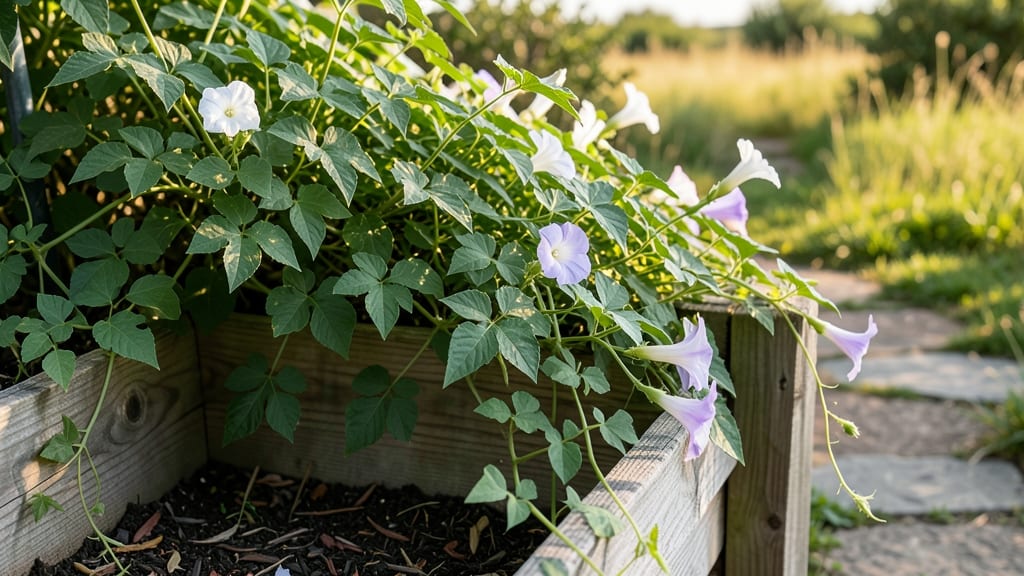
Growing flowering potato vine (Solanum jasminoides) in the Pacific Northwest means you can enjoy its fragrant blooms even after frost—if you know the tricks. 🌿 I’ve learned that while this vine thrives in heat, a little winter prep keeps it coming back year after year, even in our damp, chilly climate.
The secret starts with the right spot: full sun for at least 6 hours daily and a trellis or fence to climb—this vine can reach 10-15 feet if given space.
Well-draining soil is a must, and a mulch blanket in winter protects roots from freezing. Water consistently but avoid soggy soil, which leads to rot.
By late spring, you’ll see clusters of trumpet-shaped flowers in shades of white, purple, or pink, filling the air with a sweet jasmine-like scent.
Prune back leggy growth in early summer to encourage bushier blooms, and cut it all the way to the ground after frost to reset for next year.
Even in our rainy climate, this vine handles the Pacific Northwest’s USDA Zones 8-11 with the right care. Start with a sturdy trellis, protect young plants from slugs, and you’ll have a frost-resistant showstopper that keeps blooming longer than most annuals.
📚 In This Guide
- What you need
- Instructions
- Tips and common mistakes
- Wrapping up and next steps
What you need
- ● Flowering potato vine plants: 3–5 nursery-grown plants (for full coverage in containers or beds) or
- ● Seeds (start indoors 8–10 weeks before last frost; germination can be slow!).
- ● Well-draining potting mix: 2–3 bags (1–2 cubic feet each) for containers or blend with native soil for in-ground planting.
- ● Compost or slow-release fertilizer: 1–2 cups (5–10 oz) per plant to boost resilience in cooler climates.
- ● Mulch: 2–3 inches of shredded bark or straw to insulate roots from PNW frosts.
- ● Garden trowel or transplant spade (for digging holes 12–18 inches deep).
- ○ Gloves (optional but recommended—this vine can be prickly!).
- ● Watering can or hose with gentle spray nozzle (keep soil moist but not soggy).
- ● Support structure: Trellis, fence, or arbor (6–8 ft tall for climbing varieties).
- ● Container with built-in stakes (if growing in pots).
- ● Pruning shears (for trimming leggy growth or shaping in spring).
- ● Frost cloth (lightweight, for young plants during late frosts).
- ● Slow-release fertilizer with micronutrients (to compensate for cooler soil temps).
- ● Drip irrigation kit (automates watering in rainy PNW seasons).
Step-by-Step instructions for growing Pacific Northwest-resilient flowering potato vine
Here's how I grow vibrant, frost-hardy potato vine that thrives through our rainy seasons.
🌱 Step 1: Choose the Right Variety and Planting Location
For Pacific Northwest resilience, select Solanum jasminoides varieties that handle cooler temperatures better. Look for named cultivars like 'Crystal' or 'Margarita'—these handle our 40-50°F nights far better than tropical types. Plant in a location with full sun to partial shade—morning sun with afternoon shade works best in hotter inland areas.
I always plant mine near a trellis or fence where they can climb. The vines grow aggressively—10-15 feet in one season—so secure your support structure before planting. In coastal areas, afternoon shade protects leaves from windburn, which is common in our exposed gardens.
🪴 Step 2: Prepare Soil and Plant with Proper Spacing
Potato vine thrives in well-draining soil with a slightly acidic to neutral pH (6.0-7.0). Amend heavy clay soil with 2-3 inches of compost mixed into the top 12 inches of soil. These plants hate soggy roots, so if your site drains poorly, raise beds or plant in containers with drainage holes.
Space plants 3-4 feet apart—they spread quickly and compete aggressively. I plant mine in early spring after the last frost (after April 15 in most of the PNW) or in late summer for fall blooms. Dig a hole twice as wide as the root ball but no deeper—planting too deep encourages rot in our damp climate.
☀️ Step 3: Train Vines and Provide Support
As soon as new growth reaches 6 inches tall, gently weave vines through your trellis or twine. I use soft garden twine tied loosely to avoid damaging stems. The vines grow fast—you'll see 1-2 feet of new growth weekly during summer—so check weekly for proper training.
In windy coastal areas, secure the base with stakes. Our frequent storms can snap heavy vines. Prune leggy growth back by one-third in early summer to encourage bushier, more compact plants that handle our weather better.
💧 Step 4: Water and Fertilize for Pacific Northwest Conditions
Water deeply 1-2 times weekly during dry spells, aiming for 1-2 inches of water per week. Let the top 2 inches of soil dry between waterings—overwatering in our damp climate leads to root rot. I always water at the base to prevent fungal issues from wet foliage.
Fertilize lightly with a balanced 10-10-10 formula at planting, then again in early summer. Too much nitrogen makes plants leafy but flower-sparse. I switch to a low-phosphorus fertilizer in late summer to encourage fall blooms. Our cool, wet summers often mean less blooming, so I prioritize root health over flashy flowers.
✂️ Step 5: Prune for Frost Resilience and Extend the Season
After the first frost (typically October in the PNW), cut back vines to 12-18 inches tall. This protects tender growth and encourages new shoots in spring. I leave a few stems unpruned for overwintering—these often resprout earlier in spring.
In mild winters (30°F+), vines may survive without pruning. I cover young plants with frost cloth during hard freezes. Mulch heavily with 3-4 inches of straw around the base to insulate roots. Our wet winters mean mulch also prevents soil-borne diseases that thrive in damp conditions.
Tips & tricks for Pacific Northwest flowering potato vine success
Here's what I've learned after years of growing these hardy vines through our rainy, chilly seasons.
Variety Selection: The key to frost resilience starts with choosing the right cultivar. While 'Crystal' and 'Margarita' handle our 40-50°F nights beautifully, I've found 'Margarita' produces the most vibrant blooms in our cooler summers. For coastal areas, look for varieties labeled "hardy" or "cold-tolerant"—they'll reward you with longer flowering seasons. Between us, don't skimp on quality plants; those $3.99 flats from big-box stores often lack the vigor you need for our climate.
Soil Preparation Strategy: In Step 2, when amending your soil with 2-3 inches of compost, I add a handful of perlite to improve drainage—our rainy winters make soggy soil a real problem. For heavy clay soils, I create raised beds with a mix of 60% native soil, 30% compost, and 10% coarse sand. The goal is to mimic the well-draining conditions these tropical natives prefer, even though they're more resilient than their reputation suggests.
Training Technique: When your vines reach that 6-inch mark in Step 3, here's my game-changer: use bamboo stakes instead of twine for support. I drive 3-foot stakes into the ground every 3-4 feet along the trellis and loosely tie vines to them. This creates a natural framework that handles our frequent storms better than twine alone. The stakes also make pruning easier—just cut any damaged sections that hit the ground during windstorms.
Winter Survival Hack: For that critical 30°F+ threshold mentioned in Step 5, I've developed a layered protection system. After cutting back to 12-18 inches, I wrap the remaining stems in burlap, then cover with frost cloth. The burlap creates an insulating air pocket while the frost cloth blocks radiant heat loss. I've successfully overwintered plants this way through 20°F nights—far colder than our typical PNW winters. The key is to remove the frost cloth during the day when temperatures rise above freezing to prevent fungal issues.
Pro Tips for Flowering Potato Vine
- Here's what I've learned after years of growing these hardy vines through our rainy, chilly seasons.
- Variety Selection: The key to frost resilience starts with choosing the right cultivar.
- Soil Preparation Strategy: In Step 2, when amending your soil with 2-3 inches of compost, I add a handful of perlite to improve drainage—our rainy winters make soggy soil a real problem.
Frequently asked questions
Got questions about growing flowering potato vine (Solanum jasminoides) in the Pacific Northwest?
Here are some common ones—and their answers—to help you cultivate this vibrant climber with confidence!
How cold-hardy is flowering potato vine in the PNW?
Flowering potato vine thrives in USDA Zones 9–11 but can survive brief dips to 20°F (-7°C) with proper care. In the PNW’s milder winters (Zones 7–9), mulch heavily around the base and protect young plants with frost cloth. Established vines often bounce back after light frost—just prune damaged stems in spring!
When should I plant flowering potato vine in the Pacific Northwest?
For best results, plant in early spring (April–May) after the last frost, or in late summer (August) to give roots time to establish before winter. Avoid planting in fall—young vines may struggle with cold soil. PNW’s wet winters? Choose a spot with excellent drainage to prevent root rot.
Can flowering potato vine grow in shade?
While it tolerates partial shade (especially in hot afternoons), flowering potato vine needs at least 4–6 hours of direct sun daily for vibrant blooms and vigorous growth. In deep shade (e.g., under dense evergreens), expect slower growth and fewer flowers. East- or west-facing walls are ideal in the PNW!
What pests or diseases should I watch for in the PNW?
Common issues include:
- Aphids: Spray with soapy water or introduce ladybugs.
- Spider mites: Boost humidity or use neem oil.
- Fungal diseases (like powdery mildew): Improve airflow and avoid overhead watering.
How do I encourage more flowers on my vine?
Prune back leggy growth in early spring to redirect energy to blooms. Deadhead spent flowers regularly, and fertilize lightly with a balanced, low-nitrogen formula (e.g., 10-10-10) in spring. Over-fertilizing can boost foliage over flowers—go easy!
What’s a good alternative if flowering potato vine struggles in my PNW garden?
Try these frost-tolerant, fast-growing climbers:
- Clematis (e.g., ‘Jackmanii’): Hardy to Zone 4, thrives in partial shade.
- Honeysuckle (Lonicera): Fragrant, attracts pollinators, and handles PNW winters well.
- Star jasmine (Trachelospermum jasminoides): Evergreen, drought-tolerant, and blooms in spring.
Wrapping up and next steps
Growing a flowering potato vine in the Pacific Northwest isn’t just possible—it’s a rewarding way to add vibrant color and resilience to your garden! 🌸 With the right location, soil prep, and frost-hardy care, you’ll enjoy lush, climbing beauty even in cooler climates.
Whether you’re a beginner or a seasoned gardener, this plant offers low-maintenance charm and stunning blooms.
Ready to level up your garden? Start by choosing your favorite variety, then grab your gloves and get planting! For extra tips, check out local PNW gardening groups or nurseries—your future vine (and pollinators!) will thank you.