
Blooming
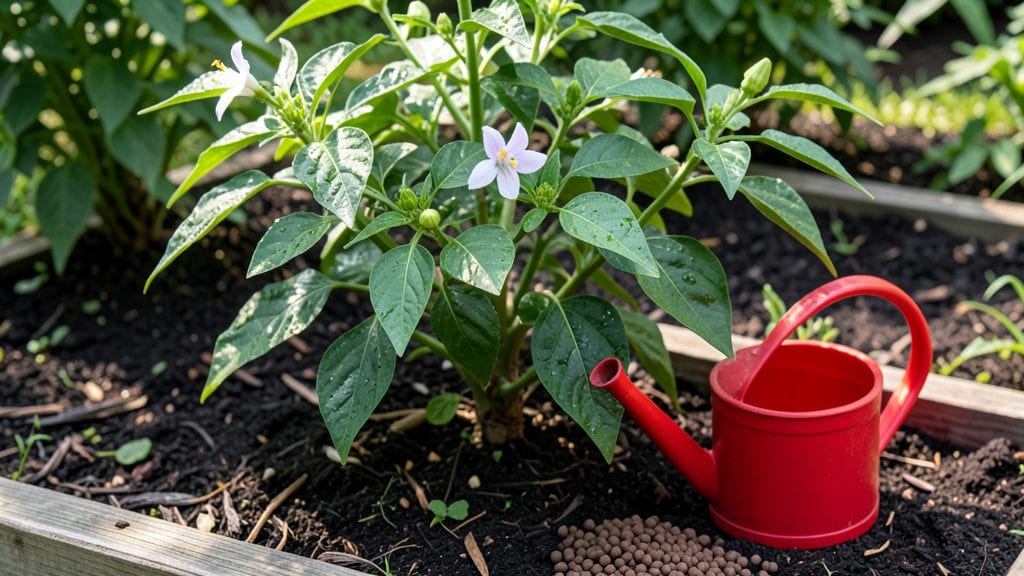
Getting chili plants to flower comes down to two things: sunlight and heat—and I’ve learned the hard way that skipping either one means no peppers. 🌿 Last summer, my jalapeños sat stubbornly vegetative until I moved them into full sun and cranked up the heat, and suddenly, blossoms appeared within weeks.
The secret isn’t complicated: chilies need at least 6-8 hours of direct sunlight daily and temperatures consistently above 65°F—warmer is better. Too little light or cool nights stall flowering, and overwatering or nutrient imbalances can send energy to leaves instead of blooms.
My plants now produce fruit like clockwork because I mimic their tropical origins.
What you’ll end up with is a bush covered in bright blooms and, eventually, the peppers you’ve been waiting for. The first flowers appear in 4-6 weeks if conditions are right, and proper pollination (or a gentle shake) turns those blossoms into fruit within 60-90 days.
The key is consistency—no guesswork, just steady care.
Works for container gardens, raised beds, or backyard plots—just adjust sunlight and heat accordingly. Here’s how to make it happen without the trial-and-error headaches.
📚 In This Guide
- What you need
- Instructions
- Tips and common mistakes
- Wrapping up and next steps
What you need
- ● Chili plant seedlings or seeds: Choose heat-loving varieties like Capsicum annuum (bell peppers, jalapeños) or Capsicum frutescens (tabasco, habanero). Start with 3–5 plants for experimentation.
- ● Well-draining potting mix: 1–2 bags (12–18 qt each) of a blend designed for peppers or vegetables (e.g., 60% potting soil + 40% perlite/compost). Avoid garden soil—it’s too dense!
- ● Containers or garden bed: For containers: 5–10 gallon pots (one per plant) with drainage holes. Opt for fabric pots or plastic with 12+ inches of depth.
- ● For in-ground planting: A sunny spot with 6+ hours of direct sunlight daily and loose, sandy soil (amend with compost if needed).
- ● Fertilizer: Balanced fertilizer (10-10-10 or 5-5-5): 1 tbsp per plant at planting, then every 4–6 weeks.
- ● Phosphorus-rich fertilizer (e.g., 5-10-10): 1 tsp per plant when buds form to encourage flowering.
- ● Watering can or hose with a gentle nozzle: Chili plants hate soggy roots—aim for 1–1.5 inches of water per week (adjust for heat/drought).
- ○ Grow lights (optional but helpful): A full-spectrum LED grow light (20–40W) for 12–14 hours/day if natural light is limited (e.g., indoor growing).
- ○ Heat mat (optional for indoor starts): A seedling heat mat set to 70–80°F to speed up germination if starting from seed.
- ● Pruning shears or scissors: Sharp, clean pair for trimming suckers or dead leaves.
- ○ Thermometer (optional): A soil or air thermometer to monitor temperatures (ideal range: 70–90°F for blooming).
- ● ✅ Access to full sun: Chili plants need 6+ hours of direct sunlight daily—more is better for heat-loving varieties!
- ● ✅ Warmth: Temperatures below 55°F (13°C) can stall flowering. Use a greenhouse or indoor setup if your climate is cool.
- ● ✅ Patience: Some chili varieties take 8–12 weeks from transplant to flower—don’t rush it!
Step-by-Step instructions for encouraging chili flowering
Here’s the science-backed method I use to coax chili plants into blooming reliably—no guesswork.
🌱 Step 1: Verify and Optimize Light Exposure
Chilis need 12+ hours of direct sunlight daily to trigger flowering. If yours are indoors, move them within 6 inches of a south-facing window or under full-spectrum LED grow lights (14-16 hours/day). I test light sufficiency by checking leaf color: deep green means it’s happy; pale or yellowing means it’s starving for light.
Outdoor plants? Watch for shade from nearby structures—even partial shade can delay blooms. If your chilis start stretching toward the light (called "legginess"), they’re begging for more intensity. Rotate pots quarter-turn weekly to prevent uneven growth and ensure all sides get equal sun exposure.
☀️ Step 2: Maintain Ideal Temperature and Heat Triggers
Chilis are tropical—daytime temps of 75-85°F and nighttime temps above 60°F are non-negotiable for flowering. If your home runs cooler, use a seedling heat mat (set to 75°F) under pots or place them on a heat sink like a sunny windowsill with a thermostat-controlled vent nearby.
For outdoor growers, black plastic mulch raises soil temps by 5-10°F, which speeds up flowering. I also mist leaves daily in the morning to create a microclimate that mimics their native humidity. Watch for wilting in afternoon heat—that’s your cue to provide afternoon shade until plants adjust.
💧 Step 3: Adjust Watering to Stress Plants Just Enough
Here’s the counterintuitive part: slight water stress triggers flowering. Let the top 2 inches of soil dry out between waterings (check with your finger—dry but not bone-dry). Overwatering sends chilis into vegetative growth mode, while consistent moisture (not drought!) signals it’s time to bloom.
I water deeply at the base (not overhead) to encourage strong root systems. Yellowing lower leaves? That’s normal—prune them to redirect energy upward. If the plant wilts dramatically, it’s too late; next time, adjust before wilting occurs.
✂️ Step 4: Prune and Fertilize Strategically
Pinch off new growth tips when plants reach 12-18 inches tall—this redirects energy to flowering. I also remove suckers (side shoots in leaf axils) to prevent competition. For established plants, top them at the first flower cluster to encourage branching and more blooms.
Switch to a low-nitrogen, high-phosphorus fertilizer (like 5-10-10) once plants are 6-8 weeks old. Phosphorus is the flowering trigger! I apply it every 4-6 weeks during the blooming season. Avoid organic fertilizers high in nitrogen (like fresh manure)—they’ll keep your chilis growing leaves instead of flowers.
🌿 Step 5: Monitor and Troubleshoot Common Roadblocks
No flowers after 8 weeks? Check for overcrowding—chilis need 18+ inches of space per plant. If they’re packed in, they’ll focus on leaves, not blooms. Also, pests like spider mites weaken plants; spray with neem oil if you see webbing or stippled leaves.
Another red flag: bud drop. This happens when temps dip below 60°F at night or when plants experience sudden temperature swings. Move potted chilis indoors if frost threatens, and use row covers for outdoor plants. Once buds form, avoid moving the plant—even a slight shift can cause them to drop.
Tips & tricks for perfect chili flowering
Here's what nobody tells you about pushing chili plants into bloom—these tricks make all the difference between leafy stalks and fruit-bearing plants.
Light Intensity Matters: In Step 1, when checking leaf color, look for bright, glossy green leaves—not just any green. Dull or yellowing leaves mean your chilis aren't getting enough light intensity. For indoor growers, supplement with full-spectrum LED grow lights that provide 14-16 hours of light daily—this mimics summer daylight and triggers the flowering response. I've seen chilis double their growth rate when given this extra light boost.
Temperature Consistency is Key: The 75-85°F daytime range in Step 2 isn't just a suggestion—it's a biological requirement. Chili plants are tropical and won't flower outside this window. If your home runs cooler, use a seedling heat mat set to 75°F under pots to maintain that lower threshold. For outdoor growers, black plastic mulch can raise soil temperatures by 5-10°F, creating the perfect microclimate for flowering.
Watering Strategy That Works: The "dry but not bone-dry" rule in Step 3 is crucial—it's the perfect balance between stress and survival. I test soil moisture by sticking my finger 2 inches deep; if it feels dry at that depth but still cool to the touch, it's time to water. Overwatering is the #1 mistake that keeps chilis from flowering—it sends them into vegetative growth mode instead of triggering the reproductive response we want.
Pruning Timing Secret: When pinching off growth tips in Step 4, wait until plants reach 12-18 inches tall—this ensures they have enough energy reserves to handle the stress of pruning. I also recommend pruning in the morning when plants are fully turgid. This timing gives them the whole day to recover and redirect energy toward flowering rather than leaf production.
Pro Tips for Get Chili Plants To Flower
- Here's what nobody tells you about pushing chili plants into bloom—these tricks make all the difference between leafy stalks and fruit-bearing plants.
- Light Intensity Matters: In Step 1, when checking leaf color, look for bright, glossy green leaves—not just any green.
- Temperature Consistency is Key: The 75-85°F daytime range in Step 2 isn't just a suggestion—it's a biological requirement.
Frequently asked questions
Got questions about coaxing those vibrant chili flowers to bloom? You’re not alone! Here are some of the most common concerns—and straightforward answers—to help you troubleshoot and succeed.
Why aren’t my chili plants flowering at all?
If your chili plants are thriving but still no flowers, they might need more heat or sunlight. Chilies typically flower when days are long (12+ hours of sunlight) and temperatures stay above 70°F (21°C). Try moving them to a sunnier spot or supplement with a grow light. Young plants may also need time—be patient!
How long does it take for chili plants to flower?
Most chili plants take 6–12 weeks to flower after transplanting, depending on the variety and growing conditions. Dwarf or early varieties (like Thai chilies) may bloom faster, while larger types (like jalapeños or habaneros) take longer. Consistent warmth and sunlight speed up the process!
Can I force chili plants to flower indoors?
Yes! Use a grow light (12–16 hours/day) and keep temps between 75–85°F (24–29°C). A heat mat can help if your space is cool. Fertilize lightly with a balanced, low-nitrogen formula (like 5-5-5) to encourage blooming. Just avoid overwatering—stressed roots delay flowers.
What if my chili flowers drop off before fruiting?
Dropping flowers (called “flower drop”) often happens due to stress: sudden temp swings, overwatering, or poor pollination. Hand-pollinate with a brush if bees aren’t visiting, and ensure steady moisture (not soggy soil). For heat-lovers like habaneros, keep temps above 80°F (27°C) day and night.
Can I prune chili plants to encourage more flowers?
Pruning can help! Remove any yellow leaves or leggy growth to redirect energy to flowering. For bushier plants, pinch off the top set of leaves (just above a node) to promote side branches. Avoid heavy pruning—focus on shaping, not drastic cuts. Pro tip: Prune in the morning to let wounds heal by night!
Wrapping up and next steps
Getting your chili plants to flower is all about patience, precision, and the right conditions—sunlight, warmth, and proper care are your best allies! 🌞 With the right triggers like 12+ hours of sunlight and consistent heat, you’ll soon see those vibrant blooms (and later, juicy peppers) emerge. Don’t stress if it takes time—even the most experienced growers tweak their approach until they find the perfect balance.
Now that you’re armed with the know-how, take action! Start monitoring your plants’ progress, adjust their environment as needed, and celebrate every small victory—like the first bud or leaf. Next up? Harvesting your peppers or sharing your success with fellow chili enthusiasts! 🌶️✨