
Flowers
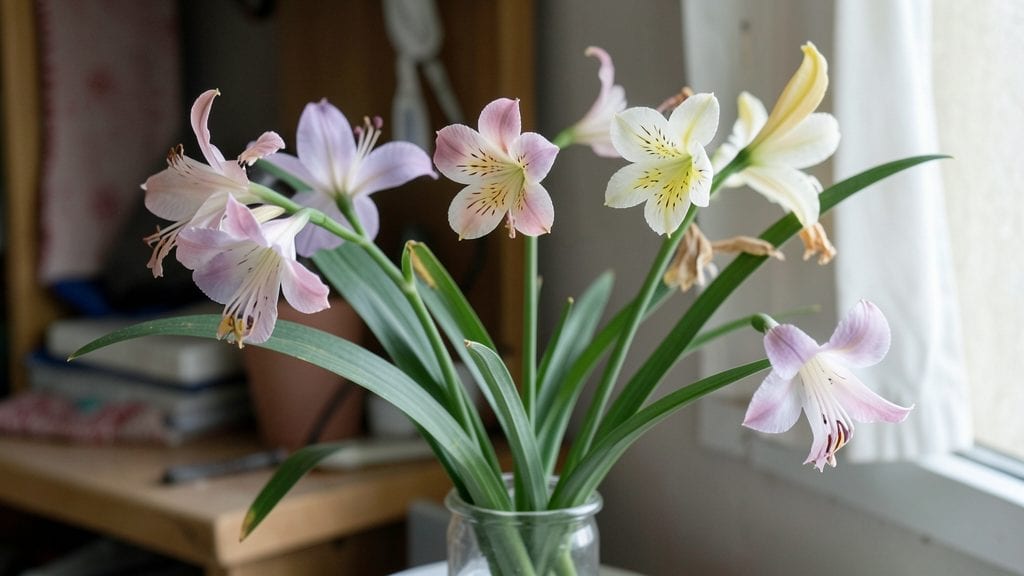
Those drooping get-well flowers after surgery deserve a second chance—just like you. 🌿 The moment they arrive, they've already faced travel stress, limited light, and maybe even a few days without proper care. But with a few simple steps, you can revive them and extend their beauty during your recovery.
Start by giving them a fresh cut at an angle and placing stems in room-temperature water—never cold. Remove any leaves that might drown underwater, and avoid direct sunlight, which can stress them further.
A cool, bright spot near a window works best, but keep them away from drafts or heating vents.
Within 24-48 hours, you’ll see signs of life: perky petals, crisp stems, and maybe even new buds opening. For long-term care, change the water every 2-3 days and trim stems again if they show signs of fading.
If the blooms start to wilt again, a splash of floral preservative can work wonders.
Some flowers, like roses or orchids, may need extra humidity—a simple pebble tray with water can help. Others, like alstroemeria or snapdragons, are tougher and can bounce back with just consistent watering. Either way, your flowers—and your space—will feel brighter with just a little TLC.
📚 In This Guide
- What you need
- Instructions
- Tips and common mistakes
- Wrapping up and next steps
What you need
- ● Fresh flowers: 1–2 stems of long-lasting blooms (e.g., roses, lilies, or orchids—avoid lilies if allergies are a concern 🌺).
- ● 3–5 stems of delicate filler flowers (e.g., baby’s breath, carnations, or alstroemeria for softness 🌼).
- ● 1–2 stems of greenery (e.g., eucalyptus, ferns, or ivy for texture and fragrance 🌿).
- ● Floral supplies: 1 clear or colored glass vase (8–12 oz, with a narrow neck for hydration 💧).
- ● 1 packet of flower food (or 1 tsp sugar + 1 tsp bleach in warm water as a DIY alternative 🧴).
- ● Floral tape or oasis foam (if arranging a bouquet for durability 🎀).
- ● A handwritten note (cardstock or a folded paper with a heartfelt message ✍️).
- ● Scented elements: A few drops of lavender or chamomile oil (if the recipient enjoys aromatherapy 🌿).
- ● Soft wrapping: Tissue paper or a silk ribbon to tie the bouquet (for a polished touch 🎀).
- ● Hydration hack: A small spray bottle with water (to refresh flowers during recovery 💦).
Step-by-step guide to selecting and arranging get well flowers
Here's how to choose flowers that bring comfort and joy during recovery.
🌿 Step 1: Choose Low-Allergen, Fragrant Flowers
Opt for flowers that are gentle on sensitive noses and easy to care for. Sunflowers, roses, and orchids are excellent choices—their bright colors lift spirits without overpowering scents. Avoid lilies, which can be toxic to pets, and strong-scented flowers like lilacs that might irritate recovery room air quality.
Look for fresh, fully bloomed flowers with vibrant petals and firm stems. A single stem of a large bloom, like a peony or a calla lily, makes a bold statement without overwhelming the space. If arranging multiple stems, keep the bouquet compact—smaller arrangements are easier to place near a patient's bed or chair.
💧 Step 2: Prepare Vases and Water for Longevity
Use a clean, clear vase that allows stems to drink water freely. A simple glass vase with a narrow neck works well, but avoid decorative vases with tight openings—they trap air and prevent water uptake. Cut stems at a 45-degree angle just before placing them in water to maximize surface area for absorption.
Fill the vase with room-temperature water and add a drop of floral preservative if available. Change the water every 2-3 days to keep stems hydrated and prevent bacterial growth. Place the vase in a spot where it won’t be knocked over, like a bedside table or a stable surface within easy reach.
☀️ Step 3: Arrange Flowers for Comfort and Visibility
Position the arrangement where the patient can see it easily—perhaps on a table near their bed or a chair where they spend time. Avoid placing flowers directly on hospital linens, as they might get crushed or knocked over. Instead, use a small tray or a decorative stand to elevate the bouquet slightly.
If the patient has limited mobility, choose flowers that don’t require frequent adjustments. A single-stem arrangement or a small cluster is ideal—it’s low-maintenance and still makes a meaningful impact. Bright colors like yellow, pink, or purple are universally uplifting and easy to spot from a distance.
✂️ Step 4: Maintain Freshness During the Stay
Check the flowers daily for wilting or drooping stems. If leaves touch the water, trim them to prevent decay. Keep the vase topped off with fresh water, and avoid placing it near direct sunlight or heating vents, which can cause flowers to wilt faster.
If the patient is staying for an extended period, consider rotating flowers every 3-4 days to keep the arrangement looking fresh. A small, fresh bouquet can be a welcome surprise mid-recovery, signaling care and attention without overwhelming the space.
🪴 Step 5: Add Thoughtful Extras for Comfort
Pair the flowers with a handwritten note or a small gift, like a book of uplifting quotes or a stress ball. These extras add a personal touch and show the patient they’re cared for beyond just the flowers. Keep the note simple and heartfelt—something like, "Wishing you strength and comfort as you heal."
If the patient has specific preferences, like favorite colors or types of flowers, incorporate those into the arrangement. For example, a patient who loves lavender might appreciate a small sprig included in the bouquet for its calming scent. Small details like this make the gesture feel even more meaningful.
Tips & tricks for perfect get well flowers
A few thoughtful touches can transform a simple bouquet into a truly healing gift.
Flower Selection Insight: When choosing flowers, consider the patient's environment. Sunflowers and roses are excellent choices for their vibrant colors and gentle fragrance, but if the patient has allergies, opt for hypoallergenic varieties like orchids or snapdragons. These flowers bring color and life without overpowering scents that might irritate sensitive noses or recovery room air quality.
Vase Preparation: The right vase makes all the difference. A simple glass vase with a narrow neck is ideal because it allows stems to drink water freely, but if you're working with a tight space, a small decorative vase with a wider opening can work too—just make sure to trim stems at a 45-degree angle before placing them in water. This small step dramatically increases water absorption and keeps flowers fresh longer.
Placement Matters: Position your arrangement where it can be easily seen and enjoyed. A bedside table or a stable surface near where the patient spends most of their time is perfect. If the patient has limited mobility, choose a single-stem arrangement or a small cluster that won't require frequent adjustments. Bright colors like yellow, pink, or purple are universally uplifting and easy to spot from a distance, making them ideal choices for recovery rooms.
Maintenance Tips: To keep flowers fresh during the patient's stay, check them daily for wilting or drooping stems. If leaves touch the water, trim them immediately to prevent decay. Change the water every 2-3 days and keep the vase topped off. Avoid placing the arrangement near direct sunlight or heating vents, as these can cause flowers to wilt faster. For extended stays, consider rotating flowers every 3-4 days to keep the arrangement looking fresh and vibrant.
Pro Tips for Get Well Flowers After Surgery
- A few thoughtful touches can transform a simple bouquet into a truly healing gift.
- Flower Selection Insight: When choosing flowers, consider the patient's environment.
- Vase Preparation: The right vase makes all the difference.
Frequently asked questions
Got questions about sending get-well flowers after surgery?
Here are some common concerns—and thoughtful answers—to help you navigate this caring gesture with ease.
When is the best time to send flowers after surgery?
Ideally, send flowers within 24–48 hours of the surgery date. This shows you’re thinking of them during their recovery window. If they’re in the hospital, a small bouquet or single-stem arrangement works best—avoid heavy blooms that could be cumbersome. For outpatient procedures, a day or two later is perfect.
Are there flowers I should avoid sending to a hospital?
Yes! Skip scented flowers (like lilies or roses) or those with latex sap (e.g., poinsettias), as they can trigger allergies or irritate sensitive patients. Opt for hypoallergenic blooms like sunflowers, orchids, or alstroemeria. Hospitals also often restrict balloon bouquets—check their policy first!
Can I send flowers if the patient is in recovery for weeks?
Long recoveries call for low-maintenance options like dried flowers, succulents, or potted plants (e.g., a small snake plant or air plant). Add a handwritten note with care tips—like "Water me weekly!"—to make it personal. For hospitals, a single-stem arrangement in a clear vase is always a safe bet.
How much should I spend on get-well flowers?
There’s no strict rule—$20–$50 is a sweet, thoughtful range for most situations. Focus on meaning over cost: A single delicate orchid or a small bouquet of seasonal blooms paired with a heartfelt note can be just as meaningful as a lavish arrangement. Hospitals often appreciate simplicity!
What if I can’t visit in person—how do I make it special?
Pair flowers with a handwritten note or a small gift like a puzzle book, cozy socks, or a healing-themed candle. Include a photo of you or a memory (e.g., "Remember our hike last summer? Get well soon!"). For tech-savvy patients, a digital card with a video message adds a personal touch!
Wrapping up and next steps
Sending get-well flowers after surgery is a thoughtful way to lift someone’s spirits during their recovery. These blooms bring comfort, warmth, and a reminder that they’re surrounded by care—whether it’s a soft bouquet of sunflowers or a fragrant arrangement of lilies (just ensure they’re petal-safe!). 🌸
Now that you’re equipped with the perfect ideas and tips, take the next step: visit a local florist or order online to arrange a heartfelt delivery. Your gesture will mean the world to someone healing—because sometimes, the simplest touches make the deepest impact.