
Flowers
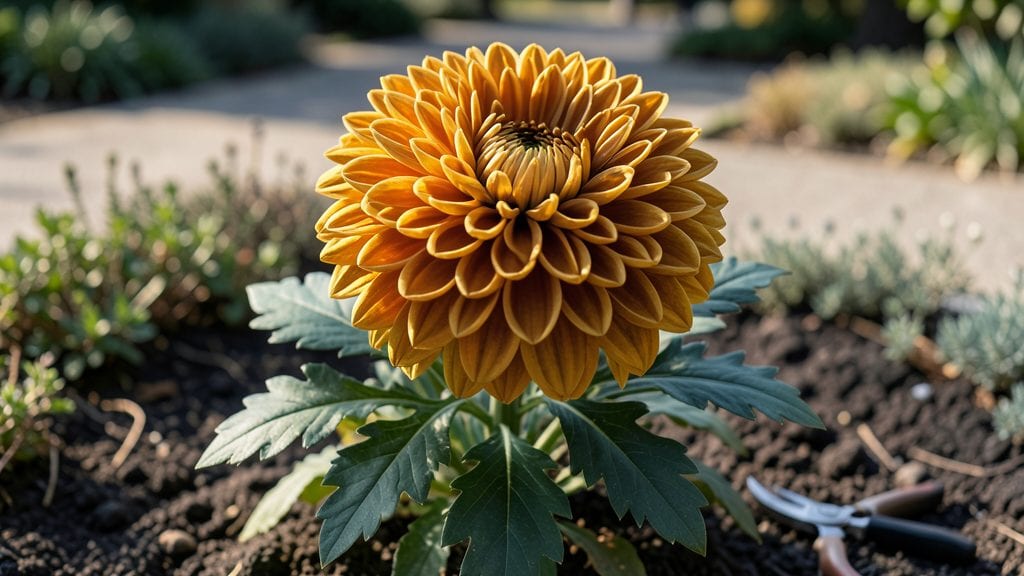
Transform your garden into a breathtaking display with the giant chrysanthemum flower, whose bold, dinner-plate blooms shine until frost—though they won’t thrive without rich soil, steady water, and a little extra care. and a little winter patience to repay you with months of color.
The first time I saw a single stem burst into a 12-inch bloom in October, I knew I'd never go back to small varieties again.
These cold-hardy giants thrive in full sun and well-draining soil, but here's the secret: they reward you for going the extra mile. Start with healthy nursery stock or rooted cuttings, and give them space—each plant needs at least 2 feet of room to flex its growth muscles.
The payoff? Stems thick as your wrist topped with blooms that make every fall stroll feel like a celebration. Even in Zone 5, they bounce back year after year with proper winter protection.
You'll harvest blooms from late summer straight through frost, with stems strong enough for cutting arrangements that last weeks in vases. The foliage stays vibrant even as temperatures drop, and the scent—especially in 'Grandma's Favorite' varieties—lingers in the crisp autumn air like a secret.
The only catch? They need regular deadheading to keep producing, but that's just another excuse to enjoy the garden.
Whether you're a first-timer or a seasoned grower, these plants adapt beautifully to containers or borders. The key is patience—giant chrysanthemums take 90-120 days to bloom, but once they do, your garden becomes the talk of the neighborhood. Let's get those roots growing!
📚 In This Guide
- What you need
- Instructions
- Tips and common mistakes
- Wrapping up and next steps
What you need
- ● Giant Chrysanthemum Plants: 3–5 healthy nursery-grown plants (varieties like ‘Daisy Hill’ or ‘Mammoth’ work best).
- ● Well-Draining Soil: 10–12 bags of premium potting mix or garden soil (amend with compost for richness).
- ● Sunlight Spot: A location with full sun (6+ hours/day) or light shade in hot climates.
- ● Watering Can or Hose: With a gentle spray nozzle for hydration.
- ● Fertilizer: 1 lb of balanced 10-10-10 fertilizer or organic options like fish emulsion.
- ● Mulch: 2–3 bags of shredded bark or straw to retain moisture.
- ● Garden Gloves: A pair to protect your hands.
- ● Pruning Shears: Sharp, sterilized shears for trimming.
- ● Stakes or Cages: 3–4 tall stakes (5–6 ft) to support heavy blooms.
- ○ Optional: Slow-release fertilizer tablets for convenience.
- ● Epsom salt (1 tbsp/month) for magnesium boosts.
- ● Garden twine to secure stakes.
- ● Climate: Hardy in USDA Zones 4–9 (cold-hardy but may need winter protection in colder zones).
- ● Timing: Plant in early spring (after last frost) or late summer for fall blooms.
- ● Patience: Giant chrysanthemums take 8–12 weeks to reach full bloom!
Step-by-step guide to growing giant chrysanthemums
These bold blooms thrive with the right timing and care—here’s how to coax their dramatic color from seed to showstopping display.
Choose the Right Variety and Planting Time
Giant chrysanthemums need a long growing season, so start with cold-hardy varieties like ‘Daisy’ or ‘Mammoth.’ Plant seeds indoors 8-10 weeks before your last frost date, or buy sturdy transplants in early spring. The key is giving them 120-150 days of warm weather to reach full size—these aren’t patient plants.
If you’re transplanting, wait until soil temperatures hit 60°F before moving them outdoors. Cold soil shocks roots, and these giants won’t tolerate it. I always test soil with my finger—if it’s still chilly to the touch, hold off another week. The first true leaves should appear within 10-14 days of planting, signaling healthy growth.
Prepare the Soil and Plant Correctly
Giant chrysanthemums demand rich, well-draining soil with a pH of 6.0-6.5. Amend your garden bed with 2-3 inches of compost and a handful of 5-10-10 fertilizer per plant. These blooms are heavy feeders—they’ll reward you with 6-8 inch flowers if you give them the nutrients they crave.
Space plants 24-36 inches apart in full sun—partial shade will produce smaller blooms. Dig holes twice as wide as the root ball to encourage root spread. Water deeply right after planting to settle the soil, but don’t overdo it. Soggy soil invites rot, and these plants hate wet feet. You’ll know you’ve got it right when the soil around the base feels damp but not muddy.
Maintain Consistent Watering and Fertilizing
Water 1-2 inches per week, keeping soil evenly moist but never soggy. Giant chrysanthemums wilt dramatically when thirsty—don’t let them dry out completely. I check soil moisture by sticking my finger 2 inches down; if it’s dry, it’s time to water. Mulch with 2-3 inches of straw to retain moisture and suppress weeds, which compete for nutrients these plants need.
Fertilize every 4-6 weeks with a balanced 10-10-10 formula until mid-summer. Switch to a low-nitrogen, high-phosphorus fertilizer (like 5-10-10) in late summer to encourage blooming. You’ll see the difference in bold, vibrant flowers—weak stems and small blooms mean your plant is hungry. Stop fertilizing 6-8 weeks before your first frost to harden off the plant for winter.
Prune for Bushier Growth and Larger Blooms
Pinch back the tips of young plants when they reach 6-8 inches tall to encourage branching. This is where most gardeners miss out—skipping pinching leads to leggy stems and fewer blooms. I use clean scissors to snip just above a set of leaves, and within 2-3 weeks, you’ll see new side shoots forming. These will become your flower stems.
Remove any dead or yellowing leaves throughout the season to keep energy focused on blooms. In late summer, cut back any weak stems to redirect nutrients to the strongest growth. You’ll know you’re doing it right when the plant fills out with dense, bushy foliage—this is the foundation for those giant blooms you’re after.
Prepare for Winter and Next Year’s Growth
Giant chrysanthemums are cold-hardy down to 15°F, but their roots need protection. After the first frost, cut back stems to 2-3 inches above the ground and mulch heavily with 4-6 inches of straw or leaves. This insulates the crown and keeps roots from heaving in freeze-thaw cycles. I always mark their location with stakes so I don’t accidentally dig them up in spring.
In early spring, remove the mulch and fertilize lightly with 10-10-10 to jumpstart new growth. You’ll see fresh shoots emerge within 2-3 weeks—this is your signal to start watering regularly again. These plants are perennials, so with proper care, they’ll return year after year with even bigger blooms. Just remember: patience pays off with giant chrysanthemums.
Tips & tricks for perfect giant chrysanthemums
Growing these showstopping blooms is all about timing and attention to detail—here's how to avoid the most common mistakes and get the biggest, most vibrant flowers possible.
Timing is Everything: Those 8-10 weeks before last frost for indoor seeding are non-negotiable. I've learned the hard way that rushing this step leads to weak, leggy plants that never reach their full potential. If you're unsure of your frost date, check your local agricultural extension service—they have precise data for your region. For transplants, that 60°F soil temperature is your green light to move them outdoors, not the air temperature. I always test with my finger—if it feels chilly, wait another week.
Soil Preparation Matters: Don't skimp on the 2-3 inches of compost and 5-10-10 fertilizer—these plants are heavy feeders that demand rich soil. I recommend testing your soil pH first (aim for 6.0-6.5) and adjusting with lime if needed. The 24-36 inch spacing might seem generous, but it prevents competition for nutrients and air circulation, which is crucial for those giant blooms. I've seen plants with crowded roots produce flowers half the size because they're fighting for resources.
Watering Wisdom: The 1-2 inches per week guideline is perfect, but timing matters just as much. Water in the morning so foliage dries quickly, preventing fungal diseases. I check soil moisture by sticking my finger 2 inches down—if it's dry, that's your cue. Overwatering is just as damaging as underwatering, so always err on the side of slightly drier soil. Those 2-3 inches of straw mulch will help maintain even moisture and keep weeds at bay, saving you hours of weeding later.
Pruning Pays Off: Don't skip the pinching when plants reach 6-8 inches—this is where most gardeners miss out on bigger blooms. I use clean scissors to make precise cuts just above leaf nodes, and within 2-3 weeks, you'll see those side shoots that become your flower stems. Regularly removing dead or yellowing leaves redirects energy to the blooms. In late summer, cutting back weak stems gives your plant a growth boost for those final giant flowers you're after.
Pro Tips for Giant Chrysanthemum Flower
- Growing these showstopping blooms is all about timing and attention to detail—here's how to avoid the most common mistakes and get the biggest, most vibrant flowers possible.
- Timing is Everything: Those 8-10 weeks before last frost for indoor seeding are non-negotiable.
- Soil Preparation Matters: Don't skimp on the 2-3 inches of compost and 5-10-10 fertilizer—these plants are heavy feeders that demand rich soil.
Frequently asked questions
Got questions about growing these stunning blooms?
Here are answers to the most common queries about giant chrysanthemums—from planting to care and troubleshooting!
When is the best time to plant giant chrysanthemums?
Plant them in early spring (after the last frost) or early fall (6-8 weeks before the first frost). This gives roots time to establish before extreme temperatures. For container growing, you can plant anytime in warm months!
Are giant chrysanthemums truly cold-hardy?
Yes! Most varieties survive USDA Zones 5-9 with proper mulching. In colder zones, cut back foliage in late fall, then protect with straw or burlap. They’ll bounce back in spring with vibrant color!
How do I keep my giant chrysanthemum blooming all season?
Deadhead spent blooms regularly to encourage new flowers. Fertilize monthly with a balanced 10-10-10 formula, and water deeply 1-2 times weekly (more in extreme heat). Prune leggy stems in early summer for bushier growth!
What pests or diseases should I watch for?
Common issues include aphids, spider mites, and powdery mildew. Spray with neem oil for pests, and ensure good airflow to prevent mildew. Remove infected leaves immediately to stop spread.
Can I grow giant chrysanthemums in containers?
Choose large pots (18+ inches wide) with drainage holes, and use well-draining potting mix. Dwarf varieties (like ‘Little Albert’) work best. Move containers to partial shade in hot afternoons for optimal blooms!
Wrapping up and next steps
The giant chrysanthemum flower is a stunning, cold-hardy addition that brings year-round beauty to any garden—whether you're a seasoned gardener or just starting out! 🌸 With the right care, these showstopping blooms will reward you with vibrant colors and resilience, proving that patience and attention to detail pay off in spectacular ways.
Ready to plant your passion? Start small—pick one variety, gather your supplies, and dive in! Before you know it, your garden will be bursting with these majestic flowers, turning heads and filling your space with natural elegance. Happy growing! 🌱✨