Flowers
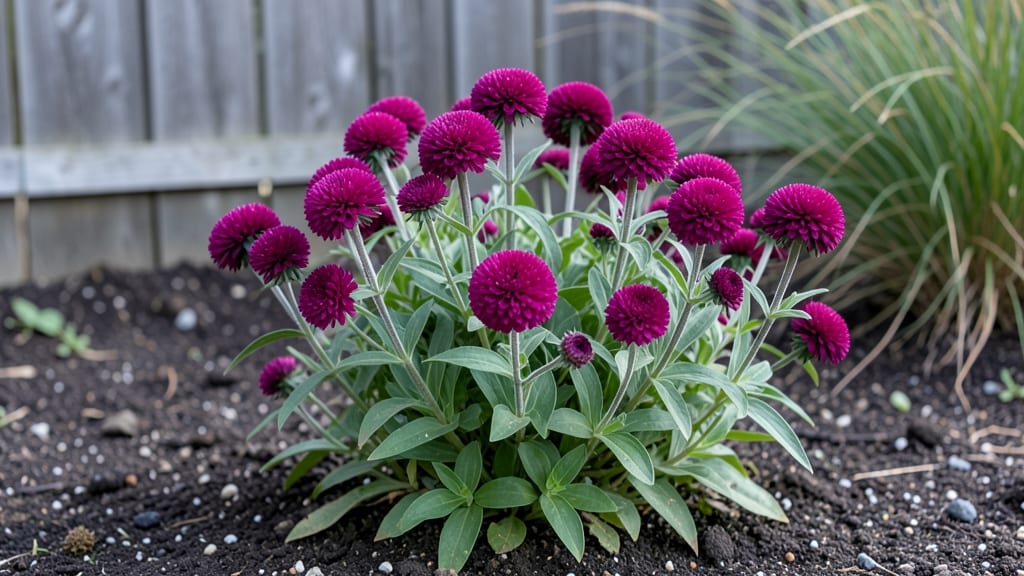
Globe amaranth flowers (Gomphrena globosa) are the unsung heroes of late-summer gardens—bright, papery blooms that refuse to bow to frost. 🌟 I fell for them after my first drought-stricken summer when these little powerhouses thrived while other flowers wilted under the heat.
Their secret? A tough constitution that loves full sun and hates soggy feet, making them perfect for hot, dry spots where nothing else survives.
You’ll need just three things to get started: well-draining soil, a sunny spot (at least 6 hours of direct sun daily), and patience—these babies grow fast.
Seeds are the easiest way in, sprouting reliably even in poor soil, and they’ll reward you with 3-4 months of color from midsummer until frost. The blooms hold their shape perfectly in bouquets, too, so you’ll get double the beauty.
What you’ll end up with is a garden that stays vibrant long after other annuals fade. The velvety, globe-shaped flowers come in fiery reds, deep purples, and sunny yellows, drawing in bees and butterflies while needing almost no care. Even my black thumb can’t kill these—just plant, forget, and enjoy.
Works equally well in container gardens, cottage-style beds, or as edging for pathways. Once you try them, you’ll never go back to fussier flowers. Let’s get those seeds in the ground!
📚 In This Guide
- What you need
- Instructions
- Tips and common mistakes
- Wrapping up and next steps
What you need
- ● Globe amaranth seeds – 1 packet (50–100 seeds) (choose heirloom varieties like ‘Fireworks’ or ‘Purple Domino’ for bold colors).
- ● Potting mix or garden soil – Well-draining, loamy soil (amend with compost for fertility).
- ● Seed-starting trays or biodegradable pots – 2–4" deep (for indoor seedlings).
- ● Planting containers or garden beds – Full sun (6+ hours/day) (containers: 6"+ depth; beds: 12" spacing).
- ○ Organic fertilizer (optional) – Balanced 10-10-10 or compost tea (boosts blooms).
- ● Hand trowel or transplanting spade – For digging small holes.
- ● Watering can or hose with gentle spray – Avoid soaking seeds!
- ○ Gloves (optional) – Protects hands from prickly stems.
- ● Mulch (straw or shredded leaves) – Retains moisture (1–2" layer).
- ● Frost cloth (if early spring planting) – Lightweight row cover for tender seedlings.
- ● 💡 Direct sowing: Skip trays—plant seeds 1/4" deep in warm soil (after last frost).
- ● 🌡️ Cold tolerance: Globe amaranth survives light frosts (28–30°F)—perfect for cooler climates!
- ● 🎯 Deadheading: Snip spent blooms to encourage non-stop flowers all season.
Step-by-Step instructions for growing globe amaranth flowers
Here's how to grow these bold, frost-tolerant blooms that bring pollinators buzzing all season.
🌱 Step 1: Choose Your Planting Location
Globe amaranth thrives in full sun—at least 6-8 hours daily—but tolerates partial shade in hot climates. I always pick the sunniest spot in my garden because these plants reward generous light with their iconic, papery flower heads. The soil should drain well, so avoid low spots where water pools after rain.
Test your spot by watching how dry the soil stays. Stick your finger 2 inches deep—if it feels damp after 24 hours, amend with compost or plant in raised beds. Globe amaranth handles poor soil better than most flowers, but rich, crumbly dirt produces bigger blooms. I swear by adding a 1-inch layer of compost at planting time for that extra pop.
🌱 Step 2: Start Seeds Indoors or Direct-Sow Outdoors
For a head start, sow seeds indoors 4-6 weeks before your last frost date. Use small pots filled with seed-starting mix and plant seeds ¼ inch deep, just barely covering them. Keep the soil warm (70-75°F) for best germination, which typically takes 7-14 days. I use a seedling heat mat because cool soil slows these seeds down.
Alternatively, direct-sow outdoors after all frost danger has passed. Scatter seeds ½ inch deep and 12 inches apart, since globe amaranth grows 2-4 feet tall depending on the variety. Thin seedlings to the strongest plant per spot once they reach 4 inches tall—this prevents overcrowding and gives each plant room to develop its signature flower heads.
☀️ Step 3: Water and Fertilize for Strong Growth
Water deeply once a week after establishment, letting the soil dry slightly between waterings. Overwatering causes root rot, and globe amaranth is tough enough to handle a little drought. You'll know you're watering right when the soil feels damp but not soggy 2 inches down. Mulch with 2-3 inches of straw or shredded leaves to retain moisture and keep roots cool.
Feed lightly with a balanced fertilizer (10-10-10) at planting and again when flowers start forming. Too much nitrogen makes plants grow leafy but flower poorly. I skip fertilizer after midsummer—globe amaranth often bolts in heat, and extra food just encourages leggy growth instead of those prized blooms.
✂️ Step 4: Deadhead and Maintain for Longer Blooms
Pinch back leggy stems in early spring to encourage bushier growth. Once flowers form, deadhead spent blooms regularly to keep the plant producing new flower heads. I snip off faded clusters with clean pruners, leaving 1-2 inches of stem below the bloom. This trick extends the season by 2-4 weeks—perfect for late-summer color.
Globe amaranth is remarkably pest- and disease-resistant, but watch for aphids on new growth. Spray with a soapy water solution (1 tsp mild dish soap per quart of water) if you spot clusters. The plants handle light frost, so you can leave them in the ground until hard freezes—just cut back stems to 6 inches tall before winter to prep for next year.
🪴 Step 5: Harvest and Preserve for Winter Interest
Cut flower heads when fully dry but still vibrant, usually in late summer to early fall. Hang upside down in a dry, dark place for 1-2 weeks until completely crisp. I bundle stems with twine and store them in paper bags—this keeps them looking fresh for months. Dried globe amaranth makes stunning winter arrangements and adds texture to dried flower bouquets.
For a second harvest, cut back stems to 12 inches tall after the first frost. Many varieties resprout in spring, giving you free plants for next year. If you live in a mild climate, globe amaranth often self-seeds prolifically—just thin seedlings in early spring to avoid overcrowding.
Tips & tricks for growing globe amaranth flowers
Here's what I've learned after growing globe amaranth for years—these little tricks make all the difference between average blooms and showstopping foliage.
Sunlight Secret: While globe amaranth tolerates partial shade, the 6-8 hours of full sun mentioned in Step 1 is non-negotiable for those iconic papery blooms. I've found that morning sun plus afternoon shade in hot climates actually produces bigger, more vibrant flowers than full sun all day. Watch your plants—if they start looking leggy or pale, they're not getting enough light.
Soil Test Tip: That 24-hour soil moisture check in Step 1 is your best friend. If your soil stays damp longer than 24 hours, you're dealing with poor drainage. I've had the best luck with raised beds or mounded soil—just pile up regular garden soil in a circle about 12 inches high and 2 feet wide to create natural drainage. This works especially well in clay-heavy soils.
Germination Hack: The 70-75°F soil temperature range for germination is crucial, but don't stress if your basement is cooler. Place your seedling pots on top of your fridge (not inside) to create a warm microclimate. I've seen germination speeds double when using this simple heat source instead of a heat mat.
Deadheading Strategy: When you're deadheading those spent blooms in Step 4, leave just 1-2 inches of stem below the bloom—this hidden trick encourages new side shoots to form. I've extended my blooming season by 3-4 weeks using this method, and the plants stay bushier too. Just be patient—new growth takes about 2 weeks to appear after pruning.
Pro Tips for Globe Amaranth Flower
- Here's what I've learned after growing globe amaranth for years—these little tricks make all the difference between average blooms and showstopping foliage.
- Sunlight Secret: While globe amaranth tolerates partial shade, the 6-8 hours of full sun mentioned in Step 1 is non-negotiable for those iconic papery blooms.
- Soil Test Tip: That 24-hour soil moisture check in Step 1 is your best friend.
Frequently asked questions
How cold can globe amaranth tolerate before damage occurs?
Globe amaranth (Gomphrena globosa) is famously frost-resistant, surviving light freezes down to 25–28°F (-4 to -2°C). However, prolonged exposure below 20°F (-7°C) may cause leaf burn or stunted growth. For extra protection, mulch the base or cover plants with frost cloth on chilly nights.
When is the best time to plant globe amaranth seeds?
Sow seeds 2–3 weeks after your last frost date in spring or directly in the ground once soil reaches 60°F (15°C). For year-round blooms, plant successive batches every 2–3 weeks in warm climates. Globe amaranth thrives in full sun (6+ hours daily) and germinates in 7–14 days with consistent moisture.
Why aren’t my globe amaranth flowers opening?
If your globe amaranth stays budded but won’t bloom, check these fixes:
- Insufficient sunlight: Move to a sunnier spot (they need 6+ hours of direct sun).
- Overcrowding: Thin seedlings to 12–18 inches apart for better airflow.
- Nutrient deficiency: Feed with a balanced fertilizer (10-10-10) at planting and mid-season.
- Temperature stress: They bloom best in 70–85°F (21–29°C); extreme heat or cold can delay flowers.
Can I grow globe amaranth in containers? If so, what size pot do I need?
Globe amaranth thrives in containers with at least 6-inch-deep pots (bigger for multiple plants). Use well-draining soil with perlite, and ensure pots have drainage holes. For a bushier plant, prune back leggy stems by ⅓ after flowering. Just keep them near a sunny window or balcony!
Are globe amaranth flowers good for pollinators like bees and butterflies?
Yes! While globe amaranth isn’t a bee magnet like lavender, its compact, papery blooms attract butterflies, honeybees, and beneficial insects. For a pollinator powerhouse garden, pair them with native wildflowers (e.g., coneflowers or black-eyed Susans). Their long vase life also makes them a low-maintenance cut flower!
Pro Tip:
Deadhead spent blooms to encourage non-stop flowering and prevent self-seeding where you don’t want it. Globe amaranth’s self-cleaning habit (dropping seeds naturally) makes it a perennial favorite in many climates—just don’t let it spread too aggressively!
Wrapping up and next steps
The globe amaranth flower isn’t just a hardy, frost-resistant beauty—it’s a pollinator’s paradise and a low-maintenance star for any garden! 🌿 Whether you’re drawn to its vibrant blooms, resilience, or eco-friendly benefits, these flowers prove that stunning and sustainable can go hand in hand.
Ready to transform your outdoor space? Start small—plant a few seeds or swap out a dull corner of your garden—and watch your pollinator friends thrive!
🌱 Next Steps:
- Try it out! Grab seeds and experiment with globe amaranth in containers or beds this season.
- Share the love. Snap photos of your blooms and tag #GlobeAmaranthLove to inspire others!