
Flowers
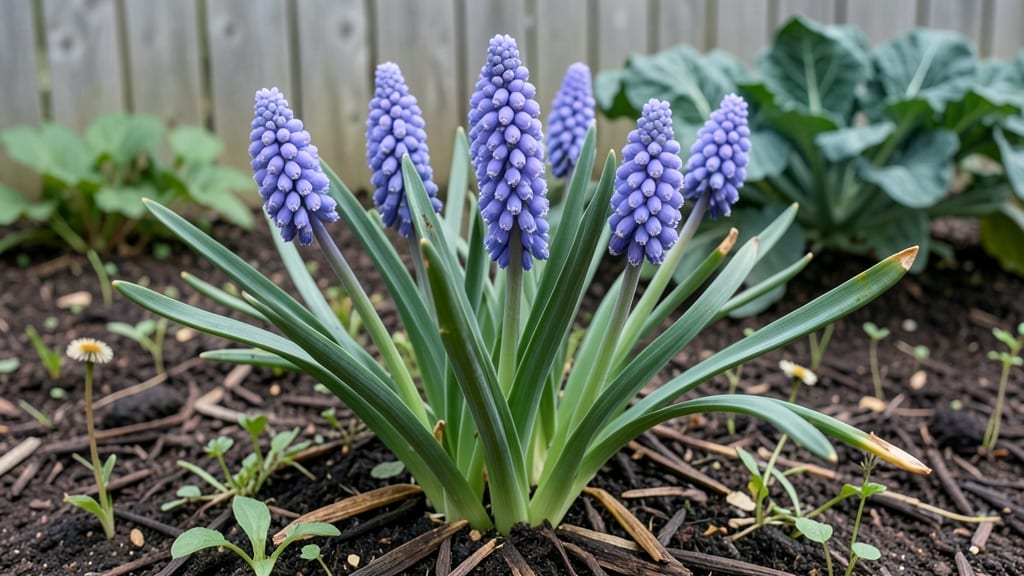
Grape hyacinth wildflowers turn early spring into a sea of tiny blue bells—60 days from planting to bloom, they’re one of the fastest ways to add color to your garden. 🌱 I’ll never forget the first time I scattered bulbs in my yard and woke up to a carpet of blue that made my neighbors ask, “What even happened here?”
The secret isn’t fancy soil or constant care—it’s knowing how to plant them right and let nature do the rest.
These hardy bulbs thrive in partial shade to full sun and prefer well-draining soil, though they’ll forgive you if your yard isn’t perfect.
You’ll need bulbs (not seeds) for reliable blooms, planted 3-4 inches deep and 3-4 inches apart—close enough to create that wildflower effect, but not so crowded they compete. Water them lightly after planting, then let the rain take over. No fuss, just blue magic by spring.
By late spring, you’ll have clusters of star-shaped blooms that hummingbirds and bees adore, plus the satisfaction of a garden that feels alive before summer even arrives. The bulbs multiply over time, so you’ll get more blooms for years with almost no effort.
Ready to make your yard the envy of the neighborhood? Let’s get those bulbs in the ground.
Works in meadows, borders, or even containers—these adaptable wildflowers bring joy whether you’re filling a sunny patch or brightening a shady corner. The only mistake you can make is waiting too long to plant. Spring’s coming—let’s make it unforgettable.
📚 In This Guide
- What you need
- Instructions
- Tips and common mistakes
- Wrapping up and next steps
What you need
- ● Grape Hyacinth Bulbs: 10–20 bulbs (depending on desired coverage; plant 3–4 inches apart for clusters). Choose Muscari armeniacum (classic blue) or Muscari botryoides (darker, grape-like blooms).
- ● Well-Draining Soil: 1–2 bags of garden loam or potting mix (amend with perlite or sand for sandy soils). Aim for a pH of 6.0–7.5.
- ○ Compost: 1–2 cups per planting area to enrich soil (optional but recommended for nutrient-poor soil).
- ● Fertilizer: Balanced 10-10-10 granular fertilizer (1 tbsp per planting hole) or slow-release bulb food.
- ● Watering Can or Hose: With a gentle spray nozzle (to avoid displacing bulbs).
- ○ Garden Gloves: (Optional but helpful for handling soil and bulbs comfortably).
- ● Trowel or Bulb Planter: A long-handled bulb planter (6–8 inches deep) makes digging easier.
- ● Mulch: Straw or shredded leaves (1–2 inches) to retain moisture and suppress weeds.
- ● Plant Markers: Small stakes or labels to track varieties (especially useful if planting multiple types).
- ● Epsom Salt: 1 tsp per gallon of water (for magnesium boost; spray foliage monthly for vibrant blooms).
- ● Drip Irrigation Kit: (For large plantings; automates watering and saves time).
Step-by-step instructions for planting grape hyacinth wildflowers
Here's how to turn those tiny bulbs into a dazzling carpet of blue in just two months.
🌱 Step 1: Choose and Prepare Your Planting Site
Grape hyacinths thrive in full sun to partial shade—at least 4-6 hours of sunlight daily. I always pick a spot where they'll get morning sun and afternoon shade, especially in hotter climates. The soil should drain well; these bulbs rot if they sit in soggy conditions.
Loosen the soil to a depth of 6 inches with a garden fork, breaking up any compacted layers. Work in a handful of compost to enrich the soil naturally. You'll know the site is ready when the soil crumbles easily between your fingers and feels moist but not wet.
🪴 Step 2: Plant the Bulbs at the Right Depth and Spacing
Plant the bulbs 2-3 inches deep and 2-3 inches apart—they're small but pack a punch when clustered. I like to use a simple formula: plant them about 3 times as deep as the bulb is tall and space them 1 inch apart per inch of mature width. This ensures they'll fill in beautifully without crowding.
For a natural look, scatter them loosely and then cover with soil. If planting in rows, use a small trowel to create holes and place one bulb in each. Press the soil gently around them so they sit firmly but don't get buried too deeply. Water lightly right after planting to settle the soil.
☀️ Step 3: Water and Mulch for Consistent Moisture
Keep the soil evenly moist but not soggy for the first 2-3 weeks after planting. You'll see new shoots emerge when the soil feels cool to the touch and you spot tiny green tips breaking through. Water deeply once a week afterward, adjusting for rain—these bulbs are drought-tolerant once established.
Apply a 2-inch layer of mulch (like shredded bark or straw) to retain moisture and regulate soil temperature. Mulch also prevents weeds from competing with your grape hyacinths. Avoid heavy mulch that could smother the emerging shoots—just enough to cover the soil surface.
⏰ Step 4: Enjoy and Maintain for Next Year's Blooms
Once the foliage turns yellow after flowering, let it die back naturally—this feeds the bulb for next year. You'll know they're happy when they bloom reliably year after year with minimal care. In fall, add a light top-dressing of compost to replenish nutrients.
If you notice fewer blooms over time, divide the clumps in early spring or fall. Dig up the bulbs, separate the offsets, and replant them elsewhere in your garden. This rejuvenates the plants and gives you more blue blooms for free!
Tips & tricks for perfect grape hyacinth wildflower planting
Here's what nobody tells you about making those tiny bulbs bloom like crazy in just two months.
Sunlight Strategy: The 4-6 hours of sunlight requirement is non-negotiable, but I've found grape hyacinths actually thrive with morning sun and afternoon shade in hotter climates. If your garden gets intense afternoon heat, consider planting them near taller plants or structures that provide natural shade during peak sun hours. This prevents the bulbs from overheating while still giving them enough light to bloom beautifully.
Soil Prep Secret: That 6-inch soil loosening is crucial for drainage, but don't stop there. I like to add a handful of sand to the bottom of the planting hole if my soil is particularly heavy clay. This creates a little drainage layer that prevents those delicate bulbs from sitting in soggy conditions. Think of it as building a tiny drainage system right where each bulb will sit.
Planting Precision: The 2-3 inch depth and spacing might seem small, but trust me on this—these bulbs are tiny powerhouses. I've learned the hard way that planting them too deep (more than 3 inches) can prevent them from blooming. Use your finger to make sure each bulb sits at exactly 2-3 inches deep. For spacing, imagine each bulb will eventually spread about 6 inches wide—so that 2-3 inch spacing gives them room to grow without competing.
Watering Wisdom: Those first 2-3 weeks of keeping soil evenly moist are critical, but don't drown them! I use my finger to check moisture—if the top inch of soil feels dry, it's time to water. After that initial period, you can let the soil dry out slightly between waterings. The key is to mimic natural rainfall patterns rather than keeping the soil constantly wet. This helps prevent bulb rot while encouraging strong root growth.
Pro Tips for Grape Hyacinth Wildflower
- Here's what nobody tells you about making those tiny bulbs bloom like crazy in just two months.
- Sunlight Strategy: The 4-6 hours of sunlight requirement is non-negotiable, but I've found grape hyacinths actually thrive with morning sun and afternoon shade in hotter climates.
- Soil Prep Secret: That 6-inch soil loosening is crucial for drainage, but don't stop there.
Frequently asked questions
Got questions about growing grape hyacinth wildflowers?
Here are answers to the most common ones—from planting tips to troubleshooting—so you can enjoy those cheerful blue blooms with confidence!
When is the best time to plant grape hyacinth bulbs?
Plant grape hyacinth bulbs in early fall (6-8 weeks before the first frost) for spring blooms. If you’re in a mild-winter zone, you can plant as late as December. Avoid planting in late fall or winter—they need time to root before cold sets in! Pro tip: For a continuous display, stagger plantings every 2-3 weeks.
Can grape hyacinths survive winter in cold climates?
These hardy bulbs thrive in USDA Zones 3-9 and handle frost like a champ. Just ensure they’re planted in well-draining soil and mulch lightly after the first freeze to protect them. In containers, move pots to a sheltered spot or bury them in the ground until spring if temps drop below 20°F.
How do I get grape hyacinths to rebloom year after year?
Reblooming depends on a few key factors:
- Full sun to partial shade (6+ hours of light).
- Consistent moisture but no soggy soil—drainage is critical!
- Avoid disturbing bulbs after planting (they resent digging).
- Deadhead spent blooms to redirect energy to next year’s flowers.
What can I plant with grape hyacinths for a fuller look?
These tiny bloomers pair beautifully with:
- Spring bulbs: Daffodils, tulips, or crocuses (they bloom at similar times!).
- Perennials: Ferns, hostas, or ajuga for texture.
- Annuals: Pansies or violas for early color.
- Grasses: Ornamental grasses like Carex add movement.
Why aren’t my grape hyacinths blooming this year?
No blooms? Don’t panic—try these fixes:
- Too much shade? Move to a sunnier spot next year.
- Overcrowded bulbs? Dig up and separate clumps every 3-4 years.
- Not enough water? Keep soil moist (but not waterlogged) during active growth.
- Young bulbs? They may need 1-2 years to mature before flowering.
Wrapping up and next steps
Growing grape hyacinth wildflowers is a rewarding journey—just imagine those vibrant blue blooms popping up in as little as 60 days! Whether you’re a seasoned gardener or a beginner, these hardy perennials bring color, texture, and a touch of whimsy to any space.
With the right soil, sunlight, and a little patience, you’ll soon enjoy a carpet of cheerful flowers that hummingbirds and bees will adore.
Ready to dive in? Start small—plant a few bulbs this season and watch your garden transform! For even more tips, explore native planting guides or join local gardening groups to share your progress. Happy planting! 🌱✨