
Container Gardens
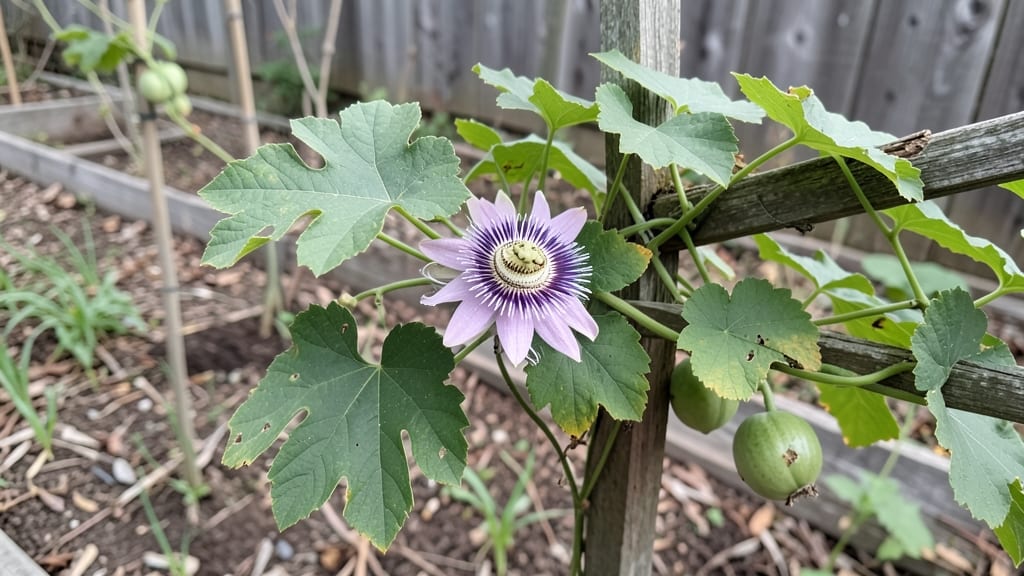
Growing passion flower from seed to hummingbird magnet starts with the right variety and a sunny spot. 🌿 I’ll never forget the first time I watched a hummingbird hover over my vine—it turned my balcony into a living postcard.
The key is matching your climate to the right Passiflora species, whether it’s heat-loving tropical types or hardy temperate varieties that survive winter.
You’ll need well-draining soil, a sturdy trellis or fence, and patience—these vines grow fast but need consistent care. Passion flowers thrive in full sun to partial shade, with tropical varieties needing warmth and temperate ones tolerating cooler climates.
The secret to year-round blooms? Pruning at the right time and keeping the soil slightly moist but not soggy.
By summer, you’ll have lush foliage and exotic blooms that hummingbirds can’t resist. The vines produce edible (and delicious) fruit too, though the real magic is watching pollinators visit.
A few common mistakes—like overwatering or pruning too late—can set you back, but once you get the rhythm, these plants reward you with months of color and life.
Whether you’re growing in containers or training them up a fence, passion flowers adapt beautifully. Start with a healthy plant, give it room to climb, and prepare for a garden that feels like a tropical escape—no matter where you live.
📚 In This Guide
- What you need
- Instructions
- Tips and common mistakes
- Wrapping up and next steps
What you need
- ● Passion flower plants: 1-2 Passiflora varieties (e.g., Passiflora incarnata for hardiness, Passiflora caerulea for cold climates, or Passiflora edulis for edible fruits). Choose potted seedlings (3-6 inches tall) or bare-root plants from a nursery.
- ○ Containers (if growing in pots): 1-2 large containers (12-18 inches in diameter) with drainage holes. Optional: Self-watering pots for drought-prone areas.
- ● Growing medium: High-quality potting mix (well-draining, organic). For containers: Mix in perlite or coarse sand (20-30%) to improve aeration.
- ● For in-ground: Amend soil with compost (5-10 gallons per plant).
- ○ Fertilizer: Balanced granular fertilizer (10-10-10) or slow-release organic fertilizer (e.g., worm castings). Optional: Liquid fertilizer (e.g., fish emulsion) for a mid-season boost.
- ● Support structures: Trellis, fence, or sturdy stakes (6-8 feet tall) for vining varieties. For containers: A small trellis or cage (4-5 feet tall).
- ● Mulch: Organic mulch (e.g., wood chips or straw) to retain moisture and suppress weeds.
- ● Trowel or transplanting spade
- ○ Garden gloves (optional but helpful!)
- ● Watering can or hose with a gentle spray nozzle
- ○ Optional: Pruning shears (for shaping and maintenance)
- ○ Optional: pH testing kit (to check soil acidity, ideal range: 6.0-7.5)
- ● Sunlight: 6+ hours of full sun daily (partial shade in hot climates).
- ● Climate: Most varieties thrive in USDA Zones 5-11 (choose cold-hardy types for cooler regions).
- ● Watering: Keep soil consistently moist (especially during flowering).
- ● Humidity: Passion flowers love humid conditions—mist leaves if your climate is dry.
Step-by-Step guide to establishing your passion flower vine
Here’s how to get your hummingbird-friendly passionflower thriving in just a few focused steps.
🌱 Step 1: Select the Perfect Site and Prepare the Soil
Passionflowers need full sun—at least 6-8 hours daily—to produce their signature blooms. Choose a location with morning sun and afternoon shade in hot climates to prevent leaf scorch. These vines are vigorous climbers, so position them near a sturdy trellis, fence, or pergola where they can grow 10-20 feet annually.
Dig a hole twice as wide as the root ball but only as deep as the container it came in. Passionflowers hate soggy roots, so amend the native soil with 3 inches of compost mixed into the top 12 inches of soil. If your soil drains poorly, add 1 part perlite or coarse sand to 3 parts soil to improve aeration. The ideal pH range is 6.0-7.5—test your soil and adjust with lime if needed.
🌿 Step 2: Plant and Train the Vine for Optimal Growth
Remove the plant from its container and loosen any circling roots gently with your fingers. Place it in the hole so the top of the root ball sits level with the ground—burying the stem too deep invites rot. Backfill with native soil, pressing lightly to eliminate air pockets, and water deeply to settle everything.
Immediately after planting, attach the vine to your trellis using soft plant ties or twine. Passionflowers grow best when they climb rather than sprawl, and training early prevents tangled, weak stems. Space multiple vines 6-8 feet apart to allow airflow and reduce disease risk. Here’s the thing—don’t fertilize yet. Wait 4-6 weeks to let the roots establish before applying a balanced, slow-release fertilizer (10-10-10).
☀️ Step 3: Water Strategically and Monitor for Blooms
Water deeply once a week during the first growing season, aiming for 1-1.5 inches of water per week. Check soil moisture by sticking your finger 2 inches deep—if it feels dry, water again. Passionflowers are drought-tolerant once established, but consistent moisture encourages lush foliage and abundant blooms. Mulch with 2-3 inches of organic mulch (like shredded bark) to retain moisture and suppress weeds.
You’ll see the first tropical-looking flowers appear in late spring or early summer, depending on your climate. These vines are self-pollinating, but hummingbirds and bees will visit eagerly. To boost production, prune lightly after flowering by cutting back one-third of the oldest stems to encourage new growth. Avoid heavy pruning—passionflowers bloom on both old and new wood.
✂️ Step 4: Prune and Overwinter for Long-Term Success
In late winter or early spring, prune back any dead or damaged stems to just above a leaf node. This is the moment that matters: never prune in fall, as the vine needs foliage to store energy for winter. If you’re in USDA zones 8-11, passionflowers are perennial and will regrow from the base. In colder zones (6-7), mulch heavily with 4-6 inches of straw or leaves to protect the roots from freezing.
Real talk: Passionflowers can get woody and unruly over time. Every 2-3 years, do a renewal pruning—cut back half the oldest stems to the ground. This rejuvenates the plant and keeps it producing vibrant blooms. Watch for aphids or spider mites on new growth; spray with neem oil if you spot sticky residue or webbing. With proper care, your vine will reward you with year-round interest—even the exotic fruit that follows the flowers is edible (though tart!).
Tips & tricks for perfect passion flower growth
A few focused strategies will help you turn your passionflower vine into a thriving hummingbird haven that keeps blooming all year.
Location is Everything: In Step 1, when selecting your site, prioritize locations that get morning sun but have afternoon shade in hot climates—this prevents leaf scorch while maintaining the 6-8 hours of sunlight needed for blooms. I've seen passionflowers placed in full afternoon sun wilt dramatically by late summer, so this adjustment makes all the difference.
Soil Prep Secrets: The 3 inches of compost mixed into the top 12 inches of soil isn't just about nutrients—it's about creating the right texture. If your soil drains poorly, the 1:3 perlite-to-soil ratio prevents soggy roots that passionflowers absolutely hate. I've had plants rot in heavy clay soil until I made this adjustment, so don't skip it!
Training Matters: In Step 2, when attaching your vine to the trellis, use soft plant ties or twine that won't cut into the stems as they grow. I've seen vines strangle themselves when tied too tightly or with rough materials. Also, space multiple vines 6-8 feet apart—this airflow prevents fungal diseases that can ruin your blooms.
Watering Wisdom: The deep watering once a week rule in Step 3 works best when you check soil moisture 2 inches deep. I've learned the hard way that surface watering encourages shallow roots. For the first year, consistency is key—passionflowers need this regular moisture to establish their extensive root systems that support those dramatic vines.
Pro Tips for Growing Passion Flower
- A few focused strategies will help you turn your passionflower vine into a thriving hummingbird haven that keeps blooming all year.
- I've seen passionflowers placed in full afternoon sun wilt dramatically by late summer, so this adjustment makes all the difference.
- Soil Prep Secrets: The 3 inches of compost mixed into the top 12 inches of soil isn't just about nutrients—it's about creating the right texture.
Frequently asked questions
Got questions about growing passion flower?
You’re not alone—this stunning vine can be tricky for beginners! Here are answers to the most common queries to help you cultivate a thriving hummingbird haven.
How fast does passion flower grow, and when will it bloom?
Passion flowers grow fast—expect 10–15 feet per year with proper care! Blooms typically appear in late spring to early summer (6–8 months after planting), but some varieties (like Passiflora caerulea) may flower year-round in mild climates. Patience is key—give vines time to establish roots first!
Can passion flower survive winter in cold climates?
Most passion flowers are tender perennials and won’t survive freezing temps (below 20°F). In colder zones (USDA 8–10), grow them as annuals or dig up tubers in fall, store them indoors, and replant in spring. Passiflora incarnata (maypop) is a hardier option for zones 6–9!
Why aren’t hummingbirds visiting my passion flower?
Hummingbirds love passion flowers, but a few factors might deter them:
- Lack of nectar: Ensure blooms are fully open (they’re nocturnal pollinators!).
- Pesticides: Avoid chemicals—hummingbirds are sensitive.
- Location: Plant near feeders or in sunny, sheltered spots.
- Timing: Blooms peak in morning; observe visiting times.
What’s the best container size for growing passion flower?
Passion vines need depth and drainage. Aim for a minimum 5-gallon container (18+ inches deep) with holes to prevent root rot. Larger pots (10+ gallons) support bigger varieties like Passiflora edulis (passion fruit). Use a well-draining mix (cactus/succulent blend works great).
Are there low-maintenance passion flower alternatives?
If passion flowers seem high-maintenance, try these easier hummingbird magnets:
- Coral honeysuckle (Lonicera sempervirens): Fast-growing, drought-tolerant vine.
- Butterfly bush (Buddleia): Fragrant blooms and pollinator power.
- Fuchsia (Fuchsia spp.): Compact, colorful, and beginner-friendly.
- Salvia (Salvia spp.): Drought-resistant with tubular flowers.
What do I do if my passion flower leaves turn yellow?
Yellow leaves usually signal overwatering or nutrient deficiency. Check these fixes:
- Watering: Let soil dry between waterings—passion flowers hate soggy roots.
- Fertilizer: Use a balanced 10-10-10 or citrus-specific feed every 4–6 weeks.
- Light: Ensure 6+ hours of sun; yellowing can mean shade stress.
- Pests: Inspect for aphids or spider mites (spray with neem oil if needed).
Wrapping up and next steps
Growing passion flower is a rewarding journey that brings beauty, wildlife, and year-round interest to your garden—whether in containers or the ground. 🌸 With the right care, you’ll soon enjoy fragrant blooms that hummingbirds and butterflies will adore, plus edible fruits for you!
Start small, stay patient, and let your passion flower thrive as a stunning, low-maintenance centerpiece.
Ready to get growing? Pick your favorite variety, gather your supplies, and plant within the next two weeks to enjoy blooms next season. Happy gardening! 🌱