
Flowers
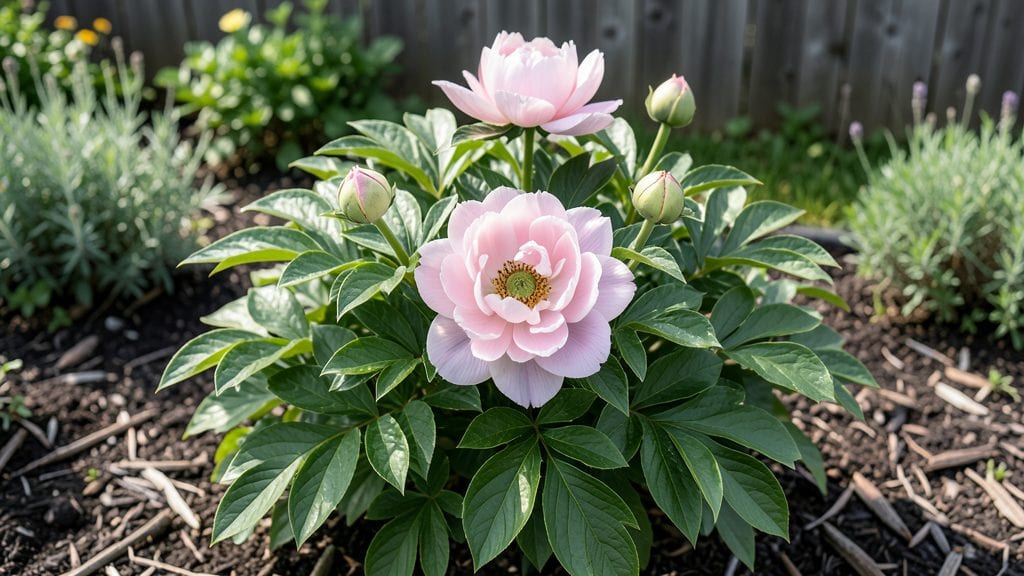
Growing peony flowers reveals their secret: these lush, fragrant blooms return year after year with almost no work—thanks to their cold-loving roots that despise disturbance once planted. 🌸 Unlike finicky annuals, peonies reward patience with decades of blooms if you get the soil and sunlight right.
Start with bare-root tubers (not seeds—they’re slow and unreliable) and plant them in full sun with well-draining soil. The first year, they’ll focus on roots; by year three, you’ll see those iconic bow-shaped blooms. Pruning? Just a single cut after flowering—no need for complicated shaping.
You’ll end up with vibrant pink, red, or white blooms that perfume the garden from late spring to early summer. The plants multiply over time, creating natural drifts that look like a cottage garden exploded with color. And the best part? Once established, they’re drought-tolerant and pest-resistant.
Perfect for borders, cottage gardens, or even container growing (with larger varieties). Let’s get those tubers in the ground—they’ll thank you for years to come.
📚 In This Guide
- What you need
- Instructions
- Tips and common mistakes
- Wrapping up and next steps
What you need
- ● Peony plants: Choose Paeonia lactiflora (herbaceous) or Paeonia officinalis (tree) varieties. Buy bare-root peony roots (fall planting) or container-grown plants (spring/fall). Aim for 3–5 healthy crown eyes (buds) per plant.
- ● Well-draining soil: A mix of 60% garden soil, 30% compost, and 10% coarse sand or perlite (for aeration). Test pH: 6.5–7.5 (slightly acidic to neutral).
- ● Sunlight: A full-sun location (6+ hours/day). Partial shade (4–6 hours) works in hot climates.
- ● Fertilizer: At planting: Balanced 10-10-10 or 5-10-10 fertilizer (1 cup per plant).
- ● After flowering: Low-phosphorus fertilizer (e.g., 5-10-10) to avoid excessive foliage.
- ● Watering tools: Hose with soaker hose attachment or drip irrigation (1–1.5 inches/week; deep watering 2x/week in dry spells).
- ● Mulch: 2–3 inches of organic mulch (straw, shredded bark, or wood chips) to retain moisture and regulate soil temp.
- ● Staking: Bamboo stakes or peony rings (if your variety grows tall or flops in rain).
- ● Peony food: Specialized peony fertilizer (e.g., Espoma Peony-Tone) for a nutrient boost.
- ● Pruners: Bypass pruners (sterilized with rubbing alcohol) for clean cuts.
- ● Garden gloves: To protect hands from thorns and rough soil.
- ● Plant tags: Label varieties if testing multiple types!
Step-by-step guide to planting and establishing peony flowers
Peonies thrive with patience and proper placement—here's how to get them rooted for decades of blooms.
🌱 Step 1: Choose the Perfect Planting Location
Peonies demand full sun—at least 6-8 hours daily—and well-draining soil. I always test the spot by digging a 12-inch deep hole; if water pools after 30 minutes, amend with 2-3 inches of compost mixed into the native soil. Avoid low areas where cold air settles—they need winter chill to bloom.
Their roots spread aggressively, so space plants 3-4 feet apart to prevent overcrowding. You'll see vigorous growth in the first year, but full bloom potential takes 2-3 seasons of establishment. Mark the spot with a stake to remember where you planted, since peonies resent transplanting after they're established.
🪴 Step 2: Plant Bare-Root Crowns at the Right Depth
Peony roots arrive dormant in early spring. Soak them for 4-6 hours to rehydrate before planting. The crown (where roots meet stems) must sit 1-2 inches below soil level—never deeper. I use a level to ensure perfect depth; planting too deep smothers buds, while shallow planting exposes them to frost damage.
Spread the roots horizontally in the hole, gently teasing them apart if they're tightly bound. Backfill with native soil mixed with 1 cup bone meal per plant—this adds phosphorus for strong root development. Water deeply until the soil settles, then mulch with 2-3 inches of organic mulch to retain moisture and regulate temperature.
☀️ Step 3: Provide Consistent Care Through the First Season
Peonies need 1-1.5 inches of water weekly during their first growing season, delivered at the soil line—not overhead. I use a soaker hose to prevent fungal diseases that thrive in wet foliage. You'll see new shoots emerge in 4-6 weeks, but resist the urge to fertilize until they're actively growing in spring.
Watch for first true leaves—they'll appear as broad, rounded shapes. This is your signal to reduce watering slightly; soggy soil at this stage causes root rot. In fall, cut back the foliage to 2 inches above ground after it yellows naturally. Never remove leaves before they yellow—this feeds the roots for next year's blooms.
✂️ Step 4: Prune Strategically for Maximum Blooms
Wait until late spring, after the foliage turns brown, to prune. Cut stems back to 1 inch above the ground using clean, sharp shears. Never prune in fall—this exposes the crown to winter diseases. I always sterilize my shears with rubbing alcohol between cuts to prevent spreading pathogens.
Divide mature peony clumps every 5-7 years in early fall. Dig carefully to avoid damaging the eyes (buds) and replant immediately. You'll know it's time when blooms become smaller or less frequent. Peonies reward patience with 20+ years of blooms when planted correctly.
Tips & tricks for perfect peony planting
These pro insights will help you avoid common pitfalls and set your peonies up for decades of stunning blooms.
The Sunlight Factor: While 6-8 hours of daily sun is ideal, peonies can tolerate partial shade in hot climates—just expect slightly smaller blooms. I've seen them thrive with 5-6 hours of morning sun and afternoon shade, especially in Zone 8+ where afternoons can scorch leaves. The key is avoiding late afternoon sun that can stress the plants before evening chill sets in.
Crown Depth Secret: That 1-2 inch planting depth isn't just about buds—it's about temperature regulation. The crown needs to stay cool enough to prevent bud rot but warm enough to encourage root growth. I've found using a small garden level helps verify depth more accurately than eyeballing it, especially in uneven garden beds. Too shallow, and frost heave can push the crown up in winter.
Watering Wisdom: The 1-1.5 inches weekly guideline assumes average rainfall. In my experience, peonies are surprisingly drought-tolerant once established, but first-year plants need consistent moisture. I water deeply every 5-7 days rather than sticking to the weekly schedule, especially during the critical 4-6 week shoot emergence period. A soaker hose placed at the base delivers water exactly where peonies need it—right at the soil line.
Pruning Precision: That late spring pruning timing is crucial because peonies store energy in their roots during winter. Cutting back too early can expose the crown to late frosts, while waiting too long removes next year's flower buds. I mark my calendar for the first week of May in my climate zone—just as forsythia finishes blooming—as my reliable pruning cue. Sterilizing shears between cuts prevents spreading fungal diseases that can devastate established plants.
Pro Tips for Growing Peony Flowers
- These pro insights will help you avoid common pitfalls and set your peonies up for decades of stunning blooms.
- The Sunlight Factor: While 6-8 hours of daily sun is ideal, peonies can tolerate partial shade in hot climates—just expect slightly smaller blooms.
- Crown Depth Secret: That 1-2 inch planting depth isn't just about buds—it's about temperature regulation.
Frequently asked questions
Got questions about growing peonies? You’re not alone—these stunning blooms are beloved but sometimes come with a few mysteries. Here’s what gardeners ask most often, plus straightforward answers to help you cultivate lush, long-lasting peonies with confidence.
When is the best time to plant peony roots?
Plant peony roots in early fall (4–6 weeks before the ground freezes) for the best results. This gives roots time to establish before winter. Spring planting is possible, but fall is ideal—just avoid planting in extreme heat or drought conditions. Pro tip: If planting in spring, water deeply and mulch to help roots adjust.
How long does it take for peonies to bloom after planting?
Peonies are patient beauties! Expect 2–3 years of dormancy before your first blooms appear. The wait is worth it—once established, they’ll reward you with 3–5 days of vibrant flowers each spring (or summer, for late-blooming varieties) for decades. Patience pays off!
Do peonies really need minimal pruning?
Yes! Peonies thrive with almost no pruning. After blooms fade, trim spent stems to the first set of healthy leaves (about 1–2 inches above the foliage). Never cut into the woody base—this can harm the plant. In late fall, you can cut back dead foliage for tidiness, but it’s optional.
What pests or diseases should I watch for with peonies?
Peonies are tough but can fall prey to botrytis blight (gray mold on buds) or peony leaf blight. To prevent issues:
- Improve airflow by spacing plants 3–4 feet apart.
- Avoid overhead watering—water at the base instead.
- Remove infected foliage promptly and dispose of it.
Can I grow peonies in containers or small gardens?
Peonies adapt well to large containers (at least 18–24 inches deep) if you:
- Use a well-draining mix (50% garden soil, 50% compost or perlite).
- Plant in early spring (containers warm up faster in fall).
- Fertilize lightly in early spring with a balanced 10-10-10.
Wrapping up and next steps
Growing peony flowers is a rewarding journey that combines patience, minimal effort, and stunning results! 🌸 With the right soil, sunlight, and a little care, these cold-hardy beauties will thrive for decades—often outlasting the gardener.
Whether you’re a seasoned green thumb or a beginner, peonies prove that simple steps lead to spectacular blooms.
Now that you’re armed with knowledge, it’s time to roll up your sleeves and plant. Start by choosing your perfect spot, prep the soil, and watch as these fragrant giants transform your garden into a dreamy, low-maintenance paradise. Happy gardening—your future peony patch awaits! 🌱