
Pests
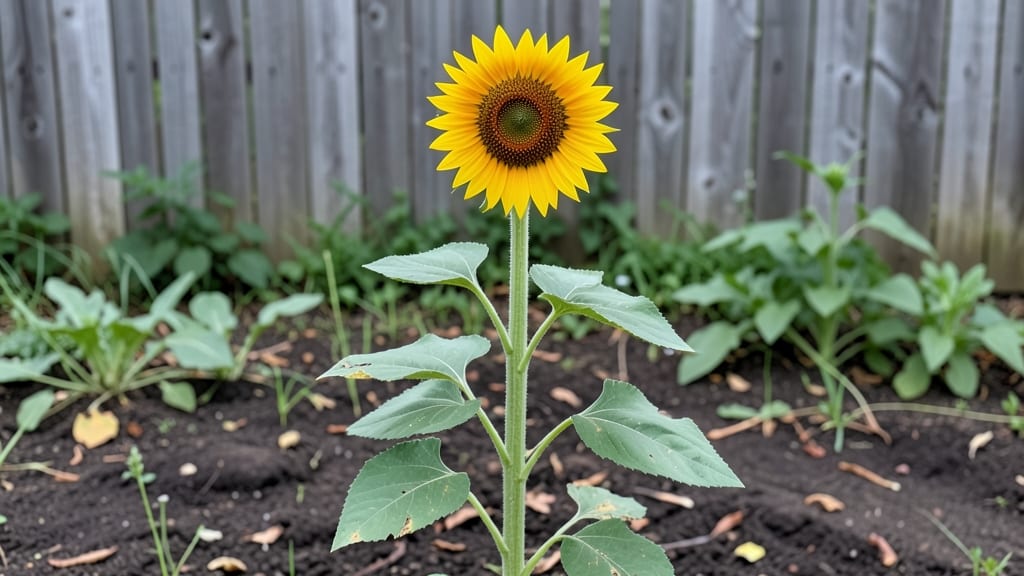
Growing the Gypsy Charmer sunflower means towering, velvety blooms that outshine every other plant in your garden—even in cool climates where most sunflowers struggle. 🌻 I planted mine last spring in zone 5, and by midsummer, they were reaching 10 feet tall with deep mahogany petals that caught every passerby's eye.
The secret isn't just their cold-hardiness; it's their ability to thrive in poor soil and still deliver those jaw-dropping blooms.
These sunflowers demand minimal fuss but reward you with maximum drama. Plant them in full sun with well-draining soil, and space them 2-3 feet apart to give their massive roots room to stretch. Water deeply once a week, and watch them grow—no fancy fertilizers needed.
They resist common sunflower pests like aphids and powdery mildew better than most varieties, making them the low-maintenance giant of the garden.
By late summer, you'll have sunflowers that look like they belong in a botanical garden, not your backyard. The blooms stay vibrant longer than most varieties, and the birds adore the seeds.
Even in cooler zones, they'll keep growing when other sunflowers give up. The only challenge? Deciding whether to cut them for bouquets or leave them standing as living sculptures.
Perfect for cottage gardens, pollinator-friendly landscapes, or even as dramatic cut flowers. Once you grow them, you'll never go back to short sunflowers again—they're the kind of plant that makes neighbors stop and ask, "What are those?"
📚 In This Guide
- What you need
- Instructions
- Tips and common mistakes
- Wrapping up and next steps
What you need
- ● Sunflower seeds: 10–20 Gypsy Charmer seeds (non-GMO, heirloom preferred for best results).
- ● Growing containers or garden bed: For direct sowing: Well-draining soil (sandy loam ideal), 6–12 inches deep, and at least 12 inches apart for mature plants.
- ● For container growing: 5-gallon pots or larger (minimum 12" diameter) with drainage holes.
- ● Planting mix: High-quality potting soil or compost-enriched garden soil (avoid heavy clay).
- ● Watering can or hose: With a gentle spray nozzle for seedlings.
- ● Fertilizer: Balanced 10-10-10 or 5-10-10 granular fertilizer (follow package rates).
- ○ Optional boost: Compost or worm castings for organic nutrition.
- ● Stakes or cages: 6–8 ft tall (for support—Gypsy Charmer can grow 10+ feet!).
- ● Pruners or scissors: For trimming dead blooms or stems.
- ● Cold-hardy zone: 3–10 (perfect for cool climates!). Start seeds indoors 4–6 weeks before last frost or direct-sow after soil reaches 50°F (10°C).
- ● Sunlight: Full sun (6+ hours daily)—these giants thrive with plenty of light!
- ● Pest prevention: Check for sunflower moths, beetles, or powdery mildew in your area (see our Pest Control Tips for solutions).
- ● Seedling heat mat (if starting indoors in chilly climates).
- ● Mulch (straw or shredded leaves) to retain moisture and suppress weeds.
- ● Drip irrigation system for consistent watering.
- ● Bird netting (to protect blooms from hungry visitors!).
Step-by-step instructions for growing Gypsy Charmer sunflowers
Here’s how to coax those iconic 6-foot-tall Gypsy Charmer blooms from seed—even in cooler climates.
🌱 Step 1: Start Seeds Indoors for a Head Start
Plant seeds 4-6 weeks before your last frost date in biodegradable pots (they’ll transplant easier). Fill pots with sterile seed-starting mix and press one seed ½ inch deep—deeper seeds struggle to break through. Keep soil consistently moist (not soggy) at 65-75°F for germination. You’ll see sprouts in 7-14 days—once the first true leaves appear, move pots to a sunny windowsill or under grow lights for 14-16 hours daily.
I always label my pots because Gypsy Charmer seedlings look identical to other sunflowers at first. Watch for sturdy stems and dark green leaves—these are your signs of strong starts. If seedlings stretch toward the light (leggy growth), they’re not getting enough intensity. Raise the light or move them closer to the window.
🪴 Step 2: Harden Off and Transplant After Frost
Two weeks before transplanting, harden off seedlings by placing them outside in partial shade for 1-2 hours daily, gradually increasing time. Gypsy Charmers tolerate cold better than most sunflowers, but they still need acclimation to avoid shock. Choose a sunny, sheltered spot with well-draining soil—they hate soggy roots. Space plants 18-24 inches apart in rows 2-3 feet apart to give their massive blooms room to shine.
Transplant on a cool, overcast day to reduce stress. Bury seedlings deeper than the pot—the buried stem will develop extra roots. Water deeply at the base immediately after planting to settle the soil. Mulch with straw or grass clippings to retain moisture and suppress weeds. This is the moment that matters: healthy roots now mean giant blooms later.
☀️ Step 3: Provide Support and Fertilize for Towering Growth
Gypsy Charmers need strong stems to support their 6-foot height—install bamboo stakes or cages at planting time to prevent flopping. Tie stems loosely to the support as they grow, adjusting ties every 2-3 weeks. Fertilize once with a balanced 10-10-10 formula when plants reach 12 inches tall, then again when buds form. Too much nitrogen = leafy growth, not blooms.
Water deeply 1-2 times per week, aiming for 1 inch of water total. Let the top inch of soil dry between waterings—consistent moisture prevents stem rot. You’ll see buds form 6-8 weeks after transplanting, and those golden-yellow blooms will appear 8-10 weeks later. Deadhead spent blooms to encourage more flowers—though Gypsy Charmers are annuals, they’ll reward you with nonstop color until frost.
✂️ Step 4: Harvest Seeds and Extend the Season
Once blooms fade, leave seed heads on the plant until they turn brown and dry. Cut heads when seeds rattle inside, then rub them in a paper bag to collect seeds for next year. Store seeds in a cool, dry place—they’ll stay viable for 2-3 years. To extend blooms, cut back stems by half after the first flush of flowers. New side shoots will form, giving you a second round of blooms before frost.
Real talk: Gypsy Charmers are drought-tolerant once established, but they’ll thank you for consistent care with bold, cheerful blooms. The key is patience—these giants take time to grow, but the payoff is worth it. Save a few seeds, and you’ll have sunflowers for years with minimal effort.
Tips & tricks for perfect Gypsy Charmer sunflowers
Here's what I've learned after growing these giants for years—these tricks will help you avoid common pitfalls and get those towering blooms every time.
Germination Temperature: Maintaining that 65-75°F soil temperature is crucial for consistent germination. I use a seedling heat mat set to 70°F for the first week to ensure all seeds sprout together. Once they germinate, you can remove the heat mat—they'll handle cooler temps just fine. If your home stays below 65°F, consider using a small greenhouse or clear plastic dome over the pots to trap heat.
Lighting Secret: For those 14-16 hours of light daily, I've found that a simple LED grow light on a timer works better than a sunny windowsill. Sunflowers need intense light to prevent that leggy growth you see when they stretch toward weak light sources. Place the light 4-6 inches above the seedlings and adjust as they grow—you'll notice they'll grow stockier and stronger when they get proper light intensity.
Transplanting Hack: The cool, overcast day for transplanting is non-negotiable, but here's my extra tip: I always water the planting area thoroughly 24 hours before transplanting. This helps settle the soil and prevents shock when you bury those deeper stems. The deeper you plant (below the original soil line), the more roots will develop along that buried stem, giving you a stronger plant for those massive blooms.
Fertilizer Timing: When you reach the 12-inch height for that first fertilization, I recommend using a half-strength 10-10-10 solution. Too much nitrogen too early will give you leafy growth at the expense of those giant blooms. And here's the thing about the second fertilization when buds form—if you see new buds appearing, hold off on fertilizing. The plant is already putting energy into blooms, and extra fertilizer at that stage can lead to weak stems that can't support those heavy heads.
Pro Tips for Gypsy Charmer Sunflower
- Here's what I've learned after growing these giants for years—these tricks will help you avoid common pitfalls and get those towering blooms every time.
- Germination Temperature: Maintaining that 65-75°F soil temperature is crucial for consistent germination.
- Lighting Secret: For those 14-16 hours of light daily, I've found that a simple LED grow light on a timer works better than a sunny windowsill.
Frequently asked questions
When is the best time to plant Gypsy Charmer sunflowers?
The Gypsy Charmer thrives in cool climates, so plant seeds 2–3 weeks after your last frost date (around late April–May in most zones). For colder regions, start indoors 4–6 weeks before transplanting. These sunflowers tolerate light frost, so don’t rush—wait until soil reaches 50°F (10°C) for best germination.
Can Gypsy Charmer sunflowers survive winter?
While they’re cold-hardy, Gypsy Charmer sunflowers are annuals and won’t survive winter in most climates. However, their deep roots improve soil health, and you can replant them yearly. In Zone 5 or colder, mulch heavily to protect young seedlings from late frosts—but expect to replant each spring for those dramatic blooms!
What pests should I watch for with Gypsy Charmer sunflowers?
Common pests include sunflower moths, aphids, and beetles. For organic control:
- Spray neem oil on leaves to deter moths.
- Introduce ladybugs for aphid management.
- Handpick beetles early in the morning.
How tall will Gypsy Charmer sunflowers grow, and do they need staking?
These beauties reach 6–8 feet tall! While they’re sturdy, a light bamboo stake or trellis helps prevent toppling in windy areas. For extra support, plant them near a fence or wall—their vibrant blooms will add a dramatic vertical accent to your garden.
How long does it take for Gypsy Charmer sunflowers to bloom?
From seed to bloom, expect 80–100 days in ideal conditions. Start seeds indoors 6–8 weeks before the last frost to extend your growing season. Bonus: Their flowers love cooler weather, so they’ll often bloom later into fall—perfect for cutting gardens!
Wrapping up and next steps
The Gypsy Charmer sunflower is a stunning, cold-hardy variety that brings bold color and joy to cooler climates—proving that you don’t need a hot summer to grow showstopping blooms! 🌻 With the right prep (like sturdy stakes, proper spacing, and vigilance against pests like aphids), these giants will reward you with dramatic, long-lasting flowers and even edible seeds.
Now that you’re armed with tips and tricks, roll up your sleeves and plant one today! 🌱 Start small—try a single pot or patch—and let its charm inspire you to experiment with more sunflowers (or even companion plants). Happy growing! 💛