
Flowers
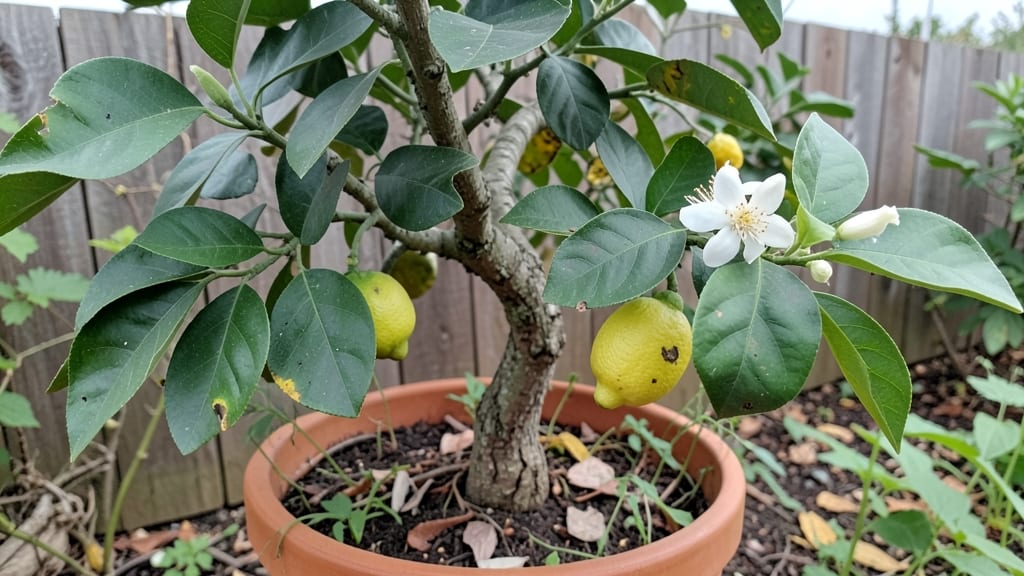
The scent of citrus tree flowers in spring is what transforms a garden from ordinary to extraordinary. 🌸 I learned the hard way that not all citrus trees bloom—some need just the right mix of sunlight, water, and a little strategic pruning to wake up their floral potential.
My Meyer lemon tree now bursts with fragrant white blossoms every year, and the secret isn’t complicated: it’s about mimicking their natural Mediterranean climate in your own backyard.
You’ll need a sunny spot with at least 6-8 hours of direct light daily, well-draining soil (citrus hate soggy roots), and a balanced fertilizer rich in nitrogen early in the season. Pruning in late winter removes dead wood and opens the canopy to sunlight, which triggers those delicate flowers.
The key is patience—some varieties like Calamondin oranges bloom more reliably than others, but with the right care, even stubborn trees can put on a show.
When those first blossoms appear, you’ll know you’ve nailed it—the air will smell like a tropical paradise, and bees will buzz happily around your tree. With proper pollination, you’ll get fruit within 6-12 months, depending on the variety.
The real magic happens when you see those tiny green orbs forming, knowing your garden just got a whole lot more productive.
This works for container-grown trees too, as long as your pot is at least 15 gallons and has drainage holes. Just be mindful of frost—citrus flowers are tender and won’t survive below 25°F. Let’s get those blooms going!
📚 In This Guide
- What you need
- Instructions
- Tips and common mistakes
- Wrapping up and next steps
What you need
- ● Citrus Tree: 1-3 healthy citrus saplings (e.g., Meyer lemon, orange, lime, or kumquat) from a nursery or online retailer. Choose dwarf varieties (6-8 ft) for containers or standard varieties (12-15 ft) for in-ground planting.
- ○ Seeds (optional): Fresh citrus seeds (e.g., from organic or heirloom fruit) for a DIY project. Note: Seed-grown trees may take 5+ years to flower!
- ● Soil: 50 lbs well-draining citrus-specific potting mix (or a blend of 60% peat moss, 20% perlite, and 20% sand for DIY).
- ● 1 lb slow-release citrus fertilizer (e.g., 6-6-6 NPK ratio) for planting.
- ● Container (if potted): 1 15-20 gallon pot with drainage holes (for dwarf trees) or a 50+ gallon pot for standard trees.
- ● 7-10 large ceramic or fabric pots (if growing multiple trees).
- ● Planting Tools: 1 trowel or hand shovel for transplanting.
- ● 1 pruning shears (sterilized with rubbing alcohol).
- ● 1 garden fork (for loosening soil in-ground).
- ● Watering Supplies: 1 hose with adjustable nozzle or watering can (5+ gallon capacity).
- ○ 1 moisture meter (optional but helpful for container growers).
- ● Protection: 1 roll frost cloth (for winter protection in cold climates).
- ● 1 shade cloth (30-50%) (to protect young trees from intense sun).
- ● Climate: Citrus trees thrive in USDA Zones 9-11. For colder zones, grow in containers and bring indoors during winter.
- ● Sunlight: 6+ hours of direct sunlight daily (south-facing spot ideal).
- ● Space: In-ground: 10-15 ft diameter per tree (account for mature spread).
- ● Containers: 12+ inches of space between pots for airflow.
- ● Pollination (for fruit): Plant 2+ compatible citrus trees (e.g., 1 Meyer lemon + 1 orange) to encourage cross-pollination.
- ● 1 drip irrigation system (for consistent moisture).
- ● 1 pH test kit (citrus prefers 6.0-7.0 pH).
- ● 1 humidifier or pebble tray (to boost humidity in dry climates).
- ● 1 citrus-specific pest control (e.g., neem oil, horticultural soap).
Step-by-step instructions for encouraging citrus tree flowers
Here’s how to coax those fragrant citrus blossoms into full, showy glory—no fancy tricks, just smart care.
☀️ Step 1: Place Your Tree in the Perfect Light Spot
Citrus trees need full sun—at least 6-8 hours daily—to set flowers. If yours is indoors, a south-facing window or grow lights 12-14 hours/day will do the trick. You’ll know it’s getting enough light when leaves stay deep green and new growth is compact, not stretched out.
Outdoors, avoid harsh afternoon sun in hot climates—it can scorch leaves. Instead, position your tree where it gets morning sun and afternoon shade. I’ve seen trees in partial shade still bloom, but the flowers will be fewer and less fragrant. Watch for leaves turning yellow or crispy—those are signs to adjust placement.
💧 Step 2: Water Deeply but Sparingly
Overwatering is the #1 enemy of citrus flowers. Water once a week (twice in peak summer heat) when the top 2-3 inches of soil feel dry. Stick your finger in—if it’s damp, wait. Citrus roots need air, not soggy conditions.
I like to water in the morning so the tree has all day to dry out. If you see leaves curling or dropping, you’re likely overwatering. Yellowing leaves can also mean too much water or poor drainage—check your pot’s holes and soil mix. A well-draining potting mix (like 50% cactus/succulent mix + 50% peat) keeps roots happy.
✂️ Step 3: Prune Strategically for Better Blooms
Prune in late winter or early spring before new growth starts. Remove any dead, crossing, or inward-growing branches first—these steal energy from flowering. Then, cut back 1/3 of the oldest growth to encourage fresh, vigorous shoots that produce more blossoms.
Don’t prune after flowering season, or you’ll sacrifice next year’s blooms. I always sterilize my pruners with rubbing alcohol to prevent disease. After pruning, give your tree a balanced citrus fertilizer (like 6-6-6) to support new growth. You’ll see stronger branches and more flower clusters within a few months.
🌿 Step 4: Feed for Flower Power
Citrus trees need regular feeding to bloom well. Use a citrus-specific fertilizer (or a balanced 10-10-10) every 4-6 weeks during growing season (spring through fall). I switch to a low-nitrogen, high-phosphorus formula (like 5-10-10) when buds start forming to encourage flowering.
Too much nitrogen = leafy growth, no flowers. If your tree is lush but flowerless, cut back on nitrogen and add phosphorus. Organic options like fish emulsion or bone meal work too. Always water before and after fertilizing to prevent root burn.
🌱 Step 5: Simulate Seasonal Changes Indoors
Outdoor citrus trees bloom in response to seasonal shifts. Indoors, mimic this by dropping temperatures slightly (to 50-55°F) for 2-3 weeks in late fall. Place your tree near a cool window or in a garage (if safe from frost). This "rest period" tricks the tree into flowering.
After the cool spell, return it to warmth and bright light. You’ll often see buds form within 4-6 weeks. If your tree stays in a warm room year-round, it may never bloom. I’ve seen this trick work even for dwarf varieties—just be patient!
Tips & tricks for perfect citrus tree flowers
Citrus trees reward patience with fragrant blossoms—here’s how to give yours the best shot at success.
Lighting Secret: If your citrus tree isn’t getting enough natural light, supplement with a full-spectrum grow light for those 12-14 hours/day indoors. Position it just 6-12 inches above the tree and keep it on a timer. I’ve seen trees in east-facing windows with grow lights bloom just as well as outdoor trees—just make sure the light covers the entire canopy, not just the top.
Watering Wisdom: The top 2-3 inches of soil should feel like a wrung-out sponge—not bone dry, not dripping wet. I test this by sticking my finger in after a week. If it’s damp, wait another day. For potted trees, make sure your container has drainage holes and use a cache pot (a tray with pebbles) to catch excess water—citrus roots hate soggy feet.
Pruning Payoff: When you cut back 1/3 of the oldest growth in late winter, look for branches that are thicker than a pencil—they’ll produce the most flowers. Make your cuts just above a leaf node (the bump where leaves grow) at a 45-degree angle. This encourages new growth from the base, which will flower more heavily than older wood.
Fertilizing Timing: The switch to low-nitrogen, high-phosphorus fertilizer (like 5-10-10) when buds start forming is key—this tells the tree, "It’s time to focus on flowers, not leaves!" I like to fertilize right after pruning in early spring to give that new growth a nutrient boost. And remember: always water before and after fertilizing to prevent root burn.
Pro Tips for Citrus Tree Flowers
- Citrus trees reward patience with fragrant blossoms—here’s how to give yours the best shot at success.
- Lighting Secret: If your citrus tree isn’t getting enough natural light, supplement with a full-spectrum grow light for those 12-14 hours/day indoors.
- Watering Wisdom: The top 2-3 inches of soil should feel like a wrung-out sponge—not bone dry, not dripping wet.
Frequently asked questions
Got questions about nurturing those stunning citrus tree flowers? You’re not alone! Here are some of the most common queries—and their practical answers—to help you grow fragrant blooms with confidence.
When do citrus tree flowers bloom, and how long do they last?
Most citrus trees (like oranges, lemons, and limes) bloom in spring, with flowers lasting 3–7 days per cluster. However, some varieties (e.g., Murcott or Calamondin) may rebloom in fall. Cooler nights and warm days trigger blooming—so aim for 60–75°F temperatures for optimal results.
Why aren’t my citrus tree flowers turning into fruit?
Several factors can prevent fruit set after blooms:
- Pollination issues: Citrus trees are self-pollinating but benefit from bees or gentle shaking of branches.
- Temperature stress: Extreme heat (above 90°F) or cold (below 50°F) can drop flowers/fruit.
- Nutrient deficiencies: Lack of zinc or boron may cause poor fruit development.
- Over-fertilizing: Too much nitrogen = more leaves, fewer fruits.
Try hand-pollinating with a soft brush or adjust fertilizer ratios (e.g., 10-10-10 for blooms, 6-6-6 for fruiting).
Can I grow citrus flowers indoors, or do they need outdoor conditions?
While citrus trees thrive outdoors in USDA Zones 9–11, you can grow dwarf varieties (like Calamondin or Meyer lemon) indoors near a south-facing window or under grow lights. For flowers:
- Ensure 6+ hours of sunlight daily (supplement with LED grow lights if needed).
- Maintain 60–75°F temps and 40–50% humidity.
- Use a well-draining pot (terracotta works well) and fertilize lightly with citrus-specific food.
Warning: Indoor citrus may bloom but rarely fruit without proper pollination.
How can I attract more pollinators to my citrus flowers?
Pollinators like bees and butterflies are key to fruit set! Boost their visit with these tips:
- Plant bee-friendly flowers nearby (e.g., lavender, marigolds, or basil).
- Avoid pesticides—opt for neem oil or insecticidal soap if pests appear.
- Install a small water source (like a shallow dish with pebbles) for thirsty pollinators.
- Shake branches gently during peak bloom (morning/early afternoon) to dislodge pollen.
Pro tip: Early bloomers (like Satsuma) attract pollinators faster than late-season varieties.
Will frost damage citrus flowers, and how can I protect them?
Frost (below 28°F) can kill flowers and young fruit. Protect your tree with:
- Frost cloth: Drape over the tree before sunset and remove by mid-morning.
- Row covers: Use lightweight fabric to trap heat.
- Water trickle irrigation: Slowly watering the tree releases heat as it freezes.
- Windbreaks: Place cardboard or burlap on the windward side to reduce cold air flow.
Quick fix: If frost is forecast, wrap the tree in burlap and cover with a plastic tarp (secure edges to avoid wind damage).
Wrapping up and next steps
Watching your citrus tree blossom into fragrant, vibrant flowers is a rewarding experience that brings beauty and life to your garden. 🌸 Whether you're a seasoned gardener or just starting, the key is patience, proper care, and a little love for nature’s sweetest surprises.
Now that you’re equipped with the right knowledge, why not take the next step? Plant your citrus tree today—your future garden will thank you with bursts of color, intoxicating scents, and delicious fruit!
Need a little extra guidance? Start small—choose a healthy sapling, prepare your soil, and enjoy the journey. Happy gardening! 🌱