
Flowers
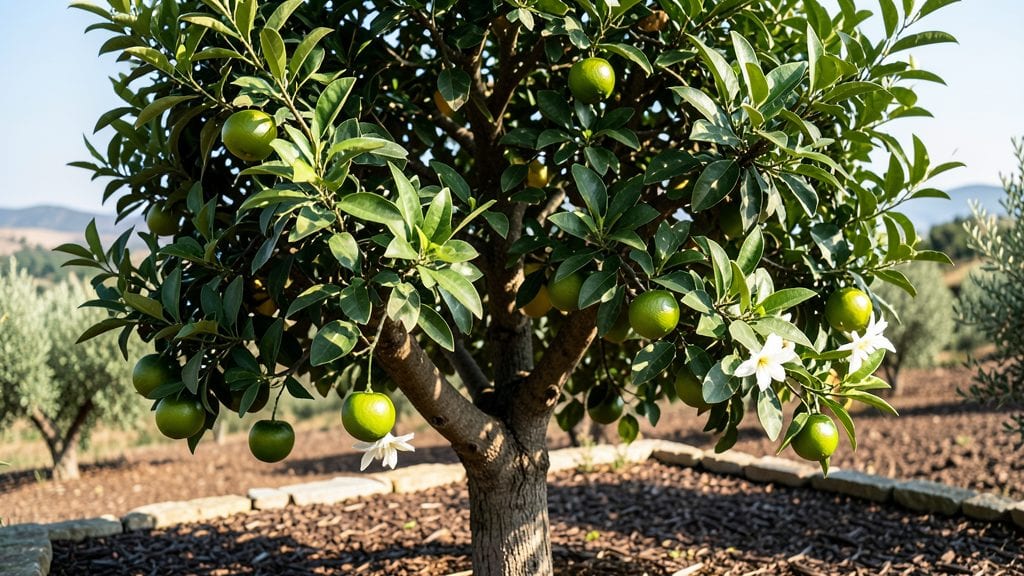
The delicate orange fruit flower releases its intoxicating perfume as it bursts into bloom, turning your garden into a fragrant spring sanctuary. 🌸 These fragrant blooms aren’t just pretty—they’re a sign your citrus trees or ornamental plants are thriving.
Whether you’re growing sweet orange trees, fragrant oleander, or vibrant marigolds, the key to those stunning orange flowers starts with the right care.
You’ll need well-draining soil, plenty of sunlight, and consistent watering to keep your plants happy. Most orange-flowered plants love at least 6 hours of sun daily, and citrus trees especially hate soggy roots.
A balanced fertilizer in spring and summer encourages those vibrant blooms, while pruning in late winter keeps your plants shaped and productive.
By summer, you’ll be rewarded with clusters of bright orange flowers that smell like sunshine. The blooms attract pollinators, and if you’re growing citrus, they’ll eventually turn into sweet fruit. Even ornamental varieties like marigolds or oleander bring a pop of color that lasts all season.
Works for containers, small yards, or full sun gardens—just pick the right variety for your climate. Let’s get those orange blooms growing strong!
📚 In This Guide
- What you need
- Instructions
- Tips and common mistakes
- Wrapping up and next steps
What you need
- ● Orange fruit tree (seedling or grafted): 1-2 Citrus × aurantium (bitter orange) or Citrus sinensis (sweet orange) saplings (choose dwarf varieties for containers).
- ○ Optional: Pre-grafted citrus trees (faster blooms, ~$20–$50 each).
- ● Potting mix or soil: 5–10 gallons of well-draining citrus-specific mix (or DIY: 60% peat moss, 30% perlite, 10% compost).
- ● For containers: 1–2 large pots (12–18" diameter) with drainage holes.
- ● Fertilizer: Citrus-specific fertilizer (e.g., Espoma Citrus-Tone), 10–15–10 NPK ratio.
- ● Slow-release granules (1–2 tbsp per plant) or liquid feed (monthly during growing season).
- ● Trowel or small shovel (for transplanting).
- ● Gloves (to protect from thorns and sap).
- ● Watering can or hose with a gentle spray nozzle.
- ○ Optional: Pruning shears (sterilized with rubbing alcohol).
- ● pH tester (ideal soil pH: 6.0–7.0).
- ● Grafting tools (if propagating from cuttings).
- ● Climate: USDA Zones 9–11 (outdoors). For colder zones, grow in containers and overwinter indoors.
- ● Sunlight: 6–8+ hours of full sun daily (partial shade in extreme heat).
- ● Water: Consistent moisture (avoid soggy soil; citrus hates "wet feet").
- ● Humidity: Moderate (mist leaves occasionally in dry climates).
- ● 🌿 Seedlings vs. Grafted: Seedlings take 5–10 years to bloom; grafted trees may flower in 2–3 years.
- ● 🍊 Pollination Boost: Attract bees with nearby flowering plants (e.g., lavender, marigolds).
- ● ❄️ Cold Protection: Move potted trees indoors (50°F+
Step-by-Step instructions for growing orange fruit flowers
Here’s how to coax those fragrant citrus blooms into your space with minimal fuss.
🌱 Step 1: Select and Prepare Your Citrus Tree
Start with a healthy dwarf citrus tree (like Meyer lemon or Calamondin orange) from a nursery, as they’re bred for container growing and bloom reliably. Choose a 10-15 gallon pot with drainage holes—citrus roots need room to spread but hate soggy feet. Fill the pot with a mix of equal parts potting soil, perlite, and coarse sand for drainage. I always add a handful of osmocote fertilizer to the bottom layer for slow-release nutrients.
Gently remove the tree from its nursery pot and loosen the root ball with your fingers. Place it in the new pot, ensuring the graft union (the bump near the base) sits 1-2 inches above the soil line. This prevents root rot and encourages stronger blooming. Water thoroughly until water runs freely from the drainage holes, then let it drain completely before placing in its final spot.
☀️ Step 2: Position for Optimal Light and Temperature
Citrus trees need full sun (6-8 hours daily) to produce flowers, but they’ll also tolerate bright indirect light if outdoor temps are too extreme. In winter, move your tree near a south-facing window or under grow lights (12-14 hours/day). I’ve found that 65-75°F is ideal for blooming—too hot or cold stunts flowers. If your home runs cooler, a small space heater near the tree (but not too close) can help trigger blooming.
Rotate the pot quarter-turn weekly so the tree grows evenly toward the light. You’ll notice leaves darkening on one side if it’s leaning—this is your cue to adjust. Avoid drafts (like AC vents or open windows) during winter, as sudden temperature swings cause buds to drop.
💧 Step 3: Water and Feed for Blooms
Water when the top 1-2 inches of soil feel dry—citrus trees hate soggy roots but also need consistent moisture to set flowers. I use room-temperature water (cold water shocks roots) and water deeply until it drains from the bottom. In summer, I water every 2-3 days; in winter, every 5-7 days. Overwatering is the #1 killer of citrus blooms, so always check soil moisture before watering.
Feed every 4-6 weeks with a balanced citrus fertilizer (6-6-6 or 8-3-9) during spring and summer. In fall and winter, switch to a low-nitrogen, high-phosphorus fertilizer (like 2-4-4) to encourage flower buds. I also spray the leaves weekly with diluted fish emulsion for extra micronutrients—this is the secret to those intense citrus fragrances.
✂️ Step 4: Prune and Encourage Blooming
Prune in late winter or early spring before new growth starts. Remove dead, crossing, or inward-growing branches with clean sterilized pruners, cutting just above a leaf node. I also trim back overly leggy growth by 1/3 to redirect energy into blooming. Avoid heavy pruning in fall—this can delay next year’s flowers.
To trigger blooms, reduce water slightly for 2-3 weeks in late summer (this mimics drought stress in nature). Also, avoid fertilizing in fall—citrus trees need a nutrient break to set flower buds. If your tree isn’t blooming after a year, check for pests (like scale or spider mites)—they sap energy meant for flowers. A neem oil spray keeps them at bay.
🌿 Step 5: Maintain and Enjoy Year-Round Blooms
Once flowers appear, protect them from frost—even a light freeze can kill buds. In winter, keep your tree indoors near a bright window or under grow lights. If you’re lucky enough to have outdoor blooms, hand-pollinate with a small brush to help fruit set (citrus flowers are self-pollinating but benefit from a little help).
After blooms fade, remove spent flowers to redirect the tree’s energy into new growth. I also repot every 2-3 years in spring, upgrading to a 2-3 inch larger pot as needed. With consistent care, your citrus tree will reward you with fragrant blooms year-round—and maybe even a few sweet oranges!
Tips & Tricks for growing fragrant orange fruit flowers
These little details make all the difference between a tree that just survives and one that bursts with fragrant citrus blooms.
Soil Science: The equal parts potting soil, perlite, and coarse sand mix in Step 1 isn't just about drainage—it's about aeration. Citrus roots need oxygen as much as water. I've found that adding a handful of orchid bark to the mix (optional) improves airflow even more. And here's the thing: if you notice yellowing leaves after repotting, your mix might be too dense. Amend with extra perlite next time.
Light Strategy: That 6-8 hours of full sun in Step 2 is non-negotiable for blooming, but I've learned this hard way: if your south-facing window doesn't get direct sun for that long, supplement with grow lights. Place them 6-12 inches above the tree for the 12-14 hours/day mentioned. LED grow lights with a full spectrum (red/blue) work best—avoid cheap white bulbs that won't trigger flowering.
Temperature Tricks: Maintaining that 65-75°F range is crucial, but don't just rely on your thermostat. Citrus trees sense temperature changes more acutely than we do. I place a small digital thermometer near the tree to monitor microclimates. If your home has cold drafts from windows or hot spots near vents, move the tree to a more stable location. Sudden drops below 55°F can shock the tree and cause buds to drop.
Pruning Precision: When trimming back leggy growth by 1/3 in Step 4, focus on the tips of branches—not the center. This encourages bushier growth and more flowering sites. And here's what nobody tells you: always sterilize your pruners with rubbing alcohol between cuts. I've seen fungal infections spread through unsterilized tools, and once it starts, it's hard to stop.
Pro Tips for Orange Fruit Flower
- These little details make all the difference between a tree that just survives and one that bursts with fragrant citrus blooms.
- Soil Science: The equal parts potting soil, perlite, and coarse sand mix in Step 1 isn't just about drainage—it's about aeration.
- Light Strategy: That 6-8 hours of full sun in Step 2 is non-negotiable for blooming, but I've learned this hard way: if your south-facing window doesn't get direct sun for that long, supplement with grow lights.
Frequently asked questions
When do orange fruit flowers bloom, and how long do they last?
Citrus flowers like those on orange trees typically bloom in spring (March–May in most climates), but with proper care, they can rebloom in fall (September–November). Individual blooms last 3–5 days, but clusters may linger for a week or more. For year-round blooms, choose everbearing varieties like the Calamondin or Meyer lemon.
Can orange fruit flowers survive cold weather?
Most citrus trees (including those producing orange flowers) are tender perennials and struggle below 25°F (-4°C). If you live in a cold climate, grow them in containers and move them indoors during winter. Alternatively, opt for cold-hardy citrus like Satsuma mandarins (tolerate 15°F (-9°C) with protection).
What’s the best way to encourage more orange fruit flowers?
Boost blooms with these tips:
- Prune lightly after harvest to redirect energy to flowering.
- Use a balanced citrus fertilizer (high in nitrogen early, then switch to low-nitrogen, high-phosphorus in late winter).
- Ensure 6–8 hours of sunlight daily and well-draining soil.
- Mist leaves in dry climates to mimic humidity.
Pro tip: A light shock treatment (like a sudden drop in temps) can trigger blooming in some varieties!
Why aren’t my orange fruit flowers turning into fruit?
Missing fruit? Common causes include:
- Lack of pollination: Hand-pollinate with a soft brush if bees are scarce.
- Improper fertilization: Too much nitrogen = leaves over flowers/fruit.
- Stress: Overwatering, underwatering, or pests (like aphids) can halt fruiting.
- Young tree: Citrus trees often take 3–5 years to bear fruit.
Check for thinning fruit—removing excess small fruit helps larger ones develop!
Are there non-citrus flowers that look like orange blossoms?
If you love the look of orange blossoms but want alternatives, try these fragrant, citrus-like flowers:
- Jasmine (star-shaped, intensely sweet).
- Gardenia (creamy white, crepey petals).
- Mock Orange (Philadelphus) (highly fragrant, four-petal blooms).
- Ylang-Ylang (tropical, jasmine-like scent).
For a true citrus scent, Murraya paniculata (orange jessamine) is a hardy vine with small, orange-blossom-like flowers.
Wrapping up and next steps
Growing your own orange fruit flower is a rewarding journey that brings beauty, fragrance, and even delicious fruit to your space! With the right care—sunlight, well-draining soil, and patience—you can enjoy vibrant blooms and citrusy delights year-round.
Whether you’re a beginner or a seasoned gardener, these fragrant flowers are a fantastic addition to any garden or home.
Ready to take the next step? Start by selecting the perfect variety for your climate, then nurture your plant with love and consistency. Soon, you’ll be rewarded with stunning blossoms and the sweet scent of citrus! 🌸🍊