
Flowers
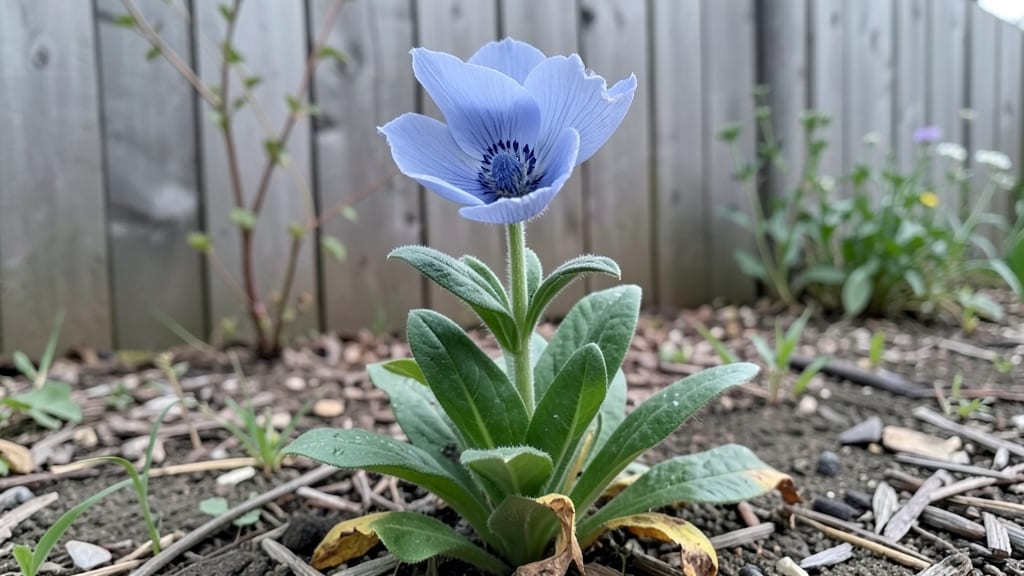
Growing Himalayan poppy flowers (Meconopsis spp.) means bringing those shockingly bright blue blooms to life—even in cooler climates where most flowers give up by spring.
I remember the first time I saw them in a high-altitude garden, standing tall after a light frost, their petals unfurling like tiny sky mirrors.
The secret isn’t just their frost tolerance; it’s their stubborn refusal to thrive in summer heat, which makes them perfect for gardeners in zones 4-8 who crave cool-season color.
These poppies demand well-draining, humus-rich soil mixed with sand or perlite to prevent root rot, and they’ll sulk if crowded—give them 12-18 inches of space between plants.
Plant them in late summer or early fall so roots establish before winter, and choose a spot with morning sun and afternoon shade to mimic their alpine habitat. The key? Keep soil consistently moist but never soggy, especially during their first growing season.
By early summer, you’ll be rewarded with vibrant blue or white blooms that last just a few weeks but create a dramatic, almost unreal display. The trade-off? They’re annuals in most climates, but self-seed reliably if left undisturbed.
Pair them with columbines or lungwort for a woodland garden vibe, or let them naturalize in a shady border where other plants might struggle.
Fair warning: these poppies are picky about summer heat—if your area bakes past 80°F, grow them in partial shade or provide afternoon relief. The payoff? A garden that stays lush and unexpected when others fade. Ready to try them?
📚 In This Guide
- What you need
- Instructions
- Tips and common mistakes
- Wrapping up and next steps
What you need
- ● Seeds: High-quality Himalayan poppy seeds (ensure they’re fresh or sourced from a reputable supplier). Quantity: 10–20 seeds (they germinate slowly, so start small!).
- ● Well-draining soil: A mix of 50% peat-free compost, 30% perlite or coarse sand, and 20% grit or horticultural grit (critical for preventing root rot!).
- ● Containers or seed trays: For seeds: Small pots (3–4 inches deep) or seed trays with drainage holes.
- ● For mature plants: Larger pots (10+ inches) or garden beds with partial shade and moisture-retentive but well-draining soil.
- ○ Grow lights or sunny windowsill: A cool-white LED grow light (optional but helpful for indoor starts).
- ● Misting bottle or spray nozzle: For gentle watering (avoid over-saturating seeds!).
- ● Trowel or small hand fork: For transplanting seedlings.
- ● Pruners or scissors: For deadheading spent blooms (encourages more flowers!).
- ○ pH testing kit (optional): Ideal soil pH: 6.0–7.0 (slightly acidic to neutral).
- ● Frost cloth or cold frame: If growing in USDA Zones 4–6, protect young plants from early frost.
- ● Climate: Prefers cool summers (60–70°F) and tolerates light frost (hardy to -10°F). Avoid hot, humid climates.
- ● Sunlight: Partial shade (4–6 hours of morning sun) in warmer zones; more sun in cooler areas.
- ● Patience: Germination can take 4–8 weeks—stay consistent with moisture!
- ● Space: Mature plants need 12–18 inches of spacing to thrive.
- ● Slow-release fertilizer (e.g., 10-10-10) for established plants.
- ● Mulch (e.g., cocoa hulls or straw) to retain moisture and regulate soil temp.
- ● Humidity dome or plastic wrap for seed trays (speeds up germination).
- ● Garden journal to track growth and blooming cycles!
Step-by-Step instructions for cultivating hardy Himalayan poppies
Here’s how to grow these frost-resistant blooms with minimal fuss—once established, they’ll reward you for years.
Select the Perfect Site for Frost-Resistant Growth
Himalayan poppies thrive in full sun—choose a location with at least 6-8 hours of direct sunlight daily. They tolerate partial shade in hotter climates, but fewer blooms will form. I always test the spot in early spring by observing how quickly snow melts; if it’s one of the first areas to dry, it’s ideal.
Their deep taproots demand well-draining soil—sandy loam or rocky soil mimics their native Himalayan habitat. Amend heavy clay by mixing in 2-3 inches of coarse sand or grit per square foot. Avoid low-lying areas where cold air pools; a slight slope ensures water runs off quickly.
Plant Seeds or Transplants at the Right Time
For direct sowing, plant seeds in early spring as soon as the soil is workable (around 40-50°F). Their hardy nature means they won’t rot in cool soil. Press seeds ¼ inch deep—they need light to germinate, so don’t bury them too deeply. Space seeds 12-18 inches apart to allow for mature foliage spread.
If using transplants, wait until late spring when nighttime temperatures stay above 45°F. Poppies hate root disturbance, so dig holes twice as wide as the root ball and place plants at the same depth as their nursery containers. Water deeply immediately after planting to settle the soil around roots.
Provide Minimal Care for Self-Sufficient Growth
Water deeply once a week during the first growing season—these plants store moisture in their thick roots and won’t tolerate soggy soil. After establishment, they’re drought-tolerant, but you’ll get more blooms if you water during prolonged dry spells. The key is deep soaking rather than frequent shallow watering.
Mulch with 2 inches of gravel or coarse bark in early spring to protect roots from extreme temperature swings. Himalayan poppies are frost-hardy, but mulch helps prevent heaving during freeze-thaw cycles. Fertilizer isn’t necessary—too much nitrogen produces leafy growth at the expense of blooms.
Encourage Blooms and Prevent Common Issues
Deadhead spent blooms in early summer to redirect energy into new flowers. You’ll notice fresh buds forming within 2-3 weeks of pruning. Avoid cutting back foliage until after blooming—it provides shade for developing buds. I always leave a few seed pods to mature for natural propagation.
Watch for aphids on new growth—spray with neem oil if you see sticky residue on leaves. Powdery mildew can occur in humid conditions; improve airflow by spacing plants 18 inches apart and watering at the base. These plants rarely need intervention once established, making them ideal for low-maintenance gardens.
Overwinter for Next Year’s Blooms
Himalayan poppies are perennial in USDA zones 3-8, but they benefit from a light mulch (1-2 inches) in winter to protect roots. In colder regions, their foliage may die back, but the crown survives. New growth emerges in early spring, often before surrounding plants.
Divide mature clumps every 3-4 years in early spring to prevent overcrowding. Simply dig up the plant, separate the root sections with a clean knife, and replant immediately. This rejuvenates blooming and prevents decline. With proper siting, these poppies will naturalize and spread slowly over time.
Tips & tricks for perfect Himalayan poppy cultivation
Here's what nobody tells you about growing these resilient blooms—tricks that'll make all the difference between struggling plants and show-stopping flowers.
Soil Preparation: Before planting, test your soil's drainage by digging a hole, filling it with water, and timing how long it takes to drain. If it takes more than 2 hours, you'll need to add more coarse sand or grit—these poppies despise soggy roots. I've seen them thrive in rocky garden beds where other plants fail, so don't be afraid to embrace their native habitat's conditions. The key is that water should run through within an hour.
Timing Secret: The 6-8 hours of sunlight requirement is non-negotiable, but here's the trick: position your poppies where they get morning sun and afternoon shade in hot climates. This prevents the delicate petals from scorching while still giving them enough light to bloom. I've noticed the most vibrant flowers get at least 4 hours of direct morning sunlight followed by dappled shade.
Transplanting Technique: When handling transplants in Step 2, loosen the root ball gently before placing it in the hole—this encourages roots to spread into the surrounding soil rather than circling. The "twice as wide" hole measurement is critical for preventing root binding, which can stunt growth. I always water transplants immediately after planting to help settle the soil around those fragile roots.
Bloom Extension Strategy: For continuous flowering, deadhead in early summer but leave some seed pods to mature naturally. The 2-3 week regrowth window gives you a second flush of blooms later in the season. I've found that plants with at least 3-4 seed pods left will still produce new flowers while maintaining their vigor for next year.
Pro Tips for Himalayan Poppy Flower
- Here's what nobody tells you about growing these resilient blooms—tricks that'll make all the difference between struggling plants and show-stopping flowers.
- Soil Preparation: Before planting, test your soil's drainage by digging a hole, filling it with water, and timing how long it takes to drain.
- Timing Secret: The 6-8 hours of sunlight requirement is non-negotiable, but here's the trick: position your poppies where they get morning sun and afternoon shade in hot climates.
Frequently asked questions
When is the best time to plant Himalayan poppy seeds?
The ideal time to sow seeds outdoors is in early spring (after the last frost) or late summer (for fall blooms). If starting indoors, begin 8–10 weeks before the last frost date. These poppies thrive in cool weather and hate transplanting, so direct sowing is best! For zones 3–7, aim for March–April or August–September.
Can Himalayan poppies survive winter frost?
These perennials are extremely cold-hardy (zones 3–7) and often self-seed after frost. Their basal rosettes (leafy clusters) stay dormant under snow, then burst into bloom in spring. Pro tip: Mulch lightly in harsh winters to protect emerging shoots, but avoid smothering the soil—these poppies prefer well-drained conditions.
Why aren’t my Himalayan poppy seeds germinating?
Patience is key—these seeds need stratification (cold exposure) to sprout. If planted outdoors, germination can take 2–4 weeks (or longer in hot/dry spells). Troubleshoot with:
Yes! If you love frost-resistant, low-maintenance blooms, try these hardy alternatives:
Yes! Their bright, open blooms are a magnet for bees, butterflies, and hummingbirds. Plant them near herbs or veggies to boost your garden’s biodiversity. Bonus: They’re deer-resistant, so you won’t need fencing to protect them!
If nothing emerges after 6 weeks, try sowing again!
Are there alternatives to Himalayan poppies for cold climates?
Like Himalayan poppies, these thrive in poor soil and zero fuss!
Do Himalayan poppies attract pollinators?
Wrapping up and next steps
The Himalayan poppy flower isn’t just a resilient beauty—it’s a rewarding addition to any garden, thriving even in chilly climates. Whether you’re a seasoned gardener or a beginner, its hardy nature and stunning blooms make it a must-try.
Ready to bring a touch of the Himalayas to your yard? Start planting today and enjoy the magic of these frost-defying flowers!
Pro tip: Share your progress with fellow gardeners—inspiration grows when we connect! 🌸