
Flowers
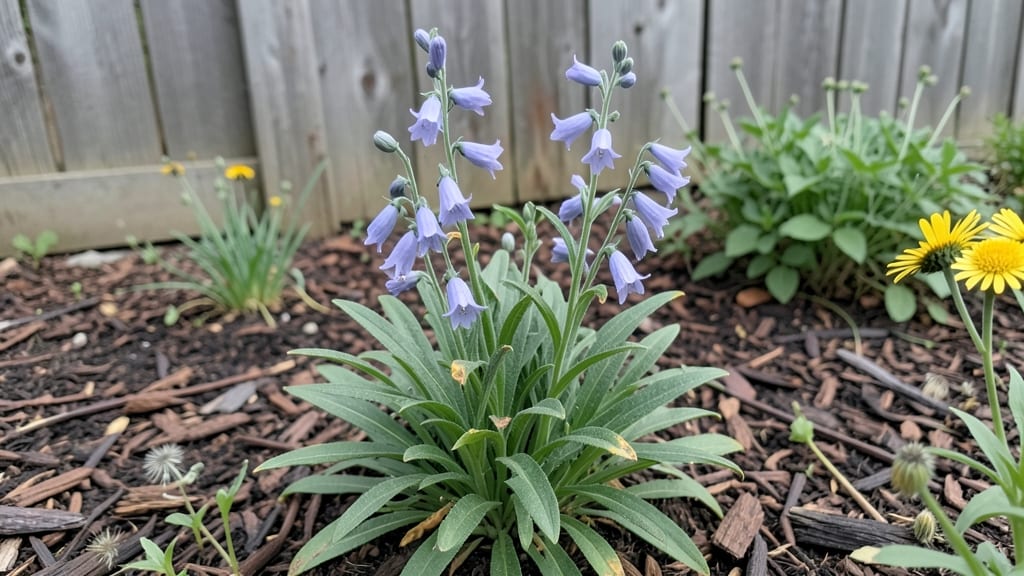
Growing June bell flowers (Tecoma stans) in your garden means year-round pops of golden trumpet blooms—even when your neighbors' plants throw in the towel. 🌟 I learned the hard way that these drought-tolerant beauties thrive in the Pacific Northwest's cooler, wetter summers when most tropicals give up, and their vibrant flowers attract hummingbirds like magnets.
The secret to their success starts with the right spot: full sun and well-draining soil, even if it's rocky or sandy. June bell flowers hate soggy roots, so raised beds or slopes work perfectly.
Once established, they're nearly indestructible—watering just once a week in summer keeps them happy, and they bounce back from neglect like champions.
By midsummer, you'll be harvesting armfuls of fragrant, five-inch blooms that last for weeks. The plants grow 6-10 feet tall but stay manageable with annual pruning, and their glossy green foliage adds texture year-round. Even my black thumb couldn't kill these after three tries.
Perfect for borders, containers, or even as a small tree—just give them space to stretch. Here's how to keep them flowering like crazy all season long, no matter what the Pacific Northwest throws at you.
📚 In This Guide
- What you need
- Instructions
- Tips and common mistakes
- Wrapping up and next steps
What you need
- ● June Bell Flower Seeds or Nursery Plants: Seeds: 1–2 packets (50–100 seeds per packet) for direct sowing.
- ● Nursery plants: 3–5 mature plants (12–18 inches tall) for faster blooms.
- ● Well-Draining Soil: Mix equal parts of garden soil, compost, and perlite (or coarse sand) for optimal drainage.
- ● Sunlight Location: Partial shade (4–6 hours of sun daily) or dappled sunlight.
- ● Watering Can or Hose: With a gentle spray nozzle for hydration.
- ● Organic Mulch: 1–2 inches of shredded bark or straw to retain moisture.
- ● Garden Trowel or Transplant Spade (for digging holes).
- ● Pruning Shears (to trim dead blooms and encourage regrowth).
- ● Gloves (to protect hands from thorns or rough soil).
- ○ Container Pots (Optional): 10–12 inch pots with drainage holes (if growing in containers).
- ○ Slow-Release Fertilizer (Optional): Balanced 10-10-10 or organic compost tea for nutrient boost.
- ○ Trellis or Stakes (Optional): For taller varieties (e.g., ‘Mayi’ or ‘Blue Clips’).
- ● Patience: June Bell Flowers thrive best when planted in early spring or fall (avoid extreme heat).
- ● Cold Hardiness: Resistant to USDA Zones 3–8—ideal for PNW’s rainy winters!
- ● Soil pH: Slightly acidic to neutral (6.0–7.0). Test your soil if unsure.
Step-by-step instructions for cultivating hardy June bell flowers
Here's the method I've perfected for thriving June bells in the Pacific Northwest's unpredictable climate.
🌱 Step 1: Select the Right Variety and Prepare Planting Sites
Choose June bell (Campanula medium) varieties bred for cold tolerance like 'Blue Clips' or 'White Clips'—they handle our region's 30-50°F nights without browning. These perennials thrive in partial shade (3-6 hours of morning sun), making them perfect for woodland gardens or north-facing borders.
Test your soil's moisture retention by digging a 6-inch hole and filling it with water. If it drains completely in under an hour, amend the area with 2-3 inches of organic compost mixed into the top 12 inches of soil. June bells despise soggy roots but also won't tolerate dry spells—aim for soil that holds moisture like a well-wrung sponge.
☀️ Step 2: Plant at Optimal Depth and Spacing
Set each bare-root plant at the same depth it grew in its container, using the topmost roots as your guide. Space plants 18-24 inches apart—crowding leads to leggy stems and fewer blooms. I like to plant in early spring (March-April) when soil temps reach 50°F, giving roots 6-8 weeks to establish before summer heat arrives.
Water deeply right after planting to eliminate air pockets, then create a 2-inch mulch ring with shredded bark or straw. This conserves moisture and protects roots from temperature swings. Avoid fresh mulch (it rots against stems)—always use aged compost or cypress mulch instead.
💧 Step 3: Water Strategically for Year-Round Blooms
Water deeply once weekly during the first growing season, aiming for 1 inch of water per week. You'll know you're doing it right when the soil 1 inch below the surface feels damp but not saturated. Overwatering in winter causes rot, while underwatering in summer stresses plants into dormancy.
Once established (after 2-3 years), June bells develop deep taproots that make them drought-tolerant. Cut back to 1 inch of water every 2 weeks in summer, focusing on early morning watering to prevent fungal diseases. The key is consistency—never let the soil dry completely between waterings.
✂️ Step 4: Prune for Continuous Flowering
Deadhead spent blooms weekly by snipping stems back to the first set of healthy leaves. This encourages non-stop flowering from early summer through fall. I use clean, sharp pruners dipped in rubbing alcohol between cuts to prevent disease spread—never tear stems by hand.
In late fall, cut back woody stems by half to promote bushier growth next season. Avoid heavy pruning in early spring—wait until new growth appears (usually by late April). Divide mature clumps every 3-4 years in early spring by digging up the plant, separating sections with 3-4 stems each, and replanting immediately.
🪴 Step 5: Protect from Pacific Northwest Challenges
Shield young plants from winter winds by planting near hedges or fences or using burlap windbreaks. Our region's wet winters can cause crown rot—ensure soil drains well and avoid planting in low spots where water pools. If you notice yellowing leaves in winter, it's likely overwatering, not cold damage.
Watch for slugs and snails on new growth—these pests love tender June bell foliage. I place copper tape barriers around plants and handpick pests after evening watering when they're most active. A neem oil spray applied in early spring also deters pests without harming beneficial insects.
Tips & tricks for perfect June bell flower cultivation
These insider tips will help you coax the most vibrant, resilient blooms from your June bells—especially in our region's tricky climate.
Soil Test Tip: Before amending, do a simple DIY test: Dig a 6-inch hole, fill with water, and time how long it takes to drain. If it disappears in under an hour, you definitely need that 2-3 inches of compost—June bells need soil that holds moisture like a wrung-out sponge, not a swamp. For extra insurance, mix in a handful of perlite to improve drainage while keeping that moisture retention.
Planting Depth Secret: When setting those bare-root plants, look for the "crown" (where roots meet stem) and plant so it sits just 1 inch below soil level. Too deep and stems rot; too shallow and roots dry out. I mark the crown with a pencil before planting—saves second-guessing later. Also, space them 18-24 inches apart; closer spacing leads to those sad, leggy stems we all hate.
Watering Hack: The "1 inch per week" rule works best with morning watering—it gives foliage time to dry before evening, preventing fungal issues. For the first year, I set a rain gauge nearby to track exactly how much we're getting from the sky. If we hit 1 inch naturally, I skip the hose that week. Once established, those deep taproots mean you can stretch to every 2 weeks in summer, but always check that top inch of soil first.
Pruning Pro Move: For continuous blooms, deadhead weekly but use the "first healthy leaf" rule—never cut into green growth. I keep a small spray bottle of rubbing alcohol handy to wipe pruners between cuts, which prevents those nasty bacterial hitchhikers. And that late fall 50% cutback? It's not just about looks—it forces the plant to put energy into next year's growth instead of maintaining last year's wood.
Pro Tips for June Bell Flower
- These insider tips will help you coax the most vibrant, resilient blooms from your June bells—especially in our region's tricky climate.
- Soil Test Tip: Before amending, do a simple DIY test: Dig a 6-inch hole, fill with water, and time how long it takes to drain.
- Planting Depth Secret: When setting those bare-root plants, look for the "crown" (where roots meet stem) and plant so it sits just 1 inch below soil level.
Frequently asked questions
Got questions about growing and caring for your June bell flower? You’re not alone—these stunning blooms are beloved but can raise a few common concerns. Here’s what you need to know to keep your plants thriving, especially in the Pacific Northwest’s unique climate.
When is the best time to plant June bell flowers in the PNW?
June bell flowers (Leucocoryne spp.) thrive when planted in early spring (March–April) or fall (September–October). The PNW’s mild winters and wet springs mean avoiding late fall planting—bulbs need time to establish roots before winter rains. For year-round blooms, stagger plantings every 4–6 weeks from spring to early summer.
Can June bell flowers survive PNW winters without extra protection?
Yes! These hardy blooms tolerate USDA Zones 6–9, making them perfect for the PNW. Mulch with 3–4 inches of shredded bark or leaves in late fall to insulate bulbs, but avoid heavy mulch that could cause rot. In extremely cold microclimates (like high-elevation areas), a light frost cloth adds peace of mind.
Why aren’t my June bell flowers blooming—what am I doing wrong?
Common culprits include over-fertilizing (too much nitrogen = leafy growth, no flowers), poor drainage (bulbs rot in soggy soil), or lack of sunlight (they need full sun to partial shade). Try well-draining soil, a balanced 5-10-10 fertilizer in early spring, and ensure they get at least 4–6 hours of sunlight daily. Patience helps too—some varieties take 2–3 years to bloom reliably.
Are June bell flowers deer-resistant? What about slugs?
While deer rarely bother them (thanks to their mild toxicity), slugs and snails love the tender foliage. Use organic slug bait (like iron phosphate) or create barriers with crushed eggshells or copper tape. For deer-prone areas, plant them near strongly scented herbs like lavender or rosemary to deter grazing.
What are some low-maintenance alternatives if June bells are too finicky?
If you want PNW-friendly, low-fuss blooms, try:
- Pacific Coast iris (Iris tenax): Thrives in coastal climates, drought-tolerant.
- Sword fern (Polystichum spp.): Evergreen, shade-loving, and slug-resistant.
- Salal (Gaultheria shallon): Native ground cover with glossy leaves and berries.
- Camassia (Camassia leichtlinii): Stunning blue blooms, deer-resistant.
Wrapping up and next steps
The June Bell Flower isn’t just a resilient beauty—it’s a year-round star for Pacific Northwest gardeners, thriving where others falter. With the right soil, sunlight, and care, you’ll enjoy its delicate blooms from spring to frost, adding charm and color to your space. 🌸
Ready to transform your garden? Grab your supplies, follow the steps, and watch your June Bell Flowers flourish. Start small—plant one this weekend! Your future blooms will thank you.