
Flowers
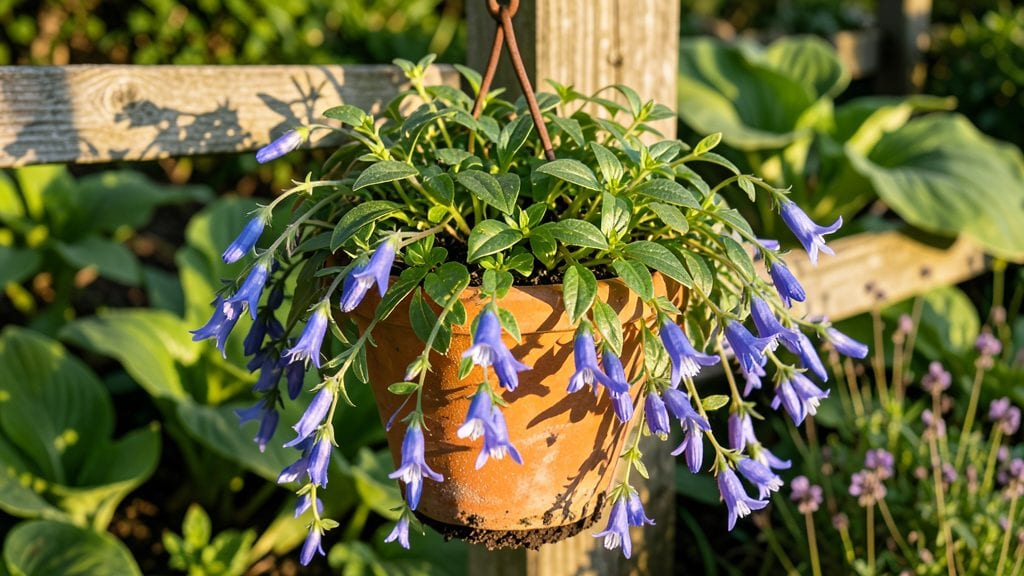
Growing the blue heart flower (Setcreasea pallida) feels like cultivating a little piece of the Pacific Northwest’s lush charm—it thrives where others struggle, with its striking silver-blue foliage and delicate pink blooms.
I’ve watched mine spread effortlessly across shady corners of my garden, proving it’s the perfect plant for gardeners who want low-maintenance beauty without sacrificing drama. The secret lies in its adaptability: it handles shade like a pro, tolerates drought once established, and even survives light frosts better than many tropicals.
This plant isn’t picky about soil—just make sure it drains well—and it loves humidity, which explains why it flourishes in the PNW’s damp climate. You can grow it as a sprawling ground cover, tumbling over containers, or even trained up a trellis for a vertical pop of color.
The best part? It multiplies like crazy through runners, so you’ll soon have more plants than you know what to do with. Start with a 4-inch pot or direct-sow in spring, and within weeks, you’ll see those signature heart-shaped leaves emerging.
By summer, your blue heart will be a silvery-green carpet dotted with occasional pink flowers, creating a serene, almost ethereal look in any garden bed. It’s the kind of plant that rewards patience—once it gets going, it’s nearly indestructible.
Whether you’re filling a shady spot, lining a path, or adding texture to containers, this plant delivers year-round interest with almost no effort. Ready to turn a tricky corner of your garden into a standout feature?
Works equally well in containers, hanging baskets, or as a living mulch—just give it room to spread. The key to keeping it happy? Watering when the soil dries out and snipping back runners to control its spread.
No fertilizers, no fuss, just reliable, striking foliage that brightens even the dullest corner. Let’s get those roots growing!
📚 In This Guide
- What you need
- Instructions
- Tips and common mistakes
- Wrapping up and next steps
What you need
- ● Blue heart flower seeds – Choose Lobelia erinus varieties like 'Crystal Palace' or 'Regatta' for vibrant blue blooms (1 packet covers ~100 plants).
- ● Seed-starting mix – A lightweight, well-draining blend (e.g., Pro-Mix or coco coir) for sowing indoors (50 sq ft bag).
- ● Growing containers or garden beds – 6-inch pots for seedlings or hanging baskets (for trailing varieties) + well-draining soil (amend with perlite if needed).
- ● Slow-release fertilizer – A balanced 10-10-10 or fish emulsion (1 lb or 16 oz bottle) for nutrient-rich soil.
- ● Watering can or spray bottle – Keep soil consistently moist (not soggy) without disturbing seeds.
- ● Gloves & knee pads – Protect your hands and knees while planting!
- ○ Twine or plant labels – Mark seedlings to track varieties (optional but helpful).
- ● Pruning shears – For trimming leggy stems or spent blooms (small pair, ~$5).
- ● Sunlight access – Partial shade (4–6 hours/day) for best PNW growth (e.g., east-facing window or dappled garden spot).
- ● Patience! – Germination takes 10–21 days in warm (65–75°F) conditions.
- ● Grow lights – If starting seeds indoors before spring (LED bulbs work great).
- ● Mulch – Retains moisture (e.g., pine bark or straw).
- ● Epsom salt – Boosts magnesium for lush foliage (1 tbsp per gallon of water, used sparingly).
- ● Companion plants – Pair with fuchsias or impatiens for a PNW-friendly hanging display!
Step-by-Step instructions for growing blue heart flowers
Here's how I cultivate vibrant blue heart flowers (Dicentra spectabilis)—a Pacific Northwest staple that thrives with minimal fuss.
Select the Perfect Planting Location
Blue heart flowers adore partial to full shade, making them ideal for Pacific Northwest gardens where direct afternoon sun can scorch leaves. Choose a spot with morning sunlight and dappled shade—think under deciduous trees or along north-facing foundations. The soil should drain well but retain moisture, as soggy roots invite rot.
I always test soil drainage by digging a 6-inch hole, filling it with water, and timing how long it takes to drain. If it pools after 30 minutes, amend with 2-3 inches of organic compost to improve structure. These plants reward patience—their heart-shaped blooms emerge reliably in late spring, often before other perennials.
Prepare Soil and Plant with Care
Amend the planting area with 3 inches of well-aged compost mixed into the top 12 inches of soil. Blue heart flowers prefer rich, humusy soil with a slightly acidic to neutral pH (6.0-7.0). If your soil is heavy clay, blend in 20% perlite to prevent compaction. Dig a hole twice as wide as the root ball but only as deep—planting too deep smothers the crown.
Gently tease apart roots if they’re circling and place the plant so the crown sits just below soil level. Backfill with native soil, pressing lightly to eliminate air pockets. Water deeply to settle the soil—this ensures roots make immediate contact with moisture. Space plants 18-24 inches apart to allow their fern-like foliage to spread gracefully.
Water and Mulch for Pacific Northwest Resilience
Water deeply once a week during the first growing season, aiming for 1 inch of moisture per week. Blue heart flowers are drought-tolerant once established, but young plants need consistent moisture to root deeply. I check soil moisture by probing 2 inches deep—if it’s dry, water again. Avoid overhead sprinkling, which can spread fungal diseases like powdery mildew.
Apply 2-3 inches of organic mulch (like shredded bark or leaf mold) around the base, keeping it 2 inches away from stems to prevent rot. Mulch conserves soil moisture and regulates temperature, which is critical in the PNW’s cool, damp winters. Replenish mulch annually in early spring to protect emerging shoots from temperature fluctuations.
Prune and Maintain for Long-Term Blooms
After flowering, cut back faded stems to the ground in early summer to encourage a second, often lighter flush of blooms. This also redirects energy into root development for next year. I avoid pruning foliage until it yellows naturally—healthy leaves photosynthesize until late fall, storing nutrients for winter.
Fertilize lightly in early spring with a balanced 10-10-10 fertilizer (1 tablespoon per plant). Blue heart flowers are not heavy feeders, so over-fertilizing leads to lush foliage at the expense of blooms. In the PNW, divide clumps every 3-4 years in early spring or fall if growth slows—this rejuvenates plants and prevents overcrowding.
Protect and Enjoy Year-Round Interest
Blue heart flowers are hardy to USDA Zone 3, making them perfect for PNW winters. Their fern-like foliage remains attractive even when not in bloom, providing year-round texture. In late winter, trim back any dead or damaged leaves to make room for new growth. These plants are deer-resistant, so they’re a low-maintenance choice for rural gardens.
Watch for slugs and snails in damp seasons—they adore young shoots. I set out beer traps (shallow dishes of beer) near plants to deter pests without chemicals. With proper care, blue heart flowers will naturalize and spread, creating decades of effortless beauty in shaded garden corners.
Tips & tricks for growing Pacific Northwest blue heart flowers
These pro tips will help you coax the most vibrant blooms from your blue heart flowers—and keep them thriving for years to come.
Soil Drainage Test: In Step 1, when testing your soil's drainage by filling that 6-inch hole with water, pay special attention to how quickly it drains. If water disappears in under 15 minutes, your soil drains too quickly and may need 1-2 inches of organic matter added to retain moisture. The goal is that perfect balance where water drains within 30 minutes but doesn't pool—this mimics the natural woodland conditions these flowers prefer. I've found that adding a handful of leaf mold to the bottom of planting holes gives an extra boost to moisture retention.
Planting Depth Secret: The instructions mention planting with the crown just below soil level in Step 2, but here's what nobody tells you—this isn't just about depth, it's about positioning. The crown should sit where the base of the stems meets the roots, never buried deeper than ½ inch. If you plant too deep, you'll smother the plant; too shallow and it may dry out. I use a small stick to mark the exact planting depth before removing the plant from its container as a visual guide.
Mulching Strategy: For Step 3's mulching instructions, consider using a double-layer system: Apply 1-2 inches of coarse mulch (like bark chips) first to improve drainage, then top with 1-2 inches of finer mulch (like leaf mold) to conserve moisture. This mimics the natural forest floor these plants evolved in. In particularly wet PNW winters, I reduce mulch thickness to 1-2 inches total to prevent crown rot from excess moisture buildup.
Pruning Timing: When you're ready to cut back faded stems in Step 4, here's my pro tip: Wait until stems have completely browned and dried out before pruning—this ensures you're not accidentally cutting off any potential second flush of blooms. I also recommend sterilizing your pruners with rubbing alcohol between cuts to prevent spreading any potential diseases that might be hiding in the plant debris.
Pro Tips for Blue Heart Flower
- These pro tips will help you coax the most vibrant blooms from your blue heart flowers—and keep them thriving for years to come.
- Soil Drainage Test: In Step 1, when testing your soil's drainage by filling that 6-inch hole with water, pay special attention to how quickly it drains.
- Planting Depth Secret: The instructions mention planting with the crown just below soil level in Step 2, but here's what nobody tells you—this isn't just about depth, it's about positioning.
Frequently asked questions
Got questions about growing blue heart flower (Dicentra spectabilis) in the Pacific Northwest? Here are some common ones—and their answers!
Is blue heart flower easy to grow in the PNW’s wet climate?
The good news is yes! Blue heart thrives in the PNW’s cool, moist conditions—just ensure it gets partial shade to prevent leaf scorch. Avoid soggy soil by amending with compost or planting on a slight slope. Mulch with shredded bark to retain moisture and regulate temps.
How long does it take for blue heart flowers to bloom after planting?
With patience, you’ll see blooms 1–2 years after planting from seed (or sooner if transplanting mature roots). First-year plants focus on root growth, but well-established divisions may flower in spring of their first season. Pro tip: Pinch back seedling foliage in early summer to encourage bushier growth and earlier blooms next year.
Can I grow blue heart in containers? What’s the best setup?
Choose a 12–18-inch-wide pot with drainage holes, filled with a mix of moisture-retentive potting soil and perlite (50/50 ratio). Place in morning sun/afternoon shade and water when the top inch of soil feels dry. Warning: Containers dry out faster—monitor closely in summer heat!
Are blue heart flowers toxic to pets or kids?
Yes, this plant is toxic if ingested due to isoquinoline alkaloids, which can cause vomiting or drooling in pets/kids. Keep it out of reach, especially for curious cats and dogs. Opt for non-toxic alternatives like heuchera or astilbe if safety is a concern.
Why aren’t my blue heart flowers blooming? Troubleshooting tips.
Try these fixes if blooms are missing:
Too much sun? Move to partial shade (3–6 hours of light).
Over-fertilized? Blue heart prefers poor soil—cut back on nitrogen.
Not enough water? Keep soil consistently moist (but not waterlogged).
Old plant? Divide clumps every 3–4 years to rejuvenate growth.
Pro tip: Deadhead spent blooms to encourage second flushes in late summer!Wrapping up and next steps
The blue heart flower (Lobelia erinus) is a stunning, low-maintenance gem that thrives in the Pacific Northwest’s climate—adding vibrant pops of color to gardens, containers, and even hanging baskets year-round. Whether you’re a seasoned gardener or a beginner, its resilience and beauty make it a must-have for any outdoor space.
With the right care, you’ll enjoy months of blooms and maybe even inspire others to grow their own!
Ready to get started? Grab your supplies, pick a sunny spot, and plant your first blue heart flowers today! 🌱✨ Review the checklist or browse common questions to ensure success.