Propagation
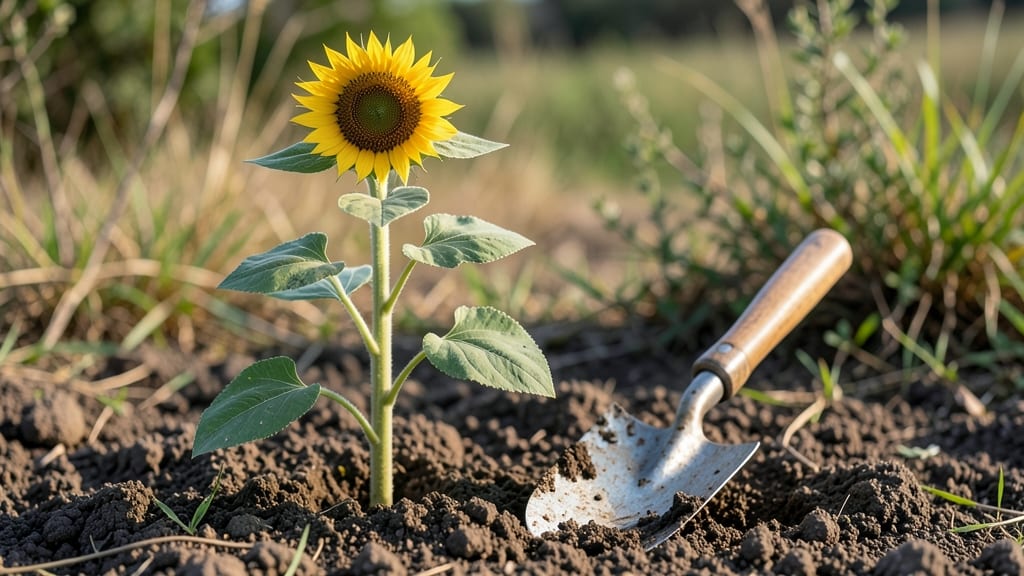
Follow these sunflower seeds planting instructions to grow towering stems and cheerful blooms in just 60 days—no fancy tricks required. I’ve watched these giant flowers go from tiny seeds to 10-foot giants in my own backyard, and the secret isn’t complicated: timing, soil, and a little patience.
The key is getting them in the ground when the soil hits 55°F and stays warm, which in most zones means waiting until after the last frost.
You’ll need a sunny spot with at least 6 hours of direct light daily, loose soil mixed with compost, and seeds planted about an inch deep. Space them 6 inches apart if you want bushy stems or 12 inches apart for single-stalk giants.
Water gently after planting—no need to drown them—and keep the soil moist but not soggy until they sprout, which usually takes 7-14 days.
Once those first leaves appear, you’ll be hooked. Sunflowers grow fast, so expect to see 2-foot-tall seedlings within weeks. They’re tough plants—resistant to deer and many pests—but watch for damping off in damp soil or birds stealing seeds.
A simple wire cage over new seedlings can save them until they’re too tall to snack on.
By midsummer, you’ll have a garden full of velvety petals and bird-friendly centers. The best part? You can harvest seeds for next year’s crop or press the blooms for dried arrangements. Whether you’re growing for fun, food, or pollinators, sunflowers deliver instant gratification and big rewards.
📚 In This Guide
- What you need
- Instructions
- Tips and common mistakes
- Wrapping up and next steps
What you need
- ● Sunflower seeds: Choose heirloom or hybrid varieties (e.g., ‘Mammoth’ or ‘Autumn Beauty’). Buy 10–20 seeds for a small garden or 50+ seeds for a larger patch.
- ● High-quality potting mix or garden soil: Ensure it’s well-draining (add perlite or compost if needed). Use 1–2 bags (5–10 cubic feet) for containers or in-ground planting.
- ○ Containers (optional for early starts): Use 3–5 inch deep pots with drainage holes (1–2 per seedling).
- ● Fertilizer: A balanced 10-10-10 or organic compost (mix 1–2 tbsp per square foot of soil).
- ● Garden trowel or transplanting spade (for digging holes 1–2 inches deep).
- ● Watering can or hose with a gentle spray nozzle (sunflowers need 1–2 inches of water per week).
- ○ Mulch (straw or wood chips) (optional but helps retain moisture and suppress weeds).
- ● Plant labels & markers (to track varieties if growing multiple types).
- ● Gloves & knee pads (for comfort during planting!).
- ● A sunny spot with at least 6–8 hours of direct sunlight daily.
- ● Warm soil (wait until nighttime temps stay above 50°F (10°C)—sunflowers hate cold!).
- ● Spacious roots: Space seeds 6–12 inches apart (check variety guidelines) or 18–24 inches apart for larger varieties.
Step-by-step instructions for planting sunflower seeds
Here's how to grow towering sunflowers from seed in just two months.
Choose the Right Location and Timing
Sunflowers thrive in full sun, so pick a spot that gets at least 6-8 hours of direct sunlight daily. They grow best in well-draining soil with a pH between 6.0 and 7.5, but they're adaptable enough to handle most garden conditions. I always plant mine after the last frost date in my area—usually mid-to-late spring—when soil temperatures reach at least 55°F. This ensures the seeds won't rot in cold, wet soil.
If you're planting multiple varieties, space them at least 12 inches apart to prevent overcrowding. Sunflowers grow fast, and their roots spread wide, so give them room to establish. I like to sketch a quick layout on paper before digging—it saves time later when seedlings pop up.
Prepare the Soil and Plant the Seeds
Loosen the soil to a depth of 6-8 inches with a garden fork or tiller. Mix in a 2-3 inch layer of compost to improve drainage and fertility. Sunflowers don’t need rich soil, but a little organic matter helps them grow taller and stronger. If your soil is heavy clay, add a handful of sand or perlite to help water drain.
Plant seeds 1-1.5 inches deep—deeper than most gardeners think. The rule of thumb is to plant seeds twice as deep as they are wide. Drop 2-3 seeds per hole and space them 6 inches apart in rows 18-24 inches apart. This gives you flexibility if one or two seeds don’t sprout. Water gently but thoroughly after planting to settle the soil around the seeds.
Water and Maintain Until Germination
Keep the soil consistently moist but not soggy until the seeds germinate, which usually takes 7-14 days depending on temperature. I check daily by sticking my finger 1 inch into the soil—if it feels dry, it’s time to water. Overwatering at this stage can cause seeds to rot, so I use a watering can with a gentle spray nozzle to avoid disturbing the soil.
Once the first true leaves appear—those are the second set of leaves after the initial seed leaves—you can reduce watering slightly. Sunflowers are drought-tolerant once established, but they need steady moisture during their first 4-6 weeks of growth. Mulch around the base with 2-3 inches of straw or grass clippings to retain moisture and suppress weeds.
Support Growth and Prevent Common Issues
As sunflowers grow, they may need staking if they’re tall varieties or if they’re planted in windy areas. I use bamboo stakes or tomato cages placed next to the plants when they reach 12-18 inches tall. Gently tie the stems to the stakes with soft plant ties or old fabric strips—avoid wire or anything that can cut into the stem.
Watch for pests like aphids or sunflower moths, which can damage leaves and flowers. If you spot them, spray the plants with a soapy water solution (1 tablespoon mild dish soap per gallon of water) in the early morning. Sunflowers are generally low-maintenance, but removing spent blooms encourages more flowers to develop on the same stem.
Harvest and Enjoy Your Sunflowers
Sunflowers are ready to harvest when the back of the flower head turns yellow and the petals start to droop—usually 90-120 days after planting. Cut the stem at a 45-degree angle about 6 inches below the flower head to encourage water uptake. Hang the sunflowers upside down in a dry, dark place for 1-2 weeks to dry completely before storing.
If you’re growing sunflowers for seeds, leave a few heads on the plant until they turn brown and the seeds rattle inside. Twist the head off the stem and remove the seeds for next year’s planting. The rest of the flowers make stunning bouquets or decorations. I always save a few seeds from my best sunflowers to replant the following year—they grow even better with each generation!
Tips & tricks for perfect sunflower growth
Here's what I've learned after growing sunflowers for years—these little tricks will help you grow taller, healthier plants with fewer headaches.
The Sunlight Secret: While 6-8 hours of sunlight is the minimum, your sunflowers will reward you with even more dramatic growth if they get closer to 10 hours, especially during their flowering phase. I've noticed that plants in my backyard, which get afternoon sun, grow about 12 inches taller than those in my shadier front garden. If you're in a less sunny area, consider using reflective surfaces like white sheets or mirrors to bounce extra light onto your plants during their critical growth months.
Soil Temperature Tip: That 55°F soil temperature guideline is non-negotiable for germination, but here's the thing: if your soil is colder than that, your seeds might rot before they sprout. I always test soil temperature with a simple soil thermometer—it's cheap and saves you from wasted seeds. If your soil is too cold, wait it out or consider using black plastic mulch to warm the soil faster. Trust me on this: patience at this stage pays off with stronger plants later.
Planting Depth Hack: The 1-1.5 inch planting depth might seem shallow, but it's crucial for proper germination. I've made the mistake of planting too deep, and those seeds just never came up. Here's a foolproof method: use a ruler to measure the depth of your seeds, then plant them twice that depth. For most sunflower varieties, that's about 1 inch deep. If you're planting in loose, sandy soil, you can go slightly shallower—just make sure the seeds stay covered.
Watering Wisdom: The 7-14 day germination window can feel like an eternity, but consistent moisture is key during this time. I've found that watering in the morning gives the soil time to dry out slightly during the day, which prevents fungal issues. Once your seedlings have their first true leaves, you can back off on watering slightly, but don't let the soil dry out completely during those first 4-6 weeks. The mulch you add will help retain that crucial moisture while keeping weeds at bay.
Pro Tips for Sunflower Seeds Planting Instructions
- Here's what I've learned after growing sunflowers for years—these little tricks will help you grow taller, healthier plants with fewer headaches.
- The Sunlight Secret: While 6-8 hours of sunlight is the minimum, your sunflowers will reward you with even more dramatic growth if they get closer to 10 hours, especially during their flowering phase.
- Soil Temperature Tip: That 55°F soil temperature guideline is non-negotiable for germination, but here's the thing: if your soil is colder than that, your seeds might rot before they sprout.
Frequently asked questions
Got questions about growing sunflowers from seeds? You’re not alone! Here are some of the most common concerns—and straightforward answers—to help you cultivate a thriving sunflower patch with confidence.
When is the best time to plant sunflower seeds?
Sunflowers thrive in warm soil, so wait until after the last frost in spring when temperatures consistently stay above 50°F (10°C). For a longer harvest, you can also plant a second batch in early summer. Just ensure they get full sun (6+ hours daily) and have well-draining soil.
How long does it take for sunflower seeds to germinate?
Germination usually takes 7–14 days, depending on soil warmth and moisture. Keep the soil consistently damp (not soggy) and place seeds no deeper than 1 inch (2.5 cm) below the surface. A sunny windowsill or a seedling heat mat can speed up the process if you’re starting indoors.
Can I plant sunflower seeds directly in the ground, or should I start them indoors?
Sunflowers are hardy enough for direct sowing outdoors once the soil is warm. Starting indoors is only useful if you’re in a short-growing season or want to extend your harvest. If you choose to start seeds indoors, transplant seedlings after they’ve developed 2–3 true leaves and harden them off for a week before moving them outside.
What should I do if my sunflower seedlings look leggy or weak?
Leggy seedlings often mean they’re stretching for light. If planted too closely, thin them to 6–12 inches apart to improve airflow and reduce competition. For indoor starts, move them closer to a bright window or use a grow light. Once outdoors, ensure they’re in full sun and water at the base (not overhead) to prevent fungal issues.
Why aren’t my sunflower seeds sprouting?
Seeds may fail to sprout due to old seeds, improper planting depth, or cold soil. Test viability by soaking a few seeds overnight—if they swell, they’re likely good. Replant at the correct depth (1 inch) in warm soil (70°F/21°C or higher). If moisture is an issue, use a spray bottle to keep soil damp until germination.
Wrapping up and next steps
Planting sunflower seeds is a rewarding journey that yields bold, cheerful blooms in just 60 days!
With the right soil, spacing, and care, you’ll watch these giants grow from tiny seeds to towering sunflowers. 🌻 Whether you’re a beginner or a seasoned gardener, the key is patience and consistency—your hard work will pay off with stunning results.
Ready to harvest the sunshine? Grab your seeds, head outdoors, and start planting today! For extra inspiration, check out sunflower care tips or explore creative ways to use your homegrown blooms. Happy gardening!